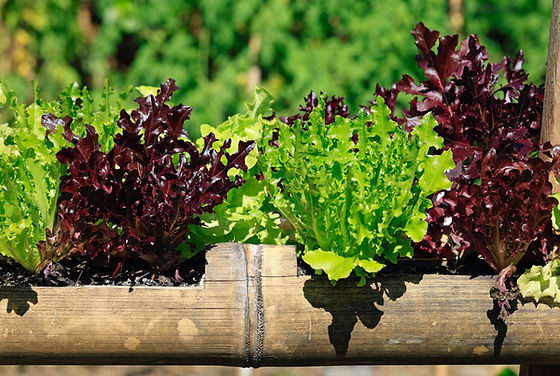
Are you ready to transform your Texas garden this fall? If you’re wondering what to plant during this vibrant season, you’re in the right place.
Fall in Texas isn’t just about cooler temperatures and changing leaves; it’s the perfect time to grow a thriving garden that will bring beauty and bounty to your home. Imagine stepping outside to pick your own fresh vegetables and enjoy blossoming flowers even as the temperatures drop.
With the right choices, your garden can flourish, extending the growing season and providing you with fresh produce and stunning blooms. Keep reading, and you’ll discover the best plants for your Texas fall garden, ensuring your outdoor space remains lively and productive. Whether you’re a seasoned gardener or just starting, this guide will give you the confidence to cultivate a garden that thrives well into the autumn months.
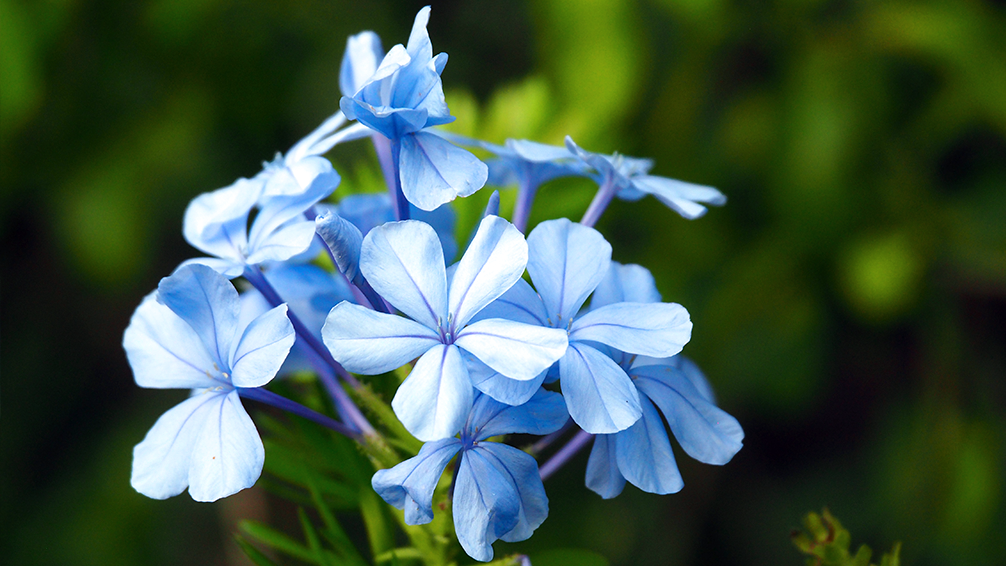
Credit: plantsforallseasons.com
Climate Considerations
Gardening in Texas during the fall offers a unique challenge and opportunity due to its distinctive climate. Understanding the climate considerations can make a significant difference in the success of your garden. With fluctuating temperatures and occasional rain, selecting the right plants can be both rewarding and tricky.
Understanding Texas Climate Zones
Texas boasts a diverse range of climate zones, from the arid regions of West Texas to the humid coastal areas. Knowing your specific zone helps in choosing plants that will thrive. In my experience, focusing on native plants that naturally adapt to your zone can save you time and effort. Have you checked your local climate zone lately?
Temperature Variations
The fall season in Texas can be unpredictable. Warm days can suddenly turn into chilly nights. It’s crucial to select hardy plants that can withstand these temperature swings. Consider planting leafy greens like kale and spinach, which can endure cooler nights while flourishing under the warm sun. How do your plants handle temperature shifts?
Rainfall Patterns
Fall often brings sporadic rainfall, which can be a blessing or a challenge. Proper drainage and selecting drought-resistant plants can mitigate the risks of waterlogging. Succulents and herbs such as rosemary thrive with minimal water and can be a great addition to your garden. Are your garden beds prepared for unexpected showers?
Sunlight Hours
As fall progresses, daylight hours decrease, affecting plant growth. Choose plants that require less sunlight, like root vegetables and certain herbs. It’s a good time to experiment with shade-loving plants. Have you noticed how your garden adapts to shorter days?
Wind Factor
Texas can be quite windy during fall, impacting delicate plants. Using windbreaks or planting sturdy trees and shrubs can protect your garden. In my garden, strategically placing taller plants as shields has proven effective. What strategies do you use against the wind?
Taking these climate considerations into account can transform your fall gardening experience from a daunting task into a fulfilling venture. With a bit of planning and adaptation, your Texas fall garden can thrive beautifully.

Credit: www.youtube.com
Vegetables For Fall
Vegetables for Fall Plant cool-season vegetables like broccoli, kale, and carrots in a Texas fall garden. These thrive in cooler temperatures, ensuring a bountiful harvest. Spinach and lettuce also grow well, providing fresh greens throughout the season.
Vegetables for fall gardens in Texas thrive due to cooler temperatures. This season offers a great opportunity to grow hearty vegetables. These plants flourish in the milder climate, providing delicious harvests.Leafy Greens
Spinach and lettuce are perfect for Texas fall gardens. These greens grow quickly and tolerate slight frosts. Kale is another excellent choice, offering rich nutrients. Harvesting these greens is straightforward. Simply pick the outer leaves as they mature. This method encourages continued growth throughout the season.Root Vegetables
Carrots and beets thrive in Texas during fall. They prefer cooler soil and develop sweet flavors with time. These vegetables need loose soil for proper growth. Radishes are also a fast-growing option. Their spicy flavor adds a unique touch to salads. Planting root vegetables ensures a diverse fall harvest.Brassicas
Cabbage and broccoli fall under the brassica category. They love cool weather and produce hearty yields. Brussels sprouts are another choice, offering a distinct taste. These vegetables require space for their large leaves. Regular watering helps them thrive. Planting brassicas enriches the garden with robust flavors.Herbs To Grow
Consider planting herbs like basil, cilantro, and parsley in your Texas fall garden. These herbs thrive in cooler weather. Enjoy fresh flavors all season long.
Herbs to Grow Texas fall gardens thrive with herbs. Their resilience and versatility make them ideal. They enhance flavors and offer health benefits. Gardeners can enjoy fresh herbs well into winter.Culinary Herbs
Culinary herbs add zest to your dishes. Basil loves the Texas fall weather. Its aromatic leaves enrich pastas and salads. Rosemary is hardy and drought-resistant. Its pine-like scent complements meats and potatoes. Thyme grows well in cooler temperatures. Its subtle flavor pairs with chicken or fish. Sage thrives in fall gardens. It’s perfect for stuffing and sauces.Medicinal Herbs
Medicinal herbs provide natural remedies. Echinacea boosts immune health. Its vibrant flowers are a garden delight. Lavender calms the mind and body. It also repels insects naturally. Chamomile aids digestion and sleep. Its gentle blooms soothe and relax. Peppermint offers relief from headaches. Its refreshing scent invigorates the senses.
Credit: www.tiktok.com
Flowering Plants
Texas fall gardens thrive with flowering plants like pansies, snapdragons, and violas. These vibrant blooms add color and withstand cooler temperatures, making them ideal choices. Consider planting these hardy varieties for a beautiful autumn landscape.
As the scorching Texas summer gives way to the cooler fall temperatures, it’s the perfect time to introduce a burst of color into your garden with flowering plants. Fall is not just about harvesting vegetables; it’s also a fantastic opportunity to cultivate a vibrant tapestry of blooms that can thrive in Texas’s unique climate. Whether you’re a seasoned gardener or just starting, flowering plants can bring life and beauty to your fall garden. But which ones should you choose? Let’s explore some excellent options for your Texas fall garden.Perennials
Perennials are the backbone of any garden, providing year after year of consistent beauty. In Texas, consider planting native perennials that are well-suited to the local climate and soil conditions. Mexican Bush Sage is a standout choice, with its vibrant purple blooms and ability to attract pollinators like butterflies and hummingbirds. Fall Aster, another perennial favorite, bursts into a profusion of blue-violet flowers during the fall months. These plants are hardy and require minimal care once established. Plant them in well-drained soil and watch them flourish with a little bit of sunshine. Have you ever noticed how perennials often surprise you with their resilience, bouncing back even after the harshest conditions?Annuals
Annuals are the perfect choice for those who enjoy experimenting with different colors and varieties each year. Snapdragons are a fabulous addition to your fall garden, offering a wide range of colors and blooming until the first frost. Marigolds are another excellent option, known for their bright hues and pest-repelling qualities. They bring a pop of color and can be planted alongside vegetables to keep unwanted bugs at bay. The beauty of annuals lies in their adaptability; they can be planted in pots or directly in the ground, allowing you to change your garden design effortlessly. What color scheme are you dreaming of this fall? With these flowering plants, your Texas fall garden can become a vibrant oasis that reflects your personality and creativity. Whether you opt for sturdy perennials or versatile annuals, each plant contributes its own unique charm. As you plan your garden, consider how these choices will enhance your outdoor space. Will you choose a monochromatic palette or a kaleidoscope of colors?Native Plants
Texas fall gardens thrive with native plants like Blackfoot daisies, Gulf Coast muhly grass, and Texas sage. These plants are adapted to local conditions, offering vibrant colors and resilience against harsh weather. Planting native species supports biodiversity and requires less maintenance, making your garden sustainable and beautiful.
Planting a fall garden in Texas offers a fantastic opportunity to incorporate native plants that thrive in the unique climate. Native plants are well-adapted to local soil and weather conditions, making them a sustainable choice for your garden. They often require less water, resist pests naturally, and attract local wildlife, including essential pollinators.Drought-tolerant Varieties
Texas is known for its hot, dry climate, so choosing drought-tolerant plants can be a game-changer. Consider adding Texas Sage, which is not only beautiful with its silvery leaves and purple blooms but also exceptionally hardy. Blackfoot Daisy is another excellent option; it thrives in poor soil and radiates cheerful white flowers throughout fall. Imagine less time spent watering and more time enjoying your garden’s beauty. These plants not only survive but truly flourish in arid conditions.Pollinator-friendly Options
Supporting local pollinators like bees and butterflies is crucial for a thriving garden ecosystem. The Purple Coneflower is a native plant that attracts a variety of pollinators with its vibrant petals and rich nectar. Autumn Sage offers a burst of color and is a favorite among hummingbirds. Why not contribute to the health of your local environment by planting these options? Your garden can become a sanctuary for pollinators, ensuring they have the resources they need during the changing seasons. By choosing native plants, you’re not only enhancing your garden’s beauty but also contributing to the ecological health of your area. What native plants will you choose to transform your Texas fall garden?Fruit Choices
Choosing fruits for a Texas fall garden can be rewarding. Consider planting apples, pears, and figs, which thrive in the mild fall climate. These fruits adapt well to Texas soil and provide a bountiful harvest.
As the sweltering Texas summer gives way to the cooler, more manageable temperatures of fall, your garden eagerly awaits new additions. Planting fruit in a Texas fall garden can be especially rewarding, offering you a chance to enjoy fresh produce right from your backyard. Selecting the right fruits can transform your garden into a fruitful oasis, providing delicious and nutritious options for your table. Let’s dive into the top fruit choices for your Texas fall garden.Berry Varieties
Imagine stepping into your garden and picking fresh berries to top your morning cereal. In Texas, fall is an excellent time to plant certain berry varieties that thrive in the state’s unique climate. – Strawberries: These are a great choice for fall planting in Texas. They prefer cooler weather and will begin to establish themselves before the winter. By spring, you’ll have a robust strawberry patch ready to produce sweet, juicy berries. – Blackberries: Not only are they hardy and resilient, but they also require minimal maintenance. Planting them in fall allows their roots to develop, ensuring a bountiful harvest when summer arrives. Have you ever tried growing berries and felt the thrill of picking your first ripe fruit? It’s a sensation every gardener should experience.Citrus Options
Citrus fruits might not be the first thing that comes to mind for a fall garden, but they hold a special place in Texas. The state’s mild winters are perfect for certain citrus varieties that can brighten your garden and your palate. – Meyer Lemons: These are a popular choice for Texas gardeners. Their fragrant blossoms and sweet, juicy fruit make them a delightful addition. Plant them in well-drained soil, and watch them flourish as they soak up the sun. – Satsuma Oranges: Known for their cold hardiness, Satsumas are ideal for fall planting. They can withstand Texas’s occasional frosts, and by next winter, you’ll enjoy their sweet, easy-to-peel fruits. Citrus trees can become a beautiful focal point in your garden. They not only provide fruit but also bring a splash of color and a delightful fragrance. By selecting the right fruits for your Texas fall garden, you’re not just planting food; you’re creating an experience. Which fruit will you plant this season to savor in the months to come?Planting Tips
Texas fall gardens thrive with vegetables like broccoli, carrots, and kale. Cooler weather suits herbs such as cilantro and parsley. Bright flowers like pansies and snapdragons add vibrant colors to the autumn landscape.
Planting a fall garden in Texas can be a rewarding experience, but it requires careful planning and execution. The state’s climate offers a unique opportunity to grow a variety of vegetables and flowers, if you know how to navigate the season’s challenges. Let’s dive into some essential planting tips to ensure your Texas fall garden flourishes.Soil Preparation
Start with a soil test to understand the nutrient levels in your garden. Texas soil can vary greatly, so it’s crucial to know what you’re working with. Add organic matter, like compost or aged manure, to improve soil fertility and drainage. This not only enriches the soil but also helps in retaining moisture—a critical factor in Texas’s dry fall climate. Turn the soil with a spade or tiller to break up clumps and ensure proper aeration. A well-aerated soil promotes healthy root growth and allows your plants to absorb nutrients more effectively.Watering Strategies
Consider using drip irrigation to water your garden efficiently. It targets the root zone directly and minimizes evaporation, which is essential during the dry fall months. Water early in the morning or late afternoon to avoid the intense midday heat. This reduces water loss and ensures plants get the moisture they need. Monitor soil moisture regularly. Don’t rely on a set schedule—adjust based on the weather and soil condition. This flexibility helps prevent overwatering or underwatering.Pest Management
Identify common fall pests in Texas and keep an eye out for them. Aphids, spider mites, and caterpillars are just a few that might target your garden. Use natural pest control methods, such as introducing beneficial insects like ladybugs or using neem oil. These approaches can minimize chemical use while effectively managing pests. Rotate crops to prevent pest infestations. This strategy disrupts pest life cycles and keeps your garden healthier. As you plan your fall garden, remember these tips to enhance your gardening success. Are there specific challenges you’ve faced while gardening in Texas? Share your experiences and let’s learn together!Resources And Tools
Discover essential resources and tools for planting a Texas fall garden. Find guides on soil preparation and climate-specific plant choices. Learn about seed suppliers and gardening apps to plan and track your garden’s progress.
Planting a fall garden in Texas requires the right resources and tools. They ensure a thriving and productive garden. Whether you’re a beginner or a seasoned gardener, having the correct equipment makes a difference. Proper tools help with planting, maintenance, and harvesting. They improve efficiency and provide better results.Choosing The Right Gardening Tools
Selecting quality tools is essential for garden success. A sturdy shovel, hoe, and rake are vital. These help with soil preparation and planting. Hand tools like trowels and pruners are useful too. They assist in planting seeds and trimming plants. Opt for durable materials to withstand Texas weather.Understanding Texas Soil And Climate
Knowing the soil type aids in choosing suitable plants. Texas has varied soil conditions. Conduct a soil test to determine pH levels and nutrients. Adapt gardening techniques to the local climate. It influences plant growth and harvest success.Using Organic Fertilizers And Compost
Organic fertilizers enrich soil without harmful chemicals. They support healthy plant growth. Compost adds nutrients and improves soil structure. Create compost using kitchen scraps and yard waste. It’s eco-friendly and cost-effective.Watering Systems For Efficient Irrigation
Efficient watering systems save time and resources. Drip irrigation provides targeted watering. It reduces water wastage and ensures plants get needed moisture. Install timers for consistent watering schedules. This helps during dry spells or busy times.Protecting Plants From Pests And Weather
Pests and weather can harm your garden. Use organic pest control methods. These protect plants without harming the environment. Row covers and mulch shield plants from extreme weather. They maintain soil moisture and temperature.Leveraging Gardening Apps And Online Resources
Gardening apps offer valuable tips and reminders. They help track planting schedules and care routines. Online forums and websites provide advice and support. Connect with other gardeners for shared experiences.Frequently Asked Questions
When Should You Plant A Fall Garden In Texas?
Plant a fall garden in Texas between late September and early October. Choose cool-season crops like broccoli, spinach, and lettuce. Ensure soil is well-prepared and watered. Monitor weather for unexpected heatwaves. Begin with seeds or transplants for best results. Adjust planting times based on your specific Texas region.
What Do You Plant In October In Texas?
Plant cool-season vegetables like broccoli, cabbage, and spinach in October in Texas. Opt for herbs like cilantro and parsley. Consider planting flowers such as pansies and snapdragons for vibrant blooms. It’s also a good time to plant garlic and onions for spring harvest.
What Is The Best Perennial Plant In Texas In The Fall?
Mexican Bush Sage thrives in Texas during fall. It offers vibrant purple blooms and attracts pollinators. This drought-tolerant perennial requires minimal care and adds color to autumn gardens. Its long-lasting flowers make it a favorite choice for Texas landscapes.
What To Plant In Fall Garden North Texas?
Plant broccoli, kale, spinach, and lettuce in a North Texas fall garden. Include radishes, carrots, and beets for variety. Consider planting garlic and onions for winter harvest. These crops thrive in cooler temperatures and ensure a productive garden season.
Conclusion
Texas fall gardens thrive with the right plants. Choose wisely. Opt for cool-season veggies like broccoli and spinach. Consider colorful flowers such as pansies and snapdragons. Herbs like cilantro and parsley grow well too. Pay attention to the Texas climate.
It influences plant choices significantly. Garden maintenance is crucial for success. Watering and mulching help plants flourish. Enjoy the beauty and bounty of your garden. Texas offers unique gardening opportunities. Embrace them. Gardening in Texas fall is rewarding. It provides fresh produce and vibrant blooms.
Happy planting!


