
Imagine stepping into your home and being greeted by a lush, vibrant garden, right in your living room. Sounds like a dream, doesn’t it?
With the right guidance, growing a garden indoors is not just possible, but also incredibly rewarding. Whether you live in a tiny apartment or a house with limited outdoor space, you can create your own green oasis. You’ll discover the joys of nurturing plants, watching them thrive, and reaping the benefits of nature, all from the comfort of your home.
In this guide, you’ll learn simple, effective steps to transform any space into a flourishing indoor garden. Ready to bring nature inside and enjoy the serenity it offers? Let’s dive in and make your indoor garden a reality!
Choosing The Right Space
Choosing the right space for your indoor garden is like setting the stage for a flourishing green oasis. It’s not just about finding a corner in your home; it’s about creating an environment where your plants can thrive. Consider factors like lighting, temperature, and humidity to ensure your indoor garden becomes a vibrant part of your living space.
Lighting Considerations
Light is the lifeblood of any garden, especially indoors. Natural light is ideal, but depending on your home’s layout, it might not be abundant. If you have a sunny window, that’s a great start. But if not, don’t worry! You can use LED grow lights to mimic sunlight, offering a balanced spectrum that supports plant growth.
Position your lights at the right distance; too close can harm plants, while too far can stunt growth. Remember, different plants have varied light needs. Consider using timers to ensure your plants get consistent light, simulating day-night cycles.
Temperature And Humidity
Temperature plays a crucial role in indoor gardening. Most plants thrive in temperatures between 65°F to 75°F. Avoid placing your garden near heat sources or drafty windows, as sudden changes can stress plants.
Humidity is equally important. Too low, and plants may dry out; too high, and you risk mold and mildew. Use a humidifier or place trays of water near your plants to maintain ideal humidity levels. Regularly check your plants for signs of stress, adjusting as needed.
Have you ever noticed how some rooms just feel right for certain activities? Your plants feel the same way. They need a space that offers comfort, consistency, and care.
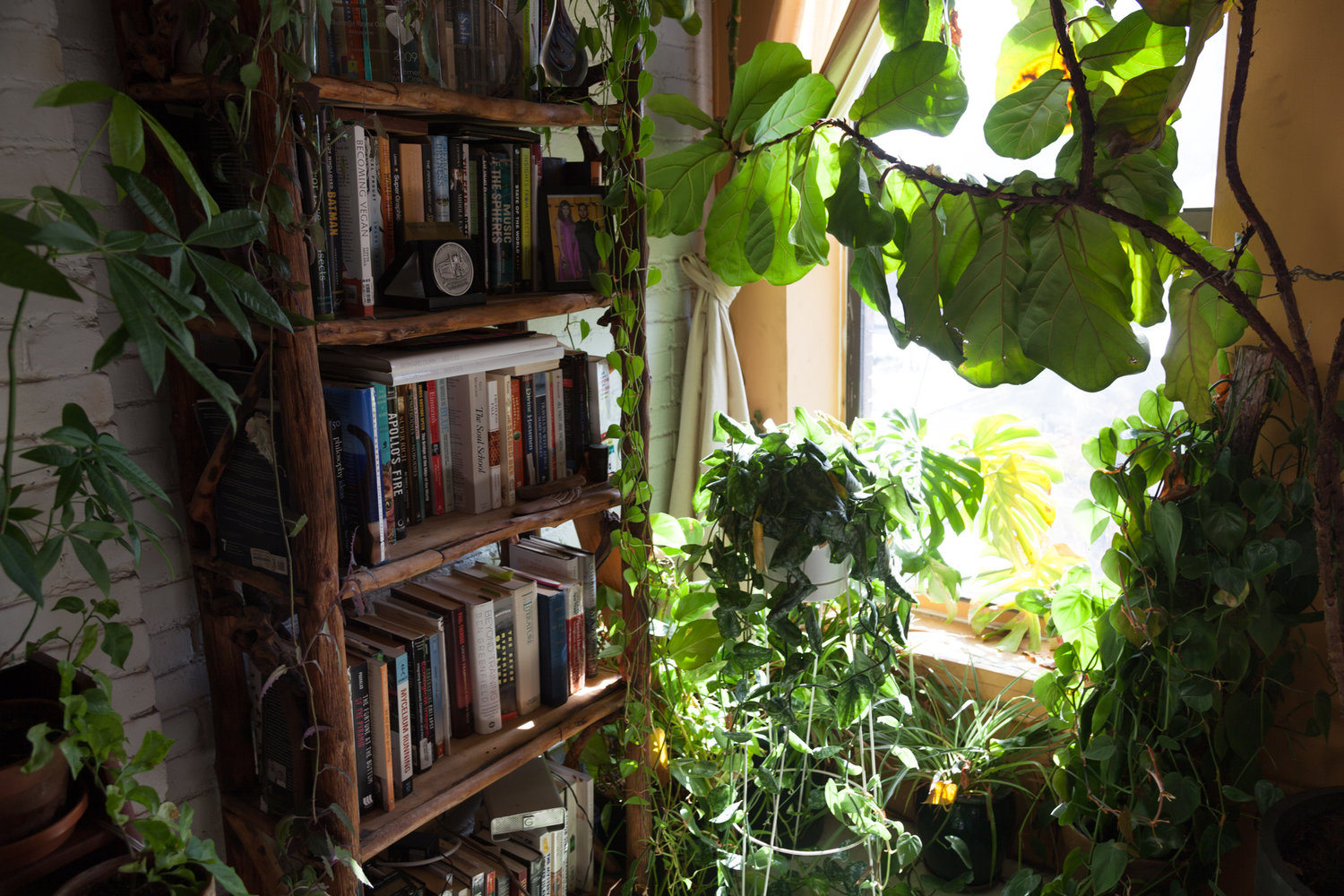
Credit: homesteadbrooklyn.com
Essential Tools And Supplies
Growing a garden indoors requires essential tools like grow lights and pots. Soil, seeds, and watering cans are must-haves. Proper ventilation helps plants thrive indoors.
Growing a garden indoors requires the right tools and supplies. These essentials ensure your plants thrive in a controlled environment. From the right containers to nutritious soil, each element plays a crucial role. Let’s dive into the basics you need.Containers And Pots
Selecting the right containers is vital for indoor gardening. Choose pots with drainage holes to prevent waterlogging. Size matters too. Ensure they fit your plant’s growth needs. Materials like plastic, ceramic, or clay each have benefits. Plastic is lightweight and affordable. Ceramic and clay offer stability and aesthetics. Consider your space and plant type when choosing.Soil And Fertilizers
The soil is the foundation of your indoor garden. Use a well-draining potting mix for best results. Avoid garden soil, which might not drain well indoors. Enrich your soil with organic matter. Compost and peat moss are good options. Fertilizers provide essential nutrients for growth. Choose slow-release fertilizers for steady nourishment. Liquid fertilizers work for quick nutrient boosts. Always follow instructions for safe and effective use.Selecting Plants For Indoor Growth
Choosing the right plants ensures successful indoor gardening. Consider light, space, and maintenance needs. Opt for hardy varieties like pothos, snake plants, or succulents.
Selecting the right plants for indoor growth is essential for a thriving garden. Choose plants that adapt well to indoor conditions. Consider lighting, space, and maintenance needs. Some plants flourish indoors with minimal effort. Let’s explore options suitable for herbs, vegetables, and ornamental plants.Herbs And Vegetables
Herbs are perfect for indoor gardens. They require little space and thrive in pots. Basil, mint, and parsley grow well on windowsills. They need bright light and regular watering. Vegetables like cherry tomatoes and peppers can also be grown indoors. These need more light and larger pots. Use grow lights if sunlight is insufficient. Fresh herbs and vegetables add flavor to meals. Growing them indoors ensures year-round availability.Ornamental Plants
Ornamental plants add beauty and color to indoor spaces. Choose plants with attractive foliage or flowers. Snake plants and pothos are low-maintenance options. They tolerate low light and irregular watering. Peace lilies and orchids add elegance with their blooms. Ensure they get indirect light and humidity. Succulents are trendy and easy to care for. They need bright light and minimal watering. Ornamental plants enhance the decor and improve air quality indoors.Setting Up Indoor Lighting
Brighten your indoor garden with the right lighting setup. Use LED or fluorescent lights to mimic sunlight. Position lights close to plants for optimal growth. Adjust light duration to match plant needs, usually 12-16 hours daily. Proper lighting fosters healthy, thriving indoor plants.
Setting up indoor lighting is crucial for growing a thriving garden indoors. It’s the key to providing plants with the necessary light they need to photosynthesize and grow. Without proper lighting, your plants may struggle, resulting in stunted growth or even death. Let’s delve into the specifics of choosing the right grow lights and understanding how to position them effectively.Types Of Grow Lights
Choosing the right grow lights can be overwhelming with so many options available. LED lights are popular for indoor gardening due to their energy efficiency and long lifespan. They emit a full spectrum of light, mimicking natural sunlight, which is essential for plant growth. Fluorescent lights, on the other hand, are less expensive and work well for small spaces. They are ideal for seedlings and smaller plants. High-Intensity Discharge (HID) lights are powerful and best suited for larger plants and spaces, though they consume more energy. Each type of light has its unique benefits. Consider your specific gardening needs to choose the most suitable option.Positioning And Installation
Positioning your grow lights correctly is just as important as choosing the right type. Ensure that the lights are positioned close enough to provide ample light but not so close that they cause heat damage. A general rule of thumb is to keep LEDs about 12-18 inches above the plants. Install your lighting system securely, ensuring that it can be adjusted as your plants grow. You might want to use adjustable chains or pulleys to make it easy to move the lights as needed. Think about the hours of light your plants need. Most indoor plants require 12-16 hours of light per day. You can use timers to automate this process, ensuring your plants receive consistent light daily. Are you ready to experiment with different setups to see what works best for your indoor garden? Engage in a bit of trial and error to tailor the lighting to your plants’ needs.Watering And Maintenance
Growing a garden indoors can be a rewarding experience. With the right watering and maintenance techniques, your plants will thrive. Indoor gardening requires a bit more attention to detail than outdoor gardening. This section covers essential watering and maintenance practices to keep your indoor plants healthy and vibrant.
Watering Techniques
Watering indoor plants requires a delicate balance. Overwatering can lead to root rot, while underwatering can cause wilting. Check the soil moisture regularly. Insert your finger about an inch into the soil. If it feels dry, it’s time to water. Use a watering can with a narrow spout. This helps you control the flow and avoid splashing water on the leaves.
Consider the type of plant. Succulents need less frequent watering than tropical plants. Use room temperature water to avoid shocking the roots. Ensure pots have drainage holes. Excess water should escape to prevent root rot.
Pruning And Trimming
Pruning is crucial for indoor plant health. It encourages new growth and removes dead or yellowing leaves. Use sharp scissors or pruning shears for clean cuts. Focus on stems that look unhealthy or misshaped. Trimming helps maintain a tidy appearance and supports better light penetration.
Regularly check your plants for pests or diseases. Early detection allows for quick action. Remove any infested leaves to protect the rest of the plant. Maintaining cleanliness around your garden area can prevent pest problems. Keep leaves free of dust by gently wiping them with a damp cloth.
Pest Control And Disease Management
Growing a garden indoors brings the beauty and benefits of nature into your home, but it also presents unique challenges, especially in managing pests and diseases. You’ll need to identify threats early and take proactive measures to keep your indoor sanctuary thriving. Let’s dive into how to spot common pests and explore both natural and chemical solutions to keep your plants healthy.
Identifying Common Pests
It’s essential to know your enemies. Common indoor garden pests include aphids, spider mites, and whiteflies. These tiny invaders can wreak havoc on your plants if left unchecked. But how can you tell if they’re present?
- Aphids:Look for clusters of tiny insects on new growth or undersides of leaves. They often leave a sticky residue.
- Spider Mites:Keep an eye out for fine webbing and tiny specks, especially when the air is dry.
- Whiteflies:Watch for small white bugs fluttering around your plants when disturbed.
Regularly inspect your plants to catch these pests early. What’s the harm in a little extra vigilance?
Natural And Chemical Solutions
Once you’ve identified the pests, it’s time to decide on a treatment plan. Do you prefer natural remedies or chemical solutions? Each has its benefits, and the choice often depends on personal preference and the severity of the infestation.
- Natural Solutions:Consider using neem oil or insecticidal soap. These are effective against many pests and are safe for indoor use.
- Chemical Solutions:For severe infestations, you might opt for chemical pesticides. Ensure they’re safe for indoor use and follow the instructions carefully.
Have you tried introducing beneficial insects like ladybugs? They can be a natural ally in your pest control efforts. Wouldn’t it be fascinating to see them patrol your plants?
Remember, balance is key. Overusing chemicals can lead to resistant pests and harm your plants, so use them judiciously.
Maximizing Growth And Yield
Creating a thriving indoor garden involves choosing the right plants and providing adequate light and water. Use containers that ensure proper drainage and monitor soil moisture levels consistently. By optimizing temperature and humidity, you can boost both growth and yield effectively.
Maximizing Growth and Yield Growing a garden indoors can be a rewarding venture, offering you fresh produce and lush greenery all year round. However, to truly benefit from your indoor gardening efforts, it’s crucial to maximize growth and yield. This involves understanding how to optimize plant nutrition and leveraging advanced growth techniques.Optimizing Plant Nutrition
Nutrition is the cornerstone of any successful indoor garden. Plants need a balanced diet of nutrients to thrive. Consider using organic fertilizers, which release nutrients slowly and improve soil health. Invest in a good quality potting mix that includes essential nutrients. Supplement with liquid fertilizers during the growth phase for an extra boost. Monitor your plants closely. Are the leaves vibrant and healthy? Adjust nutrient levels based on plant appearance and growth rate.Advanced Growth Techniques
Once you’ve mastered the basics, it’s time to explore advanced techniques to boost your garden’s yield. Employing hydroponics can be a game-changer, as it allows plants to grow without soil, using nutrient-rich water solutions. Experiment with vertical gardening, which maximizes space. This is especially useful for urban dwellers looking to expand their plant collection in limited areas. Consider using grow lights to mimic sunlight. LED grow lights are energy-efficient and can be tailored to the specific needs of your plants. Does your garden have a healthy growth rate? Implementing these techniques can make a significant difference in your indoor garden’s productivity. What’s stopping you from trying these innovative methods?Seasonal Considerations
Growing a garden indoors requires adjusting to seasonal changes. Consider the amount of natural light available. Use grow lights during shorter days to ensure plants receive enough light.
Growing a garden indoors is a rewarding journey, offering the joy of nature right inside your home. However, as seasons change, so do the needs of your indoor plants. Understanding how to adapt your care routine according to the season is crucial for thriving indoor greenery. Let’s explore how you can ensure your indoor garden flourishes year-round by considering seasonal adjustments.Adjusting For Winter Months
During winter, your indoor garden faces challenges like reduced sunlight and lower temperatures. Consider placing your plants near south-facing windows to maximize their exposure to natural light. If natural light is insufficient, using grow lights can effectively supplement. Temperature control is essential. Keep your plants away from cold drafts and heating vents. This helps maintain a stable environment. Watering needs might also change, as plants generally require less water in winter. Check the soil moisture regularly to avoid overwatering.Summer Care Tips
Summer brings more sunlight, but it can also mean increased heat and potential dehydration for your plants. Position your plants where they receive indirect sunlight to prevent leaf scorching. Regular watering becomes more crucial. Ensure the soil remains consistently moist, but not waterlogged. Consider misting your plants to increase humidity, especially for tropical varieties. With increased growth during summer, you might find your plants needing more nutrients. Regularly feed them with a balanced fertilizer to support their development. How do your plants respond to seasonal changes? Observing and adapting your care routine is part of the joy of indoor gardening.Troubleshooting Common Problems
Troubleshooting common problems in indoor gardening involves solving issues like inadequate light, poor soil, and pests. Ensure proper lighting, choose quality soil, and monitor humidity levels to create a thriving indoor garden. Regularly checking plants for signs of distress can prevent bigger problems and promote healthy growth.
Growing a garden indoors can be a rewarding endeavor, but it isn’t without its challenges. From wilting leaves to stunted growth, indoor plants can sometimes throw unexpected curveballs. Addressing these common problems with a keen eye and a bit of patience can transform your indoor garden from frail to flourishing. Let’s dive into some practical solutions to get your indoor garden back on track.Addressing Growth Issues
If your plants aren’t growing as expected, it might be time to reassess their environment. Light is often the primary culprit. Ensure your plants receive adequate sunlight or consider using grow lights to supplement. Place them close enough to benefit the plants but not so close that they cause heat stress. Watering can also be tricky. Overwatering is a common mistake, leading to root rot. Check the soil moisture before watering; it should feel dry a couple of inches below the surface. Use pots with drainage holes to prevent water from sitting at the bottom. Nutrient deficiency might be another reason for stunted growth. Consider adding a balanced fertilizer to your routine. However, avoid over-fertilizing as it can lead to salt buildup, harming your plants.Reviving Unhealthy Plants
Notice yellowing leaves or drooping stems? Start by examining the roots. Healthy roots are firm and white, while unhealthy ones are brown and mushy. If root rot is present, trim away the damaged roots and repot the plant in fresh soil. Pests can also wreak havoc on your indoor garden. Common indoor pests include spider mites, aphids, and mealybugs. Combat them using natural solutions like neem oil or insecticidal soap. Regularly inspect plants for signs of infestation to catch issues early. Humidity is crucial for indoor plants. Many indoor environments are too dry, especially in winter. Increase humidity by misting plants, grouping them together, or using a humidifier. This can often revive plants struggling in arid conditions. Have you encountered any of these problems in your indoor garden? How did you tackle them? Solving these common issues can make a significant difference in the health and happiness of your indoor plants.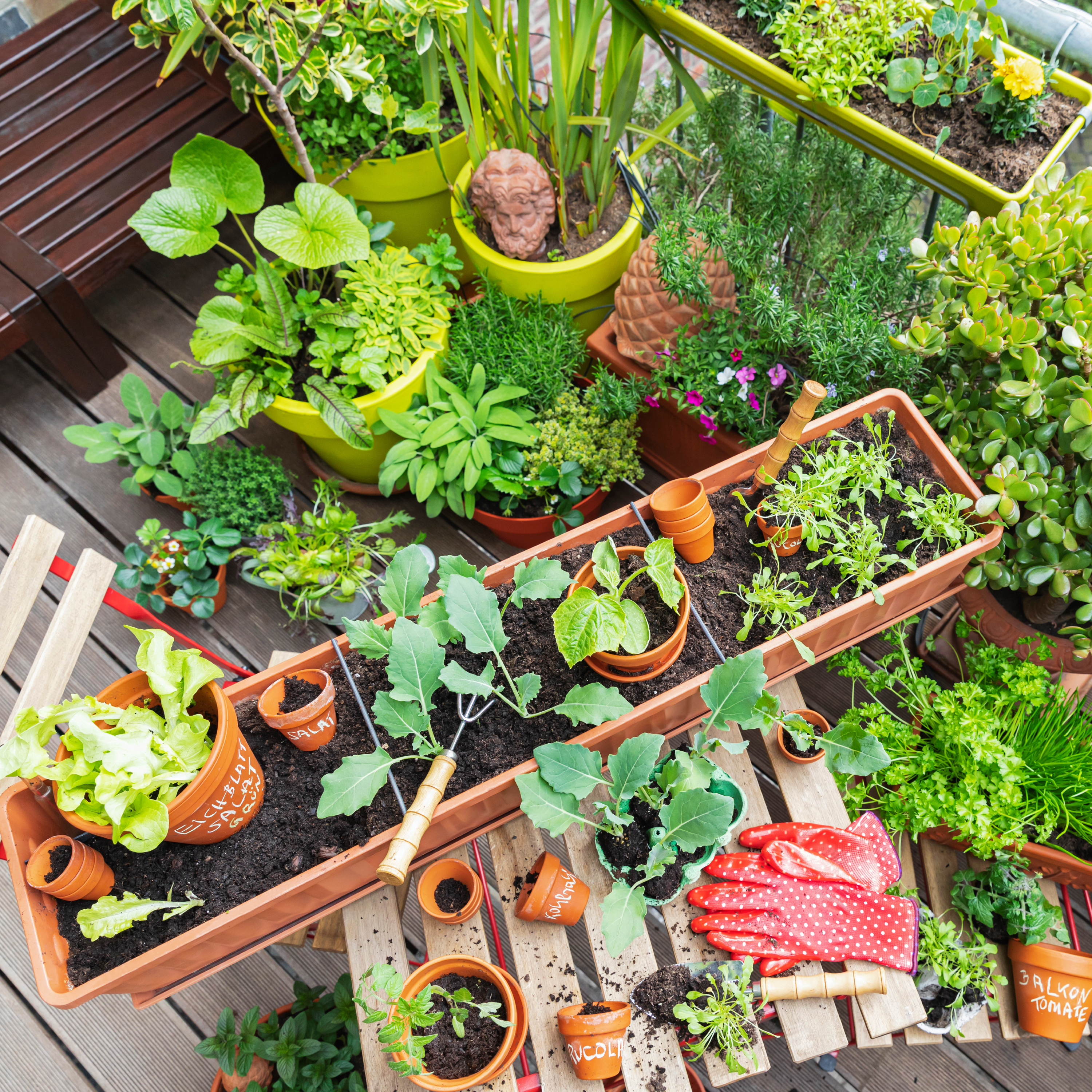
Credit: www.gardeningknowhow.com
Credit: www.wired.com
Frequently Asked Questions
Can You Grow A Garden Inside Your House?
Yes, growing a garden indoors is possible. Use pots or containers, choose suitable plants, and ensure proper lighting. Indoor gardens can thrive with regular watering, good soil, and proper care. Herbs, succulents, and small vegetables are ideal for indoor gardening.
Enjoy fresh produce and greenery at home.
What 7 Things Do Plants Need To Grow Indoors?
Plants need light, water, air, nutrients, temperature, humidity, and space to grow indoors effectively. Ensure they receive adequate sunlight or artificial light, maintain proper watering schedules, provide essential nutrients, regulate temperature and humidity levels, and offer enough space for root development.
What Vegetables Grow Well Indoors?
Spinach, lettuce, and kale grow well indoors. Carrots and radishes thrive in containers. Herbs like basil, cilantro, and mint are ideal for indoor gardening. Ensure adequate light and proper watering for success.
What Is The Best Way To Grow Plants Indoors?
Use LED grow lights for optimal lighting indoors. Ensure proper ventilation and humidity levels. Choose suitable potting soil and containers. Water plants consistently, avoiding overwatering. Select indoor-friendly plant varieties for best results.
Conclusion
Indoor gardening offers a rewarding experience. It brings nature closer to home. Choose the right plants for your space. Ensure adequate light and water. Watch them thrive with care and patience. Enjoy fresh herbs and beautiful flowers year-round. Feel the joy of nurturing life indoors.
It’s simple, yet fulfilling. A perfect hobby for all ages. Improve your home environment. Breathe cleaner air. Experience the calming effects of green spaces. Start small and expand gradually. Indoor gardens grow with love and attention. Explore, learn, and enjoy every step of the journey.
Your indoor garden awaits!


