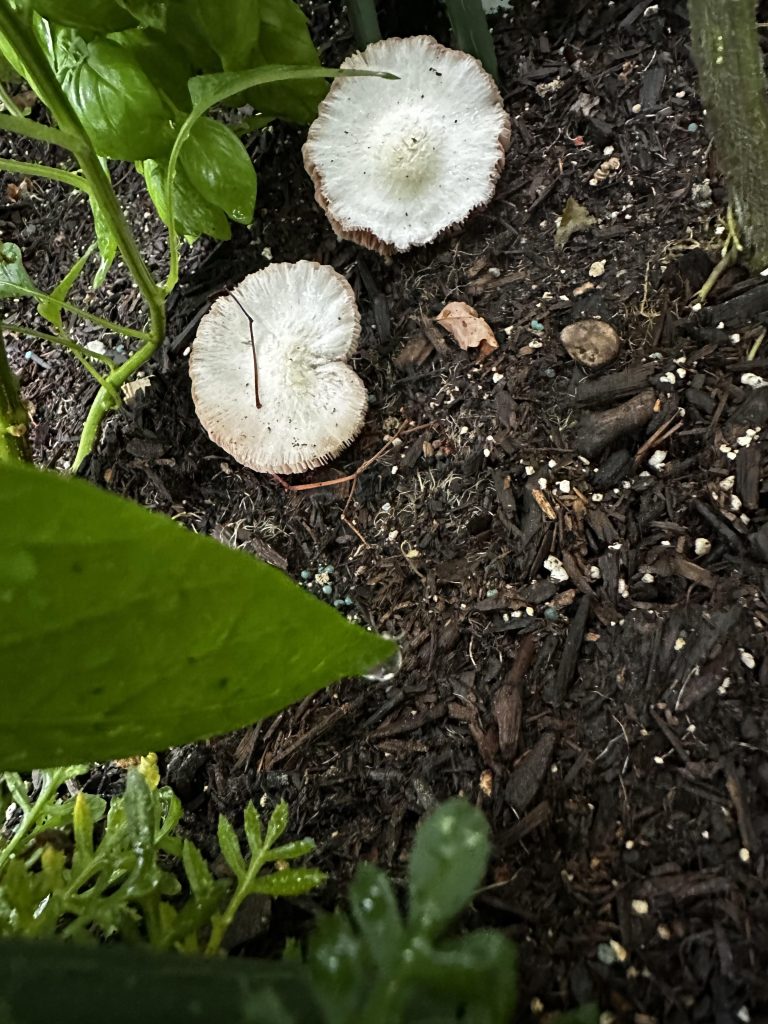
Have you recently noticed a sudden appearance of mushrooms in your garden? You might be wondering why they’re sprouting up seemingly out of nowhere.
The truth is, mushrooms can be both fascinating and puzzling. While some might see them as an unwelcome guest, others may appreciate their unique beauty and the ecological benefits they bring. Understanding why these fungi have chosen your garden can reveal a lot about the health of your soil and the environment around you.
Stick around to discover the reasons behind their growth, and learn how they can actually be a sign of good fortune for your garden. Your garden’s hidden secrets are waiting to be uncovered, and you won’t want to miss the surprising insights this article has to offer!

Credit: www.reddit.com
Common Causes Of Mushroom Growth
Mushrooms often sprout in gardens due to damp soil conditions. Organic matter, like decaying leaves, encourages growth. Shade from trees can also create a favorable environment for mushroom development.
Mushrooms in the garden can surprise many gardeners. They often pop up overnight, leaving you puzzled. Understanding their growth can help manage them. Here’s what might be causing mushrooms to flourish in your garden.Soil Conditions
Mushrooms thrive in certain soil types. Acidic soils often support fungal growth. Soil pH plays a crucial role. Mushrooms prefer soils with lower pH levels. Testing your soil can reveal its pH level. Amend soil to reduce mushroom-friendly conditions.Moisture Levels
Moisture is a key factor in mushroom growth. Mushrooms need damp conditions to grow. Overwatering your garden can create these conditions. Poor drainage can also trap moisture. Ensure your garden drains well. Adjust watering habits to avoid excess moisture.Organic Matter Presence
Mushrooms feed on organic matter. Decaying leaves, wood, and plant debris attract them. A garden rich in organic material is ideal for mushrooms. Regularly clean up fallen leaves and debris. Composting away from garden beds can help. Remove old mulch to limit mushroom growth.Types Of Mushrooms In Gardens
Mushrooms sprouting in your garden can be a curious sight. They come in various types, each with unique characteristics. Understanding these types helps in managing their presence effectively. Let’s explore the types of mushrooms commonly found in gardens.
Edible Varieties
Some mushrooms in gardens are safe to eat. They can add flavor to dishes. The most common edible variety is the Agaricus bisporus, also known as the button mushroom. It’s often white or brown and has a round cap. Another edible type is the Oyster mushroom. It grows in a fan shape and has a soft texture. The Shiitake mushroomis also edible and grows on wood. It has a rich, savory flavor.
Poisonous Types
Some garden mushrooms can be harmful. The Amanitaspecies are highly toxic. They are often white or red with white spots. Consumption can lead to severe illness or death. The Death Capis another dangerous type. It has a greenish cap and white gills. The False Morelcan also be poisonous. It resembles the edible morel but is toxic if not cooked properly.
Benefits Of Mushrooms In Gardens
Mushrooms in gardens indicate healthy soil and help decompose organic matter. They enrich soil nutrients, promoting plant growth. Their presence is a sign of a thriving garden ecosystem.
Mushrooms in gardens are often seen as a nuisance. Yet, they offer surprising benefits. These fungi play a crucial role in maintaining a healthy garden ecosystem. By understanding their contributions, you can appreciate why they appear in your garden.Soil Health Improvement
Mushrooms break down organic matter in the soil. This process enriches the soil with nutrients. These nutrients are essential for plant growth. Mushrooms also help in decomposing dead plants and leaves. This decomposition process improves soil structure. Healthy soil retains water better and supports plant roots. Their presence indicates a balanced and thriving soil environment.Biodiversity Enhancement
Mushrooms contribute to garden biodiversity. They support a variety of life forms. Many insects and small creatures rely on mushrooms for food. This increase in biodiversity helps control pests naturally. A diverse garden is more resilient to diseases. It can recover faster from environmental stress. Mushrooms create a habitat for beneficial organisms. This promotes a balanced and healthy garden ecosystem.
Credit: www.chicagotribune.com
Potential Risks Of Garden Mushrooms
Mushrooms in your garden might signal potential risks. Some varieties are toxic and can pose dangers to children and pets. Identifying and understanding these mushrooms helps keep your garden safe.
Having mushrooms pop up in your garden can be a curious sight. While they may seem harmless or even charming, these fungi can pose certain risks that you might not have considered. Knowing these risks can help you decide whether you need to take action or let them be.Health Hazards
Mushrooms in your garden can be a health risk, especially if you have pets or children. Many mushroom species are toxic and can cause serious health issues if ingested. Even a small nibble can lead to symptoms ranging from mild stomach upset to severe poisoning. Imagine the curiosity of a child or pet who mistakes a mushroom for a harmless snack. It’s crucial to identify the types of mushrooms growing in your garden. You might want to consult a local expert or use a reliable identification app. Another health hazard is the potential for allergic reactions. Some people may experience skin irritation or respiratory issues when handling or being near certain fungi. Consider wearing gloves and a mask if you decide to remove them.Impact On Plant Growth
You might wonder if mushrooms affect the growth of your garden plants. The answer can be both yes and no. While some mushrooms form beneficial relationships with plants, others might indicate underlying issues. Mushrooms often thrive in damp, decaying organic matter. Their presence could suggest that your soil is retaining too much moisture, which might not be ideal for all plants. You may need to adjust your watering habits or improve drainage. On the other hand, mushrooms can break down organic matter, enriching the soil with nutrients. This can be beneficial for your plants, acting as a natural compost. However, if they’re overtaking your garden, they might be competing with your plants for resources. Have you noticed any impact on your plants due to mushrooms? Observing changes can help you decide whether to let them stay or take action. Balancing these factors can lead to a healthier garden ecosystem.Management And Control Strategies
Mushrooms often appear in gardens due to excess moisture and organic matter. Improving soil drainage and removing decaying plants can help control their growth. Regularly aerating the soil and maintaining proper garden hygiene are effective strategies for managing these fungi.
Managing and controlling mushroom growth in your garden can feel like a daunting task. However, with a few practical strategies, you can take charge of the situation. Whether you’re dealing with a sudden mushroom bloom or looking to prevent future occurrences, understanding these management techniques can make all the difference.Mushroom Removal Techniques
Start by removing mushrooms as soon as you spot them. This prevents them from spreading spores and multiplying. Use gloves or a spade to gently pull them out, making sure to get the entire mushroom, including the base. Dispose of the mushrooms in a sealed bag to prevent spores from spreading. Avoid adding them to your compost pile, as this could encourage further growth. For a more thorough approach, consider adjusting the soil’s pH. Mushrooms thrive in acidic environments, so adding lime can help neutralize the soil and deter mushroom growth.Prevention Methods
Improving drainage can significantly reduce mushroom growth. Mushrooms love damp environments, so ensure your garden doesn’t have standing water or overly moist areas. Aerate the soil regularly. This increases oxygen levels and reduces the favorable conditions for mushrooms. You can use a garden fork or an aerator tool for this purpose. Regularly remove organic debris like fallen leaves and decaying wood. These materials provide the nutrients mushrooms need to thrive. Consider planting ground cover plants. They compete with mushrooms for nutrients and space, making it harder for mushrooms to establish themselves. Have you tried any of these methods in your garden? Implementing these strategies can create a healthier and more manageable garden environment.
Credit: www.yahoo.com
Cultural Significance Of Mushrooms
Mushrooms in your garden often signify healthy soil and a thriving ecosystem. They play a crucial role in breaking down organic matter, enriching the ground. This natural process highlights their cultural and ecological importance, linking past traditions to modern gardening practices.
Mushrooms have captivated human interest for centuries. Their unique shapes and vibrant colors often inspire awe. In many cultures, mushrooms hold a special place due to their mysterious growth patterns. They appear suddenly and disappear just as quickly. This enigmatic nature has led to various cultural beliefs and practices centered around mushrooms.Symbolism In Folklore
Mushrooms often symbolize transformation and mystery in folklore. They appear overnight, hinting at unseen forces at work. Many tales depict mushrooms as homes for fairies or spirits. This gives them a magical aura, linking them to the supernatural world. In European folklore, fairy rings, circles of mushrooms, are seen as portals to other realms. These myths enhance their cultural significance, making mushrooms a staple in storytelling.Uses In Traditional Medicine
Mushrooms have been used in traditional medicine for centuries. Many cultures believe they possess healing properties. Some mushrooms are known for their ability to boost immunity. Others are used to treat specific ailments. In Chinese medicine, mushrooms are a common ingredient in herbal remedies. They are believed to improve vitality and promote well-being. Their medicinal uses continue to be explored today, highlighting their enduring significance.Frequently Asked Questions
Should I Remove Mushrooms From My Garden?
Remove mushrooms if they are harmful or unsightly. Many mushrooms benefit soil health and decompose organic matter. Identify mushrooms before removal to ensure safety. If unsure, consulting with a local expert can help determine their impact on your garden.
Is It Okay For Mushrooms To Grow In Your Garden?
Mushrooms growing in your garden are generally safe and indicate healthy soil. They help decompose organic matter, enriching the soil. Avoid consuming wild mushrooms without identification, as some can be toxic. Regular garden maintenance can control unwanted growth. Embrace their presence as a natural part of your garden ecosystem.
How Do I Stop Mushrooms From Growing In My Garden?
Remove mushrooms by maintaining proper drainage and aeration. Apply a fungicide if necessary. Clear debris and organic material to prevent spores. Regularly mow and trim plants to reduce shade and moisture. Adjust soil pH by adding lime to discourage growth.
What Does It Mean When Mushrooms Grow In The Garden?
Mushrooms in the garden indicate healthy soil rich in organic matter. They thrive in moist, shaded areas. Their presence suggests proper decomposition and nutrient cycling. While generally harmless, some mushrooms can be toxic. It’s essential to identify them before touching or consuming.
Removing them isn’t necessary unless they become bothersome.
Conclusion
Mushrooms in your garden can be a sign of healthy soil. They break down organic matter, enriching the earth. Their presence shows good moisture levels and proper nutrients. Keep your garden tidy to manage their growth. Remove debris and maintain balance.
Not all mushrooms are harmful, though. Some benefit plants. Understanding their role helps you care for your garden better. Observe changes and learn to adapt. A well-managed garden thrives with or without mushrooms. Stay curious and enjoy the beauty of nature’s cycle.
Embrace the mystery they add to your garden landscape.


