Are you considering adding cedar mulch to your vegetable garden but unsure if it’s the right choice? You’re not alone.
Choosing the best mulch can feel like a daunting decision, especially when you want to nurture your garden to its fullest potential. Cedar mulch is known for its appealing aroma and natural insect-repelling properties, but does it truly benefit your veggies?
We’ll delve into the advantages and potential drawbacks of using cedar mulch in your vegetable garden. You’ll discover how it can influence soil health, plant growth, and pest management. Keep reading to find out if cedar mulch is the secret ingredient your garden has been missing.
Benefits Of Cedar Mulch
Is Cedar Mulch Good for Vegetable Garden Cedar mulch offers excellent moisture retention, helping keep vegetable gardens hydrated. It naturally repels insects, reducing pest problems. Its slow decomposition provides a steady release of nutrients, enriching the soil over time.
Planting a vegetable garden can be a rewarding experience, but it requires attention and care. One effective way to nurture your garden is by using cedar mulch. Cedar mulch offers several benefits that can enhance the growth and health of your vegetables. Curious about how cedar mulch can make your gardening life easier and more fruitful? Let’s dive into the specific advantages it provides.Moisture Retention
Cedar mulch acts like a protective blanket for your soil, significantly improving moisture retention. This means less frequent watering and more consistent hydration for your plants. Imagine the relief of knowing your garden can thrive even during those busy weeks when watering slips your mind. The mulch helps keep the soil cool and prevents evaporation, offering your plants a more stable environment.Weed Suppression
Nothing dampens the joy of gardening like a persistent weed problem. Cedar mulch helps suppress weed growth by blocking sunlight and creating a physical barrier. This reduces the need for constant weeding, allowing you to focus more on nurturing your vegetables. It’s a simple addition that can save you countless hours of tedious labor, making your gardening experience more enjoyable and productive.Pest Repellent Properties
One surprising benefit of cedar mulch is its natural ability to repel pests. The aromatic oils in cedar are deterrents to many insects, protecting your garden from potential infestations. Have you ever wondered how to keep those pesky bugs at bay without harsh chemicals? Cedar mulch offers a gentle, effective solution, ensuring your vegetables grow in a healthier, pest-free environment.Aesthetic Appeal
Besides its functional benefits, cedar mulch adds a touch of natural beauty to your garden. Its rich, warm color provides a visually appealing contrast to the vibrant greens of your vegetables. This aesthetic upgrade can turn your garden into a serene and inviting space. Who wouldn’t want their garden to be as pleasing to the eyes as it is productive? Incorporating cedar mulch into your vegetable garden is a practical choice that brings multiple benefits. From moisture retention to pest repellent properties, it supports a thriving, beautiful garden. Have you considered using cedar mulch in your gardening efforts? You might find that it transforms your garden into a more manageable and rewarding project.
Credit: www.gardeningknowhow.com
Drawbacks Of Cedar Mulch
Cedar mulch can sometimes be too acidic for vegetable gardens, affecting plant growth. It may also repel beneficial insects needed for pollination.
Cedar mulch is often celebrated for its natural insect-repelling properties and aesthetic appeal. However, like any gardening choice, it comes with its own set of drawbacks. Understanding these can help you make a more informed decision for your vegetable garden.Potential Soil Acidity
One potential issue with cedar mulch is its impact on soil acidity. Cedar mulch can sometimes lower the pH of your soil, making it more acidic. This might not be a big deal for plants that thrive in acidic conditions, but it can be problematic for vegetables that prefer neutral or alkaline soils. Consider testing your soil’s pH before and after applying cedar mulch. If you notice a significant change, you might need to adjust your soil with lime or other amendments. This extra step can be cumbersome if you’re aiming for a low-maintenance garden.Allelopathic Effects
Cedar trees naturally produce chemicals to inhibit the growth of competing plants. These allelopathic effects can sometimes extend to your vegetable garden when cedar mulch is used. While the impact is often minimal, certain sensitive plants might struggle to establish themselves. Imagine planting your favorite veggies, only to find them stunted. This scenario, although rare, is something to keep in mind. You might want to test the mulch on a small section first to observe any adverse effects.Cost Considerations
Cedar mulch is often more expensive than other types of mulch. This can be a significant factor if you have a large garden or are working within a tight budget. While the initial cost might seem justified by its long-lasting nature and pest-repelling benefits, it’s essential to weigh these against your financial constraints. Ask yourself if the benefits of cedar mulch justify its cost in your specific situation. Could a cheaper alternative, like straw or wood chips, provide similar benefits for your garden? Balancing cost against advantages is key to making the right choice for your vegetable garden.Comparing Cedar Mulch With Other Mulch Types
Cedar mulch offers a natural pest deterrent, making it a popular choice for vegetable gardens. Its pleasant aroma can repel insects, protecting plants effectively. Unlike other mulch types, cedar provides long-lasting coverage, reducing the need for frequent replacement.
When deciding on the best mulch for your vegetable garden, cedar mulch often stands out as a popular choice. But how does it compare to other types of mulch? Let’s break down the differences to help you choose the right mulch for your garden.Wood Chips Vs. Cedar
Wood chips are a common alternative to cedar mulch, offering a natural look to your garden. However, cedar mulch has a distinct advantage with its aromatic properties, which can deter pests. Wood chips, on the other hand, decompose faster, enriching the soil quicker. But if longevity and pest resistance are your priorities, cedar might be the better choice. Think about your garden’s needs; do you need quick soil enrichment or long-term pest control?Straw Vs. Cedar
Straw mulch is often used in vegetable gardens due to its affordability and ability to retain moisture. Cedar mulch, while more expensive, provides a more aesthetically pleasing appearance and better weed suppression. Straw tends to break down rapidly, requiring frequent replenishment, whereas cedar mulch lasts longer, reducing the need for constant maintenance. Consider your budget and the time you have for garden upkeep when choosing between these two.Pine Bark Vs. Cedar
Pine bark mulch is another popular choice, known for its ability to improve soil structure as it breaks down. Cedar mulch, however, offers more stability and pest-repelling properties. While pine bark can improve soil aeration over time, cedar mulch’s resistance to decay means it doesn’t need replacing as often. Ask yourself, are you looking for soil improvement or a low-maintenance solution?Best Practices For Using Cedar Mulch
Using cedar mulch in a vegetable garden can be beneficial. It helps retain moisture, suppress weeds, and improve soil health. To maximize these benefits, follow best practices for its use. This guide will cover essential techniques and considerations for applying cedar mulch effectively.
Application Techniques
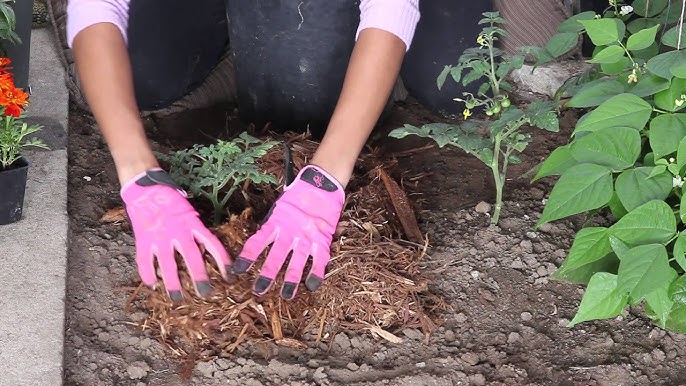
Start by preparing the soil. Remove any weeds or debris. Spread the mulch evenly around your plants. Ensure it does not touch the stems. This prevents rot and disease. Use a rake for even distribution. Keep the mulch layer loose. This allows air and water to reach the roots.
Layer Thickness Recommendations
The ideal mulch layer is 2-3 inches thick. Too thin, and it won’t suppress weeds. Too thick, and it may block water and air. Adjust the thickness based on your climate. In dry areas, use a thicker layer. In wet climates, a thinner layer may suffice.
Seasonal Considerations
Apply cedar mulch in spring or fall. In spring, it helps retain moisture from rain. In fall, it insulates the soil against frost. Remove old mulch before applying new layers. This prevents mold and pests. Monitor the mulch through seasons. Adjust as needed for optimal plant health.
Cedar Mulch And Vegetable Growth
Cedar mulch offers protection against weeds and retains soil moisture. Its natural oils repel pests, benefiting vegetable growth. While it can enhance garden aesthetics, ensure its thickness is moderate to avoid nitrogen depletion in the soil.
Cedar mulch has long been a popular choice for gardeners, not just for its aromatic appeal, but also for its practicality. But when it comes to using it in a vegetable garden, some wonder if it truly supports vegetable growth or if it hinders it. From affecting soil temperature to nutrient availability, cedar mulch plays a significant role in the health and productivity of your vegetable garden. Let’s dive into how cedar mulch can impact your vegetable patch and what you need to keep in mind.Impact On Soil Temperature
Cedar mulch acts as an insulating layer on your soil, which can have both positive and negative effects. In the summer, it helps keep the soil cool by blocking excessive heat, which is essential for vegetables that thrive in moderate temperatures, like lettuce and spinach. However, in cooler seasons, this same insulating quality might delay soil warming, potentially impacting the germination of seeds. A friend once told me how her tomato plants seemed sluggish in early spring. She realized her cedar mulch was keeping the soil too cool. By adjusting the amount of mulch, she found the right balance, and her tomatoes thrived.Effect On Nutrient Availability
Cedar mulch is known for its slow decomposition rate, which means it doesn’t break down quickly to add nutrients to the soil. While this can be a downside if you’re relying solely on mulch for nutrients, it’s easily remedied by supplementing with compost or organic fertilizers. Interestingly, cedar mulch can also help in retaining soil moisture, which is crucial in preventing nutrient leaching. Have you ever noticed how some plants seem to wilt during dry spells? By using cedar mulch, you can help maintain a consistent moisture level, ensuring your vegetables get the nutrients they need.Influence On Plant Health
Cedar mulch is praised for its natural pest-repelling properties. Its aromatic oils deter many insects, potentially reducing the need for chemical pesticides in your garden. This means you can enjoy healthier, more organic vegetables straight from your garden. But what about your plants’ root systems? Cedar mulch can help maintain a stable environment for roots, protecting them from extreme weather conditions. Picture your vegetable garden flourishing with robust plants, each one a testament to the protective benefits of cedar mulch. So, is cedar mulch good for your vegetable garden? With the right approach and mindful adjustments, it can indeed be a valuable ally in promoting healthy vegetable growth. What changes will you make in your garden to see the benefits for yourself?
Credit: www.rasnetwork.org
Environmental Impact
Cedar mulch can protect vegetable gardens by retaining moisture and preventing weeds. It offers a natural barrier against pests, enhancing plant health. Its aromatic scent also adds beauty and charm to garden spaces.
Cedar mulch is popular for gardens. But, what about its environmental impact? This is important for eco-conscious gardeners. Knowing how it affects the planet can guide your choices.Sustainability Factors
Cedar trees grow slowly. Overharvesting them can harm forests. Responsible sourcing of cedar mulch is key. Look for suppliers with sustainable practices. They should harvest cedar without damaging ecosystems. Check for certifications, like FSC, which ensure responsible forest management. This helps maintain biodiversity.Biodegradability
Cedar mulch breaks down slowly. This is both good and bad. It lasts longer, reducing the need for frequent replacement. But, slow decomposition means it stays in the soil longer. This can affect soil quality over time. Cedar mulch releases natural oils. These oils may repel insects but can also affect soil organisms. Understanding biodegradability helps in making informed garden choices.Personal Experiences And Case Studies
Exploring the benefits of cedar mulch in vegetable gardens can be enlightening. Many gardeners have shared their personal experiences, providing valuable insights. Case studies also offer practical examples of how cedar mulch performs.
Gardener Testimonials
Several gardeners have praised cedar mulch for its effectiveness. John from Ohio mentions how his tomato plants thrived with cedar mulch. He noted reduced weeds and improved moisture retention. Sarah from Texas found cedar mulch helped her peppers grow. She appreciated its natural insect repellent properties.
Other gardeners highlight the aesthetic appeal of cedar mulch. Emily from California says it made her garden look tidy. She also noticed fewer pests around her lettuce. These testimonials provide firsthand accounts of cedar mulch’s benefits.
Case Study Examples
A study in a community garden in Michigan showed promising results. Participants used cedar mulch on their vegetable plots. The plots with cedar mulch had fewer weeds compared to others. They also had higher soil moisture levels.
Another case study involved a school garden project. Students used cedar mulch to protect their vegetable beds. The results included healthier plants and better yield. These case studies highlight cedar mulch’s advantages in real-world settings.

Credit: www.facebook.com
Frequently Asked Questions
Is Cedar Mulch Good For Tomato Plants?
Cedar mulch benefits tomato plants by retaining moisture and suppressing weeds. It also deters certain pests, creating a healthier environment. Ensure proper application to avoid nitrogen depletion. Use a thin layer and keep it away from the plant stem. Cedar mulch enhances growth and improves tomato plant health effectively.
What Is The Best Mulch For A Vegetable Garden?
Organic mulches like straw, grass clippings, or shredded leaves work best for vegetable gardens. They retain moisture, suppress weeds, and enrich the soil as they decompose. Choose mulch that is free from pesticides and seeds to ensure healthy plant growth.
Always apply mulch evenly for optimal results.
When Should You Not Use Cedar Mulch?
Avoid cedar mulch in wet areas or with acid-loving plants. It can repel beneficial insects and retain excessive moisture.
Is Cedar Safe For Vegetable Gardens?
Cedar is safe for vegetable gardens. It resists rot and insects naturally, making it ideal for garden beds. Cedar’s natural oils do not harm plants and it provides good drainage. Choose untreated cedar to avoid chemicals affecting soil health. Cedar is a durable, eco-friendly choice for growing vegetables.
Conclusion
Cedar mulch offers many benefits for vegetable gardens. It helps retain moisture, reducing the need for frequent watering. It also suppresses weeds, keeping the garden tidy. Cedar’s natural oils can deter pests, protecting plants. Plus, it adds a pleasing aroma and appearance.
While cedar mulch can be beneficial, it’s important to monitor soil acidity. Too much acidity may affect plant growth. Consider your garden’s needs and conditions. With proper use, cedar mulch can be a useful addition. Enhance your vegetable garden’s health and beauty with thoughtful mulching.


