Are you ready to unlock the secret to a thriving vegetable garden? Imagine biting into a juicy tomato or crisp lettuce, all grown by your own hands.
But there’s a catch—too much sun can scorch your plants, while too little can stunt their growth. This is where shade cloth comes in. But how do you know which percentage is right for your garden? Choosing the right shade cloth is crucial, and it’s easier than you think.
You’ll discover the ideal percentage shade cloth for your vegetables, ensuring they flourish under the sun’s rays. Get ready to transform your garden into a lush paradise and boost your harvest like never before. Stick around to find out how just a simple piece of fabric can make all the difference.

Credit: www.facebook.com
Choosing The Right Shade Cloth
Choosing the right shade cloth for your vegetable garden is important. It helps protect plants from excessive sun. Shade cloths come in different percentages. Each percentage offers varying levels of protection. The right choice depends on several factors. Understanding these factors can help you make the best decision.
Factors Affecting Shade Cloth Choice
Several factors influence the choice of shade cloth. Consider the type of vegetables you are growing. Some plants need more shade than others. The climate of your area is also important. Hotter regions might require a higher shade percentage. The duration of sunlight your garden receives each day matters. Longer hours of sun might necessitate more shade. Think about the stage of growth of your plants. Young seedlings might need more protection. Mature plants may handle more sunlight. Assess these factors to select the ideal shade cloth.
Common Shade Cloth Percentages
Shade cloths are available in various percentages. Common choices include 30%, 50%, and 70%. A 30% shade cloth offers light protection. It suits plants that thrive in partial sunlight. A 50% shade cloth provides moderate coverage. It is good for most vegetables during hot days. A 70% shade cloth gives high protection. It works well for sensitive plants or extremely sunny areas. Picking the right percentage helps maintain a healthy garden.
Benefits Of Using Shade Cloth
Shade cloth is a valuable tool in vegetable gardening. It provides a range of benefits that enhance plant growth and yield. Whether battling intense heat or safeguarding against weather extremes, shade cloth proves its worth.
Temperature Control
Shade cloth helps manage garden temperatures effectively. It reduces the heat that reaches plants. This prevents heat stress and promotes healthy growth. Cooler temperatures allow for better photosynthesis. This results in vibrant and productive plants.
Protection From Harsh Weather
Vegetable gardens face many weather challenges. Shade cloth offers protection against strong winds and heavy rains. It acts as a barrier, reducing plant damage. This ensures plants remain sturdy and resilient. Crops are less prone to wilting or breaking.
Extended Growing Season
Shade cloth can prolong the growing season. It provides a controlled environment for plants. This allows gardeners to start planting earlier. It also extends the harvest time. Gardeners enjoy fresh produce for longer periods. This maximizes yields and garden productivity.
Shade Cloth For Different Vegetables
Choosing the right shade cloth for your vegetable garden can be the key to thriving plants and abundant harvests. Different vegetables have varying needs when it comes to sunlight exposure, and understanding these requirements can help you optimize your garden’s productivity. Whether you’re growing leafy greens, fruit-bearing plants, or root vegetables, selecting the appropriate shade cloth percentage can make all the difference.
Leafy Greens
Leafy greens like lettuce, spinach, and kale prefer cooler temperatures and moderate sunlight. A shade cloth with 30% to 50% shade is ideal for these plants. This range helps protect them from the scorching sun while still allowing enough light for photosynthesis.
Imagine enjoying crisp, fresh greens that aren’t wilted by excessive heat. By providing the right amount of shade, you’re ensuring your leafy greens stay vibrant and healthy.
Fruit-bearing Plants
Tomatoes, peppers, and cucumbers thrive with slightly more sunlight. A shade cloth with 20% to 30% shade works well for these fruit-bearing plants. This percentage allows them to receive ample light for fruit production while minimizing the risk of sunburn.
Have you ever noticed a decline in fruit quality during peak summer? Adjusting the shade cloth can help maintain the flavor and texture of your fruits.
Root Vegetables
Root vegetables such as carrots, beets, and radishes require full sun to develop properly underground. A shade cloth with 10% to 20% shade is typically sufficient. This minimal shading ensures the soil doesn’t overheat, which can affect root growth.
Consider how shade management can impact your root harvest. Wouldn’t it be rewarding to pull up perfectly shaped carrots from a well-protected plot?
Each vegetable type has its unique needs, and understanding these can transform your gardening experience. What changes can you make in your garden today to optimize sunlight exposure?
Installation Tips
Selecting the right shade cloth for your vegetable garden is key to healthy growth. Aim for 30-50% shade cloth to balance sunlight exposure and heat protection. Install securely to withstand wind and weather, ensuring maximum coverage and stability.
When installing shade cloth in your vegetable garden, the right setup can make all the difference in protecting your plants from harsh sun while allowing enough light for growth. A thoughtful installation ensures not only the longevity of the cloth but also the health of your vegetables. Let’s dive into some actionable tips to get your shade cloth up and running efficiently.Proper Placement
Place your shade cloth above your garden to ensure even coverage. The height should allow ample airflow while still blocking intense sunlight. Consider the sun’s path; observe which areas of your garden are most exposed and position the cloth accordingly.Securing The Cloth
Securing your shade cloth tightly is crucial to prevent wind damage. Use strong materials like zip ties or clips to fasten the cloth to stakes or a frame. If you’ve ever had a tarp flap away in the wind, you’ll know how important this step is to save your garden from chaos.Adjusting For Seasonal Changes
As seasons change, so should your shade cloth’s placement and tension. During winter, you might reduce the coverage to let in more light, while in summer, maximizing coverage can shield your plants from extreme heat. Keep a toolkit handy for quick adjustments as the weather shifts. Is your garden thriving under its new shade cloth? These installation tips aim to ensure your vegetables grow healthy and strong, adapting to each season’s unique challenges. How has your garden benefitted from shade cloth? Share your experiences and let others learn from your journey!Maintenance And Care
Choosing the right shade cloth is essential for vegetable gardens. A 30-50% shade cloth offers ideal protection from harsh sunlight, allowing vegetables to grow healthily. Regularly check for wear and clean the cloth to ensure maximum effectiveness.
Maintaining and caring for your shade cloth is essential. It ensures long-lasting protection for your vegetable garden. Regular upkeep keeps it clean and functional. Here’s a simple guide.Cleaning The Shade Cloth
Routine cleaning prevents dirt buildup. Use a mild soap and soft brush. Rinse with a garden hose. Let it air dry completely. Avoid harsh chemicals. They can weaken the fabric.Inspecting For Damage
Check the shade cloth often for tears or holes. Small damages can grow larger. Repair them quickly with patch kits. Ensure the edges are secure. Loose edges can cause further damage.Storage Tips
Store the shade cloth properly during off-seasons. Fold it neatly to avoid creases. Keep it in a dry, cool place. Moisture can lead to mold. Use a breathable cover to protect it from dust.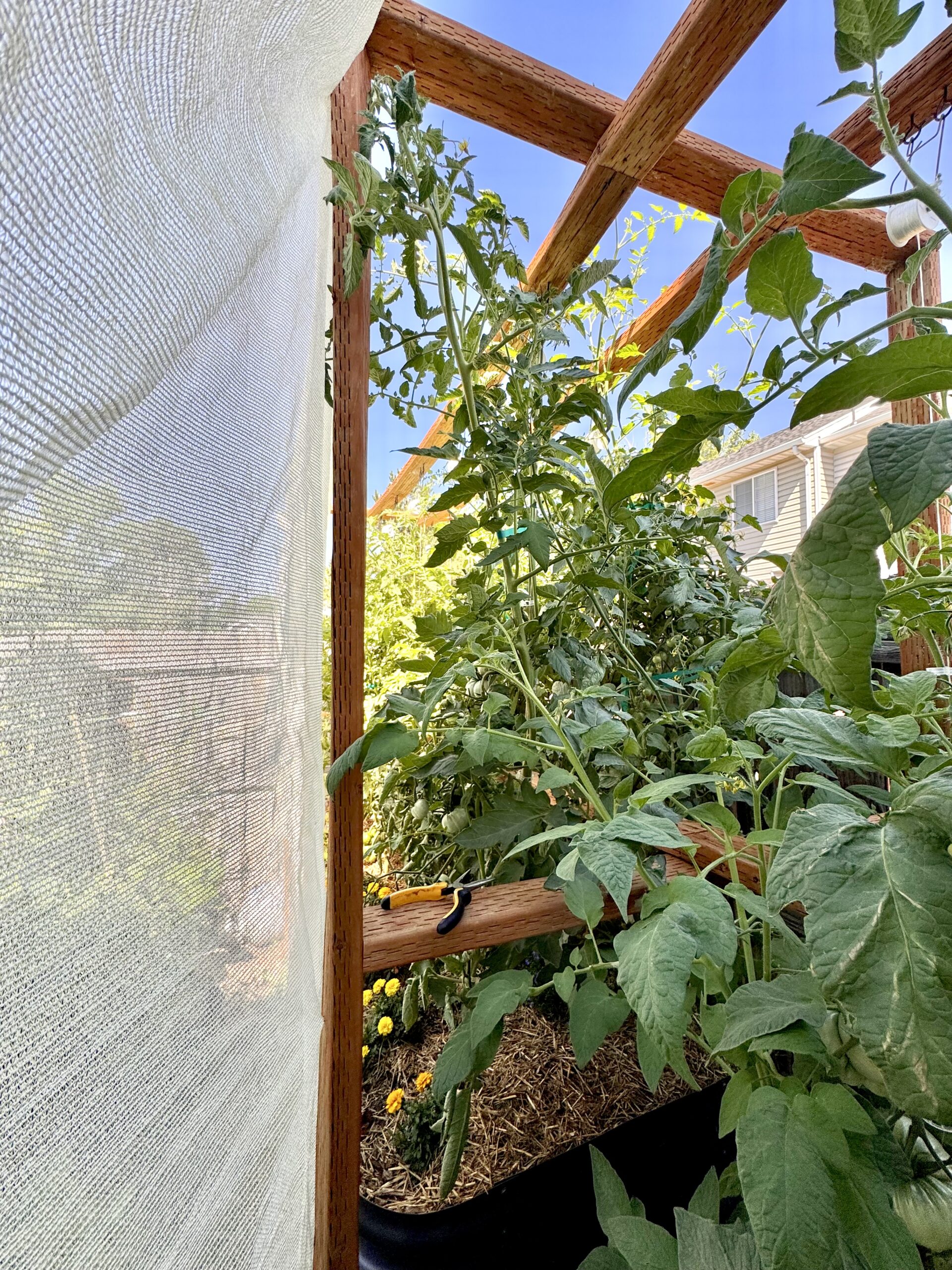
Credit: farmerxfoodie.com
Common Mistakes To Avoid
Choosing the wrong shade cloth can harm plants. Vegetables need 30-50% shade for healthy growth. Excessive shading might reduce sunlight, affecting yield.
When setting up a shade cloth for your vegetable garden, it’s easy to overlook some critical aspects that can impact the growth and yield of your plants. Avoiding common mistakes can make the difference between a bountiful harvest and a disappointing one. Here are some pitfalls to watch out for.Over-shading
Using too dense a shade cloth might seem like a good idea, especially during scorching summers, but it can backfire. Vegetables like tomatoes and peppers need ample sunlight to thrive. Blocking too much light can stunt their growth or reduce fruit production. Consider the specific needs of your plants. A 30% to 50% shade cloth is often ideal for vegetables, allowing enough light while protecting from intense rays.Improper Installation
Installing shade cloth incorrectly can lead to uneven shading or poor coverage. Ensure the cloth is taut and evenly spread across the garden. Flimsy installations might flap in the wind, causing damage to both the cloth and plants. Secure the cloth using sturdy poles and clips. Check for gaps that might expose plants to harsh sunlight or pests.Neglecting Plant Needs
Different plants have different light requirements. Ignoring these can lead to poor growth or plant stress. Research the specific needs of each plant in your garden. For example, leafy greens might benefit from more shade than fruiting plants. Customizing shade levels can optimize growth and yield. Have you considered how seasonal changes might affect your garden’s shading needs? Adjustments might be necessary as the sun’s intensity shifts throughout the year.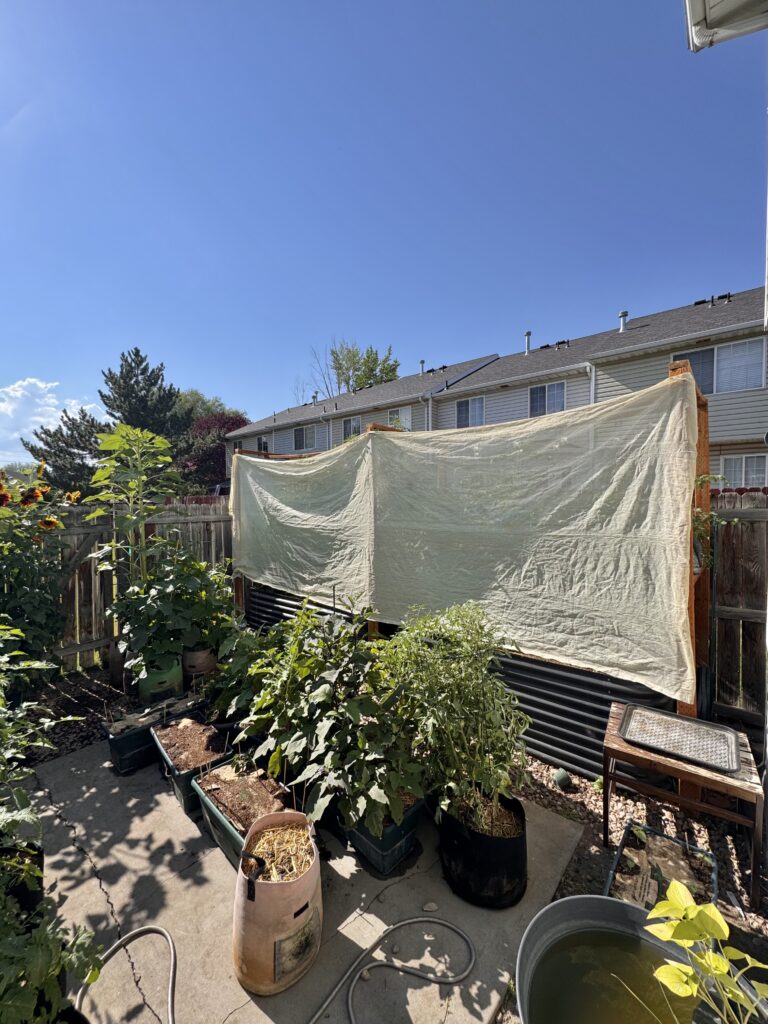
Credit: farmerxfoodie.com
Frequently Asked Questions
What Percentage Of Shade Cloth For Vegetable Garden?
Use 30-50% shade cloth for vegetable gardens. This provides optimal sunlight while protecting plants from excessive heat. Choose lighter shade for sun-loving vegetables, and higher shade percentage for more delicate plants. Proper shade improves growth and prevents wilting. Adjust based on your climate and garden needs.
Is 40% Shade Cloth Good For Tomatoes?
Yes, 40% shade cloth is suitable for tomatoes. It reduces heat stress and prevents sunscald while allowing enough sunlight for growth. This shade level supports healthy development and improves fruit quality. Ensure proper installation for optimal results.
Can You Put Shade Cloth Over A Vegetable Garden?
Yes, you can use shade cloth for a vegetable garden. It protects plants from excessive heat and sun. Choose appropriate density to ensure adequate light. Proper installation improves growth and prevents damage. Shade cloth is ideal for summer, promoting healthy vegetable development and conserving moisture.
What Is The Best Shade Net For Vegetables?
The best shade net for vegetables is a 50% shade net. It balances sunlight and protection. This net reduces heat and prevents sunburn. It enhances growth by maintaining optimal light and temperature. Choose durable, UV-stabilized material for longevity.
Conclusion
Choosing the right shade cloth matters for your vegetable garden. Plants thrive with the correct light balance. A 30-50% shade cloth suits most gardens well. It offers protection from strong sunlight. Helps prevent sunburn on leaves. Supports healthy growth and yields.
Consider your local climate conditions. Adjust shade percentage if needed. Experiment with different options to find what works best. Always monitor plant health regularly. Happy gardening! Enjoy fresh vegetables from your garden. With the right care and shade, your garden will flourish.