
Are you dreaming of a bountiful harvest from your vegetable garden? The secret to achieving lush, thriving plants might be as simple as understanding how much sun your garden needs.
Sunlight is the life force behind your plants’ growth, yet getting the balance right can feel like a puzzle. Too much sun can scorch your plants, while too little can stunt their growth. You might wonder, how do you find the sweet spot that ensures your vegetables flourish?
This guide will illuminate the path to optimizing sunlight for your garden, unlocking the potential for a vibrant and productive growing season. Whether you’re a seasoned gardener or just starting out, you’ll discover essential tips to harness the sun’s power, giving your vegetables the best chance to thrive. Dive in to learn how to transform your garden into the lush paradise you’ve always envisioned.
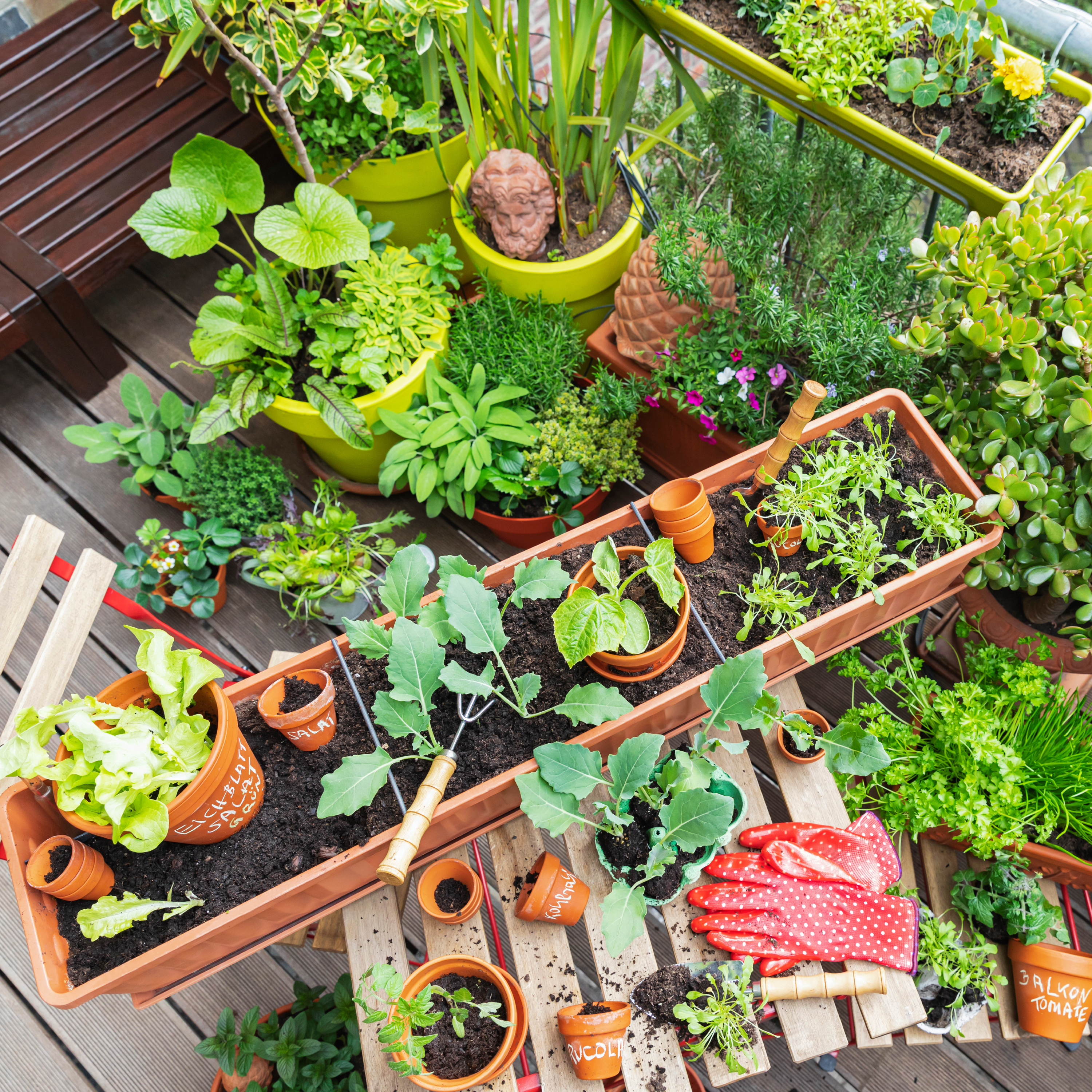
Credit: www.gardeningknowhow.com
Importance Of Sunlight For Vegetables
Sunlight is the lifeblood of any vegetable garden. It’s the essential ingredient that fuels growth, influences taste, and determines yield. Without adequate sunlight, vegetables struggle to thrive, leaving gardeners with less-than-satisfactory harvests. Understanding the importance of sunlight can transform your garden into a vibrant and productive space.
How Much Sunlight Do Vegetables Need?
Vegetables generally require six to eight hours of sunlight each day. This exposure helps them absorb nutrients and develop robust flavors. Tomatoes, peppers, and cucumbers love basking in the sun and thrive with even more sunlight. On the other hand, leafy greens like spinach and lettuce can tolerate less, often flourishing with around four to six hours of sunlight.
The Role Of Sunlight In Photosynthesis
Sunlight is crucial for photosynthesis, the process where plants convert light into energy. This energy fuels growth, enabling vegetables to produce fruits and flowers. When your garden gets ample sunlight, plants can efficiently create the energy they need to grow strong and healthy.
Impact On Vegetable Taste And Quality
Ever wonder why homegrown vegetables taste better? Sunlight affects the sugar content and nutritional value of your produce. Vegetables exposed to adequate sunlight often have richer flavors and higher vitamin concentrations, making them not only tastier but healthier too.
Sunlight And Garden Planning
Planning your garden layout with sunlight in mind is vital. Place taller plants where they won’t overshadow smaller ones. Consider the sun’s path and make adjustments throughout the year. This thoughtful arrangement ensures every plant gets the sunlight it needs to thrive.
Adjusting For Seasonal Changes
Sunlight varies with the seasons, impacting your garden’s productivity. In summer, the sun is more direct, providing intense light. During winter, the angle shifts, reducing exposure. Adjusting your planting schedule can help maximize sunlight and extend your growing season.
Personal Story: My Sunlight Experiment
Last year, I experimented with sun exposure in my garden. I planted tomatoes in different spots—one in full sun and another in partial shade. The tomatoes in full sun grew faster and produced juicier fruits. This taught me the undeniable power of sunlight in vegetable gardening.
As you plan your garden, consider: Is your garden getting enough sunlight? By prioritizing sunlight, you set the foundation for a thriving and fruitful vegetable garden.
Sunlight Requirements For Common Vegetables
Understanding the sunlight requirements for different vegetables is key to a thriving garden. Each type of vegetable has its own unique needs, and providing the right amount of sunlight can make all the difference in your harvest. Let’s delve into the specific sunlight needs of leafy greens, root vegetables, and fruiting vegetables.
Leafy Greens
Leafy greens like lettuce, spinach, and kale are quite forgiving when it comes to sunlight. These vegetables can thrive in areas that receive partial shade, making them perfect for spots that get around 3-4 hours of direct sunlight daily. If you’ve ever tried growing spinach in a sunnier spot, you might have noticed it bolting quickly. Too much sun can cause leafy greens to mature too fast, sacrificing taste for speed. So, if your garden has some shady patches, consider filling them with these nutritious greens.
Root Vegetables
Root vegetables such as carrots, beets, and radishes need a bit more sunlight to develop their underground treasures. Aim for at least 6 hours of sunlight each day to ensure they grow strong and healthy. Have you ever wondered why your carrots are small and stunted? It might be due to insufficient sunlight. These veggies use sunlight to fuel the growth of their roots, so providing a sunny spot is crucial for a bountiful harvest. If space is limited, consider using containers in sunnier areas for these sun-loving roots.
Fruiting Vegetables
Fruiting vegetables, including tomatoes, peppers, and cucumbers, are the sun worshippers of the vegetable garden world. They thrive in full sun, needing at least 8 hours of direct sunlight each day. This sunlight is crucial for them to produce the sweet fruits we love. Have you ever tasted a homegrown tomato? Its flavor is unmatched, but it requires plenty of sun to reach its full potential. Prioritize sunny spots for these plants to enjoy a colorful and tasty summer harvest. Consider using reflective surfaces or light-colored mulch to maximize the sunlight your fruiting vegetables receive.
Identifying Your Garden’s Sun Exposure
Identifying your garden’s sun exposure is crucial for growing a thriving vegetable garden. Each plant has its own light requirements, and understanding the sun patterns in your garden can make or break your harvest. Where does the sun hit your garden most intensely, and which spots remain shaded? Let’s delve into the specifics.
Full Sun Areas
Full sun areas are those where the sun shines for at least six to eight hours a day. These spots are ideal for sun-loving vegetables like tomatoes, peppers, and cucumbers. Notice where the sun hits your garden early in the morning and stays throughout the afternoon. You can track this by spending a day observing your garden or using a sun calculator app.
Have you ever noticed how some plants seem to thrive while others struggle? It’s often about sun exposure. If your tomatoes are looking lush and your lettuce is wilting, chances are you’ve found a full sun area. Consider planting herbs like basil and rosemary here as well.
Partial Sun Locations
Partial sun locations receive about four to six hours of sunlight daily. These spots are perfect for vegetables that prefer a balance between sun and shade, such as carrots, beets, and leafy greens. Look for areas where the sun is filtered through trees or structures during peak hours.
Think about the spots where you enjoy a cool breeze under a tree in the afternoon. These areas often provide the right amount of sun for partial sun-loving plants. You might find these spots along garden paths or near taller plants that cast shadows.
Shaded Spots
Shaded spots are areas that receive less than four hours of sun daily. While these might seem less ideal for vegetable gardening, they can still be useful. Consider planting shade-tolerant vegetables like spinach, kale, and certain herbs.
Have you ever thought about how shade can be an advantage? Shaded spots can be a blessing during hot summer months, providing a cooler environment for plants that don’t thrive in intense heat. Use these areas strategically to extend your growing season and protect delicate crops from overheating.

Credit: www.tiktok.com
Maximizing Sunlight In Your Garden
Maximizing sunlight is crucial for a thriving vegetable garden. Aim for 6-8 hours of direct sun daily. Position plants strategically to ensure each receives optimal light.
Maximizing Sunlight in Your Garden Growing a thriving vegetable garden requires more than just quality soil and water—sunlight plays a critical role. To ensure your plants receive enough light, it’s essential to maximize the sunlight reaching your garden. Let’s explore some practical ways you can achieve this.Positioning Tips
Position your garden where it will receive the maximum sunlight throughout the day. Observe your yard to identify the sunniest spots, especially during peak growing seasons. Consider the path of the sun and avoid areas shaded by buildings, fences, or large trees. If your yard has limited sunny spaces, think vertically. Use raised beds or planters to elevate your garden, capturing more sunlight. You might be surprised at how a small change in height can drastically improve light exposure.Using Reflective Surfaces
Reflective surfaces can significantly boost sunlight in your garden. Place mirrors or aluminum foil strategically to reflect sunlight onto your plants. This method is especially useful for shaded areas that need a bit more light. Make sure the reflective surfaces are angled correctly to catch and redirect sunlight effectively. Experiment with different placements until you find the optimal setup for your garden.Pruning For Light Access
Pruning is a simple yet effective way to ensure your plants get enough sunlight. Trim back overgrown branches or leaves that block sunlight from reaching other plants. Focus on removing any dead or diseased parts to not only allow more light but also promote healthier growth. Regular pruning encourages air circulation and prevents overcrowding, helping your garden flourish. Consider a balanced approach: too much pruning can stress plants, while too little may hinder light access.Sunlight And Seasonal Changes
Sunlight is vital for a thriving vegetable garden. Understanding its seasonal changes can boost your garden’s success. As the seasons shift, daylight hours vary, affecting plant growth. Adjusting to these changes ensures your vegetables receive optimal sunlight.
Adjusting For Longer Days
Spring and summer bring longer days. This offers more sunlight for your garden. Plants like tomatoes and peppers thrive with more sun. Position your garden to maximize exposure. Ensure taller plants don’t overshadow smaller ones. Regular monitoring helps maintain balance. Consider pruning to allow light penetration.
Managing Shorter Daylight Hours
Fall and winter have shorter days. This can limit sunlight for your garden. Root vegetables, like carrots, adapt well. They need less light. You may need to relocate your garden for better exposure. Using reflective surfaces can boost light availability. Consider artificial lighting if natural light is scarce.
Signs Of Too Much Or Too Little Sun
Vegetable gardens need the right amount of sunlight. Too much sun can cause wilting and scorched leaves. Too little sunlight leads to stunted growth and pale leaves. Adjusting the sun exposure helps maintain healthy vegetables.
Understanding the right amount of sunlight for your vegetable garden can be a game-changer. Too much or too little sun affects plant growth, yield, and overall health. Recognizing the signs of sunburn or deprivation will help you adjust your garden’s exposure for optimal growth.Indicators Of Sunburn
Plants can get sunburned just like we do. If you notice leaves turning white or yellow, it might be a sign of sunburn. Wilting during the hottest part of the day is another clue, especially if the soil is still moist. Scorched leaf edges are also a red flag. These can appear brown and crispy, indicating too much sun exposure. Have you ever seen dark spots on leaves? That’s another symptom of sun damage. To mitigate sunburn, consider using shade cloths or relocating pots to a less intense spot. Are your plants getting too much afternoon sun? Moving them to a spot with morning sun might be the solution.Symptoms Of Sun Deprivation
A lack of sunlight can be equally problematic for your vegetables. Leggy growth is a common sign, where plants grow long and spindly in search of light. This often leads to weak stems that can’t support the plant. If your plants have pale or yellow leaves, they might not be getting enough sun. Photosynthesis requires light, and without it, plants can’t produce the chlorophyll that keeps them green. Poor flowering and fruiting can also indicate sun deprivation. Are your tomatoes refusing to ripen, or are your cucumbers not producing as expected? It might be time to increase their sun exposure. Adjusting the placement of your plants or trimming back nearby shrubs can help ensure your garden gets the necessary light. Have you checked if taller plants are casting shadows? Sometimes, a little rearrangement is all it takes for a flourishing garden.Tools To Measure Sunlight
Understanding the amount of sunlight your vegetable garden receives is crucial for healthy plant growth. While you might be tempted to guess how much sun your garden gets, investing in tools to measure sunlight can provide accurate insights. These tools help ensure your plants are getting the right amount of light they need to thrive, whether it’s full sun or partial shade.
Using Sunlight Meters
Sunlight meters are excellent for providing precise measurements. They are easy to use and offer immediate feedback. Simply place the meter in your garden, and it will display the amount of light reaching that spot. This can be especially useful if your garden has areas with varying light levels due to nearby structures or trees.
I once used a sunlight meter to discover that a corner of my garden received significantly less light than I had assumed. This revelation allowed me to rearrange my planting plan for better yields. Have you ever wondered if certain areas of your garden might need more attention?
Smartphone Apps For Sun Tracking
Smartphone apps for sun tracking offer a convenient alternative to physical devices. With just a few taps, you can map out sunlight patterns over different times of the day. These apps often use your phone’s camera and GPS to analyze the sun exposure in your garden.
An app helped me realize that the sun’s angle shifted dramatically during the seasons, impacting my garden’s light exposure. This insight was invaluable for planning seasonal planting. Could a digital solution reveal hidden patterns in your garden’s sun exposure?
Whether you choose a physical tool or a digital one, measuring sunlight is a game-changer for your vegetable garden. It empowers you to make informed decisions and optimize your garden’s layout for the best growth possible. Which tool seems like the right fit for your gardening needs?
Balancing Sun With Other Growth Factors
Balancing sun exposure with factors like soil quality and water is crucial for a thriving vegetable garden. Adequate sunlight ensures healthy growth, but too much can harm plants. Understanding your garden’s needs helps maintain a productive environment.
Balancing sun exposure with other growth factors is crucial for a thriving vegetable garden. While sunlight is a primary driver of photosynthesis, it’s not the only element that determines plant health. Understanding how to harmonize sunlight with factors like water, soil, and temperature will lead you to a bountiful harvest. Think about your own garden experiences—did you notice how a little too much sun might have caused wilting despite regular watering? Let’s dive into the details of maintaining this delicate balance.Watering Needs
Sunlight directly influences a plant’s water needs. The more sun your garden gets, the more water it likely requires. In my own garden, I noticed my tomatoes thrived when I increased watering frequency during particularly sunny weeks. However, overwatering can be just as harmful as underwatering. Check the soil moisture regularly by sticking your finger an inch deep into the soil—if it feels dry, it’s time to water. Adjust your watering schedule based on the sun exposure and the specific needs of your plants.Soil Quality
Sunlight can impact soil quality over time. It can dry out the soil, making it harder for roots to absorb nutrients. If your garden is in full sun, consider using mulch to retain moisture and improve soil health. The right soil composition is also essential for balancing sun exposure. A well-aerated, nutrient-rich soil will support plant growth, even under intense sunlight. Regularly test your soil and amend it with compost or organic matter to maintain its vitality.Temperature Considerations
Temperature plays a significant role in how plants utilize sunlight. Some vegetables, like lettuce, prefer cooler temperatures and can suffer in intense heat. In my garden, shading lettuce during the hottest part of the day preserved its crisp texture. On the other hand, peppers and tomatoes thrive in warmth, making them ideal for sun-drenched spots. Monitor weather forecasts and adjust your garden setup accordingly. Consider using shade cloth or row covers to protect sensitive plants during heatwaves. Balancing these factors will help you create a garden environment where each plant can flourish.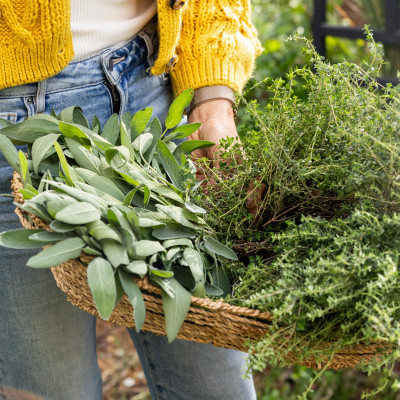
Credit: www.gardenary.com
Frequently Asked Questions
Is Morning Sun Or Afternoon Sun Better For A Vegetable Garden?
Morning sun is better for vegetable gardens. It provides gentle warmth, reducing stress on plants. Afternoon sun can be intense, potentially harming sensitive vegetables. Ensure your garden gets at least six hours of sunlight daily for optimal growth. Consider shade options for afternoon sun exposure to protect plants.
How Do I Know If Vegetable Plants Are Getting Too Much Sun?
Vegetable plants show wilting, scorched leaves, or yellowing when exposed to too much sun. Leaves might curl or have brown edges. Consistent sun exposure can also slow growth. Ensure they receive balanced sunlight and water to prevent sun damage.
Should I Water My Vegetable Garden Every Day When It’s Hot?
Water your vegetable garden deeply every 2-3 days during hot weather. Check soil moisture regularly. Ensure proper drainage to prevent root rot. Mulch helps retain moisture and keeps soil cool. Adjust watering based on plant needs and local climate conditions.
Avoid watering during peak sun hours.
What Vegetables Don’t Need Much Sun?
Leafy greens like spinach, kale, and lettuce thrive in low sunlight. Radishes, carrots, and beets also grow well with minimal sun. Peas, broccoli, and cauliflower are other great choices for shaded gardens. These vegetables adapt to less light while still producing a good harvest.
Conclusion
Getting the right sunlight helps your vegetables grow well. Sunlight is key for healthy plants. Plan your garden spot wisely. Ensure your vegetables get at least six hours of direct sun daily. Some need more, some need less. Check sunlight needs for each plant.
Balance is crucial. Too much shade can stunt growth. Too much sun can harm sensitive plants. Observe and adjust your garden setup. Happy gardening leads to fruitful harvests. Enjoy the process and watch your garden thrive. Your vegetables will thank you for the care.


