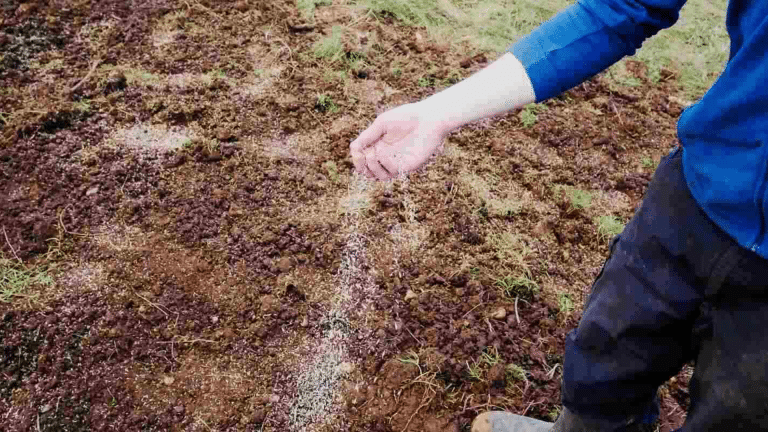
Imagine stepping out into your backyard, the sun shining down on a lush, green carpet of grass that feels like heaven under your feet. It’s a dream many of us share.
You might be thinking about planting grass seed to achieve this vision. But here’s a question: can you use garden soil for your grass seed? Before you start spreading seeds, it’s crucial to understand what your grass needs to thrive.
Many people assume that all soil is the same. You grab a handful from your garden and think it’ll work just fine for grass. But wait—there’s more to it than meets the eye. What if the wrong soil choice leads to patchy growth, wasted time, and frustration? The truth is, your soil choice can make or break your lawn’s success. We’ll delve into whether garden soil is the best choice for grass seed. You’ll discover tips and insights that could save you time and effort. So, if you’re keen on having a lawn that turns heads and feels great, stick around to learn what might be the secret ingredient to your grassy success.
Garden Soil Vs. Lawn Soil
Garden soil differs from lawn soil due to its heavier texture and nutrient content. Using garden soil for grass seed might hinder growth since it’s not tailored for grass needs. Lawn soil is lighter and drains better, providing ideal conditions for grass roots to establish.
Garden Soil vs. Lawn Soil Planting grass seed requires careful soil selection. Garden soil and lawn soil differ in key ways. Understanding these differences helps you choose the right soil. Garden soil is rich and dense, supporting various plants. It contains organic matter, nutrients, and minerals, ideal for garden plants. This soil retains moisture well, benefiting water-loving plants. Lawn soil is specially formulated for grass growth. It offers a balanced texture for root development and drainage. This soil is less dense, promoting air circulation for strong grass roots. Lawn soil often contains sand or silt to improve drainage.Texture And Composition
Garden soil has a heavier texture. It often includes compost or peat moss. These elements enrich the soil but can compact over time. Lawn soil, on the other hand, is lighter. It often contains sand to prevent compaction, aiding root growth.Water Retention
Garden soil retains water effectively, which suits moisture-loving plants. Yet, excess moisture can harm grass seeds. Lawn soil provides better drainage. It helps prevent water logging, ensuring grass roots stay healthy.Nutrient Balance
Garden soil is nutrient-rich, supporting diverse plant needs. Lawn soil has balanced nutrients for grass. It supports steady growth without overwhelming the seeds. This balance is crucial for healthy grass development.Soil Ph Levels
Garden soil may vary widely in pH. Different plants require different pH levels. Lawn soil is typically neutral or slightly acidic. This pH level suits grass, promoting lush growth.Cost Considerations
Garden soil may be costlier due to added nutrients. Lawn soil is often more affordable. It provides essential nutrients without extras. Choosing the right soil can save money and improve grass health.Ease Of Use
Garden soil requires more preparation. Mixing and amending may be necessary for grass. Lawn soil is ready to use for grass planting. It simplifies the process for beginners. Choosing between garden soil and lawn soil impacts grass seed success. Understanding these differences ensures a healthy lawn.
Credit: www.angi.com
Characteristics Of Garden Soil
Garden soil can support grass seed growth with proper preparation. Ensure the soil is loose, well-drained, and nutrient-rich. This helps in promoting healthy grass development and strong root systems.
Garden soil offers unique characteristics that can impact grass growth. Understanding these attributes helps decide if it’s suitable for grass seed. Garden soil varies in nutrient composition, texture, and drainage. Each factor plays a critical role in how well grass seeds thrive. Explore these characteristics to make informed choices for your lawn.Nutrient Composition
Garden soil contains essential nutrients for plant growth. It generally includes nitrogen, phosphorus, and potassium. These nutrients support healthy grass development. The soil may also have trace elements like calcium and magnesium. Balanced nutrients promote vigorous grass growth. It’s important to test the soil for nutrient levels. This ensures that it meets grass seed requirements.Soil Texture
Texture influences how soil retains moisture and supports roots. Garden soil can be sandy, loamy, or clayey. Sandy soil drains quickly but may lack nutrients. Loamy soil offers balanced drainage and nutrient retention. Clayey soil holds water well but may compact. Texture affects how easily roots can spread and absorb nutrients. Grass seeds generally prefer loamy soil for growth.Drainage And Aeration
Proper drainage prevents waterlogging and root rot. Garden soil must allow excess water to escape. Aeration is crucial for oxygen reaching the roots. Compacted soil limits air flow and water movement. Well-drained soil ensures healthy root systems. Check the drainage capacity of your garden soil. Adjust it if needed to support grass seed development.Requirements For Grass Seed
Garden soil is not ideal for grass seed. It may compact and hinder growth. Opt for well-draining soil for better results.
Planting grass seed requires more than just tossing seeds onto any soil. The success of your grass seed depends on the soil meeting certain requirements that ensure germination and healthy growth. Garden soil might seem like a convenient option, but before using it, understanding what grass seed truly needs is crucial. Let’s explore key elements that contribute to the ideal growth conditions for grass seed.Ideal Soil Conditions
Grass seeds thrive best in soil that has a balanced texture. This means neither too sandy nor too clay-heavy. Sandy soil can lead to quick drainage, preventing seeds from getting enough moisture. On the other hand, heavy clay can retain too much water, suffocating the seeds. Aim for a loamy soil texture which offers the perfect blend for growth. It’s not just about texture, though. Grass seeds prefer a pH level between 6.0 and 7.5. Have you ever tested your garden soil’s pH? If not, it might be worth doing so to ensure it’s in the optimal range for grass seed growth.Nutrient Needs
Grass seeds require nutrients to kick-start their growth. Essential nutrients like nitrogen, phosphorus, and potassium are vital. These nutrients support root development, strong blades, and overall plant health. Consider adding a starter fertilizer to your garden soil if nutrient levels are low. This can be a game-changer in transforming average soil into a nutrient-rich haven for your grass seeds.Moisture Retention
Moisture is a crucial element for grass seed germination. Too little moisture, and seeds may dry out and fail to sprout. Too much, and they can rot. Garden soil often has varying moisture retention capabilities. You can enhance moisture retention by incorporating organic matter like compost. This not only helps maintain adequate moisture levels but also improves soil structure. How does your garden soil fare in terms of moisture balance? It might be time for a simple test to evaluate its retention capabilities. Remember, each adjustment you make to your soil is a step toward nurturing your grass seeds into a lush, green lawn. Are you ready to tailor your garden soil to meet these requirements? Your future lawn might just depend on it.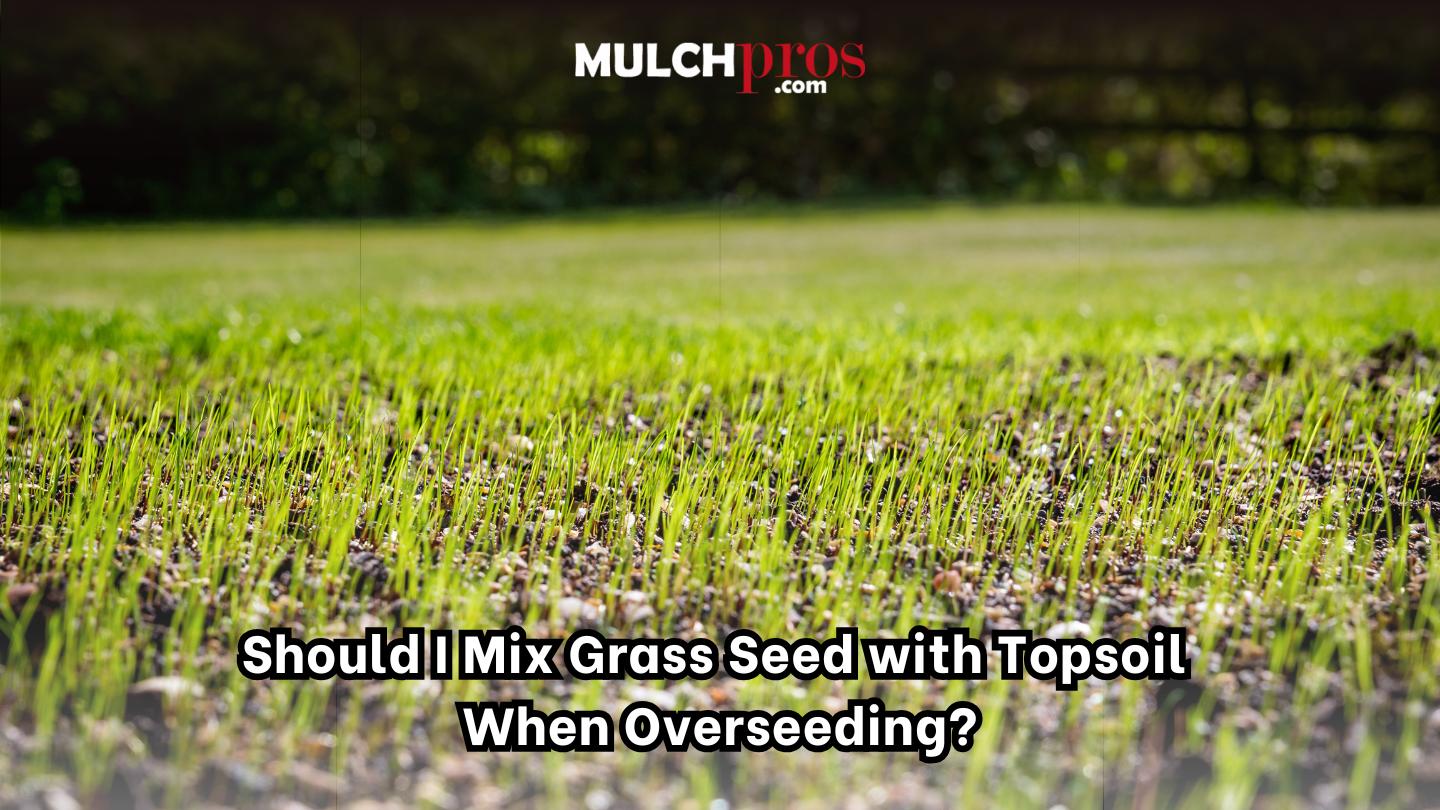
Credit: mulchpros.com
Potential Issues With Garden Soil
Garden soil might not be ideal for grass seed as it can lack proper nutrients and drainage. Compacted soil can hinder root growth, leading to weak grass development. Consider testing the soil quality before planting to ensure a healthy lawn.
Using garden soil for grass seed might seem convenient, but it brings along several potential issues. While it can be tempting to repurpose soil from your garden, understanding its drawbacks is crucial to achieving a lush, green lawn. Let’s dive into some of the most common challenges you might face.Compaction Risk
Garden soil is often denser than the specialized soil mixes designed for lawns. This density can lead to compaction, especially if you have heavy foot traffic or frequent rain. When soil becomes compacted, it restricts the growth of grass roots, which need space to spread and access nutrients. Imagine trying to grow roots in a brick instead of loose soil. Compaction can result in poor water drainage, making your lawn prone to puddles and potentially drowning your grass seed. You’ll want to ensure your soil is loose and airy, maybe by mixing in sand or organic matter to improve its structure.Weed Growth
Garden soil can be a breeding ground for weeds. Unlike soil mixes tailored for grass, garden soil isn’t sterilized, meaning it’s likely to contain weed seeds. These unwanted visitors can compete with your grass seed for nutrients and sunlight. Picture a battle in your yard, where weeds have a head start over your grass. It’s frustrating to watch them sprout faster and stronger. To mitigate this, consider using a pre-emergent herbicide or manually removing weeds before they take over your lawn.Nutrient Imbalance
Garden soil might not have the right nutrient balance for grass. While it might be rich in nutrients suitable for flowers or vegetables, grass has different nutritional needs. An imbalance can lead to patchy growth or a lawn that’s more yellow than green. Think about feeding a cat dog food — it’s not ideal. Conduct a soil test to determine the nutrient content of your garden soil. You might need to amend it with fertilizers specifically formulated for grass to achieve a healthy, vibrant lawn. Using garden soil for your grass seed comes with challenges, but with the right knowledge and preparation, you can overcome them. Are you ready to tackle these potential issues and cultivate the lawn of your dreams?Modifying Garden Soil For Grass
Using garden soil for grass seed is possible, but it may need adjustment. Garden soil can be too dense for grass seeds. Mixing it with sand or compost can improve drainage. This helps grass grow better.
When planting grass seed, soil quality matters. Garden soil often needs adjustments to support grass growth. Modifying garden soil ensures a healthy lawn and robust grass. Here are key ways to enhance soil for grass seeding.Improving Texture
Garden soil may be too compact for grass roots. Loosen soil by adding organic matter. Use compost or peat moss to improve soil texture. This creates a softer base for roots to spread. Good texture helps grass establish quickly.Enhancing Drainage
Poor drainage can drown grass seeds. Mix sand into heavy soils like clay. Sand improves water movement through the soil. Create a balanced blend with soil, sand, and organic matter. This prevents waterlogging and promotes healthy growth.Balancing Nutrients
Grass needs specific nutrients to thrive. Test garden soil for nutrient levels. Add fertilizers to supply missing nutrients. Use a balanced mix of nitrogen, phosphorus, and potassium. These elements support strong, green grass. Regular soil checks ensure ongoing nutrient balance.Alternatives To Garden Soil
Choosing the right soil for grass seed is crucial. Garden soil might not be the best option. It can be too dense for grass. There are better alternatives. These options provide nutrients and good drainage.
Commercial Lawn Soil
Commercial lawn soil is designed for grass growth. It contains the right balance of nutrients. It offers good aeration, helping roots spread easily. This soil is often free of weeds and pests. It promotes healthy grass development. Many brands offer specific mixes for lawns. Each mix is tailored for different grass types. Check the label for compatibility with your grass seed.
Topsoil Blends
Topsoil blends can be a good choice. They mix organic matter with regular soil. This improves nutrient content and texture. These blends support healthy root systems. They often include sand for better drainage. Using topsoil blends can enhance grass seed germination. Make sure to choose a blend suitable for your area. Local stores often provide region-specific options.
Soil Amendments
Soil amendments improve existing soil conditions. They can be organic or inorganic. Organic amendments include compost and manure. They enrich the soil with nutrients. Inorganic options like vermiculite enhance drainage. Adding these to garden soil can boost grass growth. Amendments help balance soil pH levels. They ensure the soil is neither too acidic nor alkaline. Consider testing your soil before adding amendments.
Expert Tips For Success
Planting grass seed can transform your garden into a lush, green paradise. But should you use garden soil for your grass seed? Understanding soil requirements is key to growing a healthy lawn. Let’s dive into expert tips that can help you succeed in using garden soil effectively.
Testing Soil Quality
Before sowing your grass seed, it’s important to test the soil quality. Soil tests can reveal crucial details like pH levels and nutrient content. You can use a simple at-home test kit, available at most garden centers. Checking soil quality ensures your grass gets the nutrients it needs to thrive.
Consider asking a local gardening expert about the ideal soil conditions for your area. Soil in different regions can vary greatly, and knowing the specifics can save you time and effort.
Proper Seed Sowing
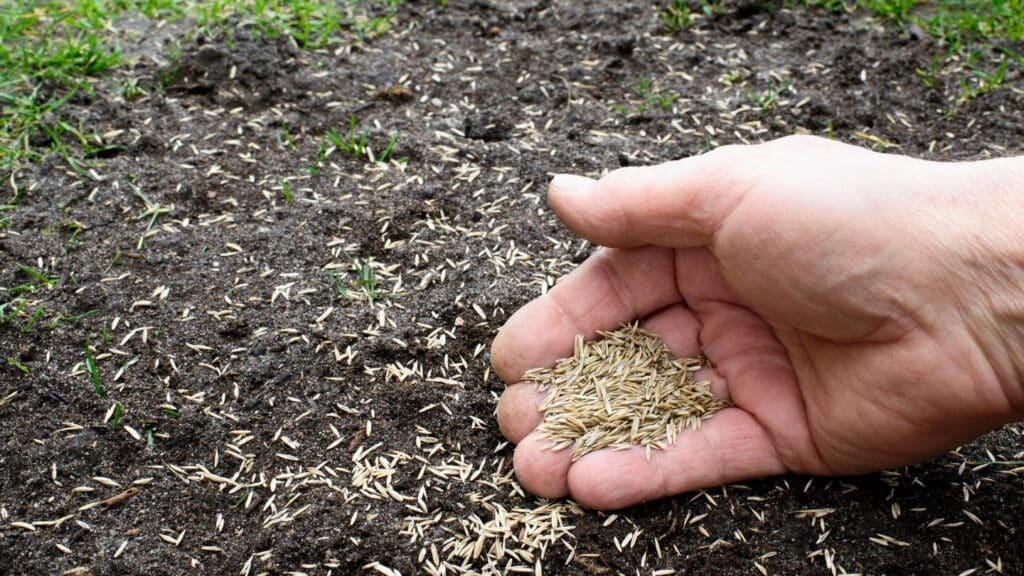
Once you’ve confirmed your soil is suitable, it’s time to sow the seeds. Ensure even distribution by using a seed spreader or by hand. Uneven sowing might lead to patchy growth, so take your time to cover the area thoroughly.
How deeply should you plant your seeds? Most grass seeds should be lightly covered with soil, just enough to shield them from wind and birds. Too deep, and they may struggle to grow.
Watering Techniques
Watering is a critical aspect of successful grass growth. After sowing, keep the soil consistently moist, but not waterlogged. You might wonder how often to water your seeds. Generally, watering once a day is ideal during the initial growth period.
Avoid watering during the hottest part of the day. Early mornings or late afternoons are perfect times to ensure your grass gets the moisture it needs without losing it to evaporation.
Credit: mulchpros.com
Frequently Asked Questions
Can You Use Garden Soil On Grass Seed?
Yes, garden soil can be used on grass seed. Ensure it’s well-draining and rich in nutrients for healthy growth. Mixing with compost can enhance soil quality, aiding seed germination and root development. Avoid compacted soils as they hinder seed establishment and water absorption.
Is Garden Soil And Lawn Soil The Same Thing?
Garden soil and lawn soil differ in composition. Garden soil is nutrient-rich for plants, while lawn soil is designed for grass. Garden soil improves plant growth; lawn soil promotes strong grass root development. Both have unique purposes tailored to their respective environments.
Choose the right soil for your gardening needs.
Can I Use Regular Garden Soil To Start Seeds?
Regular garden soil is not ideal for starting seeds. It may contain pests, diseases, or poor drainage. Use a sterile seed-starting mix for better results. This ensures healthier seedlings and promotes successful germination.
Can I Use Garden Soil Instead Of Topsoil?
Garden soil can be used instead of topsoil, but it may not provide optimal nutrients. Garden soil often contains organic matter and nutrients beneficial for plants. Topsoil is typically more balanced and suitable for general use. Ensure garden soil quality before replacing topsoil to avoid potential growth issues.
Conclusion
Choosing the right soil helps grass grow strong. Garden soil can work for grass seeds. It often contains nutrients and organic matter. But it may lack drainage needed for lawns. Mixing garden soil with sand or compost improves results. Testing soil before planting ensures good growth.
Check for pH level and texture. This helps seeds sprout effectively. Also, consider local climate for best soil choice. Healthy soil leads to a lush lawn. Remember, a little preparation goes a long way. Make sure to plan well for a thriving garden.
Happy gardening!