Are you looking for a natural solution to keep your garden healthy and thriving? Neem oil might just be the answer you’ve been searching for.
This incredible oil, derived from the seeds of the neem tree, has been used for centuries as a powerful and eco-friendly way to combat pests and diseases. Imagine walking through your garden, free from the worry of unwanted insects and harmful chemicals.
With neem oil, you can achieve just that. In this guide, you’ll discover practical tips on how to use neem oil effectively in your garden, ensuring that your plants stay vibrant and strong. Ready to unlock the secrets of neem oil and transform your garden? Let’s dive in!

Credit: www.amazon.com
Benefits Of Neem Oil
Neem oil protects plants from pests and diseases, acting as a natural insecticide. Mix with water and spray on leaves to keep your garden healthy and vibrant. Its antifungal properties also help prevent mildew and other plant infections.
Neem oil offers many benefits for your garden. This natural product helps maintain plant health and boosts growth. It comes from the seeds of the neem tree and is safe for most plants. Understanding its advantages can transform your gardening efforts.
Natural Pest Control
Neem oil serves as an effective pest control agent. It disrupts the life cycle of insects, reducing infestations. Spraying neem oil deters harmful bugs without harming beneficial insects. It targets pests like aphids, whiteflies, and spider mites. Regular application keeps pests away and protects your plants.
Fungal Disease Prevention
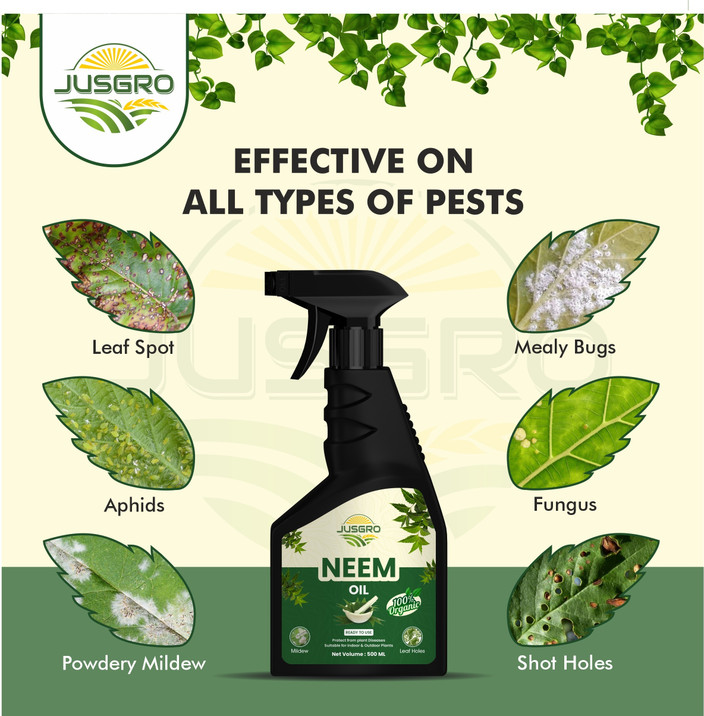
Neem oil helps prevent fungal diseases. It stops the spread of fungi on plant surfaces. Use it to treat mildew, rust, and leaf spot. Its antifungal properties keep plant leaves healthy and vibrant. Applying neem oil regularly reduces the risk of fungal infections.
Soil Health Improvement
Neem oil contributes to soil health. It enriches the soil, promoting nutrient absorption. Neem oil helps beneficial microbes thrive. Healthy soil supports strong plant roots and boosts growth. Adding neem oil enhances soil texture and fertility. This results in healthier plants and better yields.
Choosing The Right Neem Oil
Choosing the right neem oil enhances garden care. Opt for cold-pressed, organic neem oil for effectiveness. Ensure it is pure and free from additives for safe use on plants.
Choosing the right neem oil for your garden is crucial to achieving the best results. With various options available, it’s essential to know the differences and what to look for. This will ensure that your plants thrive without unnecessary harm to the environment or your pocket.
Cold-pressed Vs. Extracted
When shopping for neem oil, you may notice terms like “cold-pressed” and “extracted.” Cold-pressed neem oil retains more of the beneficial compounds, making it a superior choice for garden use. It’s like choosing fresh-squeezed juice over processed options; the quality difference is noticeable. Extracted neem oils often undergo more processing, which can strip away some of the natural properties. If you’re serious about keeping your plants healthy, cold-pressed is the way to go. Have you ever noticed how fresh ingredients make a difference in your meals? The same principle applies here.
Organic Certification
Opting for neem oil with organic certification ensures that it meets specific standards without harmful pesticides or synthetic additives. This is vital if you’re maintaining an organic garden or just prefer eco-friendly products. Organic neem oil supports not just plant health but also the surrounding ecosystem. Imagine the peace of mind knowing your garden is free from chemicals that could harm beneficial insects. Organic certification is like a seal of trust, guaranteeing purity and effectiveness. Consider it an investment in your garden’s long-term health.
Concentration Levels
Neem oil comes in various concentration levels, and understanding these can prevent overuse or underuse. A higher concentration might seem more effective, but it could also damage delicate plants if not diluted properly. It’s essential to follow the manufacturer’s guidelines and adjust based on your plants’ needs. Would you add too much salt to a dish without tasting it first? The same caution should apply to neem oil in your garden. Testing small areas before widespread use can save you from potential mishaps. Always remember, a little goes a long way.
Preparation And Dilution
Mix neem oil with water for effective garden use. Use a ratio of two tablespoons of oil to one gallon of water. Stir well before spraying on plants.
Neem oil is a powerful ally in your gardening toolkit, but its effectiveness hinges on proper preparation and dilution. This process ensures that the oil is gentle on plants while retaining its pest-fighting properties. Whether you’re battling aphids or dealing with mildew, understanding the art of dilution can make all the difference. Let’s dive into how to mix neem oil effectively for the health of your garden.
Mixing Guidelines
To start, you’ll need a few basic materials: neem oil, water, and an emulsifier like liquid soap. Begin by measuring the neem oil—typically, two tablespoons per gallon of water is a good ratio. Ensure the neem oil is pure and cold-pressed for maximum potency. Stir the mixture thoroughly to blend the oil with water, creating a uniform solution. Using lukewarm water can help the oil mix better, enhancing its spread on plant surfaces.
Water And Emulsifier Ratios
The right balance between water and emulsifier is crucial. Use one teaspoon of liquid soap per gallon of water as your emulsifier. This helps the neem oil mix evenly and adhere to plant leaves without causing harm. If you notice oil droplets floating in the solution, add more soap incrementally until the mixture is smooth. Test it on a small leaf area first to ensure it doesn’t cause any adverse reactions before spraying widely.
Safety Precautions
Neem oil is generally safe, but it’s wise to take precautions. Wear gloves and goggles to protect your skin and eyes from irritation. Avoid using on sensitive plants or in extreme temperatures, as this can cause leaf burn. Remember, neem oil can harm beneficial insects if over-applied. Apply in the evening or early morning when bees and other pollinators are less active. Are there any specific plants in your garden that require special attention? Ensuring neem oil is used responsibly will keep your garden thriving.
Application Techniques
Mix neem oil with water and mild soap to create a spray. Apply on plants every 7-14 days for pest control. Focus on the undersides of leaves where pests often hide.
Applying neem oil in your garden can be a game-changer for keeping pests at bay. But using it correctly is crucial to ensure its effectiveness. Here, we’ll explore different techniques you can adopt to make the most of neem oil in your garden.
Spraying Methods
Spraying is the most common way to apply neem oil. Mix the neem oil with water and a few drops of liquid soap to help it adhere to the plant leaves. Use a garden sprayer to apply the mixture evenly over the leaves, ensuring you cover both the tops and undersides. It’s best to spray in the early morning or late afternoon. This helps avoid direct sunlight, which can cause the oil to burn the leaves. Always test on a small area first to ensure your plants respond well.
Soil Drenching
Soil drenching involves applying neem oil directly to the soil. This method targets root-feeding pests and diseases. Mix neem oil with water, and pour it around the base of the plants. This technique can be particularly effective for dealing with soil-borne insects. Ensure the soil is moist before application to help the solution penetrate deeply.
Frequency Of Application
How often should you apply neem oil? It depends on your garden’s needs. For preventive measures, apply every two weeks. If battling an active infestation, apply weekly until the problem is under control. Be mindful of not over-applying, as this can lead to leaf damage or plant stress. Have you tried using neem oil in your garden? Which method worked best for you? Your garden’s health can thrive with the right application techniques.
Best Practices
Neem oil is a versatile tool for garden care. Using it correctly enhances its effectiveness. Understanding best practices helps maximize benefits while minimizing harm.
Time Of Day Considerations
Apply neem oil in early morning or late afternoon. This prevents leaf burn from intense sunlight. Avoid applying during the hottest part of the day.
Weather Conditions
Check the weather forecast before applying neem oil. Rain can wash away the treatment. Choose a day with no rain expected for optimal results.
Combining With Other Treatments
Neem oil works well with other organic treatments. Combine it with insecticidal soap for enhanced pest control. Always test combinations on a small plant section first.

Credit: www.walmart.com
Troubleshooting Common Issues
Dealing with neem oil in the garden can lead to some challenges. Sometimes, it clogs spray bottles or leaves residue on plants. To fix this, mix neem oil with warm water and mild soap. This ensures smooth spraying and avoids plant damage, keeping your garden healthy.
Neem oil is a popular choice for natural pest control in gardens. Despite its benefits, gardeners face challenges using it effectively. This section addresses common issues and provides solutions.
Effectiveness Concerns
Some gardeners doubt neem oil’s effectiveness. Proper application is key. Ensure you cover all plant surfaces, including undersides of leaves. Use a spray bottle for even distribution. Repeat the application every 7-14 days. This maintains protection against pests. Weather conditions affect neem oil’s performance. It works best in mild temperatures. Avoid application during rain, as it washes away the oil.
Plant Sensitivity
Neem oil may harm sensitive plants. Test a small area first. Wait 24 hours and check for adverse reactions. Avoid using on stressed or young plants. They are more vulnerable. If damage occurs, dilute the solution further. Mix one part neem oil with ten parts water. This reduces the concentration and minimizes risk.
Storage And Shelf Life
Proper storage extends neem oil’s shelf life. Keep it in a cool, dark place. Exposure to light and heat degrades its quality. Store it in a tightly sealed container. This prevents contamination and evaporation. Check the expiration date before use. Old neem oil loses potency and effectiveness. Fresh oil ensures better results in your garden.

Credit: www.amazon.in
Frequently Asked Questions
What Plants Should You Not Use Neem Oil On?
Avoid using neem oil on plants with delicate or wispy leaves, like ferns. Test on sensitive plants first.
How To Apply Neem Oil To Vegetable Garden?
Apply neem oil by mixing 2 tablespoons with 1 gallon of water. Spray the mixture on vegetables, covering leaves and stems. Use in the evening to prevent sunburn. Reapply every 7-14 days or after rain. Ensure the solution is well-mixed before each use.
What Bugs Are Repelled By Neem Oil?
Neem oil repels a variety of insects including aphids, spider mites, whiteflies, and mealybugs. It disrupts insect life cycles, reducing infestations. Neem oil is effective against thrips, fungus gnats, and caterpillars too. Its natural properties make it a safe choice for organic gardening and pest control.
Can You Eat Vegetables That Were Sprayed With Neem Oil?
Yes, you can eat vegetables sprayed with neem oil. Wash them thoroughly to remove any residue. Neem oil is natural and commonly used in organic gardening, making it safe for consumption when used correctly. Always follow guidelines for neem oil application on edible plants.
Conclusion
Neem oil is a helpful tool for any gardener. It fights pests naturally. It keeps plants healthy and strong. Easy to use, neem oil mixes well with water. Spray it on leaves for best results. Regular use leads to a healthier garden.
Plants grow without harmful chemicals. Safe for pets and kids, neem oil is a smart choice. Try it for a greener, more vibrant garden. Your plants will thank you. Enjoy watching your garden flourish. Neem oil is simple, effective, and safe.
Perfect for gardens everywhere.


