Are you dreaming of a lush, vibrant garden bursting with life and color? The secret to achieving this lies right beneath your feet—your garden soil.
Understanding the quality of your soil is crucial for growing healthy plants, and testing it is the first step towards unlocking its potential. You might wonder why your neighbor’s garden thrives while yours struggles. The answer could be in the soil composition, pH levels, or nutrient availability.
By learning how to test your garden soil, you’ll gain insights that can transform your gardening efforts. Imagine watching your garden flourish like never before, with rich, healthy plants that make you proud. Dive into this article to discover easy, effective ways to test your soil and give your garden the love it deserves. Your plants will thank you, and you’ll become the gardener you’ve always wanted to be.

Credit: www.familyhandyman.com
Importance Of Soil Testing
Testing garden soil reveals essential nutrients and pH levels. It guides proper fertilizer use and boosts plant health. Understanding soil conditions helps in choosing suitable plants for optimal growth.
The importance of soil testing is often underestimated by gardeners. Understanding your garden soil is crucial for healthy plant growth. Soil testing provides insights into the soil’s nutrient content and pH level. It helps you determine what your soil lacks and what it has in excess. This knowledge allows you to make informed decisions about fertilization and amendments. Without testing, you may over-fertilize or under-fertilize, leading to poor plant health.Why Soil Testing Matters
Testing soil prevents guesswork in gardening. It saves time and resources. You can avoid unnecessary expenses on fertilizers. It also ensures your plants get the nutrients they need. Healthy soil leads to thriving plants.Benefits Of Knowing Your Soil’s Ph
The pH level affects nutrient availability. Some plants prefer acidic soil; others thrive in alkaline. Testing helps you adjust soil pH to suit plant needs. This adjustment can significantly impact plant growth and yield.Understanding Nutrient Deficiencies
Soil testing reveals nutrient deficiencies. It identifies what nutrients are missing. You can then add specific fertilizers to correct these deficiencies. This targeted approach improves plant health and productivity.Preventing Soil Contamination
Testing can detect contaminants in the soil. Contaminants hinder plant growth and pose health risks. Knowing about them lets you take corrective actions. This ensures safer gardening practices for you and your family.Optimizing Plant Growth
Proper soil testing optimizes plant growth. It helps create a balanced environment for your plants. Balanced soil supports strong root development. This leads to better absorption of nutrients and water.Improving Crop Yield
Testing soil can enhance crop yield. It provides the information needed for effective soil management. Managed soil produces healthier crops. This increase in yield benefits both home gardens and commercial farms.Basic Soil Components
How to Test Garden Soil Testing garden soil helps determine its basic components like sand, silt, and clay. Simple home tests can reveal soil pH, nutrient levels, and texture. Understanding these elements guides gardeners in improving soil health for better plant growth.
Understanding the basic components of your garden soil is crucial for nurturing a thriving garden. Soil is more than just dirt; it’s a living ecosystem that supports plant growth. By understanding its texture and pH, you can create the perfect environment for your plants to flourish.Understanding Soil Texture
Soil texture refers to the proportion of sand, silt, and clay in your soil. These components determine how well your soil retains moisture and nutrients. Sandy soils drain quickly but may not hold nutrients well, while clay soils retain moisture but can become compacted. To test your soil texture, take a small sample and add water until it’s damp. Rub it between your fingers. If it feels gritty, you have sandy soil. If it’s sticky, it’s likely clay. A smooth, silky texture indicates silt. Knowing your soil texture helps you decide if you need to amend it with organic matter.Role Of Soil Ph
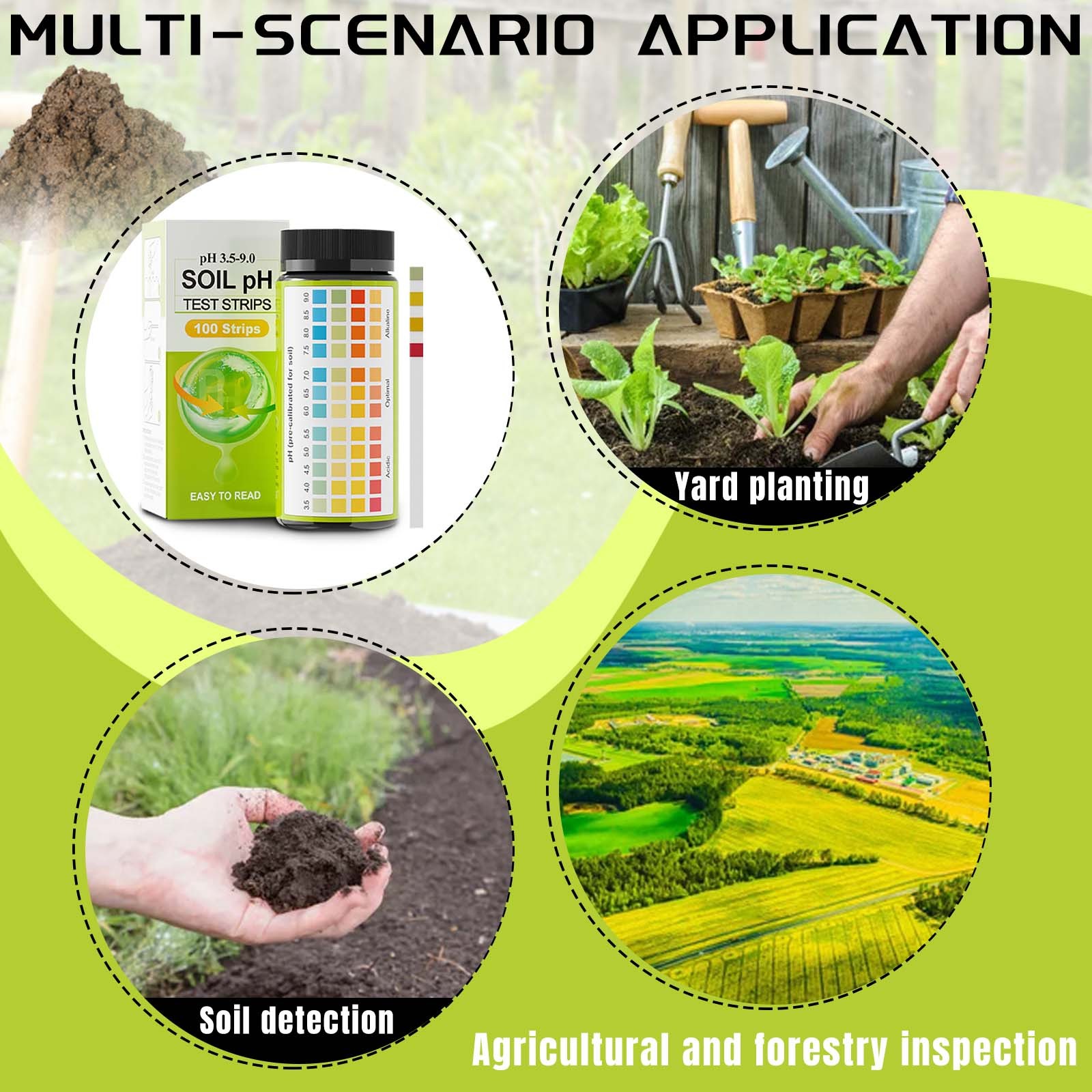
Soil pH measures how acidic or alkaline your soil is. Most plants prefer a pH between 6.0 and 7.0. Outside this range, plants may struggle to absorb nutrients. You can test your soil pH with a simple home test kit. Follow the kit instructions for an accurate reading. If the pH is too high or low, you may need to add lime or sulfur to adjust it. Have you ever noticed how some plants thrive while others lag behind? Checking and adjusting your soil’s pH might just be the game-changer your garden needs. Understanding and adjusting soil pH can make all the difference in achieving a lush, vibrant garden.Tools For Soil Testing
Testing garden soil is crucial for healthy plant growth. Use a pH meter to check acidity levels. A soil moisture meter helps monitor water content.
Testing your garden soil is a crucial step in ensuring your plants thrive. The right tools can make this process straightforward and effective. Whether you’re a DIY enthusiast or prefer professional insights, there are options to suit your needs and budget. Let’s explore some of these tools and services.Diy Testing Kits
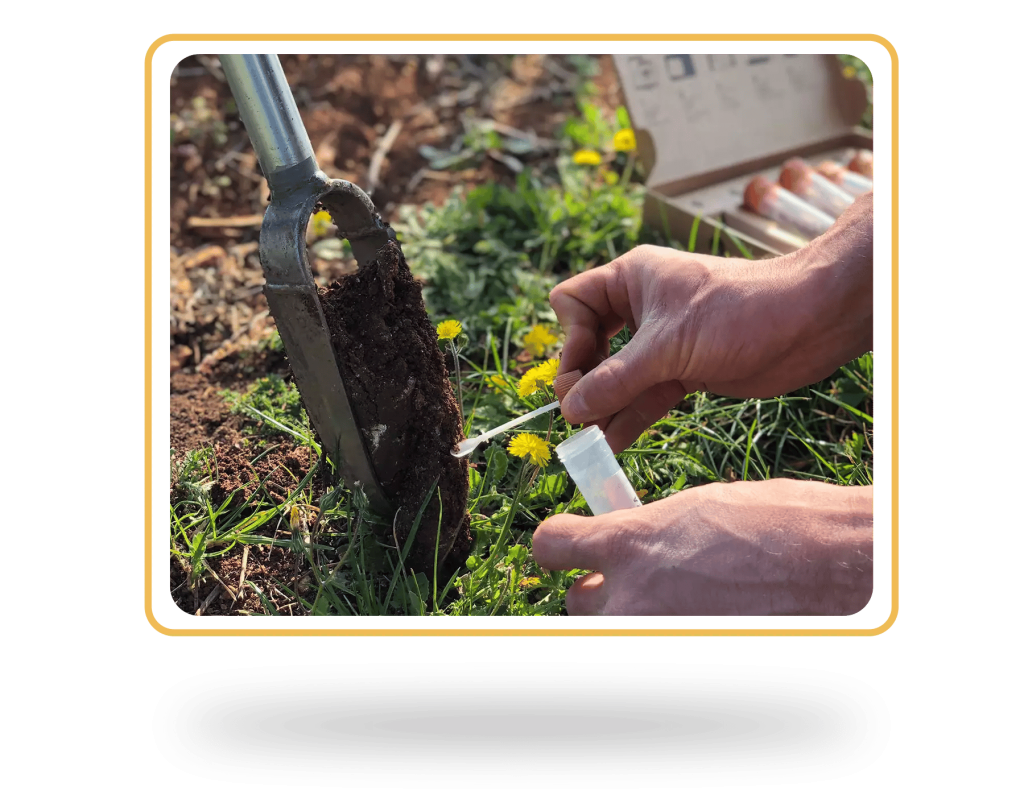
DIY soil testing kits are a popular choice for gardeners who enjoy hands-on projects. These kits are user-friendly and available at most garden centers or online. They typically include simple tools and instructions to test pH, nitrogen, phosphorus, and potassium levels. You’ll get immediate results, helping you adjust your soil composition on the go. Using a DIY kit can be a fun weekend project, especially if you involve family members. You might be surprised at what you discover about your soil’s health.Professional Laboratory Services
For those seeking detailed analysis, professional laboratory services offer comprehensive insights. These services go beyond basic nutrient levels, providing information on soil texture, organic matter, and even contaminants. Sending a soil sample to a lab might seem daunting, but it’s straightforward. Most labs provide a kit with instructions on how to collect and send your soil sample. Professional testing is ideal if you’ve faced persistent gardening issues or are starting a large-scale project. The investment can lead to a healthier garden and better yields. Have you ever considered the impact of soil health on your garden’s success? With the right tools, testing your soil can be an enlightening experience. Whether you choose a DIY kit or a professional service, understanding your soil is the first step to cultivating a flourishing garden.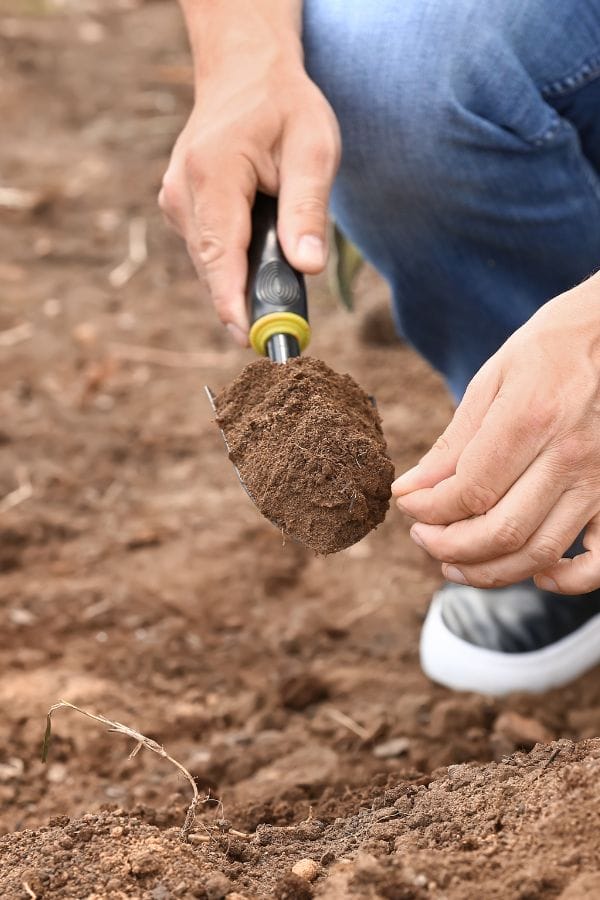
Credit: littlesproutslearning.co
Collecting Soil Samples
Collecting soil samples is a crucial step in testing garden soil. The quality of your soil can greatly influence plant growth, so understanding its composition is key. By gathering samples correctly, you can ensure accurate analysis and make informed decisions about your gardening practices.
Choosing The Right Location
Start by considering the areas of your garden where you grow different plants. Are there spots where growth is uneven? You might want to focus on those areas first. Choose locations that represent the diversity of your garden, such as sunny patches, shaded areas, and spots near water sources.
Think about the plants you want to grow and their needs. Do they require specific soil conditions? This can guide you in selecting the right locations for sampling. A thoughtful approach can reveal hidden patterns in soil quality.
Proper Sampling Techniques
Sampling correctly is vital for accurate results. Use a clean trowel or spade to collect soil from several spots in the chosen location. Aim for a depth of about 6 inches, as this is where most root activity occurs. Mix the samples together in a clean bucket.
Ensure that your tools are clean to avoid contamination. Even small residues can skew results. Collect at least five samples from each location to create a representative composite sample. This process ensures a balanced assessment of your soil’s health.
Consider the time of year when collecting samples. Soil conditions can vary with seasons, affecting results. Knowing when to sample can provide insights into seasonal changes and how they impact your garden.
Have you ever wondered how a simple soil test could transform your garden? By following these steps, you can uncover the secrets hidden beneath your plants and nurture them to their full potential.
Interpreting Soil Test Results
Testing garden soil reveals vital information for healthy plant growth. Assess nutrient levels, pH, and texture for optimal results. Use insights to adjust soil conditions and enhance your garden’s productivity.
Interpreting soil test results can feel like deciphering a foreign language. Yet, understanding these results is crucial to nurturing a thriving garden. By breaking down the components of your soil test, you can make informed decisions that will lead to healthier plants and better yields.Reading Ph Levels
The pH level of your soil indicates its acidity or alkalinity, which greatly affects plant growth. A pH scale ranges from 0 to 14, with 7 being neutral. Most garden plants thrive in a pH between 6 and 7.5. To adjust the pH, you might need to add lime to increase alkalinity or sulfur to increase acidity. Consider how a slight pH tweak can unlock your soil’s potential—what might it do for your tomatoes or roses?Nutrient Deficiency Indicators
Soil tests often highlight nutrient deficiencies by showing low levels of essential elements like nitrogen, phosphorus, and potassium. A deficiency can stunt plant growth and reduce yield. Addressing these deficiencies is straightforward. For nitrogen, you might use compost or manure; for phosphorus, bone meal is effective; for potassium, try wood ash or greensand. Regular soil testing helps ensure you’re not guessing your garden’s needs. Imagine the satisfaction of seeing your plants flourish because you’ve given them exactly what they need. Isn’t it worth a bit of effort to ensure your soil is a perfect match for your gardening dreams?Improving Soil Quality
Testing garden soil helps identify its nutrients and pH levels. Use a DIY soil test kit for quick results. Analyze soil texture and moisture to improve garden health.
Improving soil quality is essential for a thriving garden. Healthy soil promotes strong plant growth and increases crop yield. Testing soil reveals its current state and highlights areas for improvement. Knowing how to amend it ensures optimal conditions for plant health.Amending Soil Ph
Soil pH affects nutrient availability and plant growth. Use a soil test kit to check your soil’s pH level. Most plants prefer a pH between 6.0 and 7.5. If your soil is too acidic, consider adding lime. Lime raises the pH level. For alkaline soil, sulfur can help lower the pH. These amendments adjust the soil to better suit your plants.Enhancing Nutrient Content
Nutrients are vital for plant growth. Test your soil for key nutrients like nitrogen, phosphorus, and potassium. If nutrient levels are low, add organic matter like compost or well-rotted manure. These enrich the soil naturally. For specific nutrient deficiencies, use commercial fertilizers tailored to your needs. Proper nutrient balance promotes healthy plant growth and better yields. Improving soil quality involves understanding its current state. With regular testing, gardeners can make informed amendments. This ensures a productive and healthy garden.Seasonal Soil Testing Tips
Testing garden soil is vital for a healthy garden. Understanding seasonal soil testing tips helps optimize your efforts. By testing at the right time and adjusting for different plants, you can ensure your garden thrives.
Timing For Best Results
Spring is ideal for soil testing. The ground thaws, revealing true soil conditions. Testing in fall also helps. It prepares soil for winter amendments. Avoid testing during extreme weather. It skews results.
Test soil annually. It tracks changes over time. Repeat tests reveal nutrient shifts. Regular testing helps plan fertilization. It leads to better plant growth.
Adjusting For Different Plants
Different plants need different nutrients. Vegetables often need more nitrogen. Flowers may require phosphorus. Test soil near plant roots. It shows what each plant absorbs.
Use specific tests for plant types. Some kits cater to vegetables. Others focus on flowers. Tailor amendments based on results. It ensures plants get what they need.
Consider crop rotation. Different plants use different nutrients. Rotate crops for balanced soil. It prevents nutrient depletion.
Common Soil Problems
Garden soil can have several hidden issues. These issues affect plant growth and health. Common problems include compacted soil and excess salinity. Knowing these helps you fix them effectively.
Dealing With Compacted Soil
Compacted soil restricts air and water movement. Plants struggle to grow in it. You can test by inserting a stick into the soil. If it meets resistance, the soil is compacted. To fix this, aerate the soil. Use a garden fork to loosen it.
Add organic matter like compost. This improves soil structure. Repeat this process regularly for best results. Mulching also helps. It protects the soil surface from further compaction.
Managing Excess Salinity
Excess salinity harms plant roots. It blocks water absorption. You can test for salinity with a soil test kit. High levels indicate a problem. To manage salinity, improve drainage. Good drainage washes away excess salts.
Use gypsum to replace sodium with calcium. This improves soil texture. Avoid over-fertilizing with chemical fertilizers. They often increase salinity. Choose organic fertilizers for healthier soil.
Benefits Of Regular Soil Testing
Regular soil testing offers many benefits for gardening enthusiasts. It provides insights into the soil’s nutrient content, pH level, and composition. This information helps gardeners make informed decisions for their plants. By understanding the soil’s current state, gardeners can address deficiencies and promote healthier growth. Let’s explore some key benefits of regular soil testing.
Optimizing Plant Growth
Healthy soil is essential for plant growth. Soil testing reveals nutrient levels and pH balance. This information helps in choosing the right fertilizers and amendments. Plants receive the nutrients they need, leading to better growth and yield. Proper nutrient balance supports root development and strengthens plant structure.
Preventing Plant Diseases
Balanced soil reduces the risk of plant diseases. Soil testing identifies nutrient imbalances that can weaken plants. Weak plants are more susceptible to pests and diseases. Correcting soil deficiencies enhances plant immunity. Healthy plants resist diseases and thrive in their environment.
Credit: www.walmart.com
Frequently Asked Questions
How Can I Test My Soil In My Garden?
Test your garden soil by using a home soil test kit. Collect soil samples from different areas. Follow the kit instructions for best results. Send samples to a local extension service for more detailed analysis. Regular testing ensures healthy plant growth and optimal soil conditions.
How To Tell If Garden Soil Is Good?
Check soil texture; it should be crumbly and rich. Ensure it’s dark in color, indicating organic matter. Test drainage by observing water absorption. Smell should be earthy, not sour. Conduct a pH test; ideal pH is 6-7. Use soil test kits for nutrient analysis.
Are Diy Soil Test Kits Accurate?
DIY soil test kits provide basic accuracy for pH and nutrient levels. They may not match lab precision. Regular calibration and proper usage can improve results. For detailed analysis, professional testing is recommended. Choose reputable brands for better reliability.
How Much Does It Cost To Have Your Garden Soil Tested?
Garden soil testing costs between $10 and $50. Prices vary based on the test type and location. Basic tests are cheaper, while comprehensive tests cost more. Local extension services or private laboratories offer testing services. Prices may include shipping and handling fees.
Always compare different providers for the best deal.
Conclusion
Testing garden soil is simple and important. It helps plants grow strong. Use a soil test kit to check nutrients. Look for pH level, nitrogen, phosphorus, and potassium. Healthy soil means healthy plants. Adjust soil with compost or fertilizers. Follow the test instructions closely.
Re-test after changes. Regular testing keeps your garden thriving. Enjoy vibrant flowers and tasty vegetables. A well-maintained garden brings joy and beauty. Happy gardening!