So, you’re ready to start your very own vegetable garden? That’s fantastic!
But before you dig in, let’s talk about the foundation of any great garden: the soil. Preparing your soil properly can mean the difference between a bountiful harvest and a lackluster yield. Imagine biting into a juicy, homegrown tomato or savoring the crisp crunch of your own lettuce.
It all starts with the right soil preparation. You’ll discover simple, actionable steps to get your soil in tip-top shape. Whether you’re a gardening newbie or a seasoned green thumb, these tips will help you cultivate a thriving vegetable garden. So, are you ready to transform your backyard into a lush, productive oasis? Let’s get started!
Credit: www.canr.msu.edu
Choosing The Right Location
Selecting an ideal spot is crucial for preparing soil for a vegetable garden. Ensure the area gets plenty of sunlight and has good drainage. This helps in nurturing healthy plants and achieving a bountiful harvest.
Choosing the right location for your vegetable garden can make all the difference between a thriving plot and a struggling one. It’s not just about aesthetics or convenience. The right spot ensures your plants get what they need to grow. Consider these essential factors to set your garden up for success.Sunlight Requirements
Vegetables are sun lovers. Most need at least 6-8 hours of direct sunlight every day. Observe your yard at different times to identify the sunniest spots. You might be surprised how shadows shift throughout the day. Choose a location that maximizes sun exposure for your garden’s success.Proximity To Water Source
Watering your garden should be convenient, not a chore. Consider how close your garden is to a water source. Can you easily run a hose to your plants, or will you need to carry water? A nearby water source saves time and ensures your plants get the hydration they need, especially in hot weather.Wind Protection
Strong winds can damage plants and dry out soil. Look for natural windbreaks like fences, walls, or hedges. If none exist, consider planting taller plants or installing a windbreak structure. Protecting your plants from harsh winds can lead to healthier growth and better yields. Choosing the right location is your first step to gardening triumph. Evaluate your yard with these factors in mind, and set the stage for a bountiful harvest.Testing Soil Quality
Testing soil quality ensures healthy growth for your vegetable garden. Check pH levels and nutrient content before planting. Amend soil with compost or organic matter for improved fertility.
Testing soil quality is vital for a thriving vegetable garden. It helps understand the soil’s current state. With this knowledge, you can make necessary adjustments. This ensures your plants grow healthy and strong.Soil Ph Levels
Soil pH affects nutrient availability. A pH scale ranges from 0 to 14. Most vegetables thrive in soil with a pH of 6 to 7. Test your soil using a pH meter or a soil test kit. Adjust the pH by adding lime for acidic soil or sulfur for alkaline soil.Nutrient Content
Nutrients are essential for plant growth. Test your soil for nitrogen, phosphorus, and potassium. These are the primary nutrients plants need. A soil test kit can help determine nutrient levels. If nutrients are low, consider adding organic matter or fertilizers.Structure And Texture
Soil structure and texture influence water retention and root growth. Good soil structure is crumbly and allows air and water to move freely. Test soil texture by feeling it. Sandy soil feels gritty; clay feels sticky. Improve structure by adding compost or aged manure. This enhances drainage and aeration.Clearing And Tilling The Area
Begin by clearing the area of weeds and debris. Tilling the soil improves aeration and makes it ready for planting.
Preparing your soil for a vegetable garden is like setting the stage for a thriving performance. One of the most crucial steps in this process is clearing and tilling the area. By removing obstacles and creating optimal conditions, you pave the way for your vegetables to flourish. Let’s dive into the nitty-gritty of this essential gardening task.Removing Weeds And Debris
Start by clearing your garden area of any weeds and debris. Weeds compete with your vegetables for nutrients, water, and sunlight. Use a hoe or hand tool to remove them from the roots to prevent regrowth. Debris like rocks and sticks can obstruct plant growth. Create a clean slate by meticulously removing all clutter. This might seem tedious, but think of it as laying a solid foundation for your garden dreams.Tilling Techniques
Tilling breaks up the soil, making it easier for roots to grow. Use a rototiller or garden fork to loosen the earth. Keep the depth around 6 to 8 inches for optimal root penetration. Consider the direction you till. Going in straight rows can help with planting later. Have you ever noticed how a freshly tilled garden has a certain orderliness? It’s almost therapeutic to see those neat rows, promising a future bounty.Aeration Benefits
Aeration is the secret ingredient for a healthy garden. By tilling, you introduce air into the soil, which is vital for root development and nutrient absorption. Aerated soil drains better, preventing root rot from excess water. Imagine your garden breathing easier, just like we do after a deep breath. Isn’t it fascinating how such simple steps can lead to vibrant growth? As you clear and till, picture the vibrant vegetables that will soon occupy this space. Are you ready to nurture your garden into a thriving oasis?Amending The Soil
Amending the soil ensures a fertile base for a thriving vegetable garden. Mix in organic matter like compost to boost nutrients. Loosen the soil to improve drainage and aeration, helping roots grow strong.
Amending the soil is crucial for a healthy vegetable garden. This process improves soil structure, fertility, and drainage. It ensures your plants get the nutrients they need. Let’s explore how to amend your soil effectively.Organic Matter Addition
Organic matter enhances soil quality significantly. It improves soil texture and moisture retention. You can add organic matter by using materials like leaves, grass clippings, or straw. These materials decompose and enrich the soil over time. They help create a healthy environment for plant roots.Compost And Manure
Compost is a powerful soil amendment. It adds nutrients and beneficial microorganisms. You can make your own compost or buy it. Use kitchen scraps and yard waste for homemade compost. Spread compost evenly over your garden soil. Manure is another excellent option. Use aged manure to avoid burning plants. It provides essential nutrients and improves soil structure.Adjusting Ph With Lime Or Sulfur
Soil pH affects nutrient availability. Test your soil’s pH before planting. If your soil is too acidic, add lime. Lime raises pH and reduces acidity. For alkaline soil, use sulfur. Sulfur lowers pH and increases acidity. Apply lime or sulfur according to package instructions. Proper pH balance ensures optimal plant growth.Improving Drainage
Enhance soil drainage for vegetable gardens by mixing organic matter like compost or peat moss. This boosts water flow and reduces puddling. Ensure soil is loose and well-aerated to promote root health and nutrient absorption.
Improving drainage in your vegetable garden is crucial for healthy plant growth. Poor drainage can lead to waterlogged soil, which suffocates roots and encourages rot. Let’s explore some practical ways to enhance drainage in your garden.Creating Raised Beds
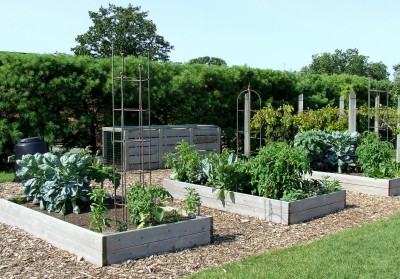
Creating raised beds is one of the simplest ways to improve drainage. By elevating the soil, you allow excess water to drain away more efficiently. Raised beds also provide better soil structure and can be filled with a customized soil mix that promotes drainage. Consider using materials like wood, stone, or recycled plastic to construct your beds. Ensure they are at least 12 inches high for optimal drainage. This method not only aids in drainage but also makes your garden more accessible and easier to maintain.Using Sand Or Perlite
Adding sand or perlite to your soil mix is another effective way to enhance drainage. These materials increase soil porosity, allowing water to flow through more freely. A good rule of thumb is to mix one part sand or perlite with two parts soil. Be cautious not to add too much sand, as this can turn your soil into concrete-like consistency when dry. Perlite, a lightweight volcanic glass, is an excellent alternative that won’t compact over time. Experiment with different ratios to find what works best for your specific soil type.Avoiding Compaction
Avoiding soil compaction is key to maintaining good drainage. Compacted soil restricts water movement and root growth. To prevent this, limit foot traffic in your garden beds and use stepping stones if necessary. Regularly aerate your soil by gently turning it with a garden fork. This practice not only improves drainage but also increases oxygen levels in the soil. Remember, healthy soil structure is vital for a thriving vegetable garden. Are you ready to transform your garden with these drainage tips? Dive in and watch your vegetables flourish!
Credit: migardener.com
Fertilizing Strategies
Begin by enriching the soil with organic matter like compost. This boosts nutrients and improves soil texture. Testing the soil’s pH level ensures optimal conditions for growth.
Preparing soil for a vegetable garden involves many steps. Fertilizing strategies play a crucial role in ensuring healthy growth. The right fertilizer provides essential nutrients. Nutrients boost plant health and increase yield. Let’s explore effective fertilizing strategies.Choosing The Right Fertilizer
Select a fertilizer based on your soil’s needs. Conduct a soil test to identify nutrient deficiencies. Choose a balanced fertilizer for general purposes. For specific deficiencies, opt for targeted fertilizers. Look for labels that specify nutrient content.Application Timing And Methods
Apply fertilizers at the right time for best results. Pre-planting is crucial for nutrient uptake. Use the broadcast method for even distribution. Side-dressing works well during growth phases. Water the soil after applying to aid absorption.Organic Vs. Synthetic Options
Consider organic fertilizers for an eco-friendly choice. They improve soil structure and add organic matter. Synthetic fertilizers provide quick nutrient release. They are suitable for immediate nutrient needs. Weigh the pros and cons of each option. Choose what aligns with your gardening goals.Mulching Techniques
Mulching techniques help prepare soil for a vegetable garden by retaining moisture and suppressing weeds. Organic materials like straw, leaves, or grass clippings can enrich soil and improve plant growth. Spread mulch evenly over the garden bed to maintain a stable soil temperature.
Mulching your vegetable garden can be a game-changer, providing numerous benefits for soil health and plant growth. It might seem like a simple layer of material, but the right mulch can significantly enhance your gardening experience. With a variety of mulching techniques available, understanding how to best use them can transform your garden into a thriving oasis.Types Of Mulch
Selecting the right type of mulch is crucial for your garden’s success. Organic mulches like straw, grass clippings, and shredded leaves not only enrich the soil as they decompose but also improve its structure. Inorganic options, such as black plastic or landscape fabric, offer longer-lasting weed control without adding nutrients. Mix and match different types of mulch based on your garden’s needs. For instance, using grass clippings around nitrogen-loving plants can be highly beneficial. Always ensure that your chosen mulch is free from chemicals or seeds that could harm your vegetables.Application Benefits
Applying mulch is not just about aesthetics; it’s about creating a protective barrier for your soil. It helps retain moisture, reducing the need for frequent watering, especially during hot summer days. Mulch also regulates soil temperature, keeping it cool in summer and warm in winter, which is crucial for root health. By adding mulch, you can enhance soil fertility over time. As organic mulch breaks down, it releases nutrients back into the soil. This natural fertilization process can lead to healthier and more productive plants.Preventing Weeds
Weeds can quickly become a gardener’s nemesis, but mulch serves as an effective deterrent. By blocking sunlight, mulch prevents weed seeds from germinating. This simple act saves you countless hours of labor and keeps your vegetable garden looking pristine. Have you ever noticed how a well-mulched garden seems to have fewer weeds? The secret lies in consistent and adequate mulch coverage. Aim for a thickness of about 2-4 inches to ensure those pesky weeds stay at bay. Incorporating mulching techniques into your gardening routine can yield impressive results. Whether it’s choosing the right type, understanding its benefits, or using it to combat weeds, mulch is a powerful ally in your quest for a bountiful vegetable garden. So, what type of mulch will you try in your garden this season?Seasonal Considerations
Preparing soil for a vegetable garden involves understanding seasonal changes. Start by testing the soil’s pH level and nutrient content. Add organic matter like compost to enrich the soil. Adjust watering practices based on the season to maintain optimal moisture levels.
Seasonal considerations are crucial for successful vegetable gardening. Different seasons bring unique challenges and opportunities. Understanding how to adjust soil preparation can lead to healthier plants and better yields. Each season demands specific techniques to ensure optimal growth. Let’s explore how to adapt your soil preparation to the changing seasons.Preparing For Different Climates
Vegetable gardens thrive in varied climates. In warm regions, soil tends to dry out quickly. Add organic matter to retain moisture. In cooler climates, soil may stay damp longer. Ensure good drainage to prevent root rot. Know your climate’s peculiarities for tailored soil prep.Adjusting For Seasonal Changes
Spring is a prime planting season. Soil needs nutrients to support new growth. Enrich the soil with compost or manure. In summer, water evaporation is high. Mulch the soil to conserve moisture. Fall brings cooler temperatures. Prepare the soil for winter crops by adding slow-release fertilizers.Cold Weather Preparations
Winter can be harsh on plants. Protect your soil with mulch or cover crops. These keep the soil insulated and prevent erosion. Plan for frost by choosing hardy vegetables. Amend the soil with lime to reduce acidity. Cold weather demands extra care for healthy soil.Common Mistakes To Avoid
Preparing soil for a vegetable garden requires careful attention. Mistakes can hinder plant growth and reduce yields. Knowing what not to do is as important as knowing what to do. Let’s explore some common mistakes to avoid for a thriving vegetable garden.
Over-tilling
Many gardeners over-till their soil. This disrupts the natural structure and harms beneficial organisms. Soil should be tilled only when necessary. Aim to till lightly and avoid doing it excessively. This helps maintain soil health and structure.
Ignoring Soil Testing
Soil testing is crucial for understanding its nutrient content. Many skip this step and face nutrient imbalances. A simple soil test can guide you on required amendments. It ensures your plants get the right nutrients for optimal growth.
Improper Fertilizer Use
Using the wrong fertilizer can harm your plants. It may lead to nutrient overload or deficiency. Always choose fertilizers suited to your soil’s needs. Follow the recommended amounts to avoid damaging your vegetable garden.

Credit: medium.com
Frequently Asked Questions
What Is The Best Way To Prepare Vegetable Garden Soil?
To prepare vegetable garden soil, mix organic matter like compost or aged manure. Ensure good drainage by loosening compacted soil. Test soil pH and amend as needed for optimal growth. Rotate crops annually to prevent nutrient depletion. Regularly remove weeds to maintain healthy soil.
What Month Should I Start Preparing My Vegetable Garden?
Start preparing your vegetable garden in early spring, around March or April. This timing ensures optimal growth conditions and allows you to plant cool-season crops. Consider your local climate and frost dates for the best results. Preparing soil and planning your layout are crucial steps for a successful garden.
How To Prep Garden Soil In The Fall?
Begin by clearing debris and weeds. Add compost or organic matter to enrich the soil. Test soil pH and amend as needed. Till or turn the soil to improve aeration. Cover with mulch to protect from winter erosion.
What Is The Best Soil Recipe For A Vegetable Garden?
Use a mix of 40% compost, 40% topsoil, and 20% perlite for ideal vegetable garden soil. This blend ensures proper drainage, aeration, and nutrients. Adjust pH levels based on specific vegetable needs. Regularly test and amend soil for best growth results.
Conclusion
Creating the perfect soil for your vegetable garden is essential. Healthy soil equals healthy plants. Start by removing weeds and debris. Add compost to enrich the soil. Test the pH level for balance. Ensure proper drainage to prevent waterlogging. Mix the soil well for even nutrients.
Use natural fertilizers for growth boost. Regularly check the soil’s condition. Adjust as needed for plant health. A well-prepared soil leads to a thriving garden. Enjoy fresh, homegrown vegetables all season long. Gardening is a rewarding journey. Happy planting!