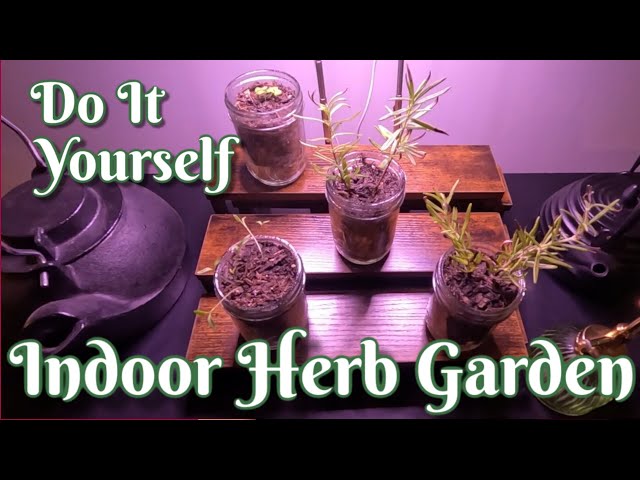
Imagine a space in your home where the air feels fresher, your mood lifts, and nature’s touch is just a hand’s reach away. Creating your own indoor garden can transform any living area into a vibrant, calming oasis.
Whether you’re in a city apartment or a suburban house, you have the power to cultivate lush greenery that not only beautifies your surroundings but also nourishes your soul. But what if you could set it up all by yourself?
With a few simple steps, you can dive into the rewarding world of indoor gardening without needing a green thumb. Your journey towards a greener home starts here. Are you ready to discover how your indoor space can thrive with life? Let’s dig in and explore the possibilities!
Credit: www.extraspace.com
Benefits Of Indoor Gardening
Create your own indoor garden to enjoy fresh air and vibrant colors. Boost mood and reduce stress with greenery. Gardening indoors lets you grow herbs and plants year-round.
Creating a Do It Yourself (DIY) indoor garden is not just about beautifying your living space. It’s about bringing a slice of nature into your home, enriching your life with tangible benefits. Imagine waking up to the refreshing sight of lush green leaves and vibrant blooms. Beyond aesthetics, indoor gardening can boost your well-being in unexpected ways.Improved Air Quality
Indoor plants are natural air purifiers. They absorb pollutants and release fresh oxygen. This means breathing cleaner air right in your living room. NASA’s Clean Air Study found that houseplants can remove up to 87% of air toxins in just 24 hours. Don’t you want a natural air filter?Enhanced Mood And Reduced Stress
Gardening is therapeutic. Tending to plants can lower stress levels and enhance mood. Imagine returning home after a long day and finding solace in your mini indoor garden. It’s like therapy without the bills.Increased Creativity And Productivity
Having plants in your workspace can boost creativity and productivity. A green environment encourages innovative thinking. Studies suggest that workers in green offices are 15% more productive. Wouldn’t a few potted plants be the easiest upgrade to your workspace?Healthier Lifestyle Choices
Growing your herbs and veggies can lead to healthier eating habits. You can pick fresh ingredients right from your garden. Basil for your pasta, mint for your tea—it’s all just a reach away. This direct access can inspire you to cook more at home.Learning And Skill Development
Indoor gardening is an excellent way to develop new skills. You learn about plant care, pest management, and even patience. Each plant teaches you something different, and the learning never stops. Are you ready to become a plant expert?Cost-effective Hobby
Starting an indoor garden doesn’t require a big investment. With a few seeds, pots, and soil, you’re good to go. Compare this to other hobbies, and you’ll find gardening is both fulfilling and budget-friendly. Plus, it gives back in greens and blooms.Choosing The Right Plants
Selecting the perfect plants for your DIY indoor garden enhances its beauty and health. Consider light, space, and care needs. Choose hardy plants like succulents or ferns for easy maintenance.
Choosing the right plants for your indoor garden can transform your space. It’s not just about aesthetics; it’s about enhancing your environment. Selecting plants that fit your lifestyle is crucial. Some plants need little attention, while others improve air quality or provide edible treats. Let’s explore the best options for your indoor garden.Low-maintenance Options
Some plants thrive with minimal care. Perfect for busy individuals. Consider succulents and cacti. They store water in their leaves. Water them sparingly. Snake plants and pothos also require little attention. They tolerate low light and infrequent watering. These choices keep your garden thriving without constant upkeep.Best Plants For Air Quality
Plants can purify indoor air. They remove toxins and improve breathing. Spider plants are excellent air purifiers. Peace lilies filter out harmful substances. Aloe vera not only cleans air but aids skin health. These plants boost your home’s freshness.Edible Choices For Your Kitchen
Grow your own herbs and vegetables indoors. Basil, mint, and parsley thrive in pots. They add flavor to your dishes. Cherry tomatoes and chili peppers can grow indoors too. Fresh produce enhances your meals and saves trips to the market. Choosing plants wisely enriches your living space. With these options, your indoor garden will flourish.Designing Your Indoor Garden
Designing your indoor garden can be an exciting journey that transforms your living space into a lush oasis. Whether you have a sprawling home or a cozy apartment, there’s always room for a bit of greenery. The key is to make the most out of your space by using clever design strategies. Let’s explore some practical ideas to help you create a vibrant indoor garden.
Space-saving Techniques
Maximizing space is crucial, especially in smaller homes. Consider multi-functional furniture that doubles as plant stands. A shelf can hold books and plants alike, creating a mini garden library. Wall-mounted planters are another great way to save floor space. By going vertical, you can add more plants without cluttering your room.
Think about using window sills and ledges as plant perches. They receive natural light, which is perfect for sun-loving plants. You can even hang plants from the ceiling using hooks and macramé hangers. This adds dimension to your indoor garden and makes it feel more immersive.
Creative Containers And Displays
Your choice of containers can elevate the look of your indoor garden. Use colorful pots to add a splash of personality. Or try repurposing household items like teacups, jars, or baskets for a whimsical touch. Transparent containers can showcase plant roots, creating an intriguing display.
Consider grouping plants with similar care needs together in a single container. This not only looks aesthetically pleasing but also simplifies maintenance. You could arrange them in a tiered display, making it easy to access each plant. Remember, the goal is to make your garden both beautiful and functional.
Incorporating Vertical Gardens
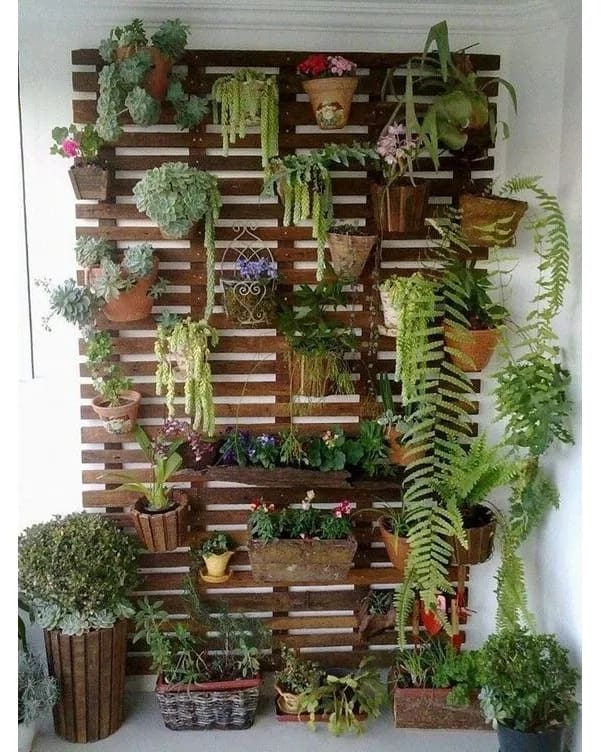
Vertical gardens are fantastic for creating a green backdrop in your home. They can be as simple as a pegboard with hanging pots or as elaborate as a living wall. What about using a ladder shelf? It’s perfect for stacking pots and creating a cascading effect of greenery.
Think about what plants to include in your vertical setup. Choose varieties that thrive in the light conditions of the space. Herbs are a good choice for kitchens, while trailing plants work well in living areas. Your vertical garden can become a focal point, adding depth and interest to any room.
Have you considered the impact of your indoor garden on your overall home environment? With the right design, it can become a sanctuary that promotes relaxation and creativity. Start small, experiment, and watch your indoor garden grow into a beautiful reflection of your style.
Lighting For Indoor Gardens
Lighting plays a key role in a DIY indoor garden. LED grow lights mimic natural sunlight, helping plants thrive. Ensure your setup provides the right intensity and duration for healthy growth.
Creating a thriving indoor garden is an exciting endeavor that invites a touch of nature into your home. Lighting plays a pivotal role in ensuring your plants grow lush and healthy. The right balance of natural and artificial light can make all the difference in transforming your indoor space into a green oasis.Natural Light Considerations
Natural light is a fantastic resource for indoor gardens, but it requires careful consideration. South-facing windows often provide the most sunlight, making them ideal for light-loving plants like succulents and herbs. However, you might need to move your plants around as seasons change to avoid scorching leaves or depriving them of light. Observe how light moves through your space during the day. Is there a spot that receives consistent light throughout the day? If so, that’s prime real estate for your indoor garden. Remember, too much direct sunlight can be just as harmful as too little.Artificial Lighting Options
When natural light is scarce, artificial lighting becomes your best ally. LED grow lights are energy-efficient and can be adjusted to provide the right spectrum for plant growth. Fluorescent lights are another popular option; they work well for seedlings and leafy greens. Consider the height of your plants when choosing artificial lights. Tall plants may need lights positioned higher, while shorter plants might thrive with lights closer to them. Investing in a timer can also help maintain a consistent light schedule, which is crucial for plant health.Positioning Lights For Optimal Growth
Positioning your lights correctly can drastically improve your garden’s growth. Hang lights at an appropriate distance to avoid burning the plants, typically around 6-12 inches for most grow lights. Adjust the height as your plants grow to maintain the optimal distance. Do you have plants with different light needs? Group them accordingly and adjust lighting setups to cater to each group’s requirements. Regularly rotate your plants to ensure even light distribution and prevent them from growing lopsided. Creating the perfect lighting setup for your indoor garden is a blend of observation and adjustment. What unique challenges have you faced while lighting your indoor garden? Share your experiences and insights in the comments below!Watering And Maintenance Tips
Ensure your DIY indoor garden thrives with regular watering. Check soil moisture before each watering session. Use a spray bottle for even moisture distribution. Trim plants and remove dead leaves to keep them healthy.
Creating a thriving indoor garden is more than just planting seeds and watching them grow. It’s an ongoing relationship with your plants that requires consistent attention and care. Watering and maintenance are crucial to keeping your indoor garden lush and vibrant. Let’s delve into the essentials that will ensure your plants are not just surviving, but flourishing.Watering Schedules
Consistency is key in watering your indoor garden. Most indoor plants thrive with a regular schedule, but the frequency depends on the type of plant and the environment. Consider the light and humidity levels in your home. Plants in sunnier spots may need more frequent watering than those in shadier areas. A simple way to check if your plant needs water is by touching the soil. If the top inch is dry, it’s time to water. Trust your fingers more than your eyes.Soil And Fertilizer Use
The right soil and fertilizer can make all the difference. Choose a soil mix that offers good drainage. This helps prevent waterlogging, which can lead to root rot. When it comes to fertilizer, less is often more. Over-fertilizing can harm your plants. Opt for a balanced, water-soluble fertilizer every few weeks during the growing season. Think of fertilizer as a supplement, not a meal. Your plants rely on it for essential nutrients but don’t overdo it.Pest Management Strategies
Indoor gardens aren’t immune to pests. However, you can manage them effectively with vigilance and prompt action. Regularly inspect your plants for signs of pests like tiny webs, discolored leaves, or unusual spots. The earlier you catch them, the easier they are to control. Natural remedies like neem oil or insecticidal soap can be effective against common indoor pests. Keep your garden healthy and resilient with these simple solutions. Your indoor garden is a living ecosystem. With attentive care, you can ensure it remains a beautiful and rewarding part of your home.
Credit: www.extraspace.com
Incorporating Technology
Enhance your DIY indoor garden with smart devices. Automate watering, lighting, and monitor plant health effortlessly. Embrace technology for thriving plants.
Growing an indoor garden can be a fulfilling hobby, but incorporating technology can elevate your experience to a new level. Imagine managing your garden with the same ease as browsing your favorite apps. Technology not only simplifies plant care but also optimizes growth and health. Let’s dive into some innovative tools and systems you can use.Smart Gardening Tools
Smart gardening tools are a game-changer for indoor gardening enthusiasts. These devices offer precise measurements and insights, ensuring your plants thrive. Consider using a smart soil sensor. It tracks moisture, temperature, and even sunlight levels. With real-time data sent to your smartphone, you can make informed decisions about watering and light adjustments.Automated Watering Systems
Gone are the days of guessing when to water your plants. Automated watering systems take the guesswork out of plant care. These systems can be programmed to water your plants at optimal times. You can adjust settings based on the plant type and season. This ensures your plants get the right amount of water, preventing over or under-watering.Apps For Plant Care
Plant care apps are like having a gardening expert in your pocket. They offer a wealth of information tailored to your indoor garden’s needs. Some apps identify plants, diagnose issues, and even remind you when to water or fertilize. They’re perfect for both beginners and seasoned gardeners looking to optimize their plant care routine. Have you ever wondered if your plant is getting too much sunlight or too little water? These apps help answer those questions, ensuring your indoor garden thrives with minimal hassle. Incorporating technology into your indoor garden can transform your experience. It not only makes plant care more manageable but also more enjoyable. Are you ready to tech-up your green space?Styling And Aesthetics
Transform your space with a DIY indoor garden. Enhance aesthetics by choosing stylish pots and arranging plants creatively. Experiment with different plant types and colors to create a vibrant and refreshing atmosphere indoors.
Creating a DIY indoor garden is more than just nurturing plants. It’s about transforming your space into a vibrant and serene sanctuary. Styling and aesthetics play a crucial role in making your indoor garden a visual delight. With thoughtful design, your green oasis can enhance your home’s ambiance and reflect your personality.Color Schemes And Themes
Choosing the right color scheme can elevate your indoor garden’s appeal. Consider coordinating plant colors with your room’s palette. For a soothing look, pair green foliage with neutral tones like beige or white. Bold choices include vibrant blooms against dark backgrounds. You can also opt for themes like tropical or minimalist. This creates a cohesive and stylish environment that complements your decor.Mixing Plants With Decor
Integrating plants with decor elements adds depth to your space. Use shelves or hanging pots to display your greenery. Combine plants with art pieces or books for a curated look. Place larger plants next to furniture to create focal points. Mixing textures, like smooth pots with rugged plant leaves, adds interest. It’s all about finding balance and harmony between the natural and the man-made.Creating A Relaxing Atmosphere
An indoor garden should be a place of tranquility. Arrange your plants in cozy corners or near windows for natural light. Add soft lighting to enhance the mood during evenings. Incorporate elements like water fountains or candles for a calming effect. Choose plants known for purifying air to breathe easily. With these touches, your indoor garden becomes a peaceful retreat from the outside world.
Credit: food52.com
Common Challenges And Solutions
Creating a DIY indoor garden often faces light issues, space constraints, and pest problems. Solutions include using grow lights, vertical gardening techniques, and natural pest repellents to ensure plant health and growth.
Creating a thriving DIY indoor garden can be incredibly rewarding, but it doesn’t come without its challenges. Many indoor gardeners face common issues that can hinder the growth and health of their plants. Understanding these challenges and knowing the solutions can transform your indoor garden into a lush paradise. Let’s dive into some of these challenges and explore how you can overcome them.Dealing With Low Light
One of the most common obstacles is dealing with low light conditions. Many homes lack sufficient natural sunlight for plants to flourish. You might notice your plants stretching towards the light or leaves becoming pale. Solution: – Consider using LED grow lights. They mimic natural sunlight and are energy-efficient. – Place your plants near south-facing windows, if possible, as they receive the most sunlight during the day. – Rotate your plants regularly to ensure even light exposure. Ask yourself: Are your plants receiving enough light throughout the day?Managing Humidity Levels
Indoor environments can often be too dry for some plants, particularly tropical varieties. Low humidity can lead to leaf browning and poor growth. Solution: – Use a humidifier to maintain an ideal humidity level, especially during winter months when indoor air is drier. – Group plants together to create a microclimate with higher humidity. – Mist your plants regularly, but ensure they aren’t left wet overnight to prevent mold. Reflect: How do you keep your indoor environment plant-friendly?Preventing Overcrowding
As your plant collection grows, it’s easy to run out of space. Overcrowding can restrict air circulation and lead to pest infestations. Solution: – Plan your indoor garden layout, allowing space between plants for air circulation. – Consider vertical gardening techniques, like hanging pots or wall planters, to maximize space. – Regularly prune your plants to manage their size and shape. Challenge yourself: How can you creatively use your space to accommodate more plants? By addressing these common challenges with practical solutions, you can ensure your indoor garden remains healthy and vibrant. Whether you’re a seasoned gardener or just starting out, these tips can help you cultivate a green oasis indoors.Frequently Asked Questions
How To Start An Indoor Garden For Beginners?
Choose a bright spot for your indoor garden. Select easy-to-grow plants like herbs. Use quality potting soil and containers with drainage holes. Water regularly but avoid overwatering. Fertilize monthly for healthy growth.
What 7 Things Do Plants Need To Grow Indoors?
Plants need light, water, nutrients, air, space, temperature, and humidity to grow indoors. Ensure adequate sunlight or use grow lights. Water consistently without overwatering. Provide essential nutrients through soil or fertilizer. Maintain proper air circulation and temperature. Ensure enough space for roots and adjust humidity levels accordingly.
What Vegetables Grow Well Indoors?
Lettuce, spinach, and kale thrive indoors with proper light. Herbs like basil, mint, and chives also grow well. Use containers with good drainage. Provide adequate sunlight or use grow lights for best results. Keep the indoor environment consistent for healthy growth.
Enjoy fresh produce year-round.
Can You Grow Vegetables Indoors All Year Round?
Yes, you can grow vegetables indoors all year round. Use grow lights and temperature control for optimal growth. Choose suitable indoor-friendly vegetables like herbs, leafy greens, and small tomatoes. Ensure proper watering and nutrient supply for healthy plants. Create a dedicated indoor gardening space for best results.
Conclusion
Creating your own indoor garden is rewarding. It brings life to your space. You can grow herbs, flowers, or vegetables. Choose plants that fit your environment. Use pots, shelves, or small containers. Keep plants watered and get enough sunlight. This hobby is relaxing and productive.
You enjoy fresh produce at home. Gardening improves mood and health. Share your green success with friends. Inspire others to start their own garden. Simple steps make a big difference. Start your indoor garden today. Experience the joy of nurturing plants.
Bring nature indoors and enjoy the beauty. Happy gardening!