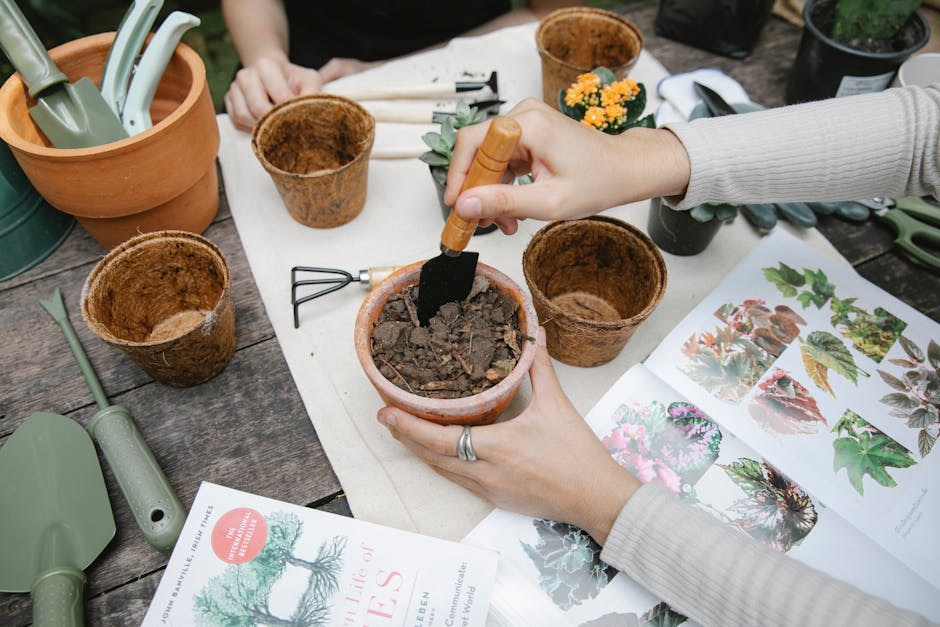
Have you ever found yourself standing in the gardening aisle, staring at rows of soil bags, and wondering which one to choose? You’re not alone.
Whether you’re a seasoned gardener or a budding plant enthusiast, understanding the difference between garden soil and potting soil is crucial for the success of your plants. Choosing the right soil can mean the difference between a thriving garden and one that’s struggling to survive.
So, if you’re ready to unlock the secrets to healthier plants and more bountiful blooms, keep reading. You’ll discover exactly what sets these two types of soil apart and how to make the best choice for your green space. Get ready to transform your gardening game!

Credit: homefortheharvest.com
Garden Soil Basics
Understanding the basics of garden soil can transform your gardening experience. Whether you’re a seasoned gardener or just starting, knowing what garden soil is made of and how it can be used effectively in landscaping is crucial. Garden soil is a natural blend that directly supports the growth and health of outdoor plants, providing them with essential nutrients and a stable foundation.
Composition And Characteristics
Garden soil is typically a mixture of organic matter, minerals, air, and water. Its composition varies depending on location, but it generally contains sand, silt, and clay in different proportions. The texture of garden soil is crucial; it influences water drainage and root penetration.
Unlike potting soil, garden soil is heavier and can compact over time. This density can be beneficial for certain plants that thrive in stable environments. However, it may require amendments, such as adding compost, to improve its nutrient content and drainage capabilities.
Common Uses In Landscaping
Garden soil is the backbone of landscaping projects. You can use it to create flower beds, vegetable gardens, and lawns. Its natural composition supports a wide range of plants, making it ideal for outdoor planting.
Beyond planting, garden soil can be used to level out uneven ground or build up areas for better drainage. Consider the specific needs of your plants and local climate when using garden soil in your landscaping projects. What will you create with your patch of earth?
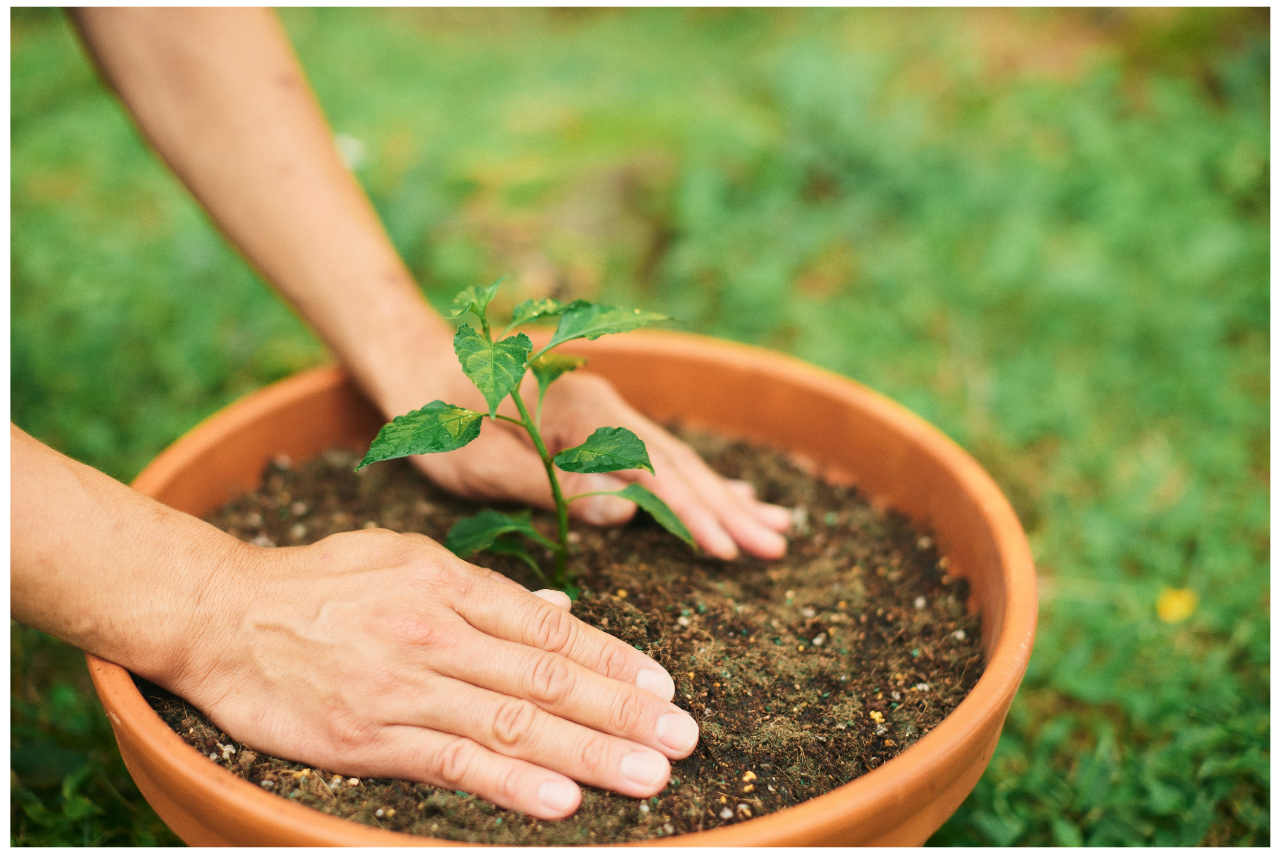
Credit: www.purplecoworganics.com
Potting Soil Essentials
Potting soil is vital for container gardening. Unlike garden soil, it is specially formulated for plants in pots. This soil supports healthy root growth and water drainage. Understanding its essentials can improve your plant care.
Components And Features
Potting soil is not just dirt. It includes a mix of ingredients for plant health. Common components are:
- Peat Moss:Retains moisture and provides structure.
- Perlite or Vermiculite:Improves aeration and drainage.
- Compost:Adds nutrients for plant growth.
- Coconut Coir:Sustainable alternative to peat moss.
Each component serves a purpose. Together, they create an ideal environment for container plants. Potting soil is lightweight and easy to handle. It offers better aeration than garden soil.
Ideal Applications For Containers
Potting soil is perfect for various container types. It suits indoor plants in small pots. It’s also great for outdoor containers like window boxes. Hanging baskets benefit from its lightweight nature. This soil prevents waterlogging in containers without drainage holes.
Use potting soil for starting seeds indoors. Its fine texture encourages seedling growth. It’s also suitable for repotting houseplants. The soil’s loose structure supports root expansion. Choose potting soil for any container where drainage is a concern.
Key Differences
Garden soil is dense and rich, ideal for outdoor planting. Potting soil is lightweight, designed for container gardening.
Garden soil and potting soil play crucial roles in plant growth. They serve different purposes and have distinct characteristics. Understanding their key differences helps in choosing the right medium for your plants. Let’s dive into these differences and see what sets them apart.Texture And Density
Garden soil is naturally dense and heavy. It contains organic matter, minerals, and clay particles. Its density supports plant roots well. But it may compact easily, affecting root growth. Potting soil is lightweight and airy. It often includes peat moss, vermiculite, or perlite. This mixture promotes root expansion and aeration. It prevents compaction, ensuring healthy plant growth.Nutrient Content And Ph Balance
Garden soil is rich in nutrients from decomposed organic matter. Its nutrient levels vary by location. Testing is needed to understand its pH balance. Potting soil has controlled nutrient content. Manufacturers add nutrients to suit plant needs. It often has a neutral or slightly acidic pH. This balance supports most indoor plants effectively.Water Retention And Drainage
Garden soil retains water well due to its clay content. But excessive water may lead to poor drainage, harming roots. Potting soil offers excellent drainage. It contains materials like perlite that enhance water flow. It retains enough moisture for plant health. This balance prevents root rot and supports plant vitality.Choosing The Right Soil
Choosing the right soil is crucial for healthy plant growth. Garden soil and potting soil serve different purposes. Each has its unique composition. Understanding these differences helps in selecting the best option for your plants. In this section, we’ll explore essential factors to consider when deciding between garden soil and potting soil. We’ll also delve into specific plant needs to guide your choice.
Factors To Consider
Several factors influence soil selection. Consider the following:
- Drainage:Potting soil offers better drainage for containers. Garden soil retains moisture.
- Nutrient Content:Garden soil is often richer in nutrients. Potting soil may need added fertilizers.
- Consistency:Potting soil is lighter and airier. Garden soil can be dense and heavy.
- Location:Potting soil suits indoor plants. Garden soil is best for outdoor gardening.
Specific Plant Needs
Different plants have unique soil requirements. Consider what your plants need:
- Flowers and Herbs:Prefer potting soil for container growth.
- Vegetables:Benefit from nutrient-rich garden soil.
- Cacti and Succulents:Require well-draining potting mix.
- Trees and Shrubs:Thrive in garden soil with stable structure.
Understanding these factors ensures your plants get the right environment to flourish.
Benefits And Drawbacks
Garden soil is dense and rich in nutrients, ideal for outdoor use. Potting soil is lighter and designed for containers, ensuring proper drainage and air flow. While garden soil supports ground plants, potting soil enhances potted plant growth.
When deciding between garden soil and potting soil, it’s crucial to weigh their benefits and drawbacks. Each type of soil serves unique purposes and can significantly affect plant health and growth. Understanding the pros and cons of both can help you make informed decisions for your gardening needs.Garden Soil Pros And Cons
Garden soil is nature’s gift to gardeners, often rich in organic materials. It provides essential nutrients that promote robust plant growth. If you’ve ever planted directly in the ground, you’ve likely used garden soil. Pros: – Cost-Effective: Garden soil is generally more affordable, especially if you have a garden already. – Nutrient-Rich: It naturally contains minerals and organic matter beneficial to plants. – Sustainable: Using local garden soil reduces the need for manufactured products. Cons: – Heavy and Dense: Garden soil can compact easily, leading to poor drainage. – Weed and Pest Issues: It can harbor weed seeds and pests, which might affect plant health. – Inconsistent Quality: Soil from different areas can vary in quality and composition.Potting Soil Advantages And Limitations
Potting soil is a modern gardening marvel, designed specifically for container gardening. It offers a controlled environment for your plants, unlike the variable nature of garden soil. Advantages: – Lightweight and Well-Drained: Potting soil is aerated to improve drainage and prevent root rot. – Sterile and Pest-Free: It often comes sterilized, reducing the risk of introducing pests and diseases. – Consistent Quality: Commercially available potting soil provides a uniform mix for reliable results. Limitations: – Higher Cost: Potting soil can be more expensive due to processing and ingredients. – Nutrient Deficiency: It may lack the natural nutrients found in garden soil and might require additional fertilizers. – Limited Use: Primarily for container plants, not ideal for direct garden application. Reflect on your gardening goals and the specific needs of your plants. Are you looking for something budget-friendly with natural benefits, or do you need a specialized mix for your containers? Your choice will impact not only your plants’ growth but also your gardening experience.Diy Soil Mixes
Creating your own soil mix at home can be rewarding. It allows you to control the quality and composition of the soil. This ensures your plants get exactly what they need. DIY soil mixes can save money and provide a tailored environment for different plants. Understanding the difference between garden and potting soil is key. Each serves a unique purpose in plant growth. Let’s explore how to make custom blends and save costs.
Creating Custom Blends
Customizing soil blends involves mixing different ingredients. Common components include peat moss, vermiculite, and compost. Peat moss retains moisture, while vermiculite enhances drainage. Compost adds nutrients, enriching the soil for plant roots. Perlite can also be used to improve aeration. Adjust each component based on plant needs. For example, succulents prefer well-draining soil. This blend helps cater to specific plant requirements.
Cost-effective Solutions
DIY soil mixes offer a budget-friendly alternative to store-bought options. Bulk buying ingredients can reduce costs significantly. Using garden compost saves money and recycles kitchen waste. Building your own soil mix avoids the markup on commercial products. Plus, you can reuse and refresh the mix with additional compost. This keeps costs down and supports sustainable gardening practices.
Environmental Impact
Understanding the environmental impact of garden soil versus potting soil is crucial for eco-conscious gardeners. Soil choices go beyond growth success; they influence sustainability and the planet’s health. So, what should you consider when selecting your planting medium?
Sustainability Considerations
Garden soil is typically drawn directly from the ground, minimizing processing and transportation impacts. However, it often contains weed seeds and pathogens, requiring treatment that can introduce harmful chemicals into the environment. Potting soil, on the other hand, is a manufactured product, often involving peat extraction, which raises concerns about habitat destruction and carbon emissions.
Choosing sustainably sourced potting mixes or enriching garden soil with organic amendments can lessen environmental footprints. Reflect on your practices; are they contributing to a greener planet?
Alternatives And Innovations
Innovative alternatives like coconut coir or bark chips offer sustainable choices in potting soil. These materials are renewable and have a lower environmental impact compared to traditional peat-based mixes. Additionally, advancements in soil technology are creating blends that enhance plant health while being eco-friendly.
Consider experimenting with homemade compost or vermiculite as substitutes. These not only reduce waste but also enrich soil naturally. Are you ready to explore these creative solutions for a more eco-friendly garden?

Credit: www.facebook.com
Frequently Asked Questions
Which Is Better, Potting Soil Or Garden Soil?
Potting soil is best for containers because it drains well and supports root growth. Garden soil is ideal for outdoor beds, offering nutrients and structure for plants. Choose potting soil for indoor plants and garden soil for outdoor gardens. Each soil type serves specific purposes based on planting needs.
Can You Use Garden Soil As Potting Soil?
Using garden soil as potting soil isn’t recommended. It can compact, restrict drainage, and harbor pests. Potting soil is specially formulated for containers. It ensures proper aeration and moisture retention. For healthy potted plants, use a high-quality potting mix. It will provide the necessary nutrients and structure for optimal growth.
What’s The Difference Between Miracle-gro Potting Soil And Garden Soil?
Miracle-Gro potting soil is formulated for container plants, providing drainage and nutrients. Garden soil is designed for outdoor garden beds, offering a dense texture suitable for direct planting. Using potting soil in containers ensures optimal plant growth, while garden soil supports robust outdoor planting.
Why Can’t You Use Potting Soil In The Garden?
Potting soil lacks essential nutrients for garden plants and drains water too quickly. It’s designed for containers, not gardens. Garden soil requires a balance of minerals, organic matter, and nutrients for optimal plant growth. Using potting soil can lead to poor plant health and reduced yields.
Conclusion
Garden soil and potting soil serve different purposes. Garden soil is great for outdoor plants. It enriches the ground and supports plant growth. Potting soil, on the other hand, is ideal for indoor pots. It provides better drainage and keeps plants healthy.
Choosing the right soil can impact plant health. So, understanding these differences is crucial. It helps you select what best fits your gardening needs. Whether growing flowers or veggies, soil choice matters. It ensures plants thrive and grow strong. So, choose wisely and enjoy a lush garden or vibrant indoor plants.


