Have you ever wandered through the aisles of a gardening store, only to feel overwhelmed by the array of soil choices? If so, you’re not alone.
Understanding the difference between garden soil and potting soil is crucial for the health of your plants. Choosing the right soil can be the difference between a thriving garden and one that’s struggling to survive. Imagine walking into your garden or balcony and seeing vibrant plants that are the envy of all your neighbors.
This can be your reality when you learn to choose the right soil for your plants’ needs. You’ll discover the key differences between garden soil and potting soil, why they matter, and how making the right choice can lead to a flourishing green space. Don’t let confusion hold you back from achieving the lush garden of your dreams. Read on to empower yourself with the knowledge to make informed decisions about your soil choices.
Garden Soil Basics
Understanding the basics of garden soil is essential for any gardening enthusiast. Whether you’re a seasoned gardener or a beginner, knowing what constitutes garden soil can make a significant difference in the health and productivity of your plants. Let’s dive into the components that make garden soil unique and explore how you can use it effectively in your gardening endeavors.
Composition And Ingredients
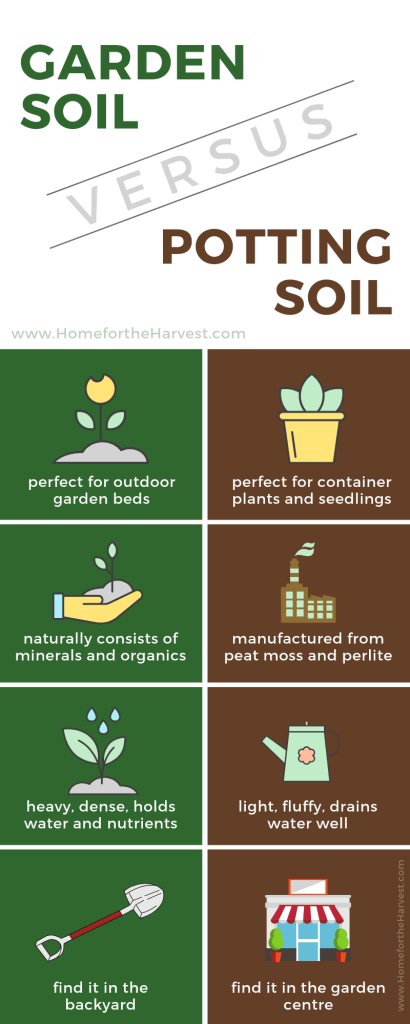
Garden soil is a rich blend of organic matter, minerals, and living organisms. It often contains a mix of sand, silt, and clay, which determines its texture and drainage capabilities. The organic matter, such as decomposed leaves and plant material, is crucial for providing nutrients to your plants.
This soil may also have small organisms like earthworms and beneficial bacteria that contribute to its fertility. Have you ever noticed how some garden patches seem more vibrant than others? That’s often due to the natural composition of the soil in that area.
Typical Uses And Applications
Garden soil is primarily used for outdoor planting in garden beds and landscapes. It supports trees, shrubs, and flowers, providing the necessary nutrients for growth. The soil’s structure is ideal for these larger plants that require a stable base and room to expand their roots.
If you’re planning to cultivate vegetables or create a flower garden, garden soil is your go-to option. However, be cautious about using it for potted plants, as it may not offer the same drainage and aeration needed in confined spaces. Have you ever tried planting tomatoes in your backyard versus in pots? You might have noticed how much better they thrive in garden soil due to its rich composition.
Potting Soil Essentials
Potting soil is crucial for container gardening. It provides the right environment for plants in pots. Unlike garden soil, it has specific qualities that support potted plants’ growth. Understanding potting soil’s components and uses helps gardeners make informed choices.
Key Components And Materials
Potting soil consists of various ingredients. These create a light and airy mix.
- Peat Moss:Retains moisture and nutrients.
- Perlite or Vermiculite:Enhances drainage and aeration.
- Bark or Coconut Coir:Adds organic matter.
- Compost:Provides essential nutrients.
These components create a balanced growing medium. They ensure roots receive air, water, and nutrients.
Common Uses In Container Gardening
Potting soil is ideal for many container plants. It suits indoor and outdoor gardening.
- Houseplants:Promotes healthy root development.
- Herbs and Vegetables:Ensures productive growth in limited space.
- Flowers:Supports vibrant blooms and foliage.
- Succulents and Cacti:Drains quickly, preventing rot.
Using the right potting soil enhances plant health and beauty. It adapts to diverse plant needs in containers.
Physical Properties
Garden soil is dense and best for outdoor planting, while potting soil is lightweight, ideal for containers. Potting soil usually contains added nutrients and better drainage, promoting healthy growth in potted plants.
When you’re gardening, understanding the physical properties of garden soil and potting soil can make all the difference in your plant’s health. Each has unique attributes that cater to specific gardening needs. Let’s dive into these properties to help you make an informed decision for your plants.Texture And Drainage
The texture of soil can significantly influence how well your plants thrive. Garden soil, which is composed of natural soil from your garden, often contains a mix of sand, silt, and clay. This can lead to varied textures that may compact easily, affecting drainage. Poor drainage can cause waterlogging, which may harm plant roots. On the other hand, potting soil is designed to provide excellent drainage. It typically includes components like peat moss, perlite, or vermiculite. These elements help create a lighter texture, allowing water to flow freely through the soil. This is crucial for potted plants as they need efficient drainage to prevent root rot.Nutrient Retention
Nutrient retention is crucial for plant growth, and both soil types offer different capabilities. Garden soil can be rich in organic matter, providing natural nutrients to plants. However, its nutrient availability can vary depending on the garden’s existing conditions. Potting soil is often fortified with fertilizers and nutrients, ensuring consistent nutrient supply to your plants. This can be particularly beneficial if you’re growing plants in containers, where nutrients can be quickly depleted. Have you ever wondered why some plants thrive indoors while others don’t? It could be due to the soil’s nutrient retention ability. Choosing the right soil can be the key to healthier, more vibrant plants. By understanding these physical properties, you can better cater to your plant’s needs and create a flourishing garden, whether it’s inside your home or out in your backyard.
Credit: www.purplecoworganics.com
Chemical Properties
Understanding the chemical properties of garden soil and potting soil can greatly impact the health of your plants. Whether you’re nurturing a vegetable garden or growing indoor plants, knowing the differences in pH levels and fertilizer content can help you choose the right soil for your needs. Let’s delve into these aspects and see how they affect plant growth.
Ph Levels
pH levels in soil determine its acidity or alkalinity, which directly influences nutrient availability to plants. Garden soil often has a variable pH level due to its natural origins, which can be affected by regional climate and surrounding vegetation. It’s essential to test your garden soil’s pH to ensure it matches the needs of your plants.
On the other hand, potting soil is typically formulated to maintain a stable pH level, often slightly acidic, to suit a wide range of plants. This controlled pH environment provides consistency for indoor plants and those in containers, sparing you the guesswork of adjusting soil acidity. Are your plants struggling despite good care? A quick pH test might reveal the issue.
Fertilizer Content
Garden soil naturally contains organic matter and nutrients, which can vary significantly depending on its composition and how it’s been managed. You might find it necessary to enrich garden soil with additional fertilizers to meet specific plant requirements, especially if the soil has been depleted over time.
Potting soil, however, often comes pre-mixed with fertilizers tailored for container plants. This can include slow-release nutrients that gradually feed your plants over several weeks, minimizing the need for frequent fertilization. While this convenience is advantageous, keep an eye on your plants’ health and be ready to supplement if needed. Could your fertilization routine be the key to thriving plants?
Environmental Considerations
When choosing between garden soil and potting soil, it’s essential to consider how each option impacts the environment. While both play a crucial role in gardening, their environmental footprints differ significantly. Understanding these differences can help you make eco-friendly choices that benefit both your plants and the planet.
Sustainability Factors
Garden soil is often sourced directly from the earth, which can lead to concerns about soil depletion and erosion. However, using local garden soil minimizes transportation emissions, making it a more sustainable choice. Potting soil, on the other hand, often contains peat moss, which is harvested from peat bogs. This process releases carbon and destroys habitats, raising sustainability concerns.
Consider using potting mixes made from renewable resources like coconut coir or composted materials. These alternatives not only preserve natural peat bogs but also offer excellent moisture retention for your plants. By opting for sustainable ingredients, you contribute to preserving ecosystems and reducing your carbon footprint.
Impact On Plant Health
The type of soil you choose affects not just the environment but also the health of your plants. Garden soil is rich in natural nutrients and organisms that support plant growth. However, it may contain pests and diseases that can harm your plants. Potting soil is typically sterilized, reducing the risk of diseases but also lacking beneficial microbes.
Enhancing potting soil with organic matter like compost can improve plant health by introducing essential nutrients and beneficial microbes. Have you noticed how plants thrive when given the right nutrients? It’s a reminder that every choice you make in gardening impacts both your plants and the environment.
Choosing the right soil involves balancing environmental considerations with the specific needs of your plants. What steps will you take to ensure both thrive in your garden?

Credit: www.facebook.com
Cost And Availability
Garden soil is often cheaper and available in bulk, but potting soil, designed for containers, can be pricier. Local nurseries and garden centers typically stock both, offering various options to suit different gardening needs.
Understanding the cost and availability of garden soil and potting soil is crucial for any gardening enthusiast. Both types of soil have their unique advantages, but they also come with different price points and accessibility options. Let’s break down the details so you can make an informed decision for your gardening needs.Price Comparison
Garden soil is typically more budget-friendly than potting soil. It’s often sold in larger quantities, making it a cost-effective choice for filling garden beds or large outdoor projects. However, while potting soil may be more expensive, it’s specially formulated for container gardening, ensuring your plants get the nutrients they need. A quick trip to your local garden center will reveal that garden soil is sold in bulk or by the bag at a lower cost per pound. On the other hand, potting soil is usually sold in smaller, more expensive bags due to its specialized ingredients. Consider your project’s scale and budget before making a purchase.Ease Of Access
Garden soil is widely available at most gardening stores, home improvement centers, and even some supermarkets. It’s also easy to find online if you prefer shopping from the comfort of your home. However, its bulkiness can be challenging to transport if you don’t have the right vehicle. Potting soil is equally accessible, but its lighter weight makes it easier to carry and store. Many retailers offer a variety of potting soil mixes tailored for different plants, from succulents to vegetables. This convenience can save you time and effort, especially if you’re new to gardening or working in a small space. Have you ever found yourself overwhelmed by the vast selection of soil products at the store? It’s a common scenario for many gardeners. Knowing the differences in cost and availability can help simplify your decision-making process.Choosing The Right Soil
Garden soil is dense, ideal for outdoor planting. Potting soil, lighter and well-draining, suits container gardening. Each soil type offers specific nutrients, catering to different planting needs. Understanding these differences ensures healthier plant growth.
Choosing the right soil can impact plant health and growth. Garden soil and potting soil differ in their composition and use. Each has specific benefits for different gardening needs. Understanding these differences helps in selecting the best soil for your plants.Factors To Consider
Choosing soil involves several factors. First, consider the plant type. Some plants need specific nutrients. Others thrive in general soil conditions. Next, think about the environment. Indoor plants need potting soil. Garden soil is best for outdoor spaces. Drainage is also key. Potting soil often drains better, preventing root rot. Lastly, consider soil texture. Garden soil may be too dense for potted plants.Tips For Different Plant Types
Different plants have unique soil needs. Succulents prefer well-draining potting mix. This prevents water retention. Herbs need a balance of nutrients. A mix of garden and potting soil works well. Flowering plants often need rich soil. Adding compost to garden soil enhances nutrient content. Vegetables require loose, well-aerated soil. Potting soil with added organic matter is ideal. Understanding these needs ensures healthy plant growth.
Credit: www.facebook.com
Frequently Asked Questions
Can I Use Potting Soil Instead Of Garden Soil?
Yes, you can use potting soil instead of garden soil. Potting soil is designed for container gardening, ensuring better drainage and aeration. It’s ideal for potted plants but may not provide enough nutrients for garden beds. Always consider the specific needs of your plants when choosing soil.
What Is The Difference Between Miracle-gro Potting Soil And Garden Soil?
Miracle-Gro potting soil is formulated for container plants, offering better drainage and aeration. Garden soil is designed for outdoor beds, often containing more organic matter and nutrients for ground planting. Potting soil is lighter, while garden soil is denser and suited for outdoor use.
How To Turn Garden Soil Into Potting Soil?
Mix garden soil with equal parts of peat moss and perlite or sand. Add compost for nutrients. Sterilize the mixture by baking at 180°F for 30 minutes. Ensure proper drainage by adding small rocks or gravel at the bottom of pots.
Your potting soil is ready to use.
Can I Mix Garden Soil With Potting Soil?
Mixing garden soil with potting soil is possible but not ideal. Garden soil may compact, causing drainage issues in pots. Potting soil is designed for container gardening, offering better aeration and nutrients. For best results, use potting soil alone or amend garden soil with perlite or compost.
Conclusion
Choosing the right soil matters for your plants. Garden soil suits outdoor spaces. It enriches the ground and supports growth. Potting soil works best in containers. It provides nutrients and drains well. Each type serves a unique purpose. Understanding these differences helps your plants thrive.
Consider your plant’s needs before picking soil. This decision affects their health and growth. Happy gardening leads to happy plants. So, make informed choices. Find what works best for your garden or pots. Your plants will thank you with lush growth.


