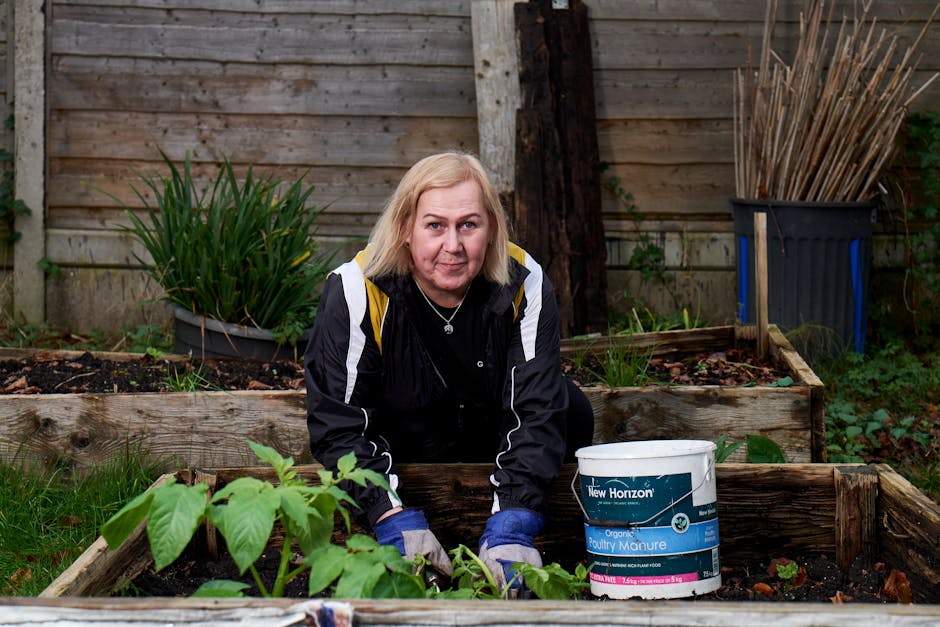
Are you dreaming of lush vegetables or vibrant flowers sprouting right in your backyard? A raised garden bed might be your perfect solution.
But before you start planting, there’s an essential question you need to address: How much soil do you need to fill a raised garden bed? It might sound simple, but getting it right can make all the difference between a thriving garden and a disappointing plot.
Knowing the precise amount of soil ensures your plants have the nutrients and space they need to flourish. Stick with us to discover the secrets of filling your raised garden bed to perfection, ensuring you get the most out of your gardening efforts. Your journey to a bountiful garden starts with this crucial step. Ready to dig in?

Credit: www.facebook.com
Benefits Of Raised Garden Beds
Raised garden beds offer many benefits, like better soil drainage and ease of maintenance. Knowing how much soil to fill them with ensures healthy plant growth and maximizes gardening success.
Raised garden beds are transforming the way we garden, offering a plethora of advantages that cater to both novice and experienced gardeners. They create an organized, manageable space for gardening, allowing you to focus on growing healthy plants. If you’ve ever struggled with poor soil conditions or backbreaking labor in traditional gardens, raised beds might just be your new best friend.Improved Soil Quality
With raised garden beds, you have complete control over the soil quality. You can fill them with a customized soil mix to provide the ideal environment for your plants. This means you can avoid the pitfalls of poor native soil, such as clay or sand, and ensure that your plants are getting the nutrients they need to thrive.Better Drainage
Raised beds offer excellent drainage, which prevents water from pooling around plant roots. This is particularly beneficial in areas with heavy rainfall. The improved drainage ensures that your plants’ roots stay healthy and oxygenated, reducing the risk of root rot and other water-related issues.Extended Growing Season
The soil in raised beds warms up more quickly in the spring and retains heat longer in the fall. This can give you a head start on planting and extend your growing season. Imagine enjoying fresh produce from your garden while your neighbors are still waiting for theirs to grow.Weed And Pest Control
Because raised beds are elevated, they can be easier to protect against pests like rabbits and other small animals. Additionally, their contained nature helps prevent the spread of weeds. Regularly adding mulch on top of the soil can further deter weeds and pests, keeping your garden productive and healthy.Ease Of Access
Raised beds are a boon for those with mobility issues or back problems. The elevation reduces the need for bending and stooping, making gardening more accessible. You can enjoy the therapeutic benefits of gardening without the physical strain.Space Optimization
Whether you have a sprawling backyard or a small urban space, raised beds can be designed to fit your area. They make efficient use of space by allowing you to plant more densely. Vertical gardening techniques can also be incorporated, maximizing your yield in limited spaces. Have you experienced the benefits of raised garden beds? If not, why not start small and see the difference it can make in your gardening endeavors?Choosing The Right Soil Mix
Calculate soil volume by measuring the length, width, and height of the raised garden bed. Mix soil types for nutrient-rich, well-drained growing conditions. Ensure the bed is filled evenly to support plant growth.
Choosing the Right Soil Mix Filling a raised garden bed with the right soil mix is crucial. It ensures healthy plant growth and abundant yields. The soil mix must provide proper drainage and nutrient balance. Selecting the right components can make or break your gardening success.Components Of A Good Soil Mix
The ideal soil mix includes three main components: topsoil, compost, and organic matter. Topsoil forms the base, providing structure and minerals. Compost enriches the soil, boosting fertility and plant vitality. Organic matter like peat moss or coconut coir improves moisture retention and aeration. A good soil mix also includes perlite or vermiculite. These components enhance drainage and prevent soil compaction. A mix of these elements creates a thriving environment for plants.Balancing Soil Nutrients
Balancing soil nutrients is essential for healthy plant growth. Plants need nitrogen, phosphorus, and potassium. Nitrogen promotes leafy growth, phosphorus aids root development, and potassium improves overall health. Using a soil test kit can help assess nutrient levels. Based on the results, you can add fertilizers or soil amendments. Organic options like bone meal or fish emulsion are great choices. They improve nutrient balance without harming the environment. An ideal soil mix also maintains a balanced pH level. Most vegetables thrive in slightly acidic soil. Aim for a pH level between 6.0 and 7.0. Regular testing ensures the soil remains optimal for plant growth. Creating the right soil mix ensures your garden flourishes throughout the season. A well-balanced mix contributes to vibrant, healthy plants.Calculating Soil Volume
Calculate soil volume by measuring the length, width, and depth of your raised garden bed. Multiply these dimensions to determine the cubic feet of soil needed. Adjust for any irregular shapes or slopes to ensure accurate results.
Calculating the right amount of soil for your raised garden bed can feel like a daunting task. However, with the right approach, you can easily determine the soil volume needed to ensure your plants thrive. Understanding how to measure and calculate soil volume saves you time and money, and ensures your garden bed is ready for planting.Measuring Your Garden Bed
Start by measuring the dimensions of your raised garden bed. Use a tape measure to determine the length, width, and height of the bed. Write these measurements down for accuracy. For example, if your garden bed is 8 feet long, 4 feet wide, and 1 foot high, you’ll need these figures to calculate the soil volume. Remember, even slight inaccuracies can lead to over or underestimating the soil required.Using Soil Volume Formulas
To calculate the soil volume, use the formula for the volume of a rectangular prism: length × width × height. This gives you the volume in cubic feet. For the example garden bed with dimensions of 8 feet by 4 feet by 1 foot, the calculation would be:- Volume = 8 ft × 4 ft × 1 ft = 32 cubic feet
Determining Soil Depth
To determine soil depth for a raised garden bed, consider plant types and growth habits. Most vegetables need 12-18 inches of soil for healthy roots. Compact crops like herbs may thrive in 6-12 inches, ensuring optimal growth and nutrient uptake.
Determining the right soil depth for your raised garden bed is crucial for the health and productivity of your plants. Getting this right can mean the difference between a bountiful harvest and a disappointing season. But how do you figure out the perfect depth for your gardening goals?Factors Influencing Soil Depth
Several factors can influence the ideal soil depth for your raised garden bed. – Plant Type: Different plants have different root systems. Root vegetables like carrots and beets need deeper soil compared to herbs like basil or cilantro. – Climate: In colder climates, deeper soil can offer better insulation for roots, helping them survive harsh winters. Conversely, in warmer climates, shallower beds might suffice. – Soil Drainage: If your area experiences heavy rain, deeper soil might be needed to prevent waterlogging. Do you know the specific needs of your plants? Understanding these factors will guide you in making the best choice for your garden.Recommended Depth For Different Plants
Knowing the recommended soil depth for various plants is key to planning your raised garden bed effectively. – Leafy Greens: Lettuce, spinach, and kale typically require about 6-8 inches of soil. They have shallow roots and don’t need much depth. – Root Vegetables: Carrots, radishes, and beets need around 12-18 inches of soil to grow properly. They push deep into the soil to develop. – Tomatoes and Peppers: These need about 18-24 inches of soil. They have extensive root systems that support their tall growth and heavy fruiting. – Herbs: Most herbs, including parsley, thyme, and oregano, will thrive in 6-12 inches of soil. How will you use this knowledge in your garden? Tailoring the soil depth to your plants’ needs will ensure they have the best environment to flourish. By considering these guidelines, you can create a thriving garden that meets the unique needs of each plant. Whether you’re growing juicy tomatoes or fragrant herbs, knowing the right soil depth is your first step toward a successful gardening season.Types Of Soil For Raised Beds
Knowing the right soil types for raised beds is crucial for plant health. Ensure you fill your raised garden bed with a blend of topsoil, compost, and organic matter. This mix promotes drainage and nutrient retention, essential for thriving plants.
When setting up a raised garden bed, choosing the right type of soil is crucial for the health and productivity of your plants. The soil you select will impact water retention, nutrient availability, and root growth. Understanding the different soil types can help you make an informed choice that suits your gardening goals.Topsoil Vs. Compost
Topsoil and compost are the two most common options for filling raised beds. Topsoil is the uppermost layer of soil, rich in organic matter and nutrients, but its quality can vary widely. High-quality topsoil provides good structure and drainage, but it might lack the nutrient density your plants crave. Compost, on the other hand, is decomposed organic material that enriches soil with essential nutrients. It improves soil structure and enhances moisture retention. However, using only compost can lead to poor drainage and over-concentration of nutrients. A balanced mix of topsoil and compost is often the best choice. A 60:40 ratio of topsoil to compost can provide your plants with a healthy, nutrient-rich environment while maintaining good drainage.Specialty Soils For Specific Plants
Certain plants may thrive better in specialty soils tailored to their needs. For instance, succulents and cacti prefer sandy soil with excellent drainage, while acid-loving plants like blueberries benefit from soil with lower pH. Consider the specific needs of your plants when selecting soil. Adding perlite or sand can improve drainage for succulents. Peat moss or pine needles can be mixed into the soil to increase acidity for plants like azaleas and rhododendrons. Customizing your soil mix not only boosts plant health but also maximizes your garden’s yield. Are there any plants in your garden that have specific soil needs? Addressing these requirements can make all the difference in their growth and productivity.
Credit: migardener.com
Tips For Filling Raised Garden Beds
Determine the depth of your raised garden bed first. Calculate the volume by multiplying length, width, and height. Fill it with a mix of garden soil, compost, and organic matter for ideal plant growth.
Filling a raised garden bed with the right amount of soil can transform a patch of empty wood into a thriving garden. Whether you’re a seasoned gardener or just starting out, getting the soil right is essential. Here are some tips to ensure your raised garden bed is filled perfectly for robust plant growth.Layering Techniques
Using a layering technique can enhance soil fertility and drainage. Start with a base layer of cardboard or newspaper to suppress weeds. Add a layer of coarse material like straw or small branches to improve drainage. Next, incorporate organic matter like compost or well-rotted manure. This provides essential nutrients for your plants. Top it off with a layer of high-quality topsoil to complete the bed. Each layer should be a few inches thick to create a balanced environment for roots.Avoiding Soil Compaction
Compacted soil can stifle plant growth by restricting root expansion and oxygen flow. To prevent this, avoid walking on the soil in your raised bed. Use a garden fork to gently aerate the soil periodically. Mix in materials like perlite or coarse sand to improve soil texture and drainage. These materials help keep the soil loose and airy. Regularly adding organic matter will also maintain soil structure and health. Remember, the quality of your garden bed starts with the soil. What techniques do you use to ensure your raised beds are filled with the best possible soil?Maintenance Of Soil Quality
Calculate soil volume for a raised garden bed by multiplying length, width, and height. This ensures optimal soil quality and plant growth. Make sure to fill the bed with a mix of topsoil, compost, and organic matter.
Maintaining soil quality in your raised garden bed is crucial for healthy plant growth and bountiful harvests. Once you’ve filled your bed with the right amount of soil, the journey doesn’t end there. The soil is a living ecosystem that requires regular attention and nurturing to keep it productive. By understanding how to effectively maintain soil quality, you can ensure your garden thrives year after year.Regular Soil Testing
Regular soil testing is an essential practice to keep track of your soil’s health. It provides insights into nutrient levels and helps identify any deficiencies or excesses. You can easily purchase a home soil testing kit, which offers a straightforward way to analyze your soil’s pH and nutrient content. Imagine the surprise of discovering your soil lacks essential nitrogen or phosphorus—key elements for plant growth. Testing allows you to address these issues promptly, ensuring your plants have everything they need to flourish. Consider making soil testing a seasonal routine, just like you would check your car’s oil levels.Amending Soil Over Time
Amending soil is a proactive approach to maintaining its quality. Over time, nutrients can deplete, and adding organic matter helps replenish them. Compost, aged manure, or peat moss are excellent choices for boosting your soil’s nutrient content and improving its structure. Think of amending as feeding your soil, much like how you nourish your body with vitamins. Adding organic material enhances water retention and promotes healthy root growth. You might find that your plants respond with vibrant, lush foliage and increased yields. What steps will you take today to ensure your raised garden bed soil remains rich and fertile?Common Mistakes To Avoid
Overfilling a raised garden bed can waste soil and cause drainage issues. Using a mix of soil types helps plants thrive. Measure the bed’s dimensions to calculate the right amount of soil.
Filling a raised garden bed with soil might seem straightforward, but many gardeners make common mistakes that can affect plant growth and productivity. Understanding what to avoid can save you time, effort, and disappointment. Let’s look at some of the pitfalls you should be aware of.Overfilling Or Underfilling
Finding the right balance of soil in your raised garden bed is crucial. Overfilling can lead to soil spilling over the edges, making your garden look messy and wasting valuable resources. Conversely, underfilling might prevent your plants from growing properly due to insufficient root space. Think about this: have you ever tried planting in a shallow container only to find your plants struggling? The same principle applies here. Aim to fill your bed nearly to the top, leaving about an inch from the edge to prevent overflow during watering.Ignoring Drainage Needs
Proper drainage is key for a healthy garden bed. Without it, your plants might drown from too much water. It’s a common oversight to focus solely on filling the bed without considering how water will move through the soil. Have you ever noticed a plant looking wilted despite regular watering? Poor drainage might be the culprit. Ensure your garden bed has adequate drainage by mixing in some coarse material like gravel or perlite at the bottom. This will help excess water escape and keep your plant roots happy and healthy. By avoiding these common mistakes, you’re more likely to create a thriving raised garden bed. Are there any other pitfalls you’ve encountered in your gardening journey? Share your thoughts and experiences!
Credit: www.instagram.com
Frequently Asked Questions
How Much Soil Should I Fill My Raised Bed?
Fill your raised bed with soil up to 1-2 inches below the rim. This allows space for water and mulch. Ensure proper drainage and nutrient-rich soil for healthy plant growth. Adjust based on plant types and bed height.
How Many Cubic Feet Of Soil For A 4×8 Raised Bed?
A 4×8 raised bed typically requires about 16 cubic feet of soil. Calculate by multiplying the bed’s length, width, and height in feet to find the exact volume needed. Ensure the soil fills the bed to the desired depth for optimal planting conditions.
How To Calculate Soil Volume For A Raised Bed?
Measure length, width, and height of your raised bed in feet. Multiply these dimensions to get cubic feet. Convert cubic feet to cubic yards by dividing by 27. This gives the soil volume needed. Use online calculators for precise calculations.
This ensures enough soil for optimal plant growth.
What Type Of Soil Is Best For Raised Beds?
Use a mix of topsoil, compost, and organic matter. This creates a nutrient-rich, well-draining soil ideal for raised beds. Compost improves fertility and texture. Avoid heavy clay or sandy soils. Ensure soil retains moisture but drains excess water. Test soil pH for optimal plant health.
Conclusion
Filling a raised garden bed requires careful planning. Measure the bed’s dimensions first. Calculate the soil volume needed using simple math. Choose quality soil for healthy plants. Mix compost and other nutrients for better results. Consider the type of plants you want to grow.
Different plants need different soil types. A little research goes a long way. Regularly check soil levels and add more as needed. Enjoy the process of gardening. With the right soil, your garden will thrive. Happy gardening!


