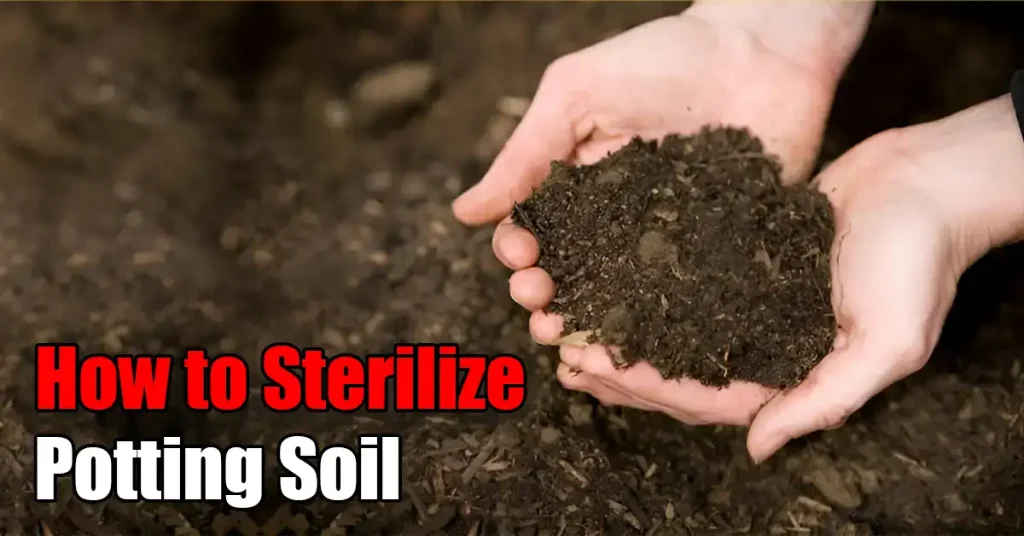
Are you tired of battling pests and diseases in your garden? Does the idea of starting fresh with clean, healthy soil sound appealing?
Knowing how to sterilize your garden soil can be a game-changer for your gardening success. This process ensures that your plants grow in a safe, nutrient-rich environment, free from harmful pathogens and pesky weeds. Imagine the satisfaction of seeing your plants thrive without the constant threat of disease.
Dive into this guide to discover simple, effective methods to sterilize your garden soil, and transform your gardening experience from frustrating to fulfilling. Keep reading to unlock the secrets of a healthier, more productive garden.
Credit: www.outdoorguide.com
Importance Of Sterilizing Garden Soil
Sterilizing garden soil eliminates harmful pathogens and pests, fostering healthy plant growth. Methods like solarization and using steam can effectively kill bacteria and fungi, ensuring a robust gardening environment.
Sterilizing garden soil is a crucial step in creating a healthy growing environment for your plants. Many gardeners overlook this, but it can significantly impact the success of your garden. Contaminated soil can harbor diseases, pests, and weeds that hinder plant growth.Why Sterilize Your Soil?
You might wonder why you should go through the trouble of sterilizing soil. The answer is simple: to protect your plants. Sterilization eliminates harmful pathogens and weed seeds, ensuring your plants have a clean slate to thrive.Preventing Diseases
Diseases can easily spread from plant to plant if the soil is infected. By sterilizing your soil, you reduce the risk of diseases like root rot and wilt. This proactive step can save you time and effort in battling plant illnesses later.Controlling Pests
Pests hiding in your soil can wreak havoc on your garden. Sterilization helps eliminate these hidden threats before they become a problem. You’ll spend less time dealing with infestations and more time enjoying your garden.Reducing Weeds
Weeds compete with your plants for nutrients, light, and space. Sterilizing soil can significantly reduce weed growth, giving your plants the best chance to flourish. Imagine a garden where you’re not constantly pulling out pesky weeds!Improving Seedling Success
Starting seeds in sterile soil can increase germination rates and seedling health. With fewer pathogens and weeds to contend with, your seedlings can grow stronger roots. This sets a solid foundation for robust growth.Enhancing Nutrient Availability
Sterilized soil can better retain and supply nutrients to your plants. Without the interference of pathogens and weeds, nutrients are more accessible to plant roots. This means healthier, more productive plants. Sterilizing garden soil may seem like an extra task, but its benefits are undeniable. By taking this step, you ensure that your plants have a fighting chance against common gardening challenges. So, are you ready to give your garden the best start possible?Common Soil Contaminants
As you embark on the journey of cultivating a thriving garden, understanding common soil contaminants is crucial. These unwelcome guests can sabotage your efforts and hamper plant growth. Identifying them is the first step in ensuring your garden soil is primed for flourishing flora.
Pests And Insects
Imagine planting your favorite flowers, only to find them devoured by tiny intruders. Pests and insects like nematodes and grubs can wreak havoc beneath the surface. Regularly inspecting your soil and using organic deterrents can save your plants from these silent destroyers.
Consider setting natural traps or introducing beneficial insects that prey on these pests. They serve as your garden’s secret army, keeping harmful bugs at bay.
Weeds And Unwanted Seeds
Weeds are notorious for stealing nutrients and sunlight from your plants. They often sprout from seeds hidden in the soil, waiting to overrun your garden. Have you ever noticed how fast they seem to appear after a good rain?
To combat this, focus on removing weeds before they seed. Mulching can also be a powerful ally, suppressing weed growth and preserving soil moisture.
Pathogens And Diseases
Pathogens like fungi and bacteria can silently infect your plants, stunting growth or causing death. It’s frustrating to see your plants wilting without knowing why. Sterilizing soil can help eliminate these hidden dangers.
Consider solarization during the hot months. This technique uses the sun’s heat to kill pathogens, ensuring your soil remains healthy. Have you tried it? It might be the game-changer your garden needs.
Methods For Soil Sterilization
Sterilizing garden soil is essential for a healthy garden. It helps eliminate pests, weeds, and diseases. There are several methods to sterilize soil effectively. Each method has its own benefits and drawbacks. Choose the one that suits your needs best.
Steam sterilization uses heat to kill harmful organisms. It’s effective for large soil areas. You need a soil steamer or a pressure cooker. Cover the soil with a tarp to trap the steam. This method kills most soil-borne diseases and pests.
Baking In The Oven
Baking soil in the oven is simple. Spread soil on a baking tray. Heat in the oven at 180°F for 30 minutes. This kills weeds and bacteria. Ensure the soil is moist before baking. It prevents the soil from drying out.
Boiling Water Method
Pour boiling water over the soil to sterilize it. This method is quick and effective. It kills weed seeds and pathogens. Ensure the soil is well-drained before applying the water. Repeat this process if necessary.
Solarization
Solarization uses the sun’s heat to sterilize soil. Cover the soil with clear plastic. Leave it for 4-6 weeks during hot months. The heat trapped under the plastic kills unwanted organisms. This method is eco-friendly and chemical-free.
Chemical Treatments
Chemical treatments involve using soil sterilants. They are effective but require caution. Read and follow the instructions carefully. This method is best for large-scale gardening. Ensure proper ventilation and safety measures.
Solarization Technique
Solarization Technique involves covering garden soil with clear plastic to harness the sun’s heat. This natural method kills weeds, pests, and diseases, making soil healthy for planting. Ideal for eco-friendly gardening, it requires sunny weather and a few weeks of patience.
Solarization Technique The solarization technique is an eco-friendly way to sterilize garden soil using the sun’s power. It involves heating the soil to high temperatures to kill pathogens, weeds, and pests. This method is particularly effective during the warmest months when the sun is at its peak.Preparation Steps
Before you start solarization, ensure your soil is well-prepared. Clear the area of any weeds and debris; this helps the sun reach the soil directly. Water the soil deeply to increase its heat absorption. Moisture is crucial because it conducts heat better than dry soil. Next, cover the soil with clear plastic sheeting. Stretch it tightly across the surface, securing it with rocks or soil around the edges to trap the heat.Best Conditions For Solarization
For optimal results, choose a time when the weather is consistently hot. Typically, mid-summer offers the best conditions for solarization. Look for a period with few clouds and minimal rain forecasts. Consistent sunlight is key to raising the soil temperature effectively. Consider the duration. Keeping the plastic on for 4-6 weeks ensures thorough sterilization. Have you ever wondered why some gardeners swear by this timing? The sun’s power combined with these techniques can transform your garden soil into a healthier, more productive environment. Are you ready to harness this natural method for your garden’s benefit?Steam Sterilization
Steam sterilization kills harmful bacteria in garden soil. Use steam by placing soil in a container, then heat until it reaches 180°F. This process ensures a healthier environment for plants to thrive.
Steam sterilization offers an effective way to rid garden soil of pests. This method uses steam to kill pathogens, weeds, and insects. It’s suitable for large and small gardening spaces. Steam sterilization preserves soil nutrients while ensuring a healthy garden bed.Equipment Needed
Gather necessary tools before starting the process. Here’s what you’ll need:- Steam generator or pressure cooker
- Heat-resistant tarp or plastic sheeting
- Thermometer for soil temperature checks
- Garden fork or shovel for turning soil
Step-by-step Process
Follow these steps to steam sterilize your garden soil: 1. Prepare the Soil: Clear debris and weeds from the soil surface. Break up large clumps with a shovel for even steaming. 2. Set Up Equipment: Position the steam generator in the garden. Cover the soil with a tarp, securing edges to trap steam. 3. Begin Steaming: Turn on the steam generator. Ensure steam flows under the tarp. 4. Monitor Temperature: Insert a thermometer into the soil. Maintain a temperature of 180°F for 30 minutes. 5. Turn the Soil: Use a garden fork to turn the soil. This ensures even heat distribution. 6. Cool Down: After steaming, allow the soil to cool. Remove the tarp carefully. 7. Final Checks: Test soil moisture and texture. Ensure it’s ready for planting. Steam sterilization creates a clean slate for planting. It’s a reliable method for healthy, pest-free gardens.Chemical Sterilization
Chemical sterilization of garden soil effectively eliminates harmful pathogens and pests. Apply a chemical solution and allow it to sit for the recommended time. This method ensures healthier soil for planting.
Chemical sterilization is a popular method to sanitize garden soil. This process involves using specific chemicals to eliminate harmful pathogens, pests, and weeds. It ensures the soil remains fertile and free from diseases. Understanding the types of chemicals used and the safety precautions involved is crucial. This knowledge helps achieve effective sterilization while ensuring safety.Types Of Chemicals
There are several chemicals used for soil sterilization:- Fumigants:These are gaseous chemicals that penetrate soil. They kill pests and pathogens.
- Herbicides:These chemicals target and eliminate unwanted plants. They are effective against weeds.
- Fungicides:These substances help control fungal diseases in soil. They prevent fungal growth.
Safety Precautions
Safety is vital when using chemicals. Follow these precautions:- Wear Protective Gear:Use gloves and masks. Protect your skin and lungs.
- Read Instructions:Follow label directions carefully. Incorrect use can be dangerous.
- Avoid Contamination:Keep chemicals away from water sources. Prevent environmental harm.
- Store Properly:Store chemicals in a safe, dry place. Keep them out of children’s reach.
Microwave Method
Sterilize garden soil using a microwave for effective results. Place small batches in a microwave-safe container. Heat on high for 90 seconds to eliminate pathogens and pests.
The microwave method is a quick way to sterilize garden soil. This approach uses microwave heat to eliminate harmful pathogens and pests. It is ideal for small batches of soil, especially for indoor plants or seedlings. This method is efficient, saving time and reducing chemical use.How It Works
Place the soil in a microwave-safe container. Ensure it has no metal parts. Set your microwave to high power. Heat the soil for about 90 seconds per pound. The heat will kill bacteria, fungi, and insects. Allow the soil to cool before use. This prevents plant root damage.Tips For Efficiency
- Use a thermometer to check soil temperature. Aim for 160 degrees Fahrenheit.
- Cover the container with a microwave-safe lid. This retains moisture.
- Stir the soil halfway through the heating process. It ensures even sterilization.
- Work in small batches. This makes it easier to manage.
Choosing The Right Method
Choosing the Right Method Select a sterilization technique based on your soil type and garden size. Consider solarization for sunny spots. Use steam or boiling water for small areas.
Choosing the Right Method Sterilizing garden soil is a crucial step for ensuring healthy plant growth. With various methods available, selecting the right one can make all the difference. Have you ever wondered if you’re using the most effective approach for your garden? Understanding what each method offers can help you make an informed choice.Factors To Consider
Choosing a soil sterilization method isn’t just about preference. Think about the size of your garden. A large area might benefit from solarization, using the sun’s heat to kill pathogens. However, if you’re working with a smaller space, chemical treatments can be a more practical solution. Consider the health of your plants and soil. Some methods can alter the soil’s pH, affecting plant growth. Know the specifics of your garden’s needs before deciding. Additionally, safety and environmental impact are critical. Steam sterilization might be safer for the environment, while chemical treatments can be more harmful.Comparing Methods
Different methods offer unique benefits and drawbacks. Steam sterilization is highly effective but requires specialized equipment. It’s great for killing weed seeds and pathogens without chemicals. On the other hand, solarization is eco-friendly and cost-effective, utilizing clear plastic sheets to trap heat from the sun. Chemical treatments can be quick and efficient, but they may leave residues harmful to beneficial organisms. Think about the long-term effects on your garden ecosystem. You might find that combining methods provides the best results, addressing both immediate and future concerns. What if you could ensure your garden’s health for years to come by choosing wisely now? Balancing effectiveness with environmental responsibility is key.Maintaining Sterilized Soil
Keeping your garden soil sterilized is important for healthy plant growth. It prevents pests and diseases from harming your plants. After sterilizing, it’s crucial to maintain the soil’s clean state. This involves careful practices to avoid contamination and manage nutrients.
Preventing Recontamination
To keep soil sterile, avoid introducing contaminants. Use clean tools and wash them after use. Wear gloves to prevent transferring pathogens from your hands. Avoid stepping on the sterilized soil. This prevents bringing in weed seeds or microbes from your shoes. If possible, cover the soil with a protective layer. This shields it from windblown seeds and debris.
Nutrient Management
Sterilized soil may lose some nutrients. It’s essential to replenish these to support plant growth. Use balanced fertilizers to restore nutrient levels. Organic matter like compost can enrich the soil. Apply it sparingly to avoid overloading with nutrients. Monitor the soil’s pH level. This ensures it remains within the ideal range for your plants. Regular testing helps maintain a healthy balance.

Credit: www.hgtv.com
Credit: www.gardeningknowhow.com
Frequently Asked Questions
How To Get Rid Of Bacteria In Garden Soil?
Remove bacteria by solarizing soil using clear plastic sheets. Introduce beneficial microbes to outcompete harmful ones. Rotate crops regularly. Use organic compost to enhance soil health. Avoid synthetic chemicals that disrupt microbial balance.
Can You Pour Boiling Water On Soil To Sterilize?
Yes, you can pour boiling water on soil to sterilize it. This kills weeds, pests, and pathogens effectively. Ensure even coverage for best results. Avoid using on soil with beneficial organisms you wish to keep.
How To Sterilize Soil Permanently?
Sterilize soil permanently by using chemical soil sterilants, solarization, or steaming methods. Apply herbicides or methyl bromide for chemical sterilization. Cover soil with clear plastic for solarization. Use steam to heat soil to 180°F for 30 minutes. Always follow safety instructions and consider environmental impacts before proceeding.
What Is The Common Method Of Sterilizing The Soil?
The common method of sterilizing soil is solarization. It uses sunlight to heat the soil, eliminating pests and pathogens. This eco-friendly technique involves covering the soil with clear plastic, trapping solar energy. Solarization effectively controls weeds, fungi, and bacteria without harmful chemicals, promoting healthier plant growth.
Conclusion
Sterilizing garden soil ensures healthy plants and vibrant growth. It prevents diseases and pests, giving your garden a fresh start. Use heat, steam, or chemical methods for effective sterilization. Choose the method that suits your garden needs. Properly sterilized soil improves plant health and boosts yields.
Regular care keeps your soil in top condition. Simple steps make a big difference. Your garden thrives with clean, healthy soil. Remember, patience and consistency are key. Enjoy the process and watch your garden flourish! Happy gardening!


