Imagine stepping into your garden and seeing vibrant flowers, lush vegetables, and healthy green plants all around. The secret to this thriving paradise?
It all starts with the right garden soil. But with so many options, what should you use to ensure your plants grow strong and healthy? Choosing the right soil can feel overwhelming, but it doesn’t have to be. You’ll discover the best soil options tailored for your garden needs, helping you cultivate the thriving garden of your dreams.
Get ready to transform your outdoor space with soil choices that make a real difference. Keep reading to unlock the secrets of perfect garden soil!
Soil Basics
Understanding soil basics is essential for any gardener aiming to cultivate a thriving garden. The foundation of every successful garden lies in the quality of its soil, which directly influences plant growth, health, and yield. Whether you’re planting vegetables, flowers, or herbs, the right soil can make all the difference in your gardening journey.
Importance Of Quality Soil
Quality soil is the lifeline of your garden. It provides essential nutrients, water, and air, facilitating robust plant development. Poor soil can lead to weak plants and disappointing harvests.
Imagine investing time and effort into planting only to see your plants struggle due to inadequate soil. It’s a scenario every gardener wants to avoid. A rich, well-prepared soil sets the stage for a vibrant garden.
Consider your soil as the canvas of a masterpiece; the better the canvas, the brighter the colors. Wouldn’t you want the best foundation for your garden art?
Soil Composition
Soil composition is a mix of various elements that work together to support plant life. The basic components include minerals, organic matter, water, and air. Each plays a unique role in your garden’s ecosystem.
- Minerals:Essential for plant nutrition, they include sand, silt, and clay.
- Organic Matter:Decomposed plant and animal residues that enrich the soil.
- Water:Crucial for nutrient transportation and plant hydration.
- Air:Provides oxygen for roots and beneficial soil organisms.
Think about how these components interact and influence plant health. Are you providing the right balance for your garden? Adjusting soil composition can transform your garden into a flourishing paradise.
:max_bytes(150000):strip_icc()/PerliteinSoil-0bebf44ce6774e2aae89e08fc162e4b4.jpg)
Credit: www.marthastewart.com
Essential Soil Ingredients
Garden soil is the foundation for healthy plants. Knowing essential soil ingredients helps create a thriving garden. Each ingredient plays a unique role in soil health and plant growth.
Organic Matter
Organic matter enriches soil with nutrients. It improves soil structure and moisture retention. Adding organic matter attracts beneficial microorganisms. These organisms break down materials, releasing nutrients. Organic matter includes decomposed plant and animal materials. Leaves, grass clippings, and manure are excellent sources. Incorporating organic matter enhances soil fertility.
Compost Benefits
Compost is a rich source of nutrients. It boosts soil fertility and structure. Compost improves water retention and drainage. It reduces the need for chemical fertilizers. Composting recycles kitchen scraps and yard waste. It minimizes waste while enriching soil. Regular compost application supports vigorous plant growth. Compost also suppresses plant diseases naturally.
Peat Moss Uses
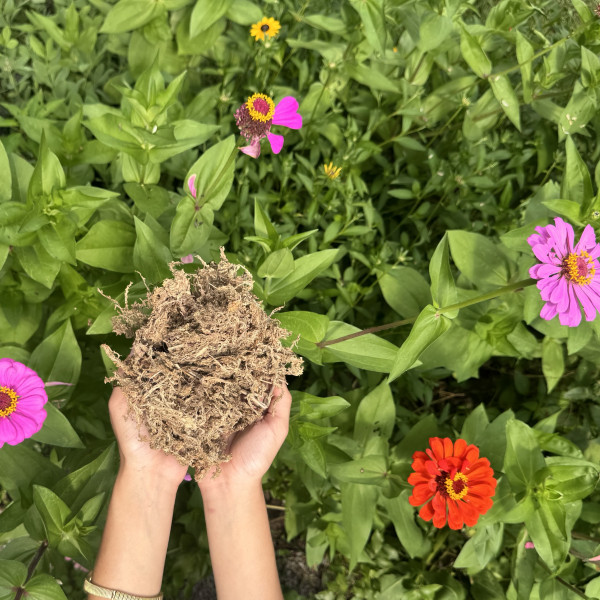
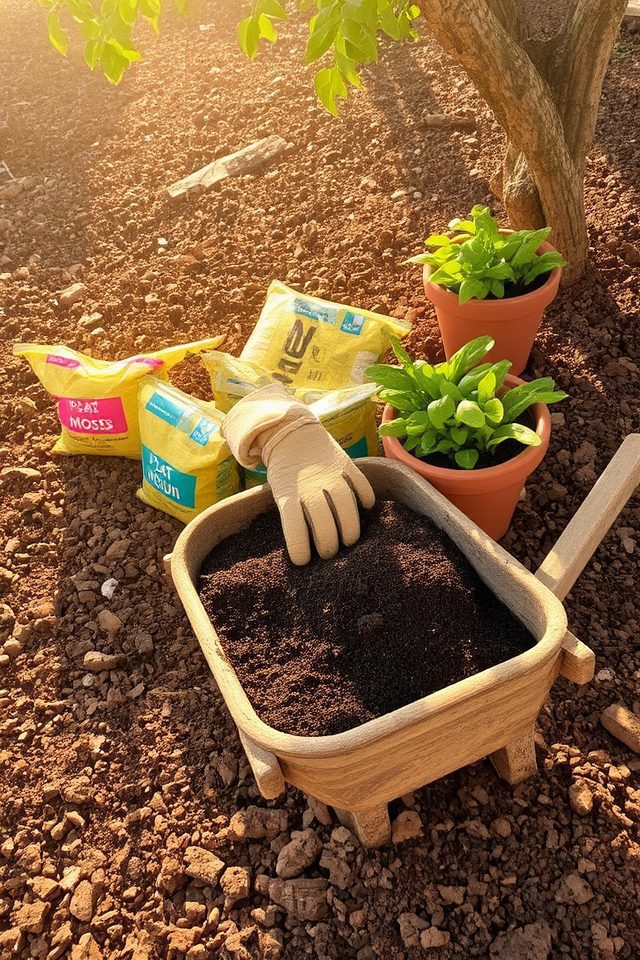
Peat moss is lightweight and absorbent. It enhances soil aeration and drainage. Peat moss retains moisture, benefiting plants during dry periods. It’s ideal for improving acidic soil conditions. Peat moss is often mixed with potting soil. It provides a balanced growing medium. Use peat moss carefully due to environmental concerns. It supports healthy root development.
Minerals And Amendments
Creating the perfect garden soil is like crafting a masterpiece. Minerals and amendments play a crucial role in nurturing your plants. They can transform ordinary dirt into a thriving ecosystem. But what should you actually use? Let’s dig deeper into some essential options.
Sand For Drainage
Sand is your ally for improving soil drainage. When mixed into clay-heavy soil, it breaks up compacted particles, allowing water to flow more freely. This prevents root rot and helps plants access nutrients more effectively. Consider adding sand to areas where water tends to pool, and watch how your garden’s health flourishes.
Perlite And Vermiculite
Ever wondered why your potting mix looks like it has tiny white pellets? That’s perlite, a volcanic glass that aerates your soil. It maintains moisture without waterlogging. Vermiculite, on the other hand, expands when wet, helping to retain moisture. Both of these amendments can be game-changers in creating a balanced, breathable soil mix.
Lime For Ph Balance
Is your soil too acidic? Lime is your go-to amendment to elevate pH levels. It helps neutralize acidity, making soil conditions ideal for most plants. But don’t overdo it—soil pH is a delicate balance. Have you tested your soil’s pH recently? This simple action can inform your lime application, leading to a more harmonious garden environment.
Credit: www.greenwashingindex.com
Nutrient Enrichment
Garden soil needs nutrient enrichment to support plant growth. Healthy soil provides essential nutrients, fostering robust plants and vibrant blooms. Enhancing garden soil with nutrients ensures plants receive the necessary elements for growth. Various options are available to enrich soil naturally.
Natural Fertilizers
Natural fertilizers improve soil health. They contain essential nutrients without harmful chemicals. Compost is a popular choice. It enriches soil with organic matter and promotes healthy microbial activity. Manure is another effective option. It provides nitrogen, phosphorus, and potassium. These elements are crucial for plant growth. Natural fertilizers improve soil structure and water retention.
Bone Meal And Blood Meal
Bone meal boosts phosphorus levels in soil. Phosphorus supports root development and flowering. Blood meal is rich in nitrogen. Nitrogen is vital for leaf growth and color. Both are organic and safe for garden use. They slowly release nutrients into the soil. This steady release benefits plants over time. Bone and blood meals enrich soil and promote healthy plant growth.
Seaweed And Fish Emulsion
Seaweed provides trace minerals to soil. These minerals improve plant health and resistance. Fish emulsion is high in nitrogen. It supports lush leaf growth. Both enrich soil with essential nutrients. They are easy to apply and quickly absorbed by plants. Seaweed and fish emulsion enhance soil vitality. They help maintain a balanced nutrient profile.
Soil For Specific Plants
Choosing the right soil for your garden is essential for plant health. Different plants need specific soil types to thrive. Consider factors like drainage, texture, and nutrient content when selecting garden soil.
Soil is more than just dirt; it’s the foundation of your garden’s success. Choosing the right soil for specific plants can mean the difference between a lush, thriving garden and one that struggles. Each type of plant has unique needs, and understanding these can help you cultivate a garden that’s not only beautiful but also productive.Vegetable Garden Needs
When planting a vegetable garden, nutrient-rich soil is your best ally. You want soil that is well-draining yet retains moisture. A mix of loamy soil with organic compost can provide the ideal environment for vegetables. Test your soil’s pH and aim for a neutral level around 6.0 to 7.0. This range is perfect for most vegetables, ensuring they can access the nutrients they need. Adding aged manure or compost can further enrich your soil, helping your veggies grow strong and tasty.Flower Bed Essentials
Flowers bring color and life to your garden, but they have their own specific soil needs. Most flowers prefer soil that is slightly acidic to neutral, with a pH of 6.0 to 7.0. Good drainage is crucial to prevent root rot, especially for plants like roses and lavender. Incorporate peat moss or well-rotted compost to improve soil structure and fertility. This not only enhances drainage but also ensures your flowers get the nutrients they require. Consider the sunlight and water needs of your specific flowers to tailor the soil conditions accordingly.Herb Garden Requirements
Herbs thrive in soil that mimics their native Mediterranean environment. This means sandy or loamy soil with excellent drainage and a slightly alkaline pH between 6.5 and 7.5. If your soil is too compact, mix in some sand or perlite to improve its texture. Think about herbs like rosemary and thyme, which don’t like wet feet. They prefer dry conditions, so avoid overwatering and ensure your soil doesn’t retain too much moisture. Using a layer of mulch can help retain just enough moisture while keeping weeds at bay. Have you ever considered how the right soil can change your gardening game? Tailoring soil to plant needs might just be the secret ingredient your garden’s been missing.
Credit: www.facebook.com
Diy Soil Mixes
Garden soil thrives with a mix of compost, peat moss, and perlite. Compost enriches with nutrients, promoting plant growth. Peat moss retains moisture, ensuring hydration. Perlite enhances drainage, preventing root rot.
Creating your own soil mix can be both rewarding and cost-effective. DIY soil mixes allow you to tailor the soil to your plants’ needs. You can ensure the best growth conditions for your garden. Let’s explore some simple recipes for different garden setups.Creating Potting Soil
Potting soil is essential for container gardening. To create a basic mix, combine equal parts peat moss, perlite, and compost. Peat moss helps retain moisture, while perlite ensures good drainage. Compost adds essential nutrients for plant growth. For added benefits, sprinkle in some organic fertilizer. Always mix thoroughly for consistency.Custom Mixes For Raised Beds
Raised beds require a specific soil mix. Start with a base of topsoil and compost. Use a ratio of 60% topsoil and 40% compost. This mix ensures good drainage and nutrient supply. Add some coarse sand if your soil feels too dense. It improves aeration and structure. If possible, test your soil pH. Adjust with lime or sulfur for optimal plant health.Budget-friendly Soil Solutions
Gardening on a budget? Use local resources for an affordable soil mix. Collect fallen leaves and grass clippings to create leaf mold. It enriches the soil with organic matter. Combine with garden soil and sand for a cost-effective mix. Look for local compost suppliers for bulk discounts. Remember, homemade compost is a valuable, free resource.Environmental Considerations
When you’re planning to cultivate a thriving garden, it’s crucial to consider the environmental impact of your soil choices. Making informed decisions not only benefits your plants but also contributes to the sustainability of our planet. Let’s delve into some key environmental considerations that can guide you in selecting the best garden soil.
Sustainable Practices
Think about how your gardening habits affect the earth. Opt for composting kitchen scraps to enrich your soil, reducing waste while improving soil health. This practice not only cuts down on landfill contributions but also provides vital nutrients to your plants.
Consider using cover crops like clover or rye to maintain soil fertility. These plants help prevent erosion, naturally replenish nutrients, and enhance soil structure. It’s a win-win for your garden and the environment!
Avoiding Harmful Chemicals
It’s tempting to use chemical fertilizers for quick results, but they can harm the ecosystem. Chemicals leach into groundwater, affecting wildlife and human health. Choose organic alternatives, such as manure or bone meal, which are safer for the environment.
Read labels carefully and avoid synthetic pesticides. They might control pests, but they also disrupt the natural balance of your garden. Encourage beneficial insects and use natural remedies like neem oil instead.
Frequently Asked Questions
What Type Of Soil Is Best For Your Garden?
Loamy soil is ideal for gardens. It offers good drainage, retains moisture, and contains essential nutrients. This soil type supports healthy plant growth and improves root development. Loamy soil consists of sand, silt, and clay, providing a balanced texture. Regularly test and amend your soil to optimize garden conditions.
What Is The Best Thing To Mix To Make Garden Soil?
Mix compost, peat moss, and perlite for optimal garden soil. Compost enriches soil with nutrients. Peat moss improves moisture retention. Perlite enhances aeration and drainage. This balanced blend supports healthy plant growth, ensuring a thriving garden environment.
What Is A Good Substitute For Garden Soil?
Coconut coir and compost are excellent substitutes for garden soil. They improve drainage and nutrient retention. Peat moss also works well, enhancing soil aeration and moisture control. These alternatives promote healthier plant growth and are environmentally friendly, making them ideal for gardening enthusiasts seeking sustainable options.
What Is 3 Ingredient Garden Soil?
3 ingredient garden soil consists of topsoil, compost, and either sand or perlite. This mixture offers excellent drainage, nutrient retention, and structure for plants. It is ideal for various gardening needs, ensuring optimal growth and health for your plants.
Conclusion
Choosing the right garden soil boosts plant health. Good soil ensures strong roots and thriving plants. Compost enriches soil with essential nutrients. Sand improves drainage, preventing root rot. Loamy soil balances moisture and nutrients. Peat moss enhances water retention. Test soil pH for optimal growth.
Add organic matter for richer soil. Healthy plants start with quality soil. Experiment to find what works best in your garden. Happy gardening!