Are you ready to savor the sweet, juicy taste of a home-grown watermelon? Knowing when to pick your watermelon from the garden is crucial to getting that perfect, mouth-watering bite.
Imagine the satisfaction of slicing into a ripe, sun-kissed melon, its vibrant colors and refreshing flavor immediately lifting your spirits. But here’s the catch: picking too early or too late can mean the difference between a delicious treat and a disappointing crunch.
In this guide, you’ll discover the simple yet effective signs to look for, ensuring your next watermelon harvest is nothing short of spectacular. Dive in, because the secret to the perfect watermelon is closer than you think!
Credit: www.youtube.com
Identifying Ripeness Indicators
Picking a watermelon at just the right time can make all the difference between a sweet, juicy delight and a bland disappointment. Knowing the ripeness indicators is key to a successful harvest. These indicators are like nature’s cues, helping you decide when to take that prize from your garden. Ever wondered how to tell if your watermelon is ready? Let’s explore some practical ways to identify ripeness.
Color Changes
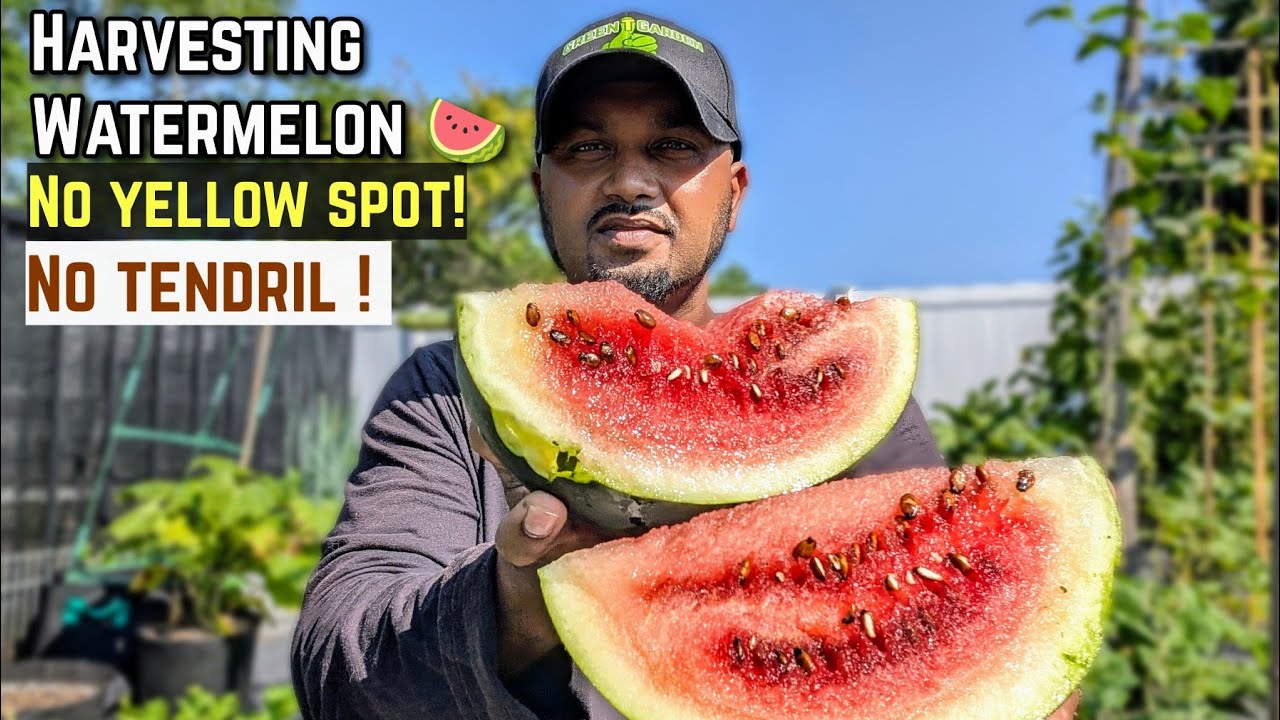
One of the first signs of a ripe watermelon is its color transformation. The underside, where the melon rests on the ground, should change from white to a creamy yellow. This color shift is your watermelon telling you it’s ready for harvest.
Additionally, the overall skin color deepens, becoming more vibrant. Dark green with a dull finish is a good sign. Avoid melons with a shiny appearance; they often indicate immaturity.
Sound Test
Tapping your watermelon can reveal a lot about its ripeness. A ripe watermelon will produce a deep, hollow sound, almost like a drum. Compare it to tapping an unripe melon, which sounds dull and flat.
Try it out with your kids or friends; it’s a fun way to engage others in the garden. Who would have thought sound could guide your gardening decisions?
Tendrils Turning Brown
Check the tendrils near the watermelon stem. A brown, dry tendril is a strong indicator that your watermelon is ready to be picked. These curly cues might seem insignificant, but they’re crucial ripeness indicators.
Don’t rush to harvest if the tendrils are still green. Patience is key here, as picking too early could rob you of that perfect summer snack.
With these tips, identifying a ripe watermelon becomes a rewarding challenge. Have you tried these methods? What other tricks have you discovered in your gardening journey?
Examining The Watermelon’s Shape
A watermelon’s shape can reveal its ripeness. Look for a symmetrical form with a rounded or oval appearance. Uneven or bumpy shapes might indicate the fruit is not ready to be picked.
Examining the watermelon’s shape is a crucial step in determining if it’s ready to be picked. Have you ever wondered why some watermelons are perfectly round while others are more oval? The shape of your watermelon can tell you a lot about its ripeness and overall quality. Observing the shape can help you decide the perfect time to harvest, ensuring that you enjoy the sweetest and juiciest fruit possible.Uniform Shape
A watermelon with a uniform shape is a strong indicator of consistent growth. When the fruit grows evenly, it often means it received adequate water and nutrients throughout its development. Look for watermelons that are symmetrical and evenly shaped, without any irregular bumps or indentations. If you find a melon with a uniform shape, it’s likely to be ripe and ready for harvest.Symmetry Importance
Symmetry is not just about aesthetics; it’s a sign of good health in watermelons. A symmetrical watermelon indicates that it has developed evenly, without any interruptions in its growth. Uneven or lopsided watermelons may have experienced stress during growth, such as inconsistent watering or nutrient deficiencies. By picking a symmetrical watermelon, you increase your chances of enjoying a flavorful and juicy fruit. Have you noticed how nature often favors balance? This principle holds true for watermelons too. When you find that perfectly symmetrical melon, you know it’s been well cared for, and it’s ready to be the star of your summer picnic. Next time you’re in your garden, take a moment to appreciate the shapes and symmetry of your watermelons. It could be the key to unlocking the full potential of your harvest.Checking The Ground Spot
Checking the ground spot can help determine watermelon ripeness. A creamy yellow spot indicates it’s ready to pick. If the spot is white, the fruit needs more time to mature.
Checking the ground spot on a watermelon can be a game-changer in determining its ripeness. If you’re in the garden, eager to pick the juiciest melon, this simple check can guide you. It’s amazing how a small patch on the fruit can tell a big story about its readiness. Here’s how you can master this technique.Yellow Spot Significance
The color of the ground spot is crucial. A creamy yellow spot often indicates the watermelon has been ripening on the vine. This spot forms where the melon rests on the ground. If it’s still white or green, the fruit likely needs more time to mature. Imagine the surprise when you learn this small detail can significantly influence taste. Have you ever picked a watermelon only to find it bland? Checking the spot’s color can save you from such disappointment.Size Of The Ground Spot
The size of the ground spot can also offer valuable clues. A larger ground spot generally means the watermelon has been sitting and ripening longer. This means more time for the sugars to develop, enhancing its sweetness. Consider this: a small spot may suggest the fruit is not yet fully mature. So, take a closer look next time you’re in the garden. Are you noticing a trend in your harvest’s sweetness linked to spot size? Taking these factors into account might just make your watermelon picking more successful and rewarding. Enjoy the process and the delicious results!
Credit: www.instagram.com
Monitoring The Harvest Timeline
Picking the perfect watermelon requires patience and attention. Monitoring the harvest timeline ensures you enjoy the sweetest fruits. Timing is everything in watermelon harvesting. Knowing when to pick makes a big difference.
Days To Maturity
Watermelon varieties have different days to maturity. Most need 70 to 90 days. Check the seed packet for exact timing. This gives you a reliable harvest window. Start counting from the planting day. Mark it on your calendar. This helps track the growing progress effectively.
Seasonal Considerations
Weather affects watermelon growth significantly. Warm, sunny days speed up ripening. Cool weather may delay maturity. Consider your local climate. Adjust expectations based on seasonal patterns. A mild summer might require extra patience. Keep an eye on temperature changes. They can impact your harvest timeline.
Utilizing The Sugar Content
Watermelon lovers know that nothing beats the satisfaction of biting into a perfectly sweet, juicy slice. But how can you ensure your watermelon is at its peak sweetness before picking? Understanding and utilizing the sugar content of watermelons can guide you to the perfect harvest time. This approach not only enhances flavor but also maximizes the nutritional benefits of your watermelon crop.
Brix Level Measurement
Have you ever wondered how sweet your watermelon is compared to others? Measuring the Brix level gives you the answer. The Brix scale, often used in vineyards, measures the sugar content of fruits like watermelon. A simple handheld refractometer can help you determine the Brix level by examining the juice. Typically, a Brix level of 10 to 12 indicates a sweet watermelon. Investing in this tool can be a game-changer for any garden enthusiast.
Sweetness As A Harvest Indicator
Why rely solely on appearance when sweetness can guide your harvest decision? A watermelon with a higher sugar content not only tastes better but also ensures that it has ripened adequately. Instead of guessing, let sweetness be your indicator. A taste test can occasionally help, but consistent sugar content measurements provide a more reliable method. This way, you can confidently pick your watermelon at its sweetest moment.
Have you ever picked a watermelon that looked perfect but tasted bland? Using sugar content as a guide can prevent this disappointment. As you fine-tune your harvesting skills, consider keeping a log of Brix levels and taste results. This practice allows you to learn from each season, enhancing your future watermelon-picking success. Remember, the sweetest watermelons make the best summer memories!
Learning From Expert Insights
Choosing the right time to harvest watermelons ensures the best taste. Look for a dry stem and a yellow spot on the underside. The watermelon should sound hollow when tapped, indicating ripeness.
Learning from Expert Insights Choosing the right time to harvest a watermelon can be tricky. Experts offer valuable advice to simplify this process. Their insights help gardeners avoid common pitfalls and ensure juicy, sweet melons.Common Mistakes
Many gardeners pick watermelons too early. This leads to bland and tasteless fruit. Another mistake is relying solely on size. Bigger doesn’t always mean ripe. Ignoring the sound test is also common. Tapping the melon and listening for a hollow sound can indicate readiness. Misjudging the color is a frequent error. A dull, creamy yellow spot signifies ripeness. Overwatering near harvest time can also dilute flavor.Best Practices
Experts suggest observing the tendril near the fruit’s stem. A dried tendril often signals ripeness. Look for a uniform shape and smooth skin. Avoid melons with odd bumps. Use the sound test effectively. A hollow sound typically means it’s ready. Check the ground spot’s color. It should be creamy yellow. Limit watering as harvest approaches. This keeps the flavor concentrated. Trust your senses and experience. They are invaluable in perfecting the harvest.
Credit: www.tiktok.com
Frequently Asked Questions
How Do You Know When Your Watermelon Is Ready To Pick?
Check the watermelon’s color; it turns dull and creamy yellow underneath. Inspect the tendril nearest the fruit; it dries up. Listen for a deep, hollow sound when tapped. Ensure the skin is tough enough to resist scratching. Confirm the vine begins to dry for optimal ripeness.
Can You Leave Watermelons On The Vine Too Long?
Yes, you can leave watermelons on the vine too long. Overripe watermelons may become mushy, less sweet, and lose their vibrant color. Harvest them when they have a uniform shape, creamy yellow underside, and sound hollow when tapped. Regularly check your watermelons to ensure optimal ripeness.
Can You Pick A Watermelon Too Early?
Yes, picking a watermelon too early can affect its taste and texture. Unripe watermelons lack sweetness and juiciness. Check for a yellow spot and a hollow sound when tapped to ensure ripeness. Picking at the right time ensures a flavorful, juicy watermelon.
Do Watermelons Fall Off The Vine When Ripe?
Watermelons typically do not fall off the vine when ripe. Check for a yellow belly or dried tendril near the fruit. These signs indicate ripeness. Harvesting at the right time ensures sweetness and flavor. Always examine the watermelon for ripeness before picking it from the vine.
Conclusion
Picking a watermelon at the right time is key. Look for a yellow spot underneath. It shows ripeness. Check the tendril near the fruit. It should be brown. Tap the watermelon gently. Listen for a deep sound. That means it’s ready.
Examine the surface. A dull sheen indicates maturity. Trust your senses. Smell the watermelon. A sweet scent signals readiness. Picking a ripe watermelon feels rewarding. Follow these tips for the perfect harvest. Enjoy your juicy, homegrown treat. Share the joy with friends and family.
Happy gardening!