
Are you dreaming of a flourishing garden bed brimming with vibrant blooms and lush vegetables? The secret to transforming that dream into reality lies beneath the surface.
That’s right—it’s all about the soil. Choosing the right soil for your garden bed is the key ingredient that can spell success or failure for your gardening efforts. But with so many options out there, how do you know which soil will provide the perfect foundation for your plants to thrive?
We’ll unravel the mysteries of soil selection, guiding you to make informed choices that will maximize your garden’s potential. Stick with us, and you’ll soon discover how to create a garden bed that not only meets but exceeds your expectations. Get ready to dig in and uncover the secrets of successful gardening!
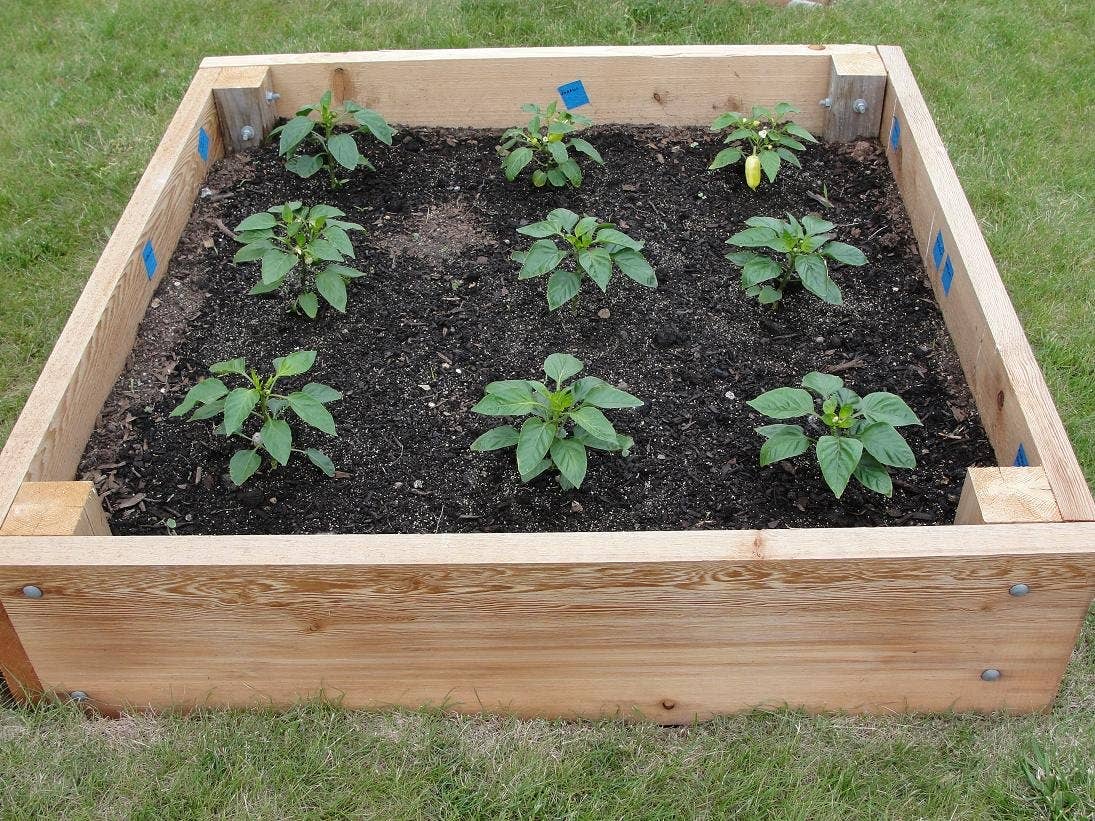
Credit: dengarden.com
Soil Composition Basics
Understanding the basics of soil composition is crucial for cultivating a thriving garden bed. The right mix of soil components can make all the difference in how your plants grow and how much effort you need to put into maintaining them. Whether you’re a seasoned gardener or just starting out, knowing what goes into your soil can elevate your gardening game.
Essential Elements
Every garden bed soil needs a balance of essential elements to support plant growth. These include:
- Nitrogen:Critical for leaf growth, nitrogen helps plants turn green and lush. Consider using compost or organic matter to boost nitrogen levels.
- Phosphorus:This element aids in root development and flowering. Bone meal or rock phosphate can be added to enhance phosphorus content.
- Potassium:Important for overall plant health, potassium strengthens plants and helps them resist disease. Wood ash or greensand can be a useful addition to increase potassium.
Reflect on your garden’s needs. Are your plants thriving or struggling? Adjusting these elements may be the key.
Soil Types
The type of soil you have profoundly impacts your garden’s success. The three primary soil types are:
- Clay:Heavy and dense, clay retains water but can suffocate roots. Mixing in sand or organic matter can improve drainage and aeration.
- Sandy:Light and well-drained, sandy soil warms quickly but struggles to retain nutrients. Adding compost can help retain moisture and nutrients.
- Loamy:Often considered ideal, loamy soil is a balanced mix of clay, sand, and silt. It holds moisture well while providing excellent drainage. If you’re lucky enough to have loamy soil, maintain its health with regular organic matter additions.
Take a moment to identify your soil type. Does it match your gardening goals? Adjusting soil composition could be your next step towards a flourishing garden bed.
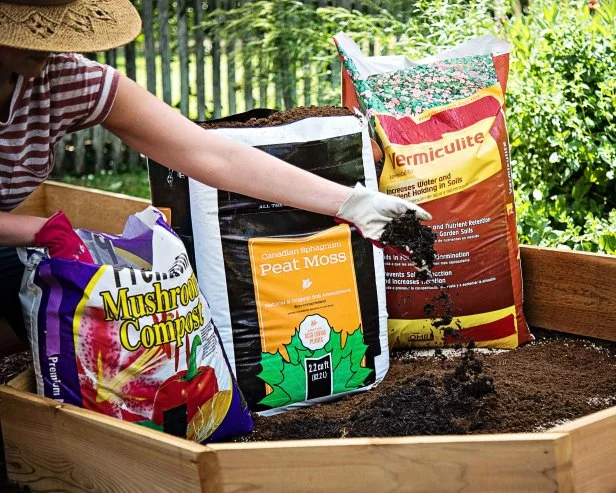
Credit: www.hgtv.com
Nutrient-rich Additives
Creating a thriving garden bed starts with nutrient-rich soil. Additives play a key role in enhancing soil quality. They boost plant growth and improve soil structure. Two major additives are compost and organic matter. Both are vital for a healthy garden bed.
Compost Benefits
Compost enriches soil with essential nutrients. It supports the growth of strong plants. Compost improves soil structure and boosts water retention. It also helps prevent soil erosion. Microorganisms in compost break down organic material. This process releases nutrients into the soil. Regular use of compost reduces the need for chemical fertilizers.
Organic Matter
Organic matter includes leaves, grass clippings, and straw. It increases soil fertility and improves soil texture. Organic matter helps retain moisture and supports beneficial organisms. It breaks down over time, releasing nutrients. Adding organic matter enhances soil aeration and drainage. This results in a healthier garden ecosystem.
Balancing Soil Ph
Choosing the right soil for your garden bed is crucial for plant health. Ensure soil pH is balanced to boost nutrient absorption. Test soil regularly and adjust with lime or sulfur to create the ideal growing conditions.
Balancing Soil pH is crucial for a thriving garden bed. The right pH level ensures plants absorb nutrients effectively. Different plants require different pH levels, so understanding soil pH is essential. Maintaining the right balance can lead to healthier plants and abundant growth.Testing Methods
Testing soil pH is simple and informative. Use a pH meter or soil test kit. These tools provide accurate readings. Follow the instructions carefully for best results. Testing helps identify if adjustments are needed.
Adjusting Ph Levels
Adjusting pH levels can be done using natural or chemical methods. For acidic soil, lime can raise the pH. Sulfur or peat moss can lower the pH if too alkaline. Regular testing ensures the soil stays balanced. Proper adjustment leads to optimal plant health.

Credit: www.thunderbirddisco.com
Drainage And Aeration
Soil with good drainage and aeration is essential for a garden bed. Loamy soil, rich in organic matter, allows roots to breathe and water to flow. This balance prevents root rot and supports healthy plant growth.
Creating the perfect garden bed requires careful consideration of soil quality, particularly when it comes to drainage and aeration. These two elements are crucial for healthy plant growth, as they ensure that roots have access to both water and oxygen. Without proper drainage, soil can become waterlogged, suffocating plant roots. Similarly, inadequate aeration can lead to compacted soil, restricting root expansion and nutrient uptake. So, how can you enhance these vital aspects in your garden bed?Improving Drainage
Ensuring your garden bed has good drainage can prevent waterlogged soil and root rot. Start by assessing your soil type. Sandy soils drain quickly, while clay soils retain water. If your soil is clay-heavy, consider mixing in organic matter such as compost or peat moss. These materials will help break up the clay and improve drainage. Another effective method is to create a raised garden bed. Elevating the soil promotes better water runoff and keeps your plants’ roots away from excess moisture. Use materials like wood or stone to construct your raised bed, ensuring it’s elevated enough to encourage natural drainage.Aeration Techniques
Aeration is key to preventing soil compaction and enhancing root growth. One practical technique is to regularly turn the soil with a garden fork or tiller. This process introduces air pockets into the soil, promoting oxygen flow and root expansion. You can also incorporate amendments like coarse sand or perlite into the soil. These substances create space between soil particles, increasing air circulation. Another option is planting cover crops, like clover or vetch, which naturally aerate the soil as they grow. Consider how often you water your garden bed. Overwatering can compact the soil, reducing aeration. Adjust your watering schedule to maintain a balance, allowing the soil to dry out slightly between waterings. Have you ever wondered why some gardens thrive while others struggle? The secret often lies in the unseen world beneath the surface. By focusing on drainage and aeration, you can transform your garden into a lush paradise. What changes will you make to your garden bed today?Building A Sustainable Soil Ecosystem
Building a sustainable soil ecosystem ensures your garden bed thrives. Healthy soil supports plant growth and resists pests naturally. It also conserves water and enhances nutrient absorption. Creating this balance is key for long-term garden success.
Beneficial Microorganisms
Beneficial microorganisms play a vital role in soil health. These tiny organisms break down organic matter into nutrients. They help plants absorb essential minerals effectively. Bacteria, fungi, and nematodes are common examples. They improve soil structure and promote root growth.
Encourage these microorganisms by adding compost to your soil. Compost provides food and habitat for them. Avoid using chemical fertilizers that harm beneficial bacteria. Organic matter like leaves and grass clippings also supports microbial life.
Companion Planting
Companion planting helps create a balanced garden ecosystem. It involves growing plants that benefit each other. Certain plants repel pests or attract beneficial insects. Others improve soil nutrients or provide shade.
For example, plant marigolds near vegetables. They deter nematodes and attract pollinators. Beans fix nitrogen in the soil, benefiting leafy greens. Experiment with combinations to find what works best in your garden.
Companion planting reduces the need for chemical interventions. It promotes natural pest control and soil health. A diverse garden bed encourages a thriving ecosystem.
Common Soil Problems
Choosing the right soil for your garden bed prevents common soil issues. Poor drainage and nutrient deficiencies often affect plant growth. Opt for well-draining, nutrient-rich soil to ensure healthy plants.
Gardening is a rewarding hobby, but the soil in your garden bed can sometimes pose unexpected challenges. Have you ever planted your favorite vegetables only to see them struggle to thrive? Soil issues are more common than you might think, and understanding these problems is the first step in creating a lush, productive garden. Let’s dig into the common soil problems you might encounter and how to deal with them.Identifying Issues
Before you can fix any soil problem, you need to know what you’re dealing with. Signs of poor soil include stunted plant growth, yellowing leaves, and water pooling on the surface. These can indicate a range of issues from nutrient deficiencies to improper drainage. Have you checked your soil’s pH level? An imbalance can prevent plants from absorbing nutrients. Compacted soil is another frequent culprit. It restricts root growth and limits water absorption. By observing your plants and soil closely, you can pinpoint the specific problems affecting your garden.Solutions And Prevention
Once you’ve identified the issues, it’s time to tackle them head-on. If your soil lacks nutrients, adding organic matter like compost or well-rotted manure can enrich it. These materials improve soil structure and provide essential nutrients. For compacted soil, consider aerating it. Using a garden fork to gently loosen the soil can significantly improve its texture and drainage. To manage pH imbalances, test your soil and adjust accordingly. Lime can raise pH levels, while sulfur can lower them. Prevent future issues by rotating crops and regularly adding organic materials to maintain healthy soil. Have you ever tried cover crops? They can prevent erosion and add nutrients back to the soil, setting your garden up for success. By addressing these common soil problems, you’re not just solving immediate issues; you’re investing in a thriving garden for years to come.Frequently Asked Questions
What Is The Best Soil For A Garden Bed?
Choose well-draining soil rich in organic matter for a garden bed. Loamy soil is ideal for most plants. Ensure the soil has good moisture retention and aeration. Add compost to improve soil fertility. Test soil pH to match plant needs, ensuring optimal growth conditions.
Is Topsoil Or Compost Better For Garden Beds?
Compost enriches soil with nutrients, improving garden bed fertility. Topsoil adds structure and retains moisture. Combining both provides optimal results, enhancing plant growth and health.
What Not To Fill Raised Beds With?
Avoid filling raised beds with rocks, gravel, or clay soil. These can hinder drainage and plant growth. Use organic materials like compost, topsoil, and peat moss for optimal results. Avoid chemically treated wood chips or sawdust, as they may harm plants and soil health.
What Should You Fill A Raised Garden Bed With?
Fill a raised garden bed with a mix of topsoil, compost, and organic matter. Ensure proper drainage by adding coarse sand or fine gravel. Include peat moss or coconut coir for moisture retention. This blend enriches soil nutrients, promotes plant growth, and supports healthy root development.
Conclusion
Choosing the right soil is crucial for your garden bed’s success. Healthy soil supports plant growth and boosts productivity. Test your soil to know its needs. Add organic matter to improve texture and nutrients. Consider drainage; good soil prevents waterlogging.
Soil pH affects plant health; adjust it with natural amendments. Mulch helps retain moisture and control weeds. Regularly check and maintain your soil’s quality. Happy gardening starts with the right soil choice. Your plants will thank you with vibrant growth.
Create a thriving garden bed with proper soil care. Enjoy your lush, healthy garden!


