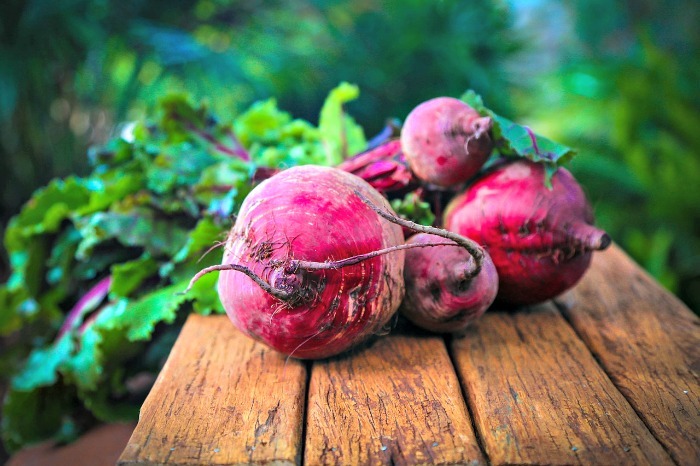
Imagine walking into your garden and seeing vibrant, freshly harvested beetroot, their deep red hue promising a burst of flavor and nutrients. These earthy gems are not just beautiful; they are packed with health benefits and can elevate your meals to new heights.
But how do you ensure that this hard-earned produce stays fresh and delightful for as long as possible? Storing beetroot properly is crucial to maintaining its taste and nutritional value. You might wonder if there’s a secret to keeping these root vegetables at their best.
Well, you’re in the right place. This guide will reveal simple yet effective methods to store beetroot from your garden. Whether you’re a seasoned gardener or a curious beginner, you’ll discover tips and tricks that will make your harvest last longer and taste better. Dive in, and let’s unlock the secrets to preserving your garden’s bounty!
Credit: learningandyearning.com
Harvesting Beetroot
Storing beetroot from the garden keeps them fresh for months. First, gently brush off excess soil. Then, place them in a cool, dark place, like a cellar or fridge, to maintain freshness.
Harvesting beetroot from your garden can be a rewarding experience that enriches your kitchen with fresh and vibrant produce. However, knowing when and how to harvest is essential to ensure you get the best flavor and nutritional value. With a little care and attention, you can enjoy the fruits of your labor and savor the deliciously earthy taste of homegrown beets. Let’s delve into the key aspects of harvesting beetroot successfully.Identifying Ripeness
Knowing when your beetroot is ripe can be a game-changer. The roots should be around the size of a tennis ball or slightly smaller, as larger beets can become woody and lose their sweet taste. Check the tops for signs of maturity; healthy, deep green leaves indicate a ready-to-harvest beet. If you’re unsure, gently loosen the soil to peek at the root size, but avoid disturbing the plant too much.Best Time To Harvest
Timing can make all the difference. Early morning or late afternoon is ideal for harvesting beetroot. The cooler temperatures preserve their firmness and sweetness. Consider the growing season length, generally 7 to 8 weeks from planting. It’s wise to check the seed packet for specific maturity dates, as they can guide you towards optimal harvesting times. Remember, if you’re dealing with a sudden frost, it’s better to harvest a bit early than to risk losing your crop. Would you rather have slightly smaller beets than none at all?Preparing Beetroot For Storage
Preparing Beetroot for Storage Harvest healthy beetroots from your garden. Trim leaves, leaving a small stem. Avoid washing. Store in a cool, dark place to maintain freshness.
Preparing beetroot for storage is essential to maintain its freshness and flavor. Proper preparation techniques ensure that your garden harvest stays edible longer. By following simple steps, you can keep your beetroot in top condition.Cleaning Techniques
Begin by gently removing soil from the beetroot. Use a soft brush or cloth to avoid damaging the skin. Rinsing under cold water helps remove remaining dirt. Ensure all mud and debris are washed away. Pat the beetroot dry with a clean towel to prevent moisture accumulation.Trimming And Cutting
Trim the beetroot tops, leaving about one inch of the stem. This prevents the beetroot from bleeding. Avoid cutting the root, as it can lead to spoilage. Inspect each beetroot for damage or blemishes. Cut away any damaged areas to protect the rest during storage.Short-term Storage Options
Beetroot from the garden can be stored short-term by wrapping them in newspaper. Keep them in a cool, dark place like a pantry or cellar. This method helps preserve freshness for up to a week.
Storing beetroot from your garden doesn’t have to be complicated, especially if you’re planning to use them soon. Short-term storage methods are perfect for keeping your beets fresh and ready to be transformed into delicious dishes. Whether you’re prepping for a weeknight dinner or a weekend feast, understanding how to store beetroot effectively can save you time and ensure your veggies stay crisp and tasty.Refrigeration Methods
Refrigeration is an excellent way to keep your beetroot fresh for a short period. Start by trimming the greens, leaving about an inch of the stem. This helps the beetroot retain its moisture and prevents it from shriveling. Next, wash the beets gently under cold water. It’s important to remove any dirt but avoid scrubbing too hard to preserve their natural protective coating. Once clean, pat them dry with a paper towel. Place the cleaned beets in the crisper drawer of your refrigerator. The cool temperature and controlled humidity will keep them fresh for about a week. Have you ever noticed how much longer your vegetables last when stored correctly?Using Plastic Bags
Plastic bags are another practical option for short-term beetroot storage. Choose perforated bags, which allow air circulation and prevent moisture buildup. Moisture can lead to mold, which is the last thing you want for your garden-fresh beets. Place the beets in the bag without overcrowding. It’s crucial to give them space to breathe. Seal the bag loosely and store it in the refrigerator’s crisper drawer. This method can extend their freshness by a few days compared to storing them without a bag. Have you tried different storage methods and noticed a difference in the taste and texture of your beets?Long-term Preservation Techniques
Storing beetroot from the garden requires proper techniques to preserve its freshness. Clean, dry, and trim the beetroot before storage. Keep them in a cool, dark place or refrigerate for extended shelf life.
Long-term preservation techniques are essential to enjoy beetroot year-round. Proper storage methods retain flavor and nutrients, making every meal delightful. Below are effective methods to keep your garden-grown beetroot fresh for months.Canning Beetroot
Canning is a reliable preservation method. Start by thoroughly washing the beetroot. Remove stems and leaves, leaving about an inch. Boil the beets until tender. Peel them once cooled. Slice or chop as desired. Prepare jars and lids by sterilizing them in boiling water. Pack the beetroot into jars, leaving space at the top. Add a brine solution for flavor and preservation. Seal the jars tightly and process in a boiling water bath. Store canned beetroot in a cool, dark place.Freezing Procedures
Freezing beetroot is straightforward and effective. Begin by cleaning and peeling the beets. Slice or dice them according to preference. Blanch the beetroot in boiling water for a few minutes. This step retains color and texture. Immediately transfer to ice water to stop cooking. Drain and pat dry. Pack the beetroot in airtight freezer bags or containers. Label with date for easy tracking. Store in the freezer, ensuring consistent temperature. Frozen beetroot lasts up to 12 months.Storing Beetroot In A Root Cellar
Storing beetroot in a root cellar keeps them fresh for months. Ensure beets are dry and free of dirt. Arrange them in single layers, avoiding contact with the walls to prevent rot.
Storing beetroot in a root cellar is a time-honored method. It preserves the freshness and flavor of your garden harvest. A root cellar provides an ideal environment for beetroot storage. It maintains the right temperature and humidity for long-term preservation.Ideal Conditions
The root cellar should be cool and dark. Aim for a temperature between 32 and 40 degrees Fahrenheit. Humidity levels should be around 90 to 95 percent. These conditions help prevent beetroot from drying out. Ensure good ventilation to keep the air fresh. Use a thermometer and hygrometer to monitor conditions. Adjust as needed to maintain optimal storage settings.Arrangement Tips
Arrange beetroots carefully to avoid damage. Trim the tops, leaving about an inch of stem. This prevents moisture loss and extends freshness. Place beetroots in a single layer on shelves or in bins. Avoid stacking them to reduce bruising. Use sand or sawdust to cover the beetroots. This helps retain moisture and keeps them cool. Check regularly for any signs of spoilage. Remove any damaged ones to protect the rest. This careful arrangement ensures the beetroot stays fresh and ready for use.
Credit: www.outdoorapothecary.com
Avoiding Common Storage Mistakes
Store beetroot in a cool, dark place to maintain freshness. Remove leaves and keep them in perforated bags. Proper storage prevents spoilage and preserves flavor.
Storing beetroot from your garden correctly is crucial to preserving its freshness and flavor. Many gardeners make simple mistakes that can lead to spoilage and waste. By learning how to avoid these common storage errors, you’ll enjoy your homegrown beetroot for longer periods. Let’s dive into some key tips on how to prevent these mishaps effectively.Preventing Mold
Mold is a common enemy when storing beetroot. To keep it at bay, ensure that your beets are completely dry before storage. Moisture is mold’s best friend, so pat them dry with a clean towel after washing. Do not store beets in plastic bags. Use perforated bags or breathable materials like burlap. These allow air circulation and reduce moisture build-up. Consider inspecting your stored beetroot regularly. Spot any signs of mold early to prevent it from spreading to other beets.Managing Temperature
Temperature plays a vital role in beetroot storage. Keep them in a cool, dark place, ideally between 32°F and 40°F (0°C and 4°C). This range helps maintain freshness without freezing the beets. Avoid storing beets near fruits like apples or bananas. These fruits produce ethylene gas, which can speed up ripening and spoilage. Use a simple thermometer to monitor your storage area. This ensures your beets stay within the ideal temperature range. Do you have a basement or a root cellar? These are perfect spots for beetroot storage. Just make sure they’re well-ventilated and dry. By sidestepping these common mistakes, you’ll find that your garden’s bounty lasts much longer. How do you plan on storing your beetroot this season?Signs Of Spoiled Beetroot
Spoiled beetroot often shows signs like a soft texture and an unpleasant odor. Dark spots or mold can appear on its surface, indicating it’s no longer fresh.
Storing beetroot from your garden can be a rewarding experience, ensuring a steady supply of this nutritious vegetable throughout the year. However, it is crucial to recognize the signs of spoiled beetroot to avoid consuming a bad batch. Knowing these indicators will help you make the most of your harvest and maintain food safety. Below, we break down the signs into three categories: visual indicators, smell, and texture.Visual Indicators
A healthy beetroot should have a vibrant color. If you notice any dark spots or mold on the surface, it’s time to discard it. Wrinkling or shriveling can also signal spoilage. These signs indicate loss of moisture and freshness. Keep an eye out for any sprouting. While it might seem harmless, sprouts can change the texture and taste.Smell And Texture
A fresh beetroot has a mild, earthy aroma. If your beetroot smells off or sour, it’s likely spoiled. Texture is another key factor. A firm beetroot is fresh, while a soft or mushy one is not. Touch your beetroot gently; if it feels slimy or sticky, it’s time to throw it away. Have you ever found a beetroot in your pantry that looked fine but smelled odd? Trust your senses; they’re your best tool in detecting spoilage. By understanding these signs, you can avoid the disappointment of discovering spoiled beetroot after storage. Keep your senses alert and ensure your garden’s bounty remains safe and delicious.
Credit: savvygardening.com
Frequently Asked Questions
How Do You Store Beets After Picking From The Garden?
Store beets in a cool, dark place. Trim leaves to one inch above the root. Keep them in perforated plastic bags in the refrigerator. Ensure they remain dry to prevent mold. Beets can last up to two weeks when stored properly.
What To Do With Fresh Beetroot From The Garden?
Wash and peel fresh beetroot. Roast, boil, or steam for salads or soups. Juice them for a healthy drink. Pickle beetroot slices for a tangy snack. Grate raw beetroot for a vibrant salad topping. Store in a cool place for longer freshness.
What Is The Best Way To Preserve Beetroot?
The best way to preserve beetroot is by pickling. Use vinegar, salt, and sugar to enhance flavor. Store in sterilized jars to ensure freshness and longevity. Pickled beetroot can last several months in a cool, dark place. This method retains nutrients and taste effectively.
Do Beets From The Garden Need To Be Refrigerated?
Beets can be stored in a cool, dry place for a few days. For longer freshness, refrigerate them. Remove the greens before storing to prevent moisture loss. Store in a perforated plastic bag in the fridge to maintain quality. Enjoy fresh garden beets for weeks by refrigerating properly.
Conclusion
Storing beetroot properly keeps them fresh longer. Follow simple steps for success. Clean beets gently and remove greens. Dry completely to prevent rot. Choose a cool, dark place for storage. Root cellar or fridge are great options. Consider canning or pickling for extended preservation.
These methods lock in flavor and nutrients. Enjoy garden-fresh beetroot all year round. Simple practices lead to tasty results. Your beetroot will stay delicious and nutritious. Experiment with storage methods that suit you best. With care, your harvest remains enjoyable for months.
Happy storing and enjoy your beets!