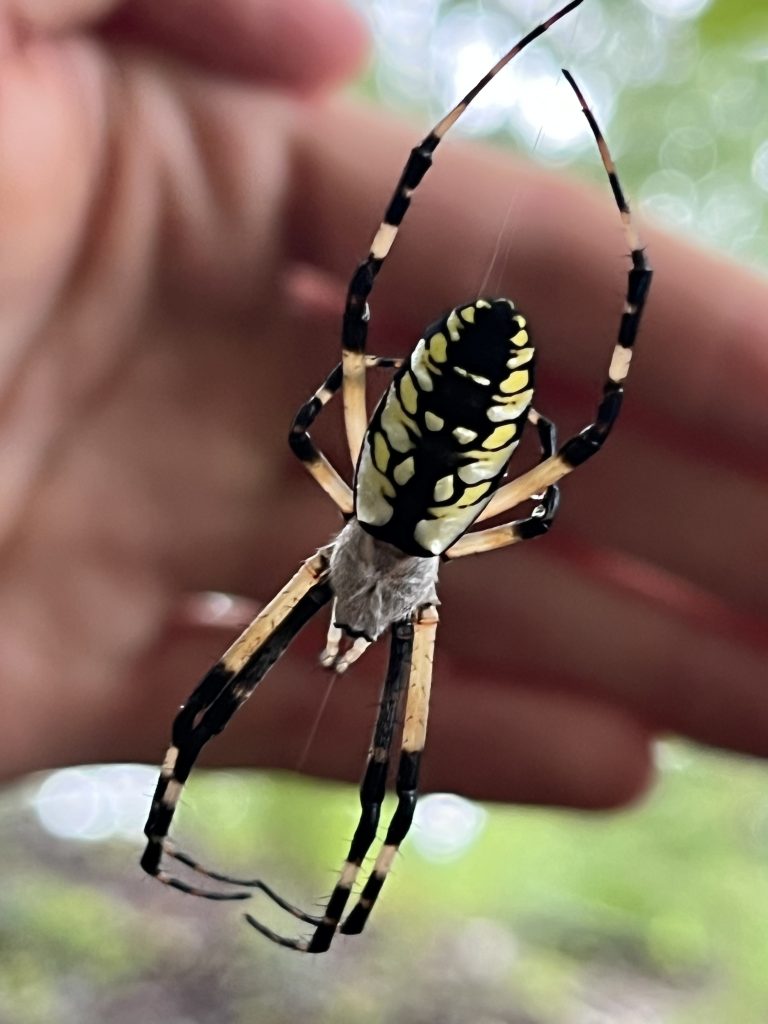
You’re in your garden, enjoying the vibrant colors and the sweet scent of blooming flowers, when suddenly, you spot a striking yellow and black spider weaving its web. Your first thought might be, “Is the Yellow Garden Spider poisonous?”
This question can spark curiosity and concern, especially if you have children or pets who love to explore the outdoors. Understanding whether this fascinating arachnid poses any danger is crucial for your peace of mind and your family’s safety. You’ll discover everything you need to know about the Yellow Garden Spider, unraveling myths and revealing truths that will help you appreciate your garden’s ecosystem without fear.
So, stay with us as we delve into the captivating world of this garden dweller.

Credit: www.facebook.com
Yellow Garden Spider Identification
Yellow garden spiders are not dangerous to humans. They may bite if threatened, but their venom is harmless. These spiders are recognizable by their striking yellow and black patterns.
Identifying the yellow garden spider can be an intriguing endeavor for nature enthusiasts and gardeners alike. Known for their striking appearance, these spiders are often spotted in gardens during the late summer and early fall. Understanding their physical characteristics and where they thrive can enhance your appreciation of these fascinating creatures.Physical Characteristics
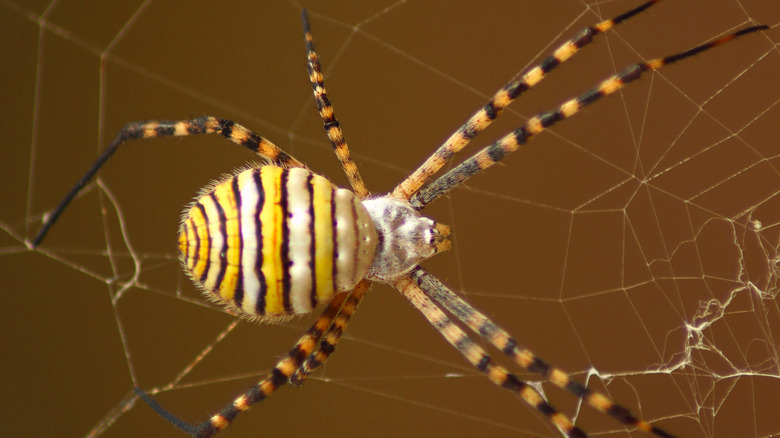
The yellow garden spider, often referred to as Argiope aurantia, boasts a distinctive look that is hard to miss. Its body is a striking combination of black and yellow, with bold patterns that resemble a piece of abstract art. Females, typically larger than males, can measure up to one inch in body length, with legs extending much further. Their legs feature alternating bands of yellow and black, adding to their eye-catching appearance. When you encounter one, notice the thick, zigzag silk patterns in their webs known as stabilimenta, which are believed to strengthen the web or perhaps deter predators.Habitat And Distribution
Yellow garden spiders are commonly found across North America. They thrive in sunny environments, making gardens, fields, and meadows ideal homes. They prefer areas with plenty of vegetation, where they can anchor their webs between tall plants and shrubs. You might find them hanging in the center of their intricate webs, waiting patiently for prey. As you explore these habitats, keep an eye out for their characteristic webs. Could one be hiding right in your backyard? The presence of these spiders is often a sign of a healthy garden ecosystem.Venom Composition
The yellow garden spider has venom to subdue its prey, but it poses no threat to humans. Its bite may cause mild irritation, similar to a bee sting, but is generally harmless. These spiders are beneficial garden inhabitants, helping to control insect populations.
Understanding the venom composition of the Yellow Garden Spider can provide clarity on whether this arachnid poses any danger to humans. The truth is, most spiders use venom as a tool for hunting and self-defense. But not all venoms are created equal.Components Of Yellow Garden Spider Venom
The Yellow Garden Spider’s venom primarily consists of proteins and enzymes. These components are designed to immobilize prey rather than harm humans. – Proteins: These help in breaking down the prey’s body tissues, making them easier to consume. – Enzymes: They aid in digesting the prey externally, starting the digestive process even before consumption. You might wonder how these components affect humans. In most cases, a bite from this spider might only cause mild irritation or swelling. It’s similar to a mosquito bite in its effect.Comparison With Other Spiders
When comparing the Yellow Garden Spider to more notorious spiders, like the Black Widow or Brown Recluse, the differences are clear. – Black Widow Venom: Known for its neurotoxic properties, which can cause significant pain and muscle cramps in humans. – Brown Recluse Venom: Contains necrotic agents that can cause tissue damage and require medical attention. In contrast, the Yellow Garden Spider’s venom lacks these severe effects. So, should you encounter one while gardening, there’s little need for alarm. Have you ever wondered why some spiders are more dangerous than others? It’s all in the venom’s complexity and purpose. As you explore your garden, remember that not all spiders are out to get you. Some, like the Yellow Garden Spider, are just part of the ecosystem, doing their job efficiently and harmlessly.Effects On Humans
The Yellow Garden Spider, often spotted in gardens and fields, is a striking creature with its vibrant yellow and black coloring. While its appearance may seem intimidating, many wonder if this spider poses a real threat to humans. Understanding the effects of a Yellow Garden Spider bite can ease your concerns and help you enjoy your gardening without fear.
Symptoms Of A Bite
Have you ever been bitten by a Yellow Garden Spider? You might experience mild symptoms. Most people report a small, red bump at the bite site, similar to a mosquito bite.
Some individuals notice slight itching or irritation. These symptoms usually fade away within a few days. It’s good to know that severe reactions are rare.
Severity And Treatment
How severe can a Yellow Garden Spider bite be? Generally, these bites are not dangerous. The spider’s venom is not potent enough to cause significant harm to humans.
In the unlikely event you experience more intense symptoms like swelling or prolonged pain, simple home remedies can help. Applying a cold compress can relieve discomfort, and over-the-counter antihistamines may reduce itching.
If symptoms persist or worsen, consulting a healthcare professional is wise. They can provide personalized advice and ensure peace of mind.
Ultimately, the Yellow Garden Spider is more of a garden helper than a threat. Next time you spot one, admire its unique beauty rather than worry about its bite!

Credit: moxieservices.com
Benefits To Ecosystem
The yellow garden spider, also known as Argiope aurantia, is more than just a striking presence in your garden. While its vivid yellow and black markings may be intimidating, this spider plays a crucial role in maintaining the balance of your garden’s ecosystem. Understanding the benefits these spiders bring can help you appreciate their presence and even encourage you to welcome them into your green spaces.
Role In Pest Control
Yellow garden spiders are natural predators of many common garden pests. They feed on insects such as aphids, flies, and grasshoppers, which can wreak havoc on your plants. By keeping the population of these pests in check, these spiders help reduce the need for chemical pesticides.
Have you ever noticed fewer pests after spotting a yellow garden spider? It’s no coincidence. Their webs are strategically placed to catch flying insects, effectively serving as a natural pest control system.
Impact On Garden Health
Beyond controlling pests, yellow garden spiders contribute to a healthier garden environment. Their presence promotes biodiversity, which is essential for a balanced ecosystem. A diverse garden is more resilient and better able to withstand diseases and environmental stress.
Encouraging these spiders can lead to more vibrant plant life. As they control pest populations, plants can thrive without being overwhelmed by insects. This results in a lush, thriving garden that benefits not only the plants but also the wider ecosystem.
How do you feel about sharing your garden with these beneficial creatures? Embracing them might just be the key to a flourishing garden without the dependency on synthetic solutions.
Myths And Misconceptions
Many people believe the yellow garden spider is dangerous, but it is harmless to humans. Its venom is mild and only affects its prey. This spider plays a helpful role in gardens by controlling pest populations.
In the world of arachnids, myths often cloud reality. The yellow garden spider, with its striking appearance, is no exception. Many people harbor fears about this spider’s venom. Let’s explore the myths and set the record straight.Common Misunderstandings
People often think the yellow garden spider is deadly. This belief stems from its vivid colors and size. Bright colors in nature sometimes signal danger. But not always. This spider is more of a garden friend than a foe. Its venom is harmless to humans. It can bite if threatened, like many creatures. The bite is similar to a bee sting. Painful but not dangerous.Dispelling Fears
Fear often arises from the unknown. Understanding these spiders helps ease concerns. They play a key role in controlling pests. They capture and eat insects, like flies and mosquitoes. This helps maintain garden health. The yellow garden spider weaves beautiful webs. Observing their intricate designs can be fascinating. They pose no real threat to humans or pets. By learning more, we can appreciate their presence in our gardens.Safety Precautions
The yellow garden spider, also known as Argiope aurantia, is common in gardens. Though its appearance may be intimidating, it is not harmful to humans. Yet, taking precautions when around these spiders can ensure safety. Understanding how to avoid bites and recognize signs requiring medical attention is crucial.
Avoiding Bites
To avoid bites, give these spiders space. They rarely bite unless threatened. Observe them from a distance. If you need to work near their webs, wear gloves. Avoid disturbing their habitat. Keep children and pets away from the spider’s web.
When To Seek Medical Help
If bitten, monitor the bite area. Typical symptoms include minor swelling and redness. These often resolve quickly. Seek medical help if severe symptoms appear. Look for signs like intense pain, allergic reactions, or difficulty breathing. Consult a doctor immediately for unusual symptoms.
Credit: www.housedigest.com
Frequently Asked Questions
What Happens If A Yellow Garden Spider Bites You?
A yellow garden spider bite causes mild pain, redness, and swelling. Symptoms typically subside quickly without serious effects.
Are Yellow Garden Spiders Good To Have Around?
Yes, yellow garden spiders are beneficial. They control pest populations by eating insects like flies and mosquitoes. These spiders are harmless to humans and help maintain garden health. Their presence indicates a balanced ecosystem. Enjoy having them in your garden for natural pest control and biodiversity support.
Can You Touch A Yellow Garden Spider?
Yes, you can touch a yellow garden spider. They are generally harmless to humans. Handle them gently to avoid stressing the spider. Always wash your hands afterward to prevent irritation or allergic reactions. These spiders are beneficial for gardens by controlling pest populations.
How Poisonous Is A Yellow Spider?
Yellow spiders are generally harmless to humans. Most yellow spiders, like the yellow sac spider, have mild venom causing minor irritation or redness. Seek medical attention if allergic reactions occur. Always consult a professional for specific identification and advice.
Conclusion
Yellow garden spiders are not dangerous to humans. Their venom is mild. It causes slight irritation or swelling. These spiders are helpful in gardens. They eat pests and insects. Their web patterns are unique and beautiful. Observing them can be fascinating.
Knowing they are harmless can ease worries. Enjoy your garden without fear. Appreciate the spider’s role in nature. Always remember, they are more friend than foe. So, next time you see one, let it be.