Are you dreaming of a lush, thriving garden bursting with vibrant flowers and bountiful vegetables? The secret to achieving this lies beneath your feet—in your garden soil.
Knowing the health and composition of your soil is the first step to nurturing your garden into the green oasis you desire. But how do you really know what’s going on down there? Testing your garden soil is the key.
Imagine having the power to boost your garden’s growth simply by understanding its needs. When you test your soil, you uncover essential information about its nutrient content, pH level, and overall health. This knowledge allows you to make informed decisions about fertilizers and other soil amendments, ensuring your plants get exactly what they need to flourish. Curious about how to get started? We’ll walk you through the entire process, step-by-step, demystifying soil testing and empowering you to take control of your garden’s destiny. Let’s dig in and discover how you can transform your garden into the envy of the neighborhood. Keep reading to unlock the secrets hidden beneath the surface and watch your garden thrive like never before.
Importance Of Soil Testing
Understanding soil health ensures plants thrive. Testing reveals nutrient levels and pH balance. This guides proper fertilization and plant selection, enhancing garden productivity and sustainability.
Testing your garden soil is not just a task for the green-thumbed enthusiasts; it’s a crucial step for anyone keen on nurturing a thriving garden. Understanding the importance of soil testing can be the difference between vibrant blooms and stunted growth. When you know what your soil needs, you can tailor your gardening efforts to ensure optimal plant health. So, why is soil testing so important?Understanding Nutrient Levels
Knowing the nutrient levels in your soil helps you provide the right balance of minerals. Soil tests reveal the presence of essential nutrients like nitrogen, phosphorus, and potassium. This information is vital because each plant species has unique nutritional needs. By aligning your fertilization practices with soil test results, you can avoid over-fertilizing or under-fertilizing your plants.Identifying Ph Levels
The pH level of your soil can significantly influence plant health. Some plants thrive in acidic soils, while others prefer alkaline conditions. Testing your soil’s pH helps you make informed decisions about which plants to grow. It also guides you in adjusting the pH if necessary, using lime to raise it or sulfur to lower it, ensuring your garden is a friendly environment for your chosen plants.Detecting Contaminants
Soil testing can alert you to the presence of harmful contaminants. Heavy metals like lead or arsenic can pose serious risks to your health and the environment. By identifying these contaminants early, you can take appropriate action to remediate the soil. This is especially important if you’re growing edible plants, as the last thing you want is harmful substances making their way onto your plate.Improving Soil Structure
A soil test can provide insights into the texture and structure of your soil. Understanding whether your soil is sandy, clay, or loamy can help you improve its composition. Good soil structure allows for better water retention and drainage, which are critical for healthy root development. Amending your soil based on these insights can lead to a more robust and productive garden.Saving Time And Money
By testing your soil, you can avoid unnecessary expenses on fertilizers and amendments that your soil doesn’t need. Knowing precisely what your garden requires means you spend your resources wisely. This proactive approach not only saves money but also ensures that your gardening efforts are efficient and effective.Enhancing Plant Health And Yield
Ultimately, the main goal of soil testing is to improve plant health and increase yield. When plants receive the right nutrients in the right amounts, they grow stronger and more resilient. This leads to a more bountiful harvest and a more beautiful garden. Isn’t that what every gardener dreams of? Incorporating soil testing into your gardening routine may seem like an extra step, but the benefits are undeniable. By knowing exactly what your soil needs, you’re setting up your garden for success. Don’t leave your plant health to chance—invest in a soil test and see the difference it makes.
Credit: homesteadhow-to.com
Identifying Soil Type
Understanding the soil type in your garden helps optimize plant growth. Simple tests can reveal soil texture, drainage, and pH. Regularly monitoring these aspects ensures your plants thrive in the right environment.
Identifying the type of soil in your garden is crucial. It helps in understanding how to improve plant growth. Different soil types have unique characteristics. Knowing these can guide your gardening efforts effectively. Two simple tests can help identify your soil type.Simple Texture Test
This test is quick and easy. Grab a handful of moist soil. Roll it into a ball. Does the ball hold together? If yes, your soil might be clay. If it falls apart, it could be sandy. Rub the soil between your fingers. Is it gritty or smooth? Gritty indicates sand, while smooth suggests clay. This tactile approach provides immediate insights.Jar Test Method
The jar method offers more precise results. Fill a jar one-third full with soil. Add water until the jar is almost full. Secure the lid tightly. Shake the jar to mix the contents. Let it sit undisturbed for 24 hours. Observe the layers that form. Sand settles at the bottom. Silt forms a middle layer. Clay remains at the top. This visual breakdown helps identify soil composition.Tools For Soil Testing
Testing garden soil is essential for healthy plants. Knowing the soil’s condition helps choose the right plants and fertilizers. Tools for soil testing range from basic kits to advanced equipment. These tools provide insights into soil health, nutrients, and pH levels.
Basic Testing Kits
Basic testing kits are easy to use and affordable. They are perfect for home gardeners. These kits usually test soil pH, nitrogen, phosphorus, and potassium levels. Most kits come with color charts for simple results. Users can follow instructions on the package. Results are quick and accurate enough for small gardens. These kits are a great starting point for soil health awareness.
Advanced Testing Equipment
Advanced equipment offers detailed soil analysis. It is suitable for larger gardens or farms. These tools can test micronutrients and soil texture. Some advanced equipment includes digital meters and lab services. Digital meters give instant readings. Lab services provide comprehensive reports. Advanced tools require more investment. They offer precise information for serious gardeners. With detailed data, gardeners can make informed decisions.
Collecting Soil Samples
Understanding your garden soil is crucial for healthy plant growth. Collecting soil samples is the first step in this process. Proper sampling ensures accurate results, guiding you in soil improvement. Follow these steps to collect samples correctly.
Choosing Sampling Spots
Select different areas in your garden for samples. Identify spots with varied soil conditions. Consider areas with different plant growth and drainage. Avoid spots near compost piles or under trees. These spots might not represent typical soil conditions.
Proper Sampling Technique
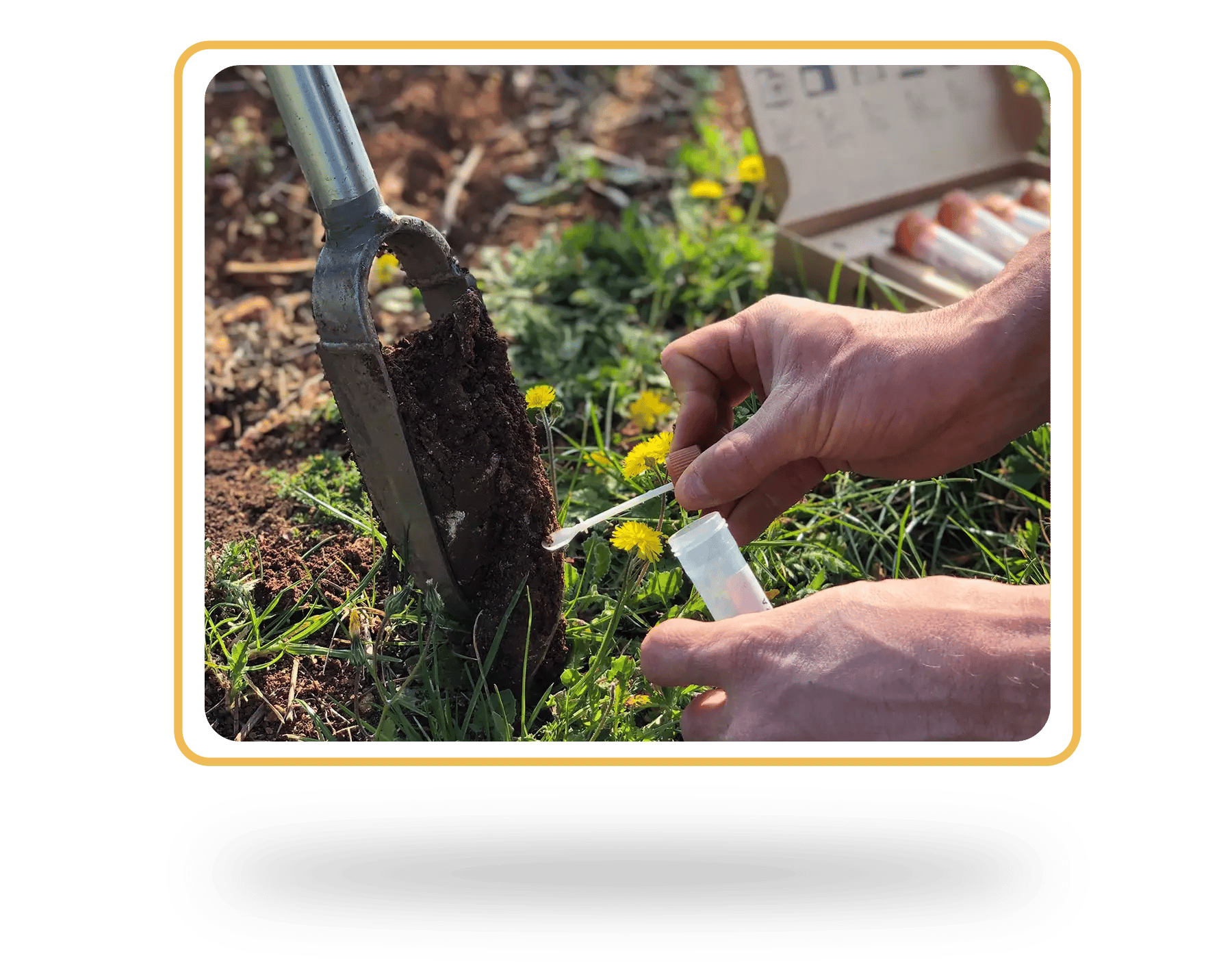
Use a clean spade or soil probe for sampling. Remove surface debris before collecting soil. Dig a small hole about 6 inches deep. Take a slice of soil from the hole’s side. Ensure the slice is even in thickness.
Repeat this process for each chosen spot. Mix soil samples from different spots in a clean bucket. This creates a composite sample for testing. Take about 1 cup of this mixed soil for analysis.
Conducting Basic Soil Tests
Understanding your garden soil is crucial for healthy plants. Conduct basic soil tests to check pH, texture, and nutrients. These tests guide you in improving soil quality for better plant growth.
Conducting basic soil tests is a crucial step in understanding your garden’s foundation. Knowing your soil’s characteristics allows you to tailor your gardening practices for optimal plant growth. Let’s delve into some fundamental tests you can perform right at home.Ph Level Assessment
Testing the pH level of your soil helps determine its acidity or alkalinity, which directly affects plant health. You can easily perform this test using a home pH testing kit available at garden centers. Simply collect soil samples from different areas of your garden. Mix them with distilled water as instructed in the kit. Compare the resulting color change against the pH scale provided. A pH level between 6 and 7 is ideal for most plants. If your soil pH is off, consider adding lime to raise it or sulfur to lower it.Nutrient Availability Test
Understanding nutrient availability in your soil ensures your plants have access to essential elements. Many garden centers offer kits that test for nitrogen, phosphorus, and potassium—the big three nutrients. To perform this test, follow the kit’s instructions to mix soil samples with a testing solution. The resulting color indicates nutrient levels, which you can compare to the chart provided. Low nutrient levels call for specific fertilizers. For instance, a nitrogen deficiency might need an organic compost boost. By regularly testing your soil, you can make informed decisions about amendments and fertilizers. This proactive approach leads to healthier plants and more bountiful harvests.
Credit: www.familyhandyman.com
Interpreting Test Results
Testing garden soil reveals important details about its health. Determine pH levels and nutrient balance for better plant growth. Adjust soil conditions based on the test results to ensure optimal gardening success.
Interpreting test results is a crucial step in understanding your garden’s soil health. Once you have tested your soil, the numbers and figures can seem daunting. But these results hold the key to nurturing your plants effectively. Learning to decode this information allows you to tailor the soil conditions to your plants’ needs. Let’s dive into how you can make sense of what your soil test reveals.Understanding Ph Values
The pH level of your soil is a measure of its acidity or alkalinity. Most plants prefer a slightly acidic to neutral pH, typically between 6.0 and 7.0. If your soil’s pH is too high or too low, it can affect nutrient availability. Consider adding lime to raise pH or sulfur to lower it. A friend once shared how adjusting pH improved her tomato yield. This simple change can make a big difference in your garden’s success.Nutrient Deficiency Indicators
Your soil test will highlight any nutrient deficiencies, such as nitrogen, phosphorus, or potassium. Each nutrient plays a unique role in plant growth. Low nitrogen levels might result in yellowing leaves, while phosphorus deficiency could stunt root development. Imagine the surprise when a neighbor realized her wilting flowers were due to low potassium. Identifying these issues early can save your plants from stress and poor growth. Understanding these aspects of your soil test results empowers you to make informed decisions. What will your garden reveal to you?Improving Soil Quality
Your garden’s soil is the foundation of healthy plant growth. Improving soil quality can lead to flourishing plants and bountiful harvests. Understanding how to enhance your soil is crucial, especially after testing it. You might be surprised at how simple changes can make a big difference.
Amending With Compost
Compost is a gardener’s gold. It enriches soil with nutrients and improves its structure. Start by gathering kitchen scraps and yard waste, then allow them to decompose over time. This natural process turns waste into a nutrient-rich amendment.
Consider adding compost to your soil each season. This practice not only provides essential nutrients but also enhances moisture retention. Think of your garden as a living ecosystem; compost is the food that keeps it thriving.
Using Fertilizers Effectively
Fertilizers can be a quick fix for nutrient deficiencies. Choose the right type based on your soil test results. Organic options like bone meal or fish emulsion are great for a gentle boost. They provide nutrients without harsh chemicals.
Apply fertilizers strategically, targeting areas that need the most help. Overuse can harm plants and the environment. Ask yourself: Are you giving your plants what they truly need? Monitor growth and adjust your approach as needed.
Maintaining Healthy Soil
Healthy soil is the foundation of any thriving garden. It supports plant growth and increases yield. Regular soil testing helps maintain this vital resource. Through monitoring and adjustments, gardeners can ensure optimal conditions. This practice leads to healthier plants and a productive garden.
Regular Monitoring
Regularly check your garden soil for changes. Use simple kits to measure pH and nutrients. Check for any signs of poor health, like yellowing leaves. Document your findings for future reference. This habit helps you spot trends and address issues early.
Seasonal Adjustments
Each season brings different soil needs. In spring, focus on soil aeration and moisture levels. In summer, ensure your soil retains enough water. Fall is perfect for adding organic matter. Winter involves protecting soil from erosion. Adjust your soil care routine with the seasons.
Credit: biomemakers.com
Frequently Asked Questions
Can I Test My Own Garden Soil?
Yes, you can test your garden soil yourself. Purchase a DIY soil test kit online or at garden stores. Follow instructions to check pH, nutrients, and contaminants. Regular testing helps maintain soil health and improve plant growth.
How Do I Know If My Garden Soil Is Good?
Test soil texture; it should crumble easily. Check drainage by observing water retention. Ensure pH is 6-7. Look for earthworms, indicating nutrient richness. Conduct a soil test for precise nutrient levels.
How Much Does It Cost To Have Your Garden Soil Tested?
Garden soil testing costs range from $10 to $50. Prices vary by location and testing complexity. Basic nutrient tests are cheaper, while comprehensive analyses cost more. Local extension services or private labs often offer these tests. Always compare prices and services for the best value.
Are Home Soil Test Kits Accurate?
Home soil test kits offer reasonable accuracy for basic assessments. They measure pH levels and nutrient content reliably. However, for detailed analysis, professional lab tests are recommended. Kits are easy to use and provide quick results, making them suitable for gardeners seeking general insights into soil health.
Conclusion
Testing your garden soil is crucial for healthy plants. Knowing your soil’s condition helps in choosing the right plants. It also guides you in improving soil quality. Regular testing avoids surprises and ensures a thriving garden. Simple tests can reveal pH levels and nutrient content.
This knowledge saves time and enhances growth. Armed with this information, you can nurture a lush and vibrant garden. Start testing today and watch your garden flourish. A little effort goes a long way in maintaining a beautiful outdoor space.
Happy gardening!