
Have you ever found yourself craving that comforting taste of Italian cuisine, only to find yourself at the familiar doors of Olive Garden? As you savor the creamy Alfredo pasta or dip the warm breadsticks into marinara sauce, have you ever wondered who brought this beloved Italian dining experience to life?
The story behind Olive Garden’s inception is as rich and flavorful as its menu. You’ll uncover the fascinating origins of the restaurant that has become synonymous with hearty Italian meals in America. Discover the visionaries who sparked a culinary movement, and satisfy your curiosity just as much as your taste buds.
Keep reading to find out who started Olive Garden and how it became a household name that you know and love today.

Credit: www.recipeunlimited.com
Early Roots Of Olive Garden
The Olive Garden, known for its delicious Italian-inspired meals, has become a beloved dining destination across the United States. But have you ever wondered about its humble beginnings? Understanding the early roots of Olive Garden offers insights into how a single restaurant evolved into a nationwide sensation, serving unlimited breadsticks and hearty pasta dishes.
Who Founded Olive Garden?
Olive Garden was established by General Mills, the multinational food company, in 1982. The vision was to create a friendly, casual dining experience that offered authentic Italian food. This move marked General Mills’ foray into the restaurant industry, a decision that proved to be incredibly successful. Have you ever wondered why they chose Italian cuisine? It was the growing popularity of Italian food in America that influenced this decision.
The First Olive Garden Location
The first Olive Garden opened its doors in Orlando, Florida. This choice of location was strategic, given Florida’s booming tourism industry and diverse population. The restaurant quickly gained popularity, thanks to its welcoming atmosphere and delicious menu offerings. Orlando’s reputation as a tourist hub also contributed to Olive Garden’s early success, attracting visitors from all over the world.
The Unique Dining Experience
Olive Garden’s unique selling proposition was its focus on creating a warm and friendly dining environment. The concept of unlimited breadsticks and salad became a crowd favorite, encouraging people to come back for more. This focus on hospitality and value for money set Olive Garden apart from other restaurants at the time. Have you ever wondered why people love the breadsticks so much? It’s the simple pleasure of sharing good food with great company.
Following its initial success, Olive Garden rapidly expanded across the United States. The demand for Italian cuisine was growing, and Olive Garden seized this opportunity to reach new markets. Each new location maintained the brand’s commitment to quality and customer satisfaction, ensuring that Olive Garden’s reputation continued to grow positively. How does a restaurant maintain consistency while expanding? It’s the dedication to the original vision and values.
Key Founders
Olive Garden, a beloved Italian-American restaurant chain, has a rich history. At its core are the visionaries who shaped its identity. Understanding the key founders offers insight into how Olive Garden became a household name.
Bill Darden: The Visionary
Bill Darden played a pivotal role in Olive Garden’s inception. He was a seasoned restaurateur with a keen eye for market trends. Darden’s dream was to offer a family-friendly dining experience. His vision centered around delicious Italian cuisine.
Joe R. Lee: The Strategic Mind
Joe R. Lee brought strategic expertise to the table. As a co-founder, he focused on business growth and expansion. Lee’s strategies were instrumental in Olive Garden’s rapid success. His leadership fostered a culture of excellence.
General Mills: The Corporate Backbone
General Mills provided essential corporate support. The company launched Olive Garden as a new venture. Their resources ensured stability and growth. General Mills’ backing was crucial during the early years.
Inspiration Behind The Concept
Olive Garden, a staple in American dining, has a unique origin. The idea was born from a desire to bring Italy’s warm hospitality to the U.S. The founders wanted a place where everyone feels like family. They aimed to create an Italian dining experience that was accessible to all.
Authentic Italian Experience
Italy’s rich culinary traditions inspired Olive Garden’s concept. The founders traveled to Italy to learn from local chefs. Their goal was to capture the essence of Italian dining. They wanted to offer more than just food. They wanted an authentic experience.
Family-centric Atmosphere
Family is central to Italian culture. Olive Garden embraced this idea wholeheartedly. The founders envisioned a place where families gather and share meals. They wanted a welcoming environment that felt like home. Their focus was on creating lasting memories for guests.
Affordable And Accessible
Olive Garden was designed to be inclusive. The founders wanted everyone to enjoy a taste of Italy. They worked to keep dishes affordable yet high in quality. Their mission was to offer Italian cuisine without the high price tag. They aimed to make dining out a joyous occasion for all.
Emphasis On Hospitality
Hospitality is a cornerstone of Olive Garden’s philosophy. The founders believed in treating guests like family. Staff were trained to provide exceptional service. They focused on creating a warm and inviting atmosphere. This approach set Olive Garden apart from other restaurants.
Credit: m.yelp.com
First Restaurant Opening
The Olive Garden story began with its first restaurant opening. This event marked the start of a beloved dining experience. The restaurant aimed to bring Italian flavors to the heart of America. Diners were excited to explore the new menu and ambiance.
First Restaurant Location
The first Olive Garden opened in Orlando, Florida. This city was perfect for introducing a new dining concept. Orlando’s diverse population welcomed the Italian-inspired menu with open arms.
Year Of Opening
The doors of the first Olive Garden opened in 1982. The early 80s was a time of culinary exploration in America. Olive Garden was part of this exciting movement, offering something fresh and inviting.
Concept And Design
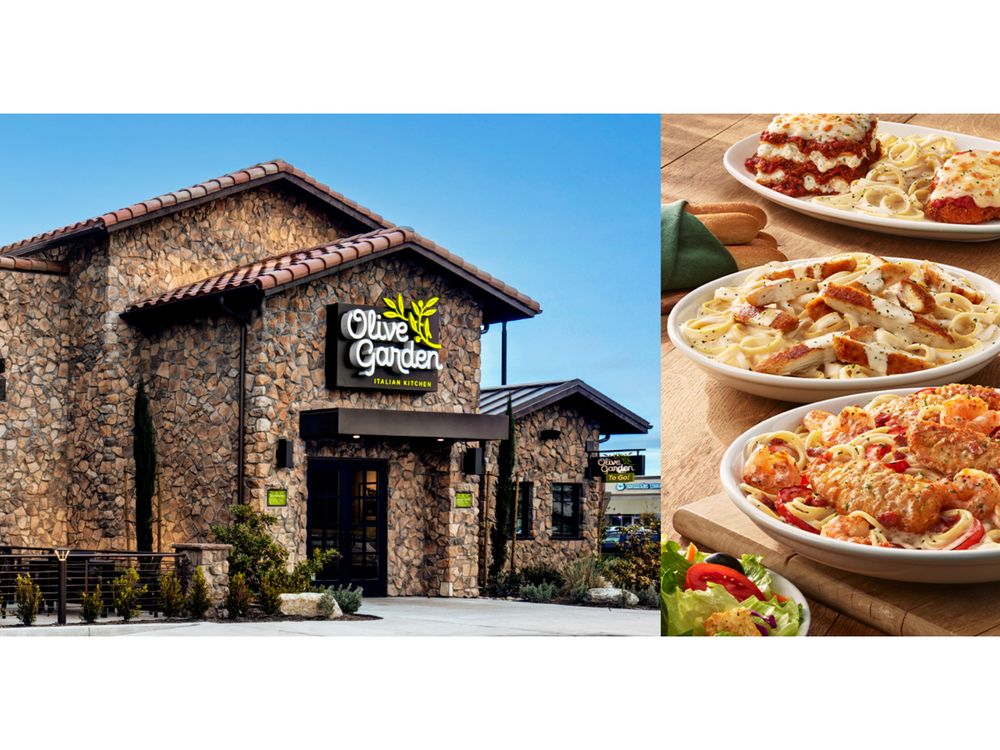
The restaurant’s design reflected a rustic Italian villa. It provided a warm and welcoming atmosphere. The decor aimed to transport guests to Italy, enhancing the dining experience.
Menu Highlights
The menu focused on traditional Italian dishes. Pasta, salads, and breadsticks quickly became favorites. The chefs crafted each dish with authenticity and care, delighting guests.
Initial Reception
The first Olive Garden was a hit among locals. People appreciated the combination of great food and inviting atmosphere. It quickly became a popular spot for families and friends.
Growth And Expansion
Olive Garden was founded by General Mills in 1982. It quickly grew to become a popular Italian-American restaurant chain. Known for its warm atmosphere and pasta dishes, Olive Garden expanded across the United States.
The journey of Olive Garden from a single restaurant to a household name is a fascinating tale of strategic growth and expansion. From humble beginnings in 1982, the restaurant quickly gained popularity for its warm ambiance and authentic Italian cuisine. As you explore its expansion story, you’ll find a blend of smart business decisions and an unwavering commitment to customer satisfaction.Early Expansion Efforts
In its initial years, Olive Garden focused on establishing a strong presence in the United States. The brand’s first wave of expansion involved opening new locations in key urban areas, ensuring that the Olive Garden experience was accessible to more people. Each new restaurant was designed to reflect the inviting atmosphere and authentic Italian décor that customers loved.Innovative Menu And Marketing
A crucial factor in Olive Garden’s expansion was its innovative approach to menu offerings. They introduced dishes that catered to a variety of tastes, from traditional pasta to unique, seasonal specials. The “Never Ending Pasta Bowl” promotion became a major hit, drawing in crowds and increasing brand loyalty.International Expansion
With success in the U.S., Olive Garden set its sights on international markets. This move required adapting to local tastes while maintaining the essence of Italian cuisine. The brand opened its first international location in Mexico, followed by ventures into Canada and other parts of the world.Adapting To Changing Times
As dining trends evolved, Olive Garden embraced new technologies and service models. They introduced online ordering and delivery options, making it easier for customers to enjoy their favorite meals. These adaptations not only increased accessibility but also kept the brand relevant in a fast-changing industry.Community Engagement
Olive Garden’s growth has always been about more than just opening new locations. The brand places a strong emphasis on community involvement, supporting local charities and events. This commitment has helped build a loyal customer base that feels connected to the restaurant beyond just dining. The story of Olive Garden’s growth is a testament to the power of combining passion, innovation, and community focus. As you reflect on your own experiences with the brand, consider how these elements have influenced its journey and your personal dining experiences. What aspects of Olive Garden’s growth resonate most with you?
Credit: www.thedailymeal.com
Menu Evolution
The Olive Garden has become synonymous with hearty Italian fare, but its menu has evolved significantly since the restaurant’s inception. This evolution reflects changes in culinary trends, customer preferences, and the brand’s commitment to offering authentic and innovative dishes. If you’ve ever found yourself savoring a new dish at Olive Garden, you might have wondered about the journey the menu has taken to bring that delicious experience to your plate.
Menu Evolution: A Taste Of Tradition And Innovation
The original Olive Garden menu focused heavily on classic Italian dishes like spaghetti and meatballs, lasagna, and fettuccine Alfredo. These staples provided a comforting taste of Italy, appealing to customers seeking familiar flavors.
As the culinary landscape shifted, Olive Garden began introducing lighter options and fresh ingredients. The addition of seafood dishes like shrimp scampi expanded the menu, catering to those who preferred lighter fare without sacrificing flavor.
Olive Garden also embraced seasonal offerings, introducing dishes that highlight fresh, in-season ingredients. This approach not only keeps the menu exciting but also ensures quality and sustainability.
Have you noticed the growing emphasis on regional Italian cuisine? Olive Garden has worked to incorporate dishes from different regions of Italy, offering diners a more authentic and diverse experience.
One of the most exciting aspects of the menu evolution is the inclusion of customizable options. Offering dishes that can be tailored to individual tastes and dietary needs makes Olive Garden a versatile choice for groups with varied preferences.
As a visitor, you may have experienced the delight of discovering a new favorite dish amidst familiar classics. How does Olive Garden balance tradition with the need for innovation? Your dining choices play a crucial role in shaping the future of their menu.
What dish do you hope to see next on the Olive Garden menu? Your feedback and preferences could influence the next chapter in their culinary story.
Influence On Casual Dining
Olive Garden has become a household name, transforming the landscape of casual dining in the United States. Its inception marked the beginning of a new era where Italian cuisine became accessible to everyone, not just a luxury reserved for special occasions. But how did Olive Garden become such a staple in American dining culture?
Who Started Olive Garden?
Olive Garden was born out of a vision to bring authentic Italian dining to the masses. General Mills launched the first restaurant in Orlando, Florida, in 1982. The founders recognized the potential for Italian cuisine to captivate American taste buds, offering an experience that was both familiar and exotic.
Setting The Standard For Casual Dining
Olive Garden’s influence on casual dining is undeniable. It changed the way people perceived dining out, making it accessible and affordable. The restaurant’s model focused on providing a warm and welcoming atmosphere, combined with consistent quality and friendly service.
Do you remember the first time you walked into an Olive Garden? The smell of freshly baked breadsticks and the inviting décor made you feel right at home. This approach set a new standard, prompting other restaurants to elevate their game.
Menu Innovations And Popularity
Olive Garden’s menu innovations played a crucial role in its success. By offering unlimited breadsticks and salad, they created a unique value proposition. This not only attracted customers but kept them coming back for more.
The introduction of dishes like the Tour of Italy platter allowed diners to experience a variety of flavors in one meal. It was these creative offerings that helped Olive Garden stand out in the crowded casual dining sector.
Influence On Restaurant Chains
Olive Garden inspired other restaurant chains to rethink their strategies. Many began to focus on creating a distinct dining experience rather than just serving food. This influence is seen in the rise of themed restaurants and the emphasis on atmosphere as much as the menu.
Have you noticed how many restaurants now offer unlimited appetizers or signature dishes? It’s a testament to Olive Garden’s impact, showing how one chain can reshape industry standards.
Embracing Change And Growth
Throughout the years, Olive Garden has embraced change to stay relevant. From menu updates to incorporating technology in their operations, they have continuously evolved. This adaptability has ensured their place as a leader in casual dining.
What can you learn from Olive Garden’s journey? The willingness to adapt and innovate can be a game-changer in any industry. Are you ready to apply these principles to your own ventures?
Legacy And Impact
Olive Garden began in 1982, founded by Bill Darden. His vision created a unique dining experience, blending Italian cuisine with American hospitality. Today, Olive Garden’s legacy continues to influence restaurants globally.
The Olive Garden is more than just a popular Italian-American restaurant chain; it is a legacy that has made a significant impact on the dining culture in the United States. Founded by General Mills in 1982, it quickly became synonymous with accessible Italian dining, offering a wide array of pasta dishes, salads, and breadsticks. This legacy has been built on its ability to bring people together over hearty meals, creating a homely atmosphere that customers cherish.Who Founded Olive Garden?
The story of Olive Garden begins with its parent company, General Mills. Seeking to expand beyond its cereal and packaged foods, General Mills ventured into the restaurant business. The first Olive Garden opened its doors in Orlando, Florida, setting the stage for what would become a beloved dining destination across the nation.Expansion And Popularity
The success of the first Olive Garden was almost immediate, prompting rapid expansion. By 1989, there were already 145 locations. The brand’s appeal lay in its promise of Italian hospitality, where guests could enjoy unlimited salad and breadsticks—a concept that resonated deeply with American diners.Cultural Impact
Olive Garden has undoubtedly influenced the way Americans perceive Italian cuisine. While some purists may argue about its authenticity, there’s no denying its role in introducing many to the flavors of Italy. The brand’s marketing campaigns have consistently emphasized family and togetherness, values that align with the traditional Italian approach to meals.Adapting To Change
Over the years, Olive Garden has adapted to changing consumer preferences. Whether it’s by introducing healthier menu options or enhancing the takeout experience, the chain has shown a keen sense of awareness. This adaptability ensures its continued relevance in a competitive dining landscape.Community And Connection
Dining at Olive Garden often feels like being part of a larger community. The restaurant’s layout and service are designed to make guests feel at home. Have you ever noticed how a simple meal there can turn into a memorable gathering? That’s the Olive Garden experience.What’s Next For Olive Garden?
As Olive Garden continues to evolve, one might wonder what the future holds. With a strong foundation and a commitment to innovation, the possibilities are endless. Will you be part of the next chapter in its storied history?Frequently Asked Questions
What Family Owns Olive Garden?
Olive Garden is owned by Darden Restaurants, Inc. It is not owned by a specific family. Darden Restaurants also owns brands like LongHorn Steakhouse and The Capital Grille. Olive Garden is a popular chain offering Italian-American cuisine.
Who Opened The First Olive Garden?
General Mills opened the first Olive Garden in 1982 in Orlando, Florida. The restaurant quickly gained popularity for its Italian-American cuisine and welcoming atmosphere. Today, Olive Garden is a well-known chain with locations across the United States, offering a range of pasta, salads, and breadsticks.
Is Olive Garden Still Owned By General Mills?
Olive Garden is not owned by General Mills. Darden Restaurants owns Olive Garden since 1995. General Mills spun off Darden in 1995.
Who Is The Current Owner Of Olive Garden?
Olive Garden is owned by Darden Restaurants, Inc. Darden is a leading company in the restaurant industry. They manage several popular dining brands, including Olive Garden. The company is based in the United States and has a wide network of restaurants across the country.
Conclusion
Olive Garden’s roots trace back to General Mills in 1982. The popular restaurant chain grew rapidly. People loved its warm atmosphere and Italian dishes. Over time, Olive Garden became a household name. Today, it serves millions worldwide. Its journey highlights the power of passion and vision.
From humble beginnings, it rose to success. Many enjoy the endless breadsticks and pasta. Olive Garden remains a favorite choice for family dining. Its story continues to inspire. Reflects commitment to quality and tradition. Every visit brings a taste of Italy.
A legacy built on flavor and hospitality.


