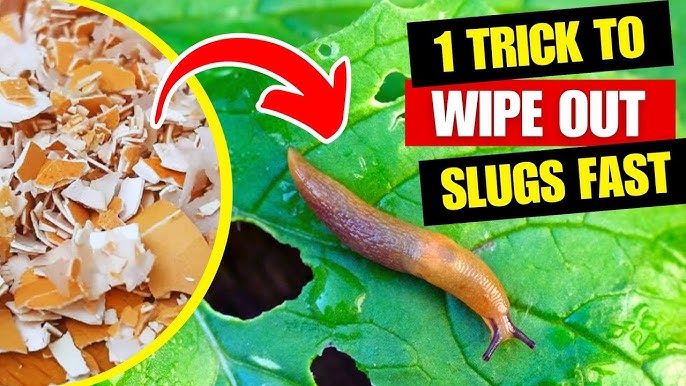
Slugs can be the sneaky, silent destroyers lurking in your garden. You’ve worked tirelessly to maintain your plants, hoping for a lush and vibrant green space.
But these slimy invaders can turn your dreams into a nightmare overnight. If you’re tired of finding holes in your leaves and watching your plants suffer, you’re in the right place. Imagine a garden where your flowers bloom beautifully, unharmed by these pesky creatures.
Sounds ideal, doesn’t it? You have the power to make it a reality. Dive into this article to discover effective methods to banish slugs from your garden for good. Your oasis awaits!

Credit: www.youtube.com
Identify Slug Infestation
Identifying a slug infestation in your garden is the first crucial step in reclaiming your green paradise. These slimy creatures often work under the cover of darkness, leaving behind telltale signs of their presence. Recognizing these signs early can save your plants from further damage. Let’s dive into how you can spot these stealthy pests and where you should focus your search.
Signs Of Slug Presence
Slugs are notorious for leaving a trail of destruction. One of the most obvious signs is the damage they inflict on your plants.
- Look for irregular holes in the leaves of your plants, especially softer foliage.
- Notice if the edges of leaves appear ragged or chewed.
- Check for shiny, slimy trails on the soil, leaves, or paving stones. This mucus trail is a signature of slugs.
Have you ever spotted a plant looking half-eaten overnight? Slugs might be your prime suspects. Their nocturnal feeding habits mean you might not see them during the day, but their traces are hard to miss.
Common Areas To Inspect
Slugs love to hide in damp, dark areas, making certain spots in your garden their favorite haunts. Here’s where you should be looking:
- Inspect under pots, stones, and garden debris. Slugs thrive in these moist environments.
- Check the base of plants where the soil is damp and shaded.
- Look around compost heaps or mulch, which provide ideal conditions for slugs.
Think about the last time you lifted a pot and found unexpected guests underneath. Slugs often take refuge in places that provide both cover and moisture. Are there any hidden spots in your garden that could be inviting these pests?
By focusing on these signs and areas, you can better understand the scope of your slug problem. Once identified, you’re well on your way to implementing effective solutions to protect your beloved garden. So, grab a flashlight and start your evening inspections—it’s time to outsmart these nocturnal nuisances!
Natural Deterrents
Sprinkle crushed eggshells around plants to deter slugs. Coffee grounds can also keep them away. Use these natural methods to protect your garden.
Slugs can be a major nuisance in gardens. They munch on leaves and ruin plants. Natural deterrents offer a safer way to combat them. These methods are eco-friendly and harmless to other creatures. Let’s explore some effective natural solutions.
Using Copper Barriers
Copper creates a mild electric shock. It deters slugs from crossing. You can place copper tape around plant pots. It is also effective around garden beds. Copper mesh works well too. Make sure to cover all entry points. This barrier keeps slugs at bay without harming them.
Applying Eggshells And Coffee Grounds
Eggshells have sharp edges. They create a rough surface slugs dislike. Crush them and sprinkle around plants. Coffee grounds are another natural deterrent. Their texture and smell repel slugs. Scatter them in your garden. They also enrich the soil with nutrients. Use these kitchen waste items to protect your plants.
Handpicking Techniques
Handpicking slugs is an effective way to protect your garden. Regularly inspect plants and remove slugs manually. Dispose of them far from the garden to prevent their return.
Handpicking slugs from your garden might seem tedious, but it’s an effective and environmentally friendly way to protect your plants. Unlike chemical solutions, handpicking ensures that you only target the slugs without harming beneficial insects. Plus, it gives you a chance to closely inspect your garden, noting any other potential issues.
Best Times For Handpicking
Timing is key when it comes to handpicking slugs. You’ll find them most active during the evening or early morning when it’s cool and damp. After a rain shower is also an ideal time, as slugs tend to surface when the soil is wet. Consider setting a routine. Perhaps a nightly stroll through your garden with a flashlight. This not only ensures you catch the slugs but also allows you a peaceful moment with your garden.
Tools To Assist In Removal
While your hands are the primary tool, a few simple accessories can make the process easier. – Gloves: Wearing gloves can make the task less unpleasant, especially if you’re squeamish about touching slugs directly. – Tongs or Chopsticks: These can be handy for picking up slugs without having to bend down too much. – A Bucket with Soapy Water: Collect the slugs in a bucket filled with soapy water. This will quickly and humanely kill them. Do you have a favorite tool for gardening? Perhaps it could double as a slug removal aid. The key is to find what feels most comfortable and efficient for you. Handpicking might not be the most glamorous garden task, but it’s an essential part of maintaining a healthy, vibrant garden. Have you ever tried it? If not, maybe tonight is the perfect opportunity to start!
Organic Solutions
Organic solutions effectively manage slugs in gardens. Use natural predators like birds or create barriers with eggshells. Employ beer traps to lure and drown slugs, ensuring a healthier garden ecosystem without harmful chemicals.
Dealing with slugs in your garden can be a real challenge, especially if you’re keen on keeping things organic. Luckily, there are natural methods to keep these slimy invaders at bay without resorting to harsh chemicals. Organic solutions not only protect the environment but also ensure your plants remain healthy for you and your family.
Utilizing Nematodes
Nematodes are a gardener’s secret weapon against slugs. These microscopic worms naturally occur in soil and target slug larvae, breaking their life cycle. By introducing nematodes to your garden, you’re setting up a defense system that works quietly beneath the surface. To apply nematodes, mix them with water and spread the solution over the affected areas of your garden. Make sure to water your garden afterward to help them penetrate the soil. This method is effective and safe, posing no threat to your beloved plants or pets.
Homemade Slug Traps
Creating slug traps at home is a simple yet effective strategy. You might be surprised by how easy it is to lure slugs away from your plants with items already in your kitchen. A popular choice is a beer trap. Pour a small amount of beer into a shallow dish and bury it at ground level. Slugs are attracted to the yeast in beer, and they’ll crawl in and drown. Alternatively, you can use grapefruit halves. After enjoying the fruit, place the empty halves upside down in your garden. Slugs will gather inside, seeking shelter, allowing you to easily remove them each morning. Both methods are easy to set up and maintain, offering you peace of mind knowing that you’re tackling the slug problem without harming the environment. Have you tried any of these methods, or do you have your own organic slug-fighting tricks up your sleeve?
Chemical Control Options
Slugs can wreak havoc in your garden, feasting on tender plants. Chemical control options offer a way to manage these pests effectively. While natural methods can help, chemicals provide a quicker solution. Understanding how to use them safely is key. Let’s explore some options.
Slug Pellets And Baits
Slug pellets are a common choice for gardeners. They attract and poison slugs quickly. Place them around plants where slugs gather. Choose pellets containing iron phosphate. This ingredient is less harmful to pets and wildlife. Baits work similarly. They lure slugs into traps. Once inside, the slugs consume the poison. Baits can be a safer option. They keep chemicals contained.
Safety Precautions
Using chemicals in the garden requires care. Always read the label before applying. Wear gloves to protect your skin. Keep pellets and baits away from children and pets. Dispose of empty containers properly. Avoid using near water sources. This prevents contamination. Consider the weather. Rain can wash away chemicals, reducing effectiveness. Applying in dry conditions helps ensure success.
:max_bytes(150000):strip_icc()/GettyImages-2155385577-b24a2ba01e604b4da96ba59cd4a991f2.jpg)
Credit: www.thespruce.com
Encouraging Natural Predators
Attracting natural predators can help control slug populations effectively. Birds, frogs, and beetles are natural slug hunters. Creating a welcoming environment for these creatures can reduce slug numbers in your garden.
Encouraging natural predators is a smart way to control slugs in your garden. These predators help keep the slug population in check. They offer a sustainable solution without harmful chemicals. By inviting them into your garden, you create a balanced ecosystem. Let’s explore how to attract these helpful creatures.
Attracting Birds And Frogs
Birds love to feast on slugs. To attract birds, set up bird feeders and baths. These provide food and water, making your garden inviting. Place nesting boxes to encourage birds to settle. Frogs are also great slug hunters. Build a small pond or water feature. This provides a habitat for frogs. Ensure there are plants and rocks around the water. This gives frogs a place to hide and hunt.
Beneficial Insects
Certain insects help reduce slug numbers. Ground beetles are natural predators of slugs. Create a beetle-friendly environment by leaving leaf litter and rocks. These offer shelter and hunting grounds. Encourage ladybugs and lacewings, too. They keep other garden pests in check. Plant flowers like marigolds and daisies to attract them. These insects contribute to a healthy, balanced garden ecosystem.
Garden Maintenance Tips
Slugs can be a gardener’s nightmare. Sprinkle salt or crushed eggshells around plants to deter them. Use beer traps to lure and eliminate these pests effectively.
Garden maintenance plays a vital role in keeping slugs away. By adopting regular cleanup and watering techniques, you can protect your plants from these pesky pests. Here are some tips to maintain your garden and reduce slug problems.
Regular Cleanup Practices
A clean garden discourages slugs from settling in. Remove dead leaves, fallen branches, and plant debris regularly. These can harbor moisture and attract slugs. Keep the grass trimmed short to reduce hiding spots. Check under pots and garden decorations for slug activity. Compost piles should be managed properly; turn them often to prevent slug habitation.
Watering Techniques
Proper watering reduces slug presence. Water plants in the morning to allow soil to dry by evening. Slugs thrive in damp conditions, so avoid watering at night. Use drip irrigation to target plant roots directly, reducing surface moisture. Ensure garden beds have good drainage to prevent water accumulation. Elevated plant beds help by keeping soil drier.
Preventative Measures
Create barriers with crushed eggshells or copper tape around plants. Encourage natural predators like birds and frogs to visit your garden. Use organic slug pellets or coffee grounds to deter slugs effectively.
Preventative Measures Keeping your garden slug-free requires more than just responding to infestations. Proactive strategies can make a significant difference. By focusing on prevention, you minimize the chances of slugs taking over your garden.
Mulching Strategies
Mulching is a powerful tool in keeping slugs at bay. Choose coarse materials like bark or gravel for your mulch. These rough surfaces are uncomfortable for slugs to move across, deterring them from reaching your plants. Another effective strategy is applying copper tape around pots and garden beds. Slugs dislike the sensation of copper, creating a natural barrier. Have you ever noticed how slugs avoid certain areas? That’s the power of the right mulching strategy at work.
Plant Choices To Deter Slugs
Selecting the right plants can naturally repel slugs. Consider adding plants like lavender, sage, and rosemary, which slugs find unappealing. These plants not only deter slugs but also add beauty and fragrance to your garden. Opt for plants with tougher, more textured leaves. Slugs prefer softer foliage, so they’re less likely to feast on plants like ferns or ornamental grasses. By choosing slug-resistant plants, you can maintain a healthy garden with minimal effort. Have you found certain plants in your garden that slugs avoid? It might be time to plant more of those!

Credit: www.youtube.com
Frequently Asked Questions
How Do I Stop Slugs From Eating My Plants?
Use copper tape or diatomaceous earth around plants to repel slugs. Hand-pick slugs at night. Encourage natural predators like birds and frogs. Maintain a dry garden environment by watering plants in the morning. Consider organic slug repellents for added protection.
Why Is My Garden Full Of Slugs?
Slugs thrive in damp, shady environments and feed on plants. Overwatering and dense vegetation attract them. Remove debris, improve drainage, and use slug repellents to reduce their presence. Regular garden maintenance minimizes slug infestations, ensuring healthier plants and a more enjoyable outdoor space.
Do Coffee Grounds Repel Slugs?
Yes, coffee grounds can repel slugs. They dislike the texture and caffeine. Sprinkle grounds around plants for protection.
What Do Slugs Hate Most?
Slugs dislike salt, copper, and rough surfaces like gravel. They avoid dry environments, prefer moisture, and hate bright sunlight. Natural repellents like garlic, coffee grounds, and nematodes deter them effectively. Regular garden maintenance, removing debris, and using barriers help keep slugs away.
Conclusion
Slugs can be a real nuisance in your garden. Follow these simple steps to manage them. Use natural remedies like coffee grounds or eggshells. Try setting up barriers or traps. Regular checks are essential for keeping slugs away. Remember, a healthy garden starts with prevention.
Keep plants well-spaced and avoid overwatering. Slugs hate dry conditions. Make your garden less inviting for them. Enjoy a beautiful, slug-free space. Happy gardening!


