Are you tired of seeing your hard work in the garden being devoured by pesky insects? Do you dream of a lush, flourishing garden free from unwanted critters?
You’re not alone. Many gardeners like you struggle with keeping their plants safe from these tiny invaders. But here’s the good news: you can take control and protect your green sanctuary. Imagine walking into your garden and finding your plants thriving, untouched by insect damage.
Sounds perfect, right? In this guide, you’ll discover effective, easy-to-implement strategies to keep insects out of your garden. Let’s get started on turning that vision into reality, ensuring your garden remains a vibrant, insect-free haven.
Choosing The Right Plants
Selecting plants that repel insects can protect your garden naturally. Lavender, marigolds, and mint are excellent choices. These plants deter pests while adding beauty and fragrance to your garden.
Choosing the right plants for your garden can play a crucial role in keeping insects at bay. By selecting specific plant varieties, you can naturally deter pests without the need for harmful chemicals. This approach not only promotes a healthier environment but also ensures that your garden thrives with fewer disturbances.Insect-repelling Varieties
Certain plants have natural insect-repelling properties. Lavender, for instance, is known for its delightful aroma that humans love, but many insects can’t stand. Similarly, marigolds can deter pests like aphids and mosquitoes. Adding these varieties to your garden creates a natural barrier against unwanted guests. Consider basil, which not only enhances your culinary dishes but also keeps flies and mosquitoes away. Planting such varieties close to your home can offer additional protection. Ever thought about why some plants seem untouched while others are riddled with holes? The secret might just lie in the plant’s natural defense mechanisms.Companion Planting Benefits
Companion planting is the practice of growing plants in a way that they benefit each other. Tomatoes and basil are not just great on your plate but together in your garden, basil can help deter pests from tomatoes. Similarly, planting carrots with onions can help ward off carrot flies. This method can significantly reduce the need for chemical pest control. It also enhances the growth and flavor of your produce. Imagine a garden where plants work together, supporting each other’s growth and keeping pests at bay. It’s a simple strategy, yet highly effective. Incorporating these techniques might require some planning, but the results are worth it. Which plants would you choose to create a harmonious and pest-free garden?Natural Barriers
Natural barriers like hedges and raised beds can effectively keep insects out of your garden. These structures provide physical obstacles, making it difficult for pests to infiltrate your plants. Additionally, they enhance your garden’s aesthetic appeal while serving a practical purpose.
Creating natural barriers in your garden is an effective way to deter insects without resorting to chemical solutions. These barriers not only protect your plants but also contribute to a healthy, thriving ecosystem. By using strategic techniques, you can enjoy a garden that is both beautiful and resilient.Physical Barriers
Physical barriers are your garden’s first line of defense against unwanted insects. Simple structures like mesh netting or floating row covers can shield your plants from pesky invaders. For instance, I once used fine mesh to cover my tomato plants, and it significantly reduced the number of insects while allowing sunlight and water to reach them. You can also use plant cages or individual plant collars to protect the base of your plants. These barriers are perfect for deterring crawling insects like snails and slugs. Consider placing garden cloches over young seedlings to give them a strong start without interference from bugs.Mulching Techniques
Mulching is more than just a way to retain soil moisture; it’s a natural barrier against insects. A thick layer of mulch can prevent pests from accessing the soil surface. Try using organic materials like straw or wood chips, which not only deter insects but also enrich your soil as they decompose. Have you ever noticed how some insects dislike certain scents? Choose mulching materials like cedar chips, which naturally repel pests due to their aromatic oils. As you apply mulch, ensure it’s spread evenly and not piled against plant stems to avoid rot and disease. Which natural barriers have you tried in your garden? Consider experimenting with these techniques to see which works best for you. By doing so, you’ll create a robust garden that thrives with minimal pest interference.Organic Pest Control Methods
Using organic pest control methods can effectively keep insects out of your garden. Employing natural predators like ladybugs and birds helps control pests. Companion planting with herbs such as basil and mint deters unwanted bugs, ensuring a healthy garden environment.
Organic gardening is a rewarding endeavor. It requires patience and care, especially in managing pests. Organic pest control methods focus on maintaining a healthy garden ecosystem. These methods are safe for plants, beneficial insects, and the environment. They help keep your garden thriving without harsh chemicals. Let’s explore some effective strategies to keep those pesky bugs at bay.Homemade Sprays
Homemade sprays are an eco-friendly way to deter pests. They are easy to make with common household ingredients. For example, a garlic spray can repel many insects. Crush a few garlic cloves and mix with water. Let it sit overnight, then strain and spray on plants. Another option is a soap spray. Mix mild liquid soap with water. Spray directly on insects like aphids and spider mites. This disrupts their cell membranes. Be sure to test on a small leaf first. Neem oil is also effective. It’s a natural insecticide from the neem tree. Mix with water and spray on affected plants. It interferes with insect reproduction and feeding.Beneficial Insects
Beneficial insects are nature’s pest controllers. They prey on harmful bugs, reducing the need for chemical sprays. Ladybugs are a gardener’s friend. They eat aphids, mites, and scale insects. Attract them by planting dill, fennel, or cosmos. Lacewings are another helpful ally. Their larvae consume aphids, thrips, and whiteflies. To invite lacewings, plant marigolds or sunflowers. Parasitic wasps also play a crucial role. They target caterpillars and beetles. Grow herbs like mint and parsley to attract them. Encourage these beneficial insects by minimizing pesticide use. Provide diverse plant life and a water source. This creates a welcoming habitat for these natural helpers.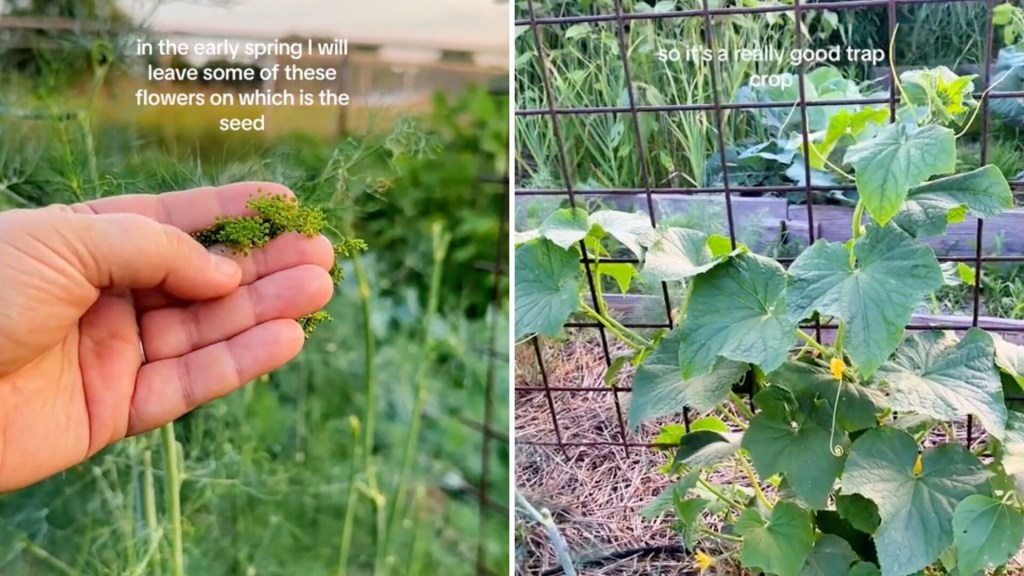
Credit: www.thecooldown.com
Maintaining Healthy Soil
Healthy soil naturally deters garden insects. Use organic mulch and compost to nourish plants and ward off pests. Encourage beneficial insects like ladybugs to keep harmful bugs in check.
Maintaining healthy soil is fundamental to keeping insects out of your garden. Healthy soil acts as a natural defense against pests, supporting robust plant growth and resilience. By focusing on soil quality, you can create an environment where plants thrive and pests struggle to gain a foothold.Composting Benefits
Composting is one of the most effective ways to enrich your soil naturally. By recycling organic waste like vegetable scraps and fallen leaves, you create nutrient-rich compost. This improves soil structure and promotes beneficial microbial activity. The presence of microorganisms in compost is vital. They break down organic matter, releasing nutrients that plants readily absorb. Healthy plants, in turn, are less vulnerable to insect attacks. Composting also aids in moisture retention. This reduces stress on plants during dry spells, making them less attractive to pests searching for weak targets. Have you considered how composting could transform your garden soil?Soil Amendments
Soil amendments are crucial for adjusting soil properties to better support plant health. Adding materials like lime or gypsum can correct soil pH and improve drainage. Consider using organic amendments like bone meal or green manure. These enrich soil fertility, providing a steady supply of nutrients for your plants. Strong, well-nourished plants are less likely to fall prey to insects. It’s essential to tailor amendments to your specific soil needs. Conduct a soil test to identify deficiencies and adjust accordingly. This personalized approach ensures your garden remains a fortress against pests. Have you tested your soil recently to understand its needs?Regular Garden Maintenance
Keeping insects out of your garden involves regular maintenance and natural solutions. Use companion plants like marigolds to repel pests. Regularly inspect and remove debris to minimize insect habitats.
Regular garden maintenance plays a crucial role in keeping insects at bay. A well-tended garden not only looks appealing but also deters pests. By following structured maintenance routines, you create a healthier environment for plants. This includes consistent weeding and proper pruning. These tasks may seem simple, yet they make a significant difference. Let’s explore each aspect in more detail.Weeding Practices
Weeds compete with your plants for nutrients. They also attract pests. Regular weeding keeps your garden clean and less inviting to insects. Remove weeds by hand or use a hoe. Focus on the roots to prevent regrowth. Mulching can also help suppress weeds. Apply a layer of organic mulch around plants. This blocks light, hindering weed growth.Pruning Techniques
Pruning is essential for plant health. It removes dead or diseased branches. This practice reduces hiding spots for insects. Use sharp, clean tools for pruning. Make cuts at a 45-degree angle. This helps the plant heal faster. Prune during the dormant season for best results. Regularly check plants for overgrowth. Trim excess leaves to improve air circulation. This discourages pests and promotes healthy growth. With these maintenance tips, your garden stays vibrant and pest-free.
Credit: www.youtube.com
Watering Techniques
Watering techniques play a crucial role in keeping insects out of your garden. Proper watering not only ensures plant health but also deters pests that thrive in damp conditions. Understanding the right methods can significantly reduce pest infestations.
Drip Irrigation Systems
Drip irrigation systems offer a precise way to water plants. They deliver water directly to the roots, minimizing surface moisture that attracts insects. These systems are efficient, conserving water while keeping foliage dry. Installing drip irrigation can help maintain a balanced garden environment.
Avoiding Overwatering
Overwatering creates ideal conditions for insects. Excess moisture invites pests like slugs and snails. It can also lead to fungal diseases, weakening plants. Monitor soil moisture regularly. Ensure the garden soil drains well. Adjust watering schedules based on weather conditions to prevent excessive water accumulation.
Seasonal Planting Strategies
Planting pest-resistant varieties is a great strategy to keep insects out of your garden. Companion planting, like marigolds with tomatoes, naturally repels pests. Maintaining healthy soil and using organic mulch also deter unwanted bugs.
Seasonal planting strategies can be your secret weapon against garden pests. By aligning your planting schedule with nature’s rhythm, you can minimize insect invasions and maximize your garden’s health. It’s about creating an environment that discourages bugs while promoting plant vigor.Crop Rotation
Crop rotation is not just for large farms; it can be a game-changer in your backyard garden too. Rotating crops disrupts the lifecycle of pests by preventing them from settling in one area year after year. If you planted tomatoes in one corner last season, try growing a leafy green there this time. This simple shift can starve pests that depend on specific plants, keeping your garden healthier and more resilient. Have you ever noticed how pests seem to target the same spot every year? Crop rotation can break that cycle.Timing For Planting
Timing is everything when it comes to warding off unwanted insects. Planting early in the season can give your crops a head start before pests become active. Conversely, waiting until the peak pest season has passed can also be effective. Research the typical lifecycle of pests in your area and adjust your planting schedule accordingly. It’s a practical way to stay one step ahead of the bugs, and who doesn’t love a little strategic advantage in gardening? Can you imagine the satisfaction of seeing your plants thrive while the pests flounder?Monitoring And Early Detection
Regularly inspect plants to catch insect issues early. Look under leaves and around stems for hidden pests. Early detection helps prevent larger infestations.
Keeping insects out of your garden can feel like a never-ending battle. However, monitoring and early detection are your best allies in this fight. By catching problems early, you can prevent small infestations from becoming a major headache. Let’s explore some practical techniques that will help you stay one step ahead of those pesky critters.Regular Inspections
Conducting regular inspections is vital to maintaining a healthy garden. Commit to a weekly walk-through of your garden. Pay close attention to the undersides of leaves, stems, and the soil surface. Use a magnifying glass if necessary. You might be surprised at what you find. Tiny eggs, larvae, or even adult insects can hide in plain sight. Consider keeping a garden journal. Jot down any unusual findings or changes in plant health. This habit will help you track patterns and identify recurring issues.Identifying Common Pests
Knowing which pests are common in your area can save you time and effort. Familiarize yourself with the appearance and habits of these garden invaders. For instance, aphids are small, soft-bodied insects that cluster on new growth. They can quickly sap the vitality from your plants. Caterpillars, on the other hand, are often larger and can chew through leaves in no time. Look for chewed edges or small black droppings as a clue to their presence. If you’re unsure what you’re dealing with, there are plenty of online resources and gardening groups that can help. Share photos and descriptions to get a quick identification from fellow gardeners. Being proactive with monitoring and early detection not only protects your plants but also enriches your gardening experience. How will you take action today to safeguard your green space?
Credit: www.youtube.com
Frequently Asked Questions
How Do I Keep Bugs Off My Vegetable Garden?
Use insect-repelling plants like marigolds and basil. Apply neem oil or diatomaceous earth. Keep your garden clean and weed-free. Regularly inspect leaves for pests. Encourage beneficial insects like ladybugs.
What Is The Best Natural Bug Repellent For Gardens?
Neem oil is a top natural bug repellent for gardens. It deters pests like aphids and spider mites effectively. Combine neem oil with water and dish soap for a natural spray. Regular application helps maintain a healthy garden without harmful chemicals.
Keep plants thriving with this eco-friendly solution.
How Do I Stop Bugs From Eating The Leaves Of My Plants?
Use neem oil or insecticidal soap to deter bugs. Introduce beneficial insects like ladybugs. Maintain healthy soil with compost. Remove infected leaves promptly. Regularly inspect plants for early pest detection.
Does Spraying Vinegar On Plants Keep Bugs Away?
Spraying vinegar on plants may deter some bugs due to its strong smell. Vinegar acts as a natural pesticide. Use caution, as excessive vinegar can harm plant health. Test a small area first to ensure plant safety. Vinegar is eco-friendly, making it a popular choice for organic gardening.
Conclusion
Guarding your garden against insects takes effort and planning. Choose plants that repel bugs naturally. Use barriers like nets or fences to protect plants. Regularly check for pests and take quick action. Natural remedies are often safe and effective. Encourage helpful insects to thrive in your garden.
They can control harmful pests naturally. Maintain cleanliness to prevent infestations. Keep soil healthy to support plant growth. A bit of care can keep your garden thriving. Enjoy a pest-free space where plants flourish. With these steps, your garden stays vibrant and healthy.