Imagine stepping outside your door to pick fresh, juicy tomatoes or crisp lettuce right from your own backyard. Sounds dreamy, right?
If you’ve ever thought about creating a vegetable garden, you’re not alone. This guide is here to turn that dream into reality, showing you how to construct a vegetable garden that will not only provide fresh produce but also bring immense satisfaction and joy.
We’ll dive into the simple steps to get started, ensuring you have all the tips and tricks needed to grow a thriving garden. Stick around to discover how transforming a patch of your yard into a lush vegetable haven can enhance your meals, your health, and your overall lifestyle. Ready to dig in? Let’s get started!
Choosing The Right Location
Choosing the right location for your vegetable garden can be the difference between a thriving oasis and a disappointing patch of earth. The ideal spot will maximize sunlight, offer rich soil, and be conveniently close to water sources. Let’s dive into these key factors to ensure your garden has the best possible start.
Sunlight Requirements
Vegetables need sunlight to flourish, with most requiring six to eight hours of direct sunlight daily. Observe your yard throughout the day to identify areas that receive the most sun. Avoid spots overshadowed by large trees or structures. Consider how shadows shift with the seasons and plan accordingly. Do you have a spot that seems to bask in the sun’s glory all day long?
Soil Quality Considerations
The soil is your garden’s foundation. Test your soil’s pH and nutrient levels; kits are readily available at gardening centers. Look for a spot with well-draining soil, avoiding areas where water pools after a heavy rain. You might need to amend the soil with compost or fertilizers. Have you ever considered how the soil in your backyard might be the key to your success?
Proximity To Water Sources
Easy access to water is crucial for a healthy garden. Choose a location close to a water source, whether it’s a hose connection or rain barrels. This makes regular watering convenient, especially during dry spells. Consider how often you’ll need to lug watering cans if your garden is far from water. Is your garden within a quick stroll from your faucet?
Planning Your Garden Layout
Design a vegetable garden by choosing a sunny spot with good soil. Arrange plants in rows or squares for easy access and efficient watering. Consider companion planting to maximize space and improve growth.
Planning Your Garden Layout Creating a vegetable garden is a rewarding venture, but a well-thought-out layout is key to its success. A strategic plan not only maximizes space but also enhances productivity and aesthetics. Whether you’re a novice or an experienced gardener, planning your garden layout requires careful consideration and creativity. You’ll find that a little planning goes a long way in ensuring a flourishing garden.Designing Garden Beds
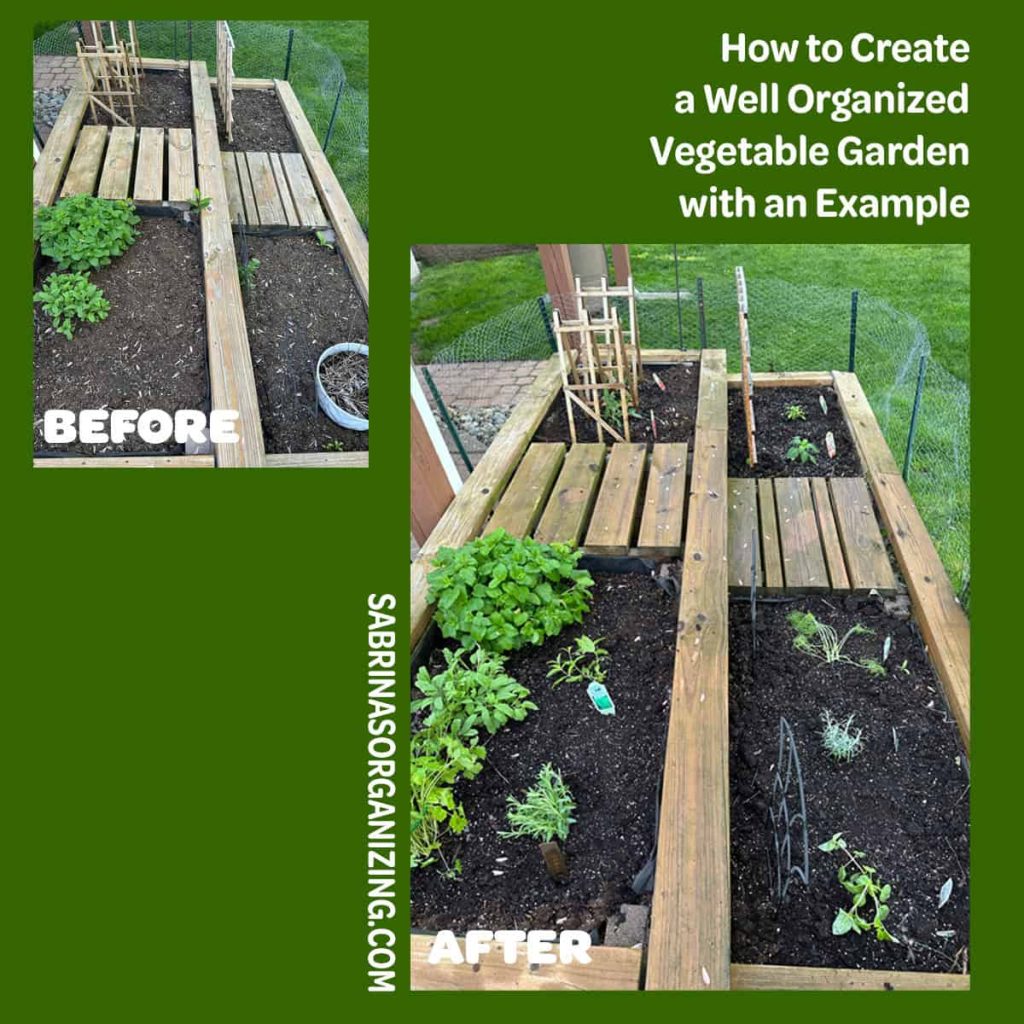
Garden beds are the backbone of your vegetable garden. Decide whether you want raised beds or in-ground beds. Raised beds offer better drainage and can be easier to manage, especially if you have poor soil. Think about the size and shape of your beds, ensuring they are accessible from all sides. Consider the sun’s path; vegetables thrive in sunny spots. Align your beds to optimize sunlight exposure. Mix it up with different shapes for visual interest. You might be surprised how a simple adjustment can lead to bountiful harvests.Pathways And Access
Pathways are more than just routes; they’re essential for maintenance and harvest. Ensure your paths are wide enough for comfortable access, especially if you’re using tools or a wheelbarrow. Gravel or mulch can be great options for durable pathways. Think about the materials that fit your budget and aesthetics. A well-planned path keeps your garden organized and prevents trampling on plants. Are your pathways leading you to an efficient gardening experience?Companion Planting Basics
Companion planting is a technique where certain plants are grown together for mutual benefits. Some plants can deter pests or enhance growth for others. For instance, pairing tomatoes with basil can improve the flavor while keeping pests at bay. Research which plants work well together in your climate. This method not only boosts your garden’s health but also saves space. Can your garden benefit from a little teamwork among your plants? By focusing on these elements, you’re setting the stage for a thriving vegetable garden that offers both beauty and bountiful harvests. Your garden layout is the foundation of your gardening journey, so invest time in planning it wisely.Selecting Vegetables To Grow
Choose vegetables based on climate and space available. Opt for easy-to-grow options like tomatoes or lettuce. Consider soil quality for optimal growth.
Selecting the right vegetables to grow is crucial for a successful and rewarding vegetable garden. With so many options, the decision can feel overwhelming. But don’t worry, this section will guide you through making smart choices based on seasonality, space, and skill level. Let’s dig into the specifics!Seasonal Choices
Understanding the seasons is key to selecting vegetables that thrive in your garden. Each season brings its own unique set of vegetables that grow best in specific conditions. – Spring: Think leafy greens like lettuce, spinach, and kale. They love the cool temperatures and can be harvested before the summer heat kicks in. – Summer: Tomatoes, peppers, and cucumbers flourish in the warm months. They soak up the sun and offer bountiful harvests. – Fall: Root vegetables such as carrots and beets prefer the cooler fall weather and can be stored for winter use. Consider your local climate when making your choices. Are you in a region with a long growing season, or do you face early frost?Space-saving Options
Not all of us have sprawling gardens, but that doesn’t mean you can’t grow a variety of vegetables. – Vertical Gardening: Utilize trellises for climbing plants like beans and peas, freeing up ground space for other crops. – Container Gardening: Perfect for patios or balconies, containers can host herbs, peppers, and even tomatoes. – Succession Planting: Maximize space by planting quick-growing crops, then following with a second round of planting as space frees up. Think creatively about your space. Could your garden benefit from vertical structures or cleverly placed containers?Beginner-friendly Vegetables
If you’re new to gardening, start with vegetables that are forgiving and easy to manage. – Radishes: Fast-growing and require minimal care, making them ideal for beginners. – Zucchini: Known for its prolific yield, zucchini is hard to mess up and offers a tasty reward. – Herbs: Basil, mint, and parsley are simple to grow and add flavor to any dish. Choose vegetables that match your level of expertise. Are you ready to tackle tomatoes, or should you start with something simpler? Growing vegetables is a journey, and the choices you make now will shape your experience. Whether you’re a seasoned gardener or just starting out, these insights will help you create a thriving vegetable garden.Preparing The Soil
Preparing the soil is crucial for a thriving vegetable garden. Start by removing weeds and debris to clear the area. Mix compost into the soil to boost nutrients and improve drainage.
Preparing the soil is a crucial step in constructing a thriving vegetable garden. Healthy soil provides essential nutrients, supports root growth, and helps retain moisture. By investing time in soil preparation, gardeners can ensure bountiful harvests and robust plants. Let’s explore key techniques to prepare your garden soil effectively.Testing And Amending Soil
Start by testing your soil to understand its current condition. Soil test kits are available at gardening stores. These kits check for pH levels and essential nutrients. Knowing this helps you decide what amendments are needed. For acidic soil, add lime to raise the pH. Sulfur can lower pH if the soil is too alkaline. Consider adding organic matter like compost to improve nutrient content. Adjusting soil texture is also vital. Sandy soil benefits from added clay, while clay soil gains from sand.Composting Techniques
Composting enriches soil naturally. Use kitchen scraps like vegetable peels and eggshells. Yard waste such as leaves and grass clippings are excellent too. Mix these in a compost bin or pile. Turn the compost regularly to speed up the process. The result is rich, dark compost that boosts soil health. Spread the compost over the garden and mix it into the topsoil.Creating Raised Beds
Raised beds offer better control over soil conditions. They improve drainage and prevent soil compaction. To create a raised bed, choose a sunny spot in your garden. Use wood, bricks, or stones to build a frame. Fill the frame with a mix of garden soil and compost. Raised beds warm up faster in spring, extending the growing season. They also make gardening easier on your back and knees. Regularly check the soil moisture in raised beds, as they dry out quicker.Planting Techniques
Building a vegetable garden involves selecting a sunny spot and preparing the soil. Adding organic compost enriches the ground. Choosing suitable plants for your climate ensures a bountiful harvest.
Planting techniques are crucial for a thriving vegetable garden. They ensure healthy growth and maximize yield. Understanding different methods helps gardeners nurture their plants effectively. Here, we explore three essential planting techniques.Sowing Seeds Vs. Transplants
Choosing between seeds and transplants affects growth. Seeds are cost-effective and offer a wider variety. Transplants provide a head start in colder climates. Consider soil, weather, and available space. Seeds need patience and care. Transplants offer quicker results.Planting Depth And Spacing
Proper depth ensures strong roots and stability. Plant seeds at a depth twice their size. Transplants need deeper planting for stability. Spacing prevents overcrowding and promotes airflow. Allow enough room for growth. Follow seed packet instructions for best results.Watering Strategies
Watering is vital for plant health. Consistent moisture is key. Avoid overwatering to prevent root rot. Use drip irrigation for efficiency. Water early or late to reduce evaporation. Monitor soil moisture regularly. Adjust watering based on weather conditions.
Credit: www.gardentech.com
Garden Maintenance Tips
Building a vegetable garden requires planning and dedication. Choose a sunny spot with fertile soil and ensure good drainage. Use raised beds or containers for easy maintenance and better growth.
Maintaining a flourishing vegetable garden requires consistent effort and attention. Garden maintenance is more than a routine; it’s an opportunity to connect with your plants and understand their unique needs. Let’s explore some essential tips to keep your garden thriving throughout the seasons.Weeding And Mulching
Weeds can quickly take over a vegetable garden, competing for nutrients and sunlight. Regularly check for unwanted plants and remove them by hand or with a hoe. Adding a layer of mulch around your plants can minimize weed growth while retaining soil moisture. Organic options like straw, grass clippings, or shredded leaves are excellent choices for a vegetable garden.Pest And Disease Control
Pests and diseases can be a gardener’s nightmare, but early detection is key. Inspect your plants frequently for signs of trouble, such as holes in leaves or discolored spots. Consider using natural remedies like neem oil or introducing beneficial insects like ladybugs to control harmful pests. Maintaining good air circulation and proper spacing between plants can also reduce disease risks.Pruning And Supporting Plants
Pruning helps plants grow better by removing dead or excess growth. This allows more sunlight and air to reach the healthy parts of the plant. Some plants, like tomatoes or beans, need support as they grow. Use stakes, cages, or trellises to keep them upright and healthy. This not only improves yield but also makes harvesting easier. Are you giving your plants the support they need to thrive? Your attentive care can make all the difference in a bountiful harvest.Harvesting Your Vegetables
Harvesting your vegetables is a rewarding stage in the lifecycle of your garden, the moment when your hard work truly pays off. The thrill of picking fresh produce that you’ve nurtured from seed is an experience like no other. But how do you know when your vegetables are ready to be harvested, and what’s the best way to ensure they remain fresh for as long as possible?
Signs Of Ripeness
Knowing when your vegetables are ripe is crucial for the best flavor and nutrition. Look for vibrant colors and firm textures. Tomatoes, for instance, should be rich in color and slightly soft to the touch. Carrots are ready when their tops are vibrant green and their roots are deep orange. Spend a few moments each day inspecting your plants; you’ll soon recognize their subtle signals.
Harvesting Methods
The technique you use can make a big difference in the longevity of your vegetables. Use a clean, sharp knife or scissors for leafy greens to prevent bruising. For root vegetables like potatoes, gently loosen the soil with a trowel before lifting them out. Avoid pulling or tugging, which can damage the plant and affect future yields.
Storing And Preserving Produce
Proper storage is key to extending the life of your harvest. Leafy greens can be stored in a refrigerator with a damp paper towel to keep them crisp. Root vegetables like carrots and potatoes thrive in a cool, dark place. Consider freezing or pickling to preserve excess produce. Have you tried making homemade pickles or frozen veggie mixes? They are simple to prepare and offer a taste of your garden long after the season ends.
Troubleshooting Common Issues
Building a vegetable garden can face issues like poor soil or pest invasion. Identify these problems early to ensure a healthy garden. Use proper tools and techniques to resolve these common challenges efficiently.
Troubleshooting common issues in a vegetable garden can feel daunting, but with a bit of knowledge and patience, many problems can be resolved. Many gardeners, both new and experienced, encounter challenges that can affect their garden’s productivity. By understanding these issues and learning how to address them, you can ensure a bountiful harvest.Identifying Plant Problems
Spotting problems early in your plants can make all the difference. Look for signs like yellowing leaves, wilting, or stunted growth. These can indicate pest infestations or diseases. Keep a close eye on any unusual patterns or spots on leaves. These might be early indicators of fungal infections. Have you ever noticed a plant not thriving despite adequate care? It might be time to dig deeper into potential underlying issues.Soil And Nutrient Deficiencies
Healthy soil is the backbone of a thriving vegetable garden. Are your plants struggling despite regular watering? They might be lacking essential nutrients. Consider conducting a soil test to determine its pH and nutrient levels. Adding compost or organic matter can improve soil fertility. Is your soil too sandy or clay-like? Amending it with the right materials can enhance its structure and nutrient-holding capacity.Weather-related Challenges
Unpredictable weather can pose significant challenges to your garden. Unexpected frosts can damage tender plants, while excessive rain can lead to root rot. Be prepared to protect your plants with row covers or cloches during cold snaps. During dry spells, ensure consistent watering to prevent stress. How adaptable is your garden to sudden weather changes? Planning ahead can save your crops from potential weather-related disasters.Sustainable Gardening Practices
Creating a vegetable garden involves choosing a sunny spot, using organic soil, and planning for water conservation. Rotate crops to maintain soil health and compost kitchen scraps for natural fertilizer. Plant native species to attract beneficial insects and promote biodiversity.
Sustainable gardening practices are essential for a healthier planet. They help protect the environment and enrich your vegetable garden. These methods reduce waste, conserve resources, and support local ecosystems. By implementing sustainable practices, you contribute to a greener world.Organic Gardening Techniques
Organic gardening avoids synthetic fertilizers and pesticides. Use natural compost to enrich your soil. Composting kitchen scraps and yard waste provides essential nutrients. Planting cover crops like clover or rye helps maintain soil health. They prevent erosion and add organic matter. Encourage beneficial insects to control pests naturally. Ladybugs and lacewings are great allies in the garden.Water Conservation Methods
Water is a precious resource. Use drip irrigation to water plants directly at the roots. It reduces evaporation and saves water. Collect rainwater in barrels to irrigate your garden. This method cuts down on municipal water use. Mulch your garden beds to retain moisture. Organic mulch also improves soil quality. Choose drought-tolerant plants that need less watering.Biodiversity And Pollinator Support
Biodiversity strengthens your garden ecosystem. Plant a variety of vegetables, herbs, and flowers. Diverse plantings attract beneficial insects and birds. Support pollinators by growing native flowering plants. Bees, butterflies, and hummingbirds thrive with nectar sources. Provide habitats like bee hotels and birdhouses. Avoid chemical pesticides harmful to pollinators. Healthy pollinator populations improve crop yields.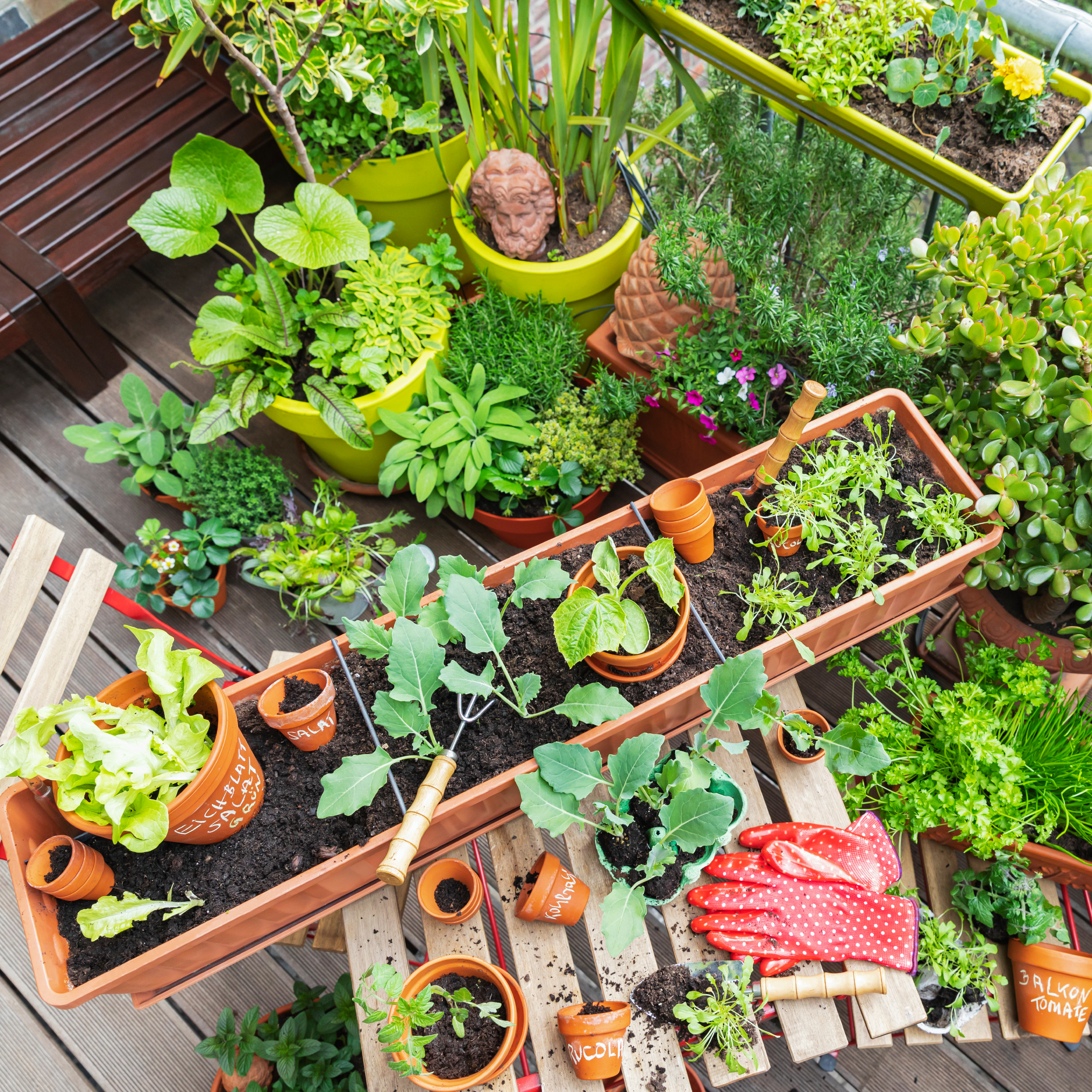
Credit: www.gardeningknowhow.com
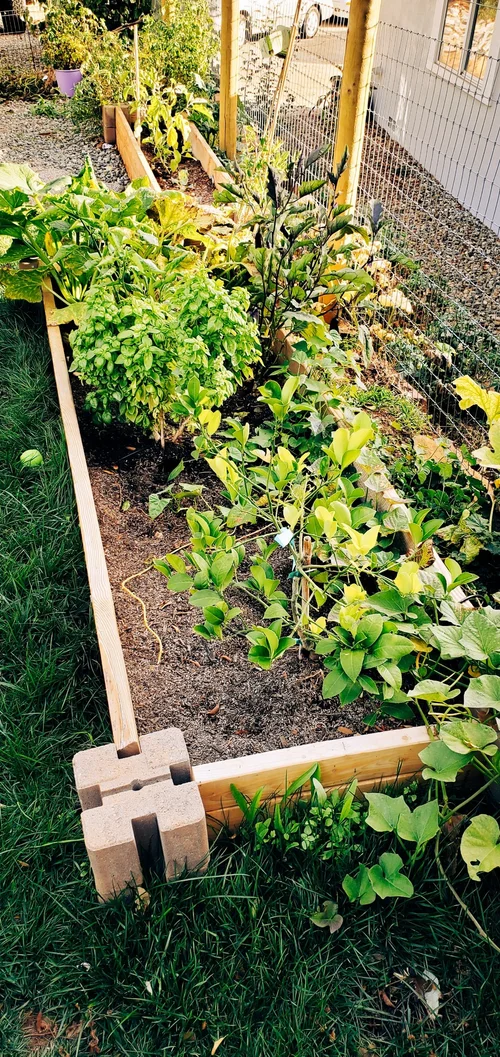
Credit: bessieroaming.com
Frequently Asked Questions
How To Start A Vegetable Garden For Beginners Step By Step?
Choose a sunny spot with good soil. Clear weeds and rocks. Plan your garden layout. Buy quality seeds or seedlings. Plant and water regularly. Add mulch for moisture retention. Monitor for pests. Harvest when ready. Enjoy your fresh produce!
What Is The Best Way To Layout A Vegetable Garden?
Plan rows or raised beds for easy access and sunlight. Group plants by compatibility and growth needs. Maintain paths for watering and harvesting. Rotate crops annually to prevent soil depletion. Consider companion planting to maximize space and deter pests.
What Month Should You Start A Vegetable Garden?
Start a vegetable garden in early spring, ideally March or April, when temperatures begin to rise. Consider local climate for best planting times. Check seed packets or local gardening guides for specific planting advice. Starting early ensures a longer growing season and healthier crops.
Which Vegetables Grow Well Together Chart?
Companion planting benefits include pest control and enhanced growth. Plant tomatoes with basil, carrots with onions, and beans with corn. Cabbage thrives with dill, while cucumbers benefit from radishes. These combinations support healthy growth and natural pest management, making your garden more productive and sustainable.
Conclusion
Building a vegetable garden is rewarding and fun. Anyone can do it! Start small, with easy vegetables like tomatoes or lettuce. Use rich soil and give plants enough sunlight. Water regularly and watch them grow. You’ll save money and eat fresh food.
Plus, gardening is great exercise and helps the environment. Share extra produce with friends or neighbors. A vegetable garden connects you with nature. It’s a peaceful escape from busy life. Try it! Enjoy every harvest and learn as you go.
Happy gardening!