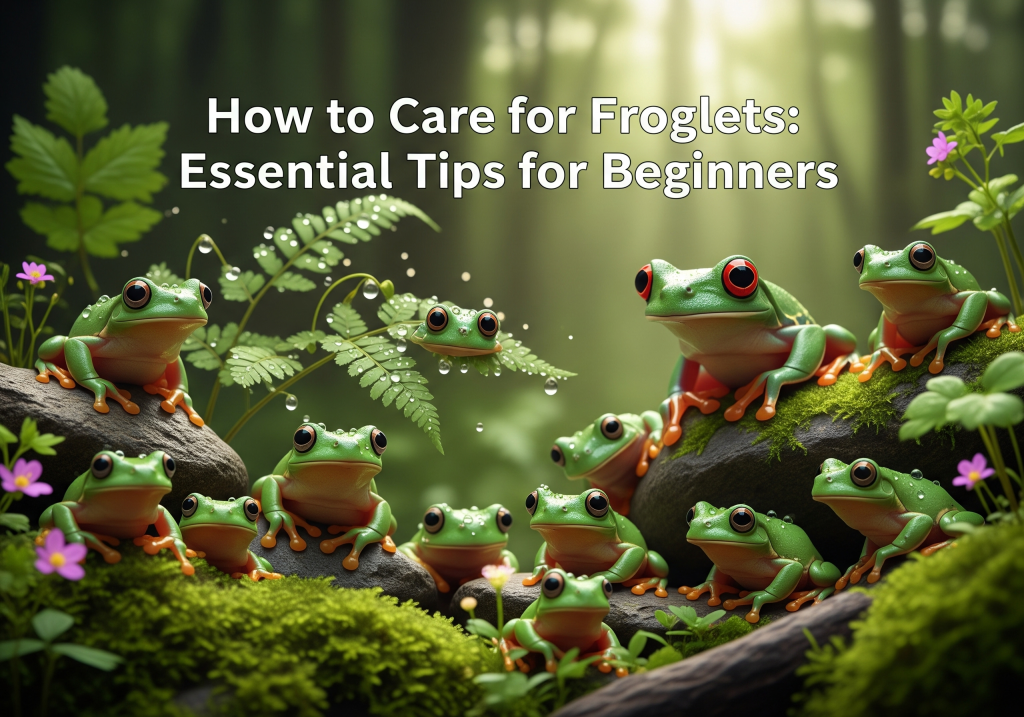
Are you ready to dive into the fascinating world of froglets? These tiny, captivating creatures can bring a unique charm to your home, but knowing how to care for them properly is crucial.
Imagine watching your froglets grow and thrive, knowing you’re providing them with the best environment possible. This article will guide you through everything you need to know, from setting up the perfect habitat to feeding them just right. As you read on, you’ll discover simple yet effective tips to ensure your froglets are healthy and happy.
So, are you ready to become the proud caretaker of these intriguing amphibians? Let’s get started!

Credit: frogfather.co.uk
Choosing The Right Habitat
Creating the perfect habitat for your froglets is crucial for their health and happiness. The environment you design will directly impact their growth and development. Understanding the essentials of tank size, substrate, and climate control will guide you in making informed choices that cater to your froglets’ needs.
Tank Size And Type
Choosing the right tank size is the first step in setting up a cozy home for your froglets. Think about how much space they need to move and grow. A small tank might seem appealing, but remember, froglets grow quickly and need room to explore. A 10-gallon tank is usually ideal for a small group. Consider the type of tank too. Glass tanks offer good visibility, while plastic ones are lightweight and easier to move. Choose one that fits your space and budget.
Substrate Selection
The substrate is more than just the bottom layer; it’s where your froglets will spend most of their time. Opt for a substrate that retains moisture yet doesn’t hold too much water. Coconut fiber or sphagnum moss are excellent choices. They help maintain humidity levels and allow froglets to burrow, mimicking their natural habitat. Avoid substrates like gravel, which can be difficult for froglets to navigate.
Temperature And Humidity Control
Temperature and humidity are vital for keeping your froglets healthy. Aim for a temperature range between 70°F and 75°F, which is comfortable for most frog species. Use a small heater if necessary, but ensure it doesn’t create hot spots. Humidity should be kept around 60% to 70%. Misting the tank daily helps maintain the right moisture levels. Monitor both factors regularly using reliable thermometers and hygrometers.
Have you ever wondered how changes in the environment affect your froglets? Observing their behavior can give you clues about their comfort. Adjusting these elements might seem daunting, but with practice, you’ll create a thriving habitat that supports their growth and well-being.
Providing Proper Nutrition
Providing proper nutrition is crucial for the healthy development of froglets. These tiny amphibians need a balanced diet to grow strong and thrive. Understanding their dietary needs can make all the difference in their health and vitality.
Diet Essentials
Froglets require protein-rich foods to support their rapid growth. Small insects like fruit flies, pinhead crickets, and mosquito larvae are excellent choices. These foods mimic their natural diet and ensure they get the nutrients they need.
It’s important to offer a variety of food items to prevent nutritional deficiencies. Consider rotating different types of insects to keep their diet diverse and balanced.
Feeding Schedule
Young froglets need frequent meals due to their high energy needs. Aim to feed them daily, offering small portions each time. This prevents overfeeding and ensures they consume fresh food.
Observe their eating habits; if they leave food uneaten, reduce the quantity to avoid waste. Adjusting the feeding schedule as they grow is key to meeting their changing dietary requirements.
Supplementing With Vitamins
Vitamin supplements can enhance the froglets’ nutrition, especially if their diet isn’t varied. Calcium and vitamin D3 supplements are particularly beneficial for bone development.
Dust their food with a vitamin powder once a week. This simple step can prevent common deficiencies and support their overall health. Are you seeing signs of slow growth or weak bones? It might be time to review their vitamin intake.
Maintaining Cleanliness
Caring for froglets requires a clean habitat. Regularly change water to prevent bacteria buildup. Ensure their environment is free from waste and uneaten food.
Maintaining cleanliness for froglets is vital for their health. A clean environment prevents diseases and promotes growth. Froglets are delicate, needing extra care with cleaning. Let’s explore how to keep their habitat clean and safe.
Cleaning Frequency
Regular cleaning is essential. Clean the tank at least once a week. Remove uneaten food daily. This prevents mold and bacteria. Spot clean any waste right away. Use a net or gloves to handle the froglets gently.
Safe Cleaning Products
Use only safe cleaning products. Avoid harsh chemicals. They can harm froglets. Opt for natural or mild products. Vinegar and water make a good cleaning solution. Rinse thoroughly after cleaning. Ensure no residue remains.
Water Quality Management
Water quality is crucial. Change water frequently. Use dechlorinated or bottled spring water. Tap water can contain harmful chemicals. Test water pH regularly. Keep pH between 6.5 and 7.5. Use a reliable water filter system. This helps maintain water quality.
Handling Froglets Safely
Caring for froglets involves gentle handling to prevent stress or injury. Keep hands moist to protect their delicate skin. Provide a safe, clean environment with proper humidity and temperature control.
Handling froglets safely is a crucial part of ensuring their healthy growth and development. Many people might find these tiny creatures fascinating and want to interact with them often. However, improper handling can lead to stress or even injury for the delicate froglets. Understanding when and how to handle them can make a significant difference in their well-being.
When To Handle
Froglets are best left alone most of the time. Their skin is sensitive and can easily absorb harmful substances from your hands. Handle them only when necessary, such as during tank cleaning or health checks. It’s also important to allow froglets to acclimate to their new environment before handling them. This means waiting a few weeks after bringing them home. Rushing the process can cause undue stress, impacting their health negatively.
Proper Handling Techniques
Before handling froglets, make sure your hands are clean and free from lotions or soaps. These substances can be harmful to their skin. When picking up a froglet, use both hands to gently cup around its body. Avoid squeezing or holding it too tightly. It’s like holding a delicate piece of artwork—gentle and careful. Consider using a small net or a damp glove to minimize direct contact. This can provide additional support and reduce stress for the froglet.
Signs Of Stress
Froglets might exhibit signs of stress if handled improperly. Look for changes in behavior such as lethargy or refusal to eat. These are red flags that should not be ignored. Another sign of stress is a change in skin color or texture. If your froglet becomes darker or appears to have dry skin, it may be stressed. If stress signs persist, minimize handling and consult a veterinarian. Your froglet’s health is paramount, and sometimes professional advice is necessary. Handling froglets safely not only ensures their health but also enriches your experience as a pet owner. Are you ready to give your froglets the gentle care they need?
Monitoring Health
Monitoring the health of froglets involves observing their activity and skin condition. Ensure they have a clean environment with proper humidity levels. Regularly check for signs of illness, like lethargy or discoloration.
Monitoring the health of your froglets is crucial to ensure they grow strong and thrive in their environment. This journey requires a keen eye and a proactive approach to address any potential issues early on. By understanding what to look for, you can help your froglets lead a healthy life.
Common Health Issues
Froglets can face several health challenges. Skin infections are common, often caused by bacteria or fungi in a damp environment. Keep their habitat clean to prevent these issues. Nutritional deficiencies can also arise if their diet lacks variety. Ensure they receive a balanced diet with plenty of calcium and vitamins. Parasites are another concern. Regularly check for signs of parasitic infections, such as lethargy or unusual spots on their skin.
Signs Of A Healthy Froglet
A healthy froglet is active and alert. Notice how they respond to movement around them. This indicates good energy levels. Their skin should be smooth and free of any lesions or unusual spots. A glossy appearance often signals good health. Eating habits are another indicator. Healthy froglets have a good appetite and show interest in their food.
When To Consult A Veterinarian
If your froglet shows signs of illness or distress, it’s crucial to act quickly. Persistent lethargy, loss of appetite, or visible skin issues are red flags. Don’t hesitate to reach out to a vet if you notice these symptoms. A professional can provide targeted advice and treatment options. Remember, early intervention can make a significant difference in your froglet’s health. Are you prepared to take immediate action when necessary? Your vigilance can ensure their well-being.
Creating A Stimulating Environment
Creating a stimulating environment is essential for froglet care. Ensure the habitat mimics their natural surroundings. Provide clean water, hiding spots, and varied substrates for comfort and exploration.
Creating a stimulating environment for your froglets is crucial for their development and well-being. A well-thought-out habitat not only promotes natural behaviors but also prevents boredom and stress. By adding diverse elements to their surroundings, you can ensure your froglets thrive in captivity, mimicking their natural habitat as closely as possible.
Enrichment Ideas
Enrichment is key to keeping your froglets active and engaged. Consider adding branches and rocks for climbing, which can help improve their agility and strength. You might also try varying the substrate, such as using a mix of soil and moss, to encourage digging and burrowing behaviors. Introduce small water features like shallow dishes or a gentle drip system to simulate rain. This not only helps with hydration but also stimulates natural foraging behaviors. Think about the sounds in their environment. Soft, ambient nature sounds can create a comforting atmosphere, making your froglets feel more at home.
Introducing Safe Plants
Plants can transform a froglet’s enclosure into a vibrant and lively space. Choose safe, non-toxic plants like pothos, ferns, and spider plants, which provide cover and improve air quality. Live plants help maintain humidity levels, an essential factor for froglet health. They also offer leaves for climbing and perches, adding to the habitat’s complexity. Make sure to research each plant’s care needs to ensure they thrive alongside your froglets. A healthy plant contributes significantly to a stimulating environment.
Providing Hiding Spots
Froglets need places to hide and feel secure. Create hiding spots using coconut shells, small caves, or even overturned flower pots. These shelters give them a sense of safety, reducing stress levels. Arrange these hiding spots in different areas of the enclosure to encourage exploration and activity. You can rotate or rearrange them periodically to keep the environment fresh and interesting. Consider the size of your froglets when choosing or crafting hiding spots. They should be snug but easily accessible, allowing your froglets to retreat and relax at their leisure. By incorporating these elements into your froglet’s habitat, you can create a stimulating environment that promotes their physical and mental health. What creative ideas will you try to enrich your froglet’s world?
Understanding Froglet Behavior
Understanding Froglet Behavior Caring for froglets involves maintaining a moist habitat and providing a varied diet. Ensure a safe environment to support their growth and development. Regularly monitor water quality and temperature to keep them healthy.
Understanding froglet behavior is key to providing proper care. Froglets are young frogs transitioning from tadpoles. Their behavior changes significantly during this stage. Observing these behaviors helps in maintaining a healthy environment.
Normal Behaviors
Froglets often exhibit unique behaviors. They may spend time hiding under leaves or rocks. This is a natural instinct for protection. They also move between land and water frequently. This behavior is essential for their development. Froglets are naturally curious and may explore their surroundings.
Social Interactions
Froglets engage in social behaviors. They may interact with each other through gentle nudges. These interactions help them establish social hierarchies. Sometimes, they may compete for space or food. Providing enough resources reduces competition. Grouping froglets of similar size minimizes aggression.
Behavioral Changes
Behavioral changes can indicate growth or health issues. Froglets may become more active as they grow. Increased appetite is common during growth spurts. Conversely, lethargy might signal stress or illness. Observing changes in skin coloration is important. Darkened skin can indicate stress or poor water quality. Understanding these changes aids in providing timely care.
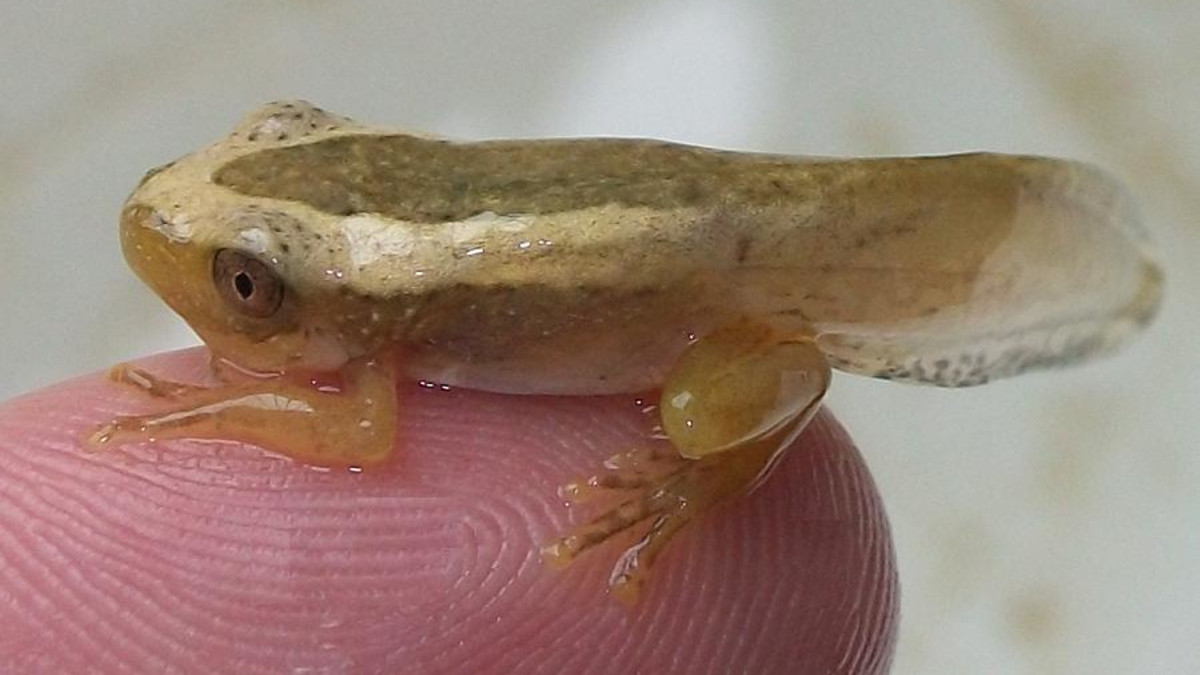
Credit: pethelpful.com
Preparing For Growth
Caring for froglets involves providing a safe habitat with clean water and adequate food. Regular monitoring of temperature and humidity ensures their health. Gradually introduce them to a larger environment as they grow.
Preparing for Growth Caring for froglets involves more than just the basics. As they grow, their needs change. Understanding these changes ensures their healthy development. Froglets undergo significant transformations, and preparing for their growth is vital. This section will guide you through the essentials.
Adjusting Habitat As They Grow
Froglets need space to thrive. Start by enlarging their habitat. A larger tank promotes active movement. Ensure the water level suits their swimming skills. Add rocks and logs for resting spots. Maintain a balance of wet and dry areas. This simulates their natural environment. Regularly check the humidity and temperature. Use a thermometer and hygrometer for accuracy. Clean the tank often to prevent diseases. A clean habitat promotes healthy growth.
Transitioning To Adult Frog Care
As froglets mature, their diet changes. Introduce larger prey items. Offer insects like crickets and worms. Dust their food with vitamins. This ensures they receive proper nutrition. Monitor their growth and adjust food portions. Gradually transition them to adult frog care routines. Adult frogs need less frequent feedings. Observe their behavior for signs of maturity.
Recognizing Growth Milestones
Growth milestones indicate healthy development. Monitor their size and weight regularly. Notice changes in skin texture and color. These changes signal maturity. Track their behavior, including activity levels. Active froglets are generally healthy. Watch for signs of illness or stress. Early detection prevents serious issues. Record their growth milestones in a journal. This helps track their progress over time.

Credit: www.facebook.com
Frequently Asked Questions
How To Keep Froglets Alive?
Provide a clean habitat with shallow water and hiding spots. Feed froglets small insects like fruit flies. Maintain a stable temperature and humidity. Avoid overcrowding to reduce stress. Regularly clean the habitat to prevent diseases.
What Should I Feed My Froglet?
Feed your froglet small insects like fruit flies, pinhead crickets, and springtails. Ensure the insects are gut-loaded with nutrients. Provide a variety to maintain a balanced diet. Avoid feeding your froglet anything larger than its mouth. Clean the feeding area regularly to prevent mold and bacteria growth.
How To Take Care Of A Froglet?
Provide a habitat with moist substrate and hiding spots. Maintain a temperature of 68-75°F. Feed them small insects like fruit flies. Ensure fresh, dechlorinated water is always available. Monitor humidity levels to keep them healthy.
What Do Froglets Need?
Froglets need a moist environment, small insects for food, and clean, shallow water to thrive. They require hiding places and safe shelter. Providing proper humidity and temperature ensures their healthy development.
Conclusion
Caring for froglets requires patience and attention. Small steps make a big impact. Clean water and a balanced diet keep them healthy. Watch their growth and adjust their care as needed. Froglets thrive in a safe, comfortable environment. Your effort supports their transition to adulthood.
Remember, every froglet is unique. Observe and learn from them. This journey teaches respect for nature. Enjoy watching these tiny creatures grow. Their transformation is fascinating. Caring for froglets is a rewarding experience. It’s a chance to connect with wildlife.
Keep nurturing them with love and care.


