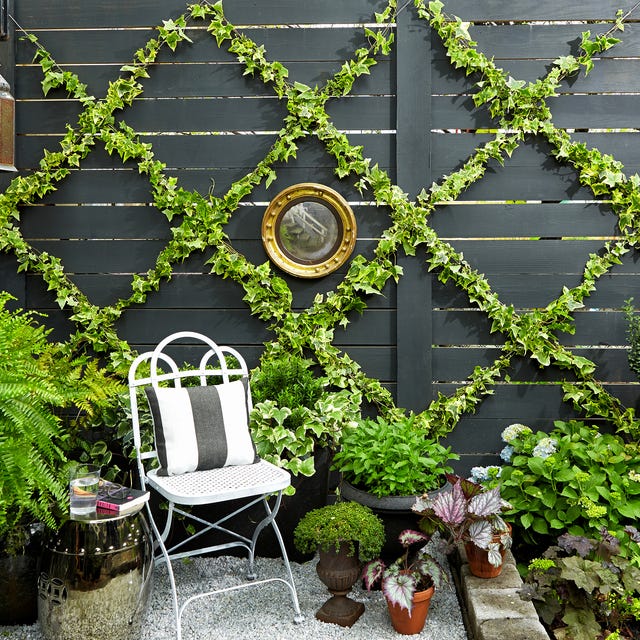
Imagine transforming your backyard into a private oasis with just a few simple steps. A garden wall might be the perfect addition to enhance your outdoor space.
Not only does it add structure and style, but it also offers privacy and a backdrop for your favorite plants. You might think building a garden wall is complicated, but it’s easier than you might expect. In this guide, you’ll learn how to make a garden wall that complements your garden’s beauty and suits your needs.
Whether you’re looking to create a tranquil retreat or a lively gathering space, a well-crafted garden wall can make all the difference. Don’t let the idea of construction intimidate you; with the right tips and tricks, you’ll be ready to tackle this project with confidence and creativity. Dive in to discover how you can transform your garden into a stunning sanctuary.
Choosing The Right Location
Selecting the ideal spot is crucial for a garden wall. Consider sunlight, soil quality, and drainage for healthy plants. Ensure easy access for maintenance and visual appeal.
Choosing the right location for your garden wall is crucial. It impacts not just the aesthetic appeal but also the functionality and durability of the wall. Imagine stepping out into your garden only to realize the wall blocks all sunlight or feels completely out of place. The location you choose can transform your garden into a serene oasis or a forgotten corner. Let’s dive into some key considerations for finding the perfect spot for your garden wall.
Understanding Sunlight And Shade
Consider how sunlight moves across your garden throughout the day. Is there a spot that receives too much sun or too little? If you place your wall where it blocks essential sunlight, it could stunt plant growth. Conversely, a strategically placed wall can offer shade to sun-sensitive plants, creating a balanced ecosystem.
Evaluating Soil And Drainage
A garden wall needs solid ground. Check the soil condition in potential locations. Is it too sandy or too clay-like? Proper drainage prevents water from pooling around the wall’s base, which can lead to structural issues. Make sure your chosen spot has soil that supports stability and adequate water flow.
Considering The View
Think about the view from your house and the view from the garden itself. A wall can frame a beautiful landscape or hide an unpleasant eyesore. Where will you spend most of your time looking at the wall from? Ensure it complements both perspectives to enhance your garden’s overall aesthetic.
Assessing Accessibility
You want your garden wall to be easily accessible. Think about how you and your guests will interact with the wall. Is it a backdrop for a seating area or a barrier along a pathway? Accessibility ensures that the wall serves its purpose without obstructing movement.
Factoring In Privacy
Do you need privacy from neighbors or street traffic? The right location can act as a natural barrier, offering a sense of seclusion. But be careful not to over-isolate your garden, making it feel cramped. Balance is key to maintaining openness while ensuring privacy. When you choose the perfect location for your garden wall, you set the stage for a garden that’s both functional and inviting. Where will your garden wall stand?

Credit: frenchethereal.net
Materials And Tools Needed
Building a garden wall requires bricks or stones, mortar, and a trowel. A spirit level ensures straight lines, while a tape measure helps with accurate sizing. Safety goggles and gloves are essential for protection during construction.
When building a garden wall, choosing the right materials and tools is crucial. They ensure the wall is sturdy and lasts a long time. Using the correct tools makes the process easier and faster. Let’s dive into the essentials you’ll need to get started.
Bricks Or Stones
Bricks and stones form the wall’s main structure. Select based on your garden’s style. Bricks offer a classic look. Stones give a natural feel. Both are strong and durable.
Mortar Mix
A strong mortar mix holds bricks or stones together. Choose a weather-resistant mix for outdoor use. It’s vital for the wall’s stability.
Level
A level ensures your wall is straight. Check each layer as you build. This prevents leaning or uneven walls.
Trowel
A trowel spreads mortar between bricks or stones. It helps in shaping and smoothing the mortar. Choose a trowel with a comfortable grip.
String Line And Stakes
A string line keeps your wall aligned. Attach it to stakes at each end. This provides a visual guide while building.
Measuring Tape
A measuring tape helps in planning the wall’s length and height. Accurate measurements prevent mistakes. Always double-check before cutting or placing materials.
Chisel And Hammer
A chisel and hammer shape bricks or stones to fit. Use them for a perfect fit in tight spaces. They’re essential for detailed work.
Wheelbarrow
A wheelbarrow transports heavy materials. It saves time and reduces physical strain. Load it with bricks, stones, or mortar.
Protective Gear
Wear protective gear for safety. Gloves protect your hands. Goggles shield your eyes from dust and debris. Safety first!
Designing Your Garden Wall
Creating a garden wall enhances your outdoor space with style and function. Choose materials like stone or brick for durability. Plan the wall’s height and design to match your garden’s theme.
Designing your garden wall involves creativity and thoughtful planning. A well-designed wall enhances your outdoor space. It serves both functional and aesthetic purposes. Before building, consider several design aspects. These include height, style, and plant integration. Each element plays a vital role. They work together to create a harmonious garden wall.
Deciding On Wall Height
Wall height impacts privacy and aesthetics. Taller walls provide more privacy. They shield your garden from prying eyes. Shorter walls enhance open spaces. They allow for better views and sunlight. Consider the height balance. It should meet your garden needs. Measure carefully before deciding. Use stakes and string to visualize height. This helps in making informed decisions.
Selecting Wall Style
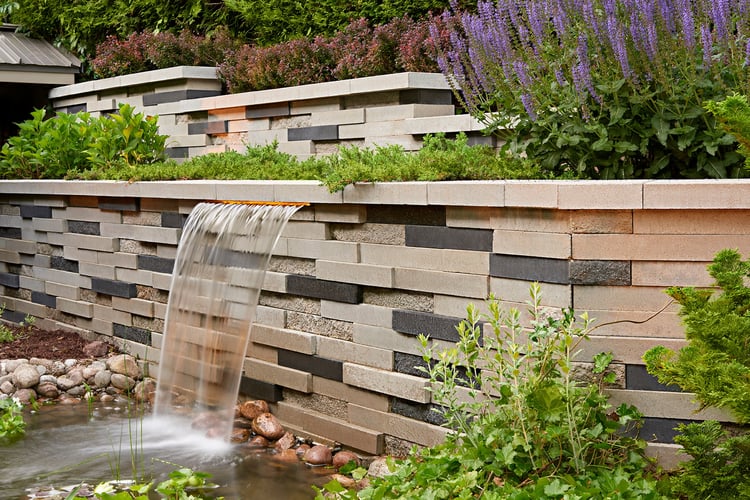
Wall style defines garden personality. Choose from various materials. Options include brick, stone, or wood. Each material offers unique benefits. Brick walls offer durability and classic appeal. Stone walls blend naturally with landscapes. Wood walls add warmth and rustic charm. Consider your garden theme. Match wall style with existing structures. This ensures visual harmony in your garden.
Considering Plant Integration
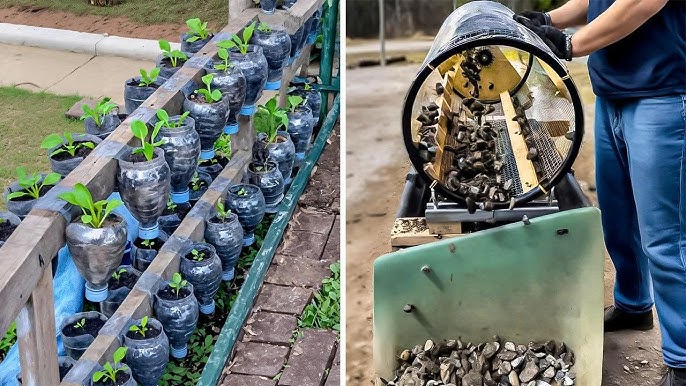
Plants breathe life into garden walls. They add color and texture. Consider integrating climbing plants. Vines and creepers soften hard surfaces. They create a lush, green backdrop. Choose plants that suit your climate. Ensure they thrive against your wall. Use pots or built-in planters. These offer flexibility and mobility. Plants can be seasonal or permanent. Decide based on maintenance needs.
Credit: www.youtube.com
Preparing The Ground
Preparing the ground is crucial for building a sturdy garden wall. Remove debris and level the surface to ensure stability. Proper foundation prevents future shifts and enhances durability.
Preparing the ground is crucial in building a sturdy garden wall. A solid foundation ensures the wall stands tall and firm for years. This step involves clearing, leveling, and marking the area where the wall will be built. Each task requires attention to detail for a successful outcome.
Clearing The Area
Begin by removing debris, plants, and rocks. This creates a clean space for your wall. Use a shovel and rake to clear the ground thoroughly. Ensure all roots are removed to prevent future issues. A clear area makes the next steps easier.
Leveling The Surface
A level surface is vital for stability. Use a spirit level to check the ground. Dig or fill spots to achieve a flat surface. Compact the soil with a tamper or roller. This prevents shifting and settling over time. A stable base supports a strong wall.
Marking The Layout
Outline the wall’s path using stakes and string. This visual guide helps you stay on track. Measure twice to ensure accuracy. Adjust the layout as needed for symmetry. A well-marked layout simplifies construction.
Building The Foundation
Preparing the ground ensures stability for your garden wall. Choose quality materials for long-lasting strength. Measure and mark the layout accurately to avoid mistakes.
Building a garden wall begins with a solid foundation. The foundation ensures your wall’s strength and durability. A well-prepared foundation prevents future problems like leaning or cracking. Here’s how to establish a strong base for your garden wall.
Digging The Trench
Start by marking the wall’s path with string or chalk. Measure the wall’s length and width precisely. Use a spade to dig a trench along the marked line. The trench should be twice as wide as the wall. Make sure it’s deep enough for the base material. Remove all rocks and roots from the trench. Check the trench with a spirit level to ensure it is even.
Laying The Base
Fill the trench with a layer of crushed stone or gravel. This layer provides drainage and support for your wall. Spread the material evenly across the trench. Use a tamper to compact the base material firmly. Compacting ensures the base is stable and level. Add more gravel if needed, and level it again.
Ensuring Stability
After the base is level, lay the first row of stones or blocks. Position each piece carefully, ensuring alignment and stability. Use a spirit level to check that each stone is even. Adjust by adding or removing base material as needed. Secure the stones with a bit of mortar to prevent shifting. Continue checking alignment as you proceed with each row.
Constructing The Wall
Building a garden wall can enhance your outdoor space. It defines areas and adds charm. The construction phase is crucial for a sturdy wall. Let’s explore the essential steps to build your garden wall.
Laying The First Layer
Begin with a solid foundation. Clear the area of debris and plants. Lay the first block carefully. Ensure it sits flat and stable. Use a level to check its position. This layer sets the tone for the rest.
Stacking The Blocks
Continue stacking one block at a time. Align each block with the previous one. Ensure they fit snugly together. Use mortar or adhesive as needed. This provides stability and strength.
Checking Alignment
Regularly check the wall’s alignment. Use a level to ensure straightness. Adjust blocks if needed. This prevents future issues. A well-aligned wall looks professional and lasts longer.
Finishing Touches
The finishing touches on a garden wall can transform its appearance. These details not only enhance beauty but also increase durability. Explore methods to perfect your garden wall.
Adding Caps Or Coping
Caps or coping protect the top of the wall. They prevent water damage. Choose materials that match the wall’s design. Options include stone, concrete, or brick. Ensure they are securely fixed for stability. Proper installation prevents erosion.
Sealing The Wall
Sealing helps prevent moisture absorption. It extends the wall’s lifespan. Select a sealant suitable for your wall material. Apply it evenly for best results. A sealed wall withstands weather better. It also maintains its appearance over time.
Incorporating Decorative Elements
Decorative elements add personality. Consider using wall art or carvings. Plants or vines can soften the look. Lighting fixtures create ambiance. Ensure decorations complement the overall theme. They should enhance, not overpower the wall.
Maintenance Tips
Garden walls require regular inspections for cracks or damage. Clean them gently to prevent moss buildup. Use a sealant to protect against moisture and weather changes.
Maintaining a garden wall ensures its beauty and longevity. Regular upkeep saves time and money. It also keeps your garden looking fresh and inviting. Here are some essential maintenance tips.
Regular Cleaning
Dust and debris accumulate on garden walls. Clean them regularly to maintain their appearance. Use a garden hose to wash off dirt. For stubborn stains, use a mild detergent. Avoid harsh chemicals that can damage the wall. A soft brush helps scrub off tough spots.
Inspecting For Damage
Check your garden wall for cracks or loose stones. Early detection prevents bigger problems. Small cracks can be filled with mortar. Loose stones need resetting to stay secure. Look for signs of water damage. Address any issues promptly to prevent further harm.
Seasonal Adjustments
Weather changes affect garden walls. In winter, protect walls from ice and snow. Cover them with a tarp if necessary. During rainy seasons, ensure proper drainage. This prevents water from pooling around the wall. In summer, check for sun damage or fading. Adjust maintenance routines to suit each season.
Credit: blog.techo-bloc.com
Frequently Asked Questions
What Is The Cheapest Way To Build A Garden Wall?
Use reclaimed bricks or concrete blocks for a budget-friendly garden wall. Opt for dry-stacking methods to save on mortar costs. Consider using gabion baskets filled with stones for a rustic look. These materials are affordable and durable, making them ideal for cost-effective garden wall construction.
Can I Build A Garden Wall Myself?
Yes, you can build a garden wall yourself with proper planning and materials. Research construction techniques and ensure safety measures. For best results, consider consulting professional guides or tutorials. Start with a small project to gain experience before tackling larger walls.
What Is The Cheapest Way To Build A Retaining Wall?
Use reclaimed wood or railroad ties for a budget-friendly retaining wall. Stack them securely, ensuring proper drainage. Compact the soil behind the wall for stability. Consider using gravel or crushed stone as a base. These materials are cost-effective and can be sourced locally to save on expenses.
What Blocks Should I Use For A Garden Wall?
Use concrete blocks for durability and strength in garden walls. Opt for interlocking retaining wall blocks for easy installation. Consider natural stone blocks for a more aesthetic appeal. Choose blocks based on your garden’s style and the wall’s purpose, ensuring they fit your budget and local climate conditions.
Conclusion
Creating a garden wall is simpler than it seems. With basic tools and materials, anyone can build one. It adds structure and style to your outdoor space. Plus, it offers privacy and protection. Start with a solid plan and gather supplies.
Follow step-by-step instructions carefully. Enjoy the process and watch your garden transform. Walls can define spaces beautifully. They make gardens more functional and appealing. Whether for decoration or support, garden walls enhance any yard. Try it and see the difference in your outdoor area.
Happy building!


