Have you ever noticed ants scurrying around your garden and wondered if they’re little helpers or tiny troublemakers? You might be surprised to learn that these industrious insects can play a significant role in the health of your garden.
Ants are more than just picnic pests; they can be your garden’s secret allies. By understanding their behavior and benefits, you can unlock the potential for a more thriving, balanced garden ecosystem. Imagine harnessing the natural power of ants to boost your plants’ growth and vitality.
Curious about how ants can be good for your garden? Stick around to discover the surprising ways these tiny creatures can transform your gardening experience.
:max_bytes(150000):strip_icc()/GettyImages-2216051618-85545313dc2748ec9b22e35c5c9c70ac.jpg)
Credit: www.southernliving.com
Ants’ Role In Soil Aeration
Ants play a vital role in gardens by improving soil aeration. Their tunnels allow air and water to reach plant roots. This enhances plant growth and soil health, making ants beneficial for a thriving garden ecosystem.
Ants play a surprisingly beneficial role in your garden, especially when it comes to soil aeration. While you might often see them as pesky intruders, they are hardworking creatures that contribute to the health of your garden’s ecosystem. Their constant tunneling and digging help improve the soil structure, making it more conducive for plant growth.How Ants Improve Soil Structure
Ants are like tiny engineers, tirelessly working to create intricate networks of tunnels in the soil. These tunnels enhance the soil’s ability to retain moisture and allow better airflow. When air circulates more freely, your plants get the oxygen they need to thrive.Ants’ Impact On Water Movement
The tunnels ants create also facilitate efficient water drainage and movement. This means less waterlogging and more effective hydration for your plants. Have you ever noticed how your garden looks healthier after a rain shower? Thank the ants for helping distribute that water effectively.Nutrient Distribution Through Ant Activity
As ants dig, they also carry organic matter and nutrients deeper into the soil. This process ensures that nutrients are evenly distributed, promoting healthier root growth. Imagine your plants having access to a buffet of nutrients, helping them grow stronger and more resilient.Encouraging Ant Activity In Your Garden
Instead of seeing ants as a nuisance, think of ways to encourage their beneficial activities. Consider maintaining a natural garden environment where ants can thrive without pesticides. You might find your garden blooming with vitality thanks to these tiny helpers. Have you ever wondered how something so small can have such a big impact on your garden? Let the ants be your allies in gardening, nurturing your plants from below the surface.Natural Pest Control
Ants can benefit gardens by improving soil health and controlling pests naturally. They aerate the soil, enhancing plant growth. Moreover, ants can reduce harmful pest populations, protecting your plants.
Natural Pest Control Ants can be incredibly beneficial for your garden by acting as natural pest controllers. They help maintain a balanced ecosystem by preying on a variety of common garden pests. This symbiotic relationship can save you time and money on chemical pesticides.Ants Vs. Aphids
Ants are known to protect aphids, but they also keep aphid populations in check. They consume the honeydew produced by aphids, indirectly controlling their numbers. Without ants, aphids could multiply unchecked, damaging your plants.Predatory Benefits
Ants prey on the eggs and larvae of many harmful insects. By reducing the population of these pests, ants help your plants thrive. This natural pest control method is both sustainable and eco-friendly.Soil Aeration And Health
As ants tunnel through soil, they aerate it, improving water and nutrient flow. This enhances root health and plant growth. A healthier plant is more resistant to pests and diseases.Encouraging Ant Presence
To encourage ants, create a welcoming environment by avoiding excessive pesticide use. Maintain a balanced garden with diverse plant species. Observe how ants interact with your garden and adjust your strategy accordingly. Have you noticed a change in your garden’s pest population with the presence of ants? Embrace the humble ant and let it become your ally in cultivating a thriving garden.Nutrient Recycling
Ants help gardens by recycling nutrients through their waste and decomposing organic matter. They aerate the soil, allowing water and nutrients to reach plant roots more effectively. Their presence can boost soil health, promoting a thriving garden ecosystem.
Nutrient Recycling is a vital process in gardens. Ants play a crucial role in this. Their activity helps break down organic matter. They turn dead insects and fallen leaves into rich soil nutrients. This boosts plant growth and soil health.Ants As Decomposers
Ants are natural decomposers. They feed on organic waste. This accelerates decomposition. Their actions improve soil fertility. Plants get better nutrition.Improving Soil Structure
Ants dig tunnels in the soil. This enhances aeration and drainage. Roots grow stronger. Plants become healthier.Enhancing Microbial Activity
Ants foster microbial life. Their waste enriches the soil. Microbes break down nutrients faster. This benefits plant growth.Promoting Organic Matter Breakdown
Ants shred leaves and debris. This speeds up organic matter breakdown. Nutrients return to the soil. Plants absorb them easily.Supporting Plant Growth
Ants create nutrient-rich environments. This supports robust plant growth. Flowers bloom brightly. Vegetables yield better produce.Pollination Support
Ants play a vital role in gardens by aiding pollination. They move pollen as they search for nectar, benefiting plants. Their presence can enhance garden health and productivity.
Pollination Support Ants play a surprising role in gardens. They help with pollination. These tiny creatures move between flowers. As they move, they spread pollen. This helps plants reproduce.Ants As Natural Pollinators
Ants visit flowers for nectar. While feeding, they collect pollen on their bodies. As they travel, they transfer pollen. This aids in plant fertilization.Benefits Of Ant Pollination
Ant pollination increases plant diversity. It boosts fruit and seed production. This results in a healthier garden ecosystem.How Ants Enhance Plant Growth
Ants improve plant health indirectly. They enrich soil with their tunnels. This allows better water and air circulation. Plants grow stronger as a result.Ants And Flower Interactions
Some flowers rely on ants. They have evolved to attract them. These flowers offer sweet nectar as a lure.Encouraging Ant Activity In Gardens
Create an ant-friendly environment. Avoid using harsh pesticides. Provide food sources like fallen fruit. Keep the garden moist and shaded.Seed Dispersal Benefits
Ants play a vital role in seed dispersal, enhancing garden health. They transport seeds, aiding plant growth and diversity. By moving seeds, ants help control pests and enrich soil, benefiting the garden ecosystem.
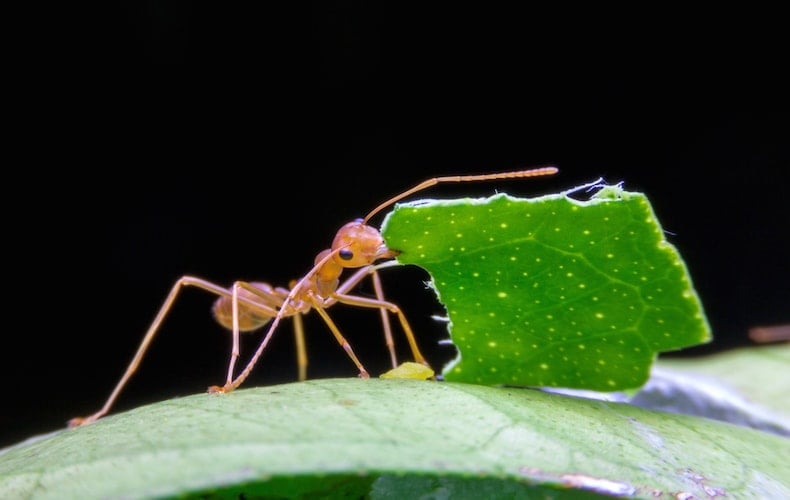
In the world of gardening, ants often get a bad rap. But did you know they can be beneficial for your garden? One of their key contributions is seed dispersal. By transporting seeds, ants can aid in plant propagation and contribute to a healthier ecosystem.Ants As Nature’s Gardeners
Ants naturally carry seeds to their nests. This process helps in spreading plants across your garden. It’s like having little gardeners at work for you. Seeds carried by ants often find better growing conditions. They end up in nutrient-rich soil near ant nests. This can lead to healthier plants.Improved Germination Rates
Seeds dispersed by ants often experience better germination. The movement and placement by ants can protect seeds from predators. This enhances their chances of sprouting and growing strong. The unique journey of seeds with ants can also provide them with necessary exposure. Some seeds need specific conditions to germinate, and ants unknowingly help fulfill these requirements.Encouraging Biodiversity
Ants promote biodiversity by spreading a variety of seeds. This leads to a diverse range of plants in your garden. A diverse garden can be more resilient to pests and diseases. By helping different plants thrive, ants support a balanced ecosystem. You might notice an increase in beneficial insects, birds, and other wildlife.Creating Microhabitats
Ant nests can create small but impactful microhabitats. These areas can offer a safe space for seedlings to grow. The structure of the nests can also improve soil aeration and nutrient distribution. Have you ever noticed how some plants seem to thrive unexpectedly? Ants might be playing a part in this silent transformation.Personal Experience: A Surprise Discovery
I once noticed a patch of wildflowers flourishing in a corner of my garden. Curious, I observed tiny ants carrying seeds to their nest nearby. It was a delightful realization that these little creatures were enhancing my garden’s beauty. Could ants be the secret allies your garden needs? Embrace their presence and watch your garden flourish with new life.Potential Drawbacks
While ants can be beneficial to your garden, they are not without their drawbacks. Their presence might sometimes lead to unintended consequences that could affect your garden’s health. Understanding these potential issues can help you manage ants effectively.
Damage To Plants
Ants are known for their industrious nature, but this can sometimes be problematic for your garden. They build elaborate tunnels and nests, which might disturb the roots of your plants. This disruption can hinder plant growth and even lead to wilting. Have you ever noticed your plants struggling despite the perfect weather conditions? It could be those tiny architects reworking the underground structure.
Moreover, some species of ants actively chew on plants, especially if they’re attracted to specific sap or nectar. This can lead to visible damage, stunted growth, and a decrease in the overall health of your garden. Keeping an eye on your plants for unusual signs might help you catch these issues early.
Attraction Of Aphids
Ants have a peculiar relationship with aphids, often referred to as mutualistic. Ants protect aphids from predators to harvest the honeydew they produce. This might sound like a harmless exchange, but an increase in aphid population can spell disaster for your garden. Aphids feed on plant sap, potentially weakening and damaging your plants.
If you’ve noticed an aphid infestation in your garden, ants might be part of the problem. You could find yourself battling not just one pest but a whole alliance of them. Consider strategies for managing both ants and aphids to maintain a healthy garden. How do you plan to tackle this tiny army marching through your plants?
Managing Ants In The Garden
Ants can benefit gardens by aerating soil and controlling pests. Yet, they may farm aphids, harming plants. Balancing ant populations ensures healthy growth.
Managing ants in the garden requires a balanced approach. Ants play a vital role in aerating soil and controlling pests. Yet, too many ants can harm plants and disrupt the ecosystem. By encouraging beneficial species and deterring harmful behavior, gardeners can create a thriving environment.Encouraging Beneficial Species
Some ants help maintain healthy soil and control harmful insects. They aerate the soil, allowing water and nutrients to reach plant roots. Encourage ants that eat pests like aphids. These ants reduce the need for chemical pesticides. Plant native flowers to attract beneficial ants. Native plants provide food and shelter for these species. Ants can also help pollinate plants, boosting growth and yield.Deterring Harmful Behavior
Too many ants can damage plants and disturb the soil balance. Use barriers to keep ants away from sensitive areas. Sticky traps can stop ants without harming them. Natural repellents like citrus peels can deter ants. Place peels around plants to create a barrier. Vinegar spray can disrupt ant trails. Spray lightly on pathways to confuse their navigation. For serious infestations, consult a pest specialist. They can offer solutions that protect your garden’s health.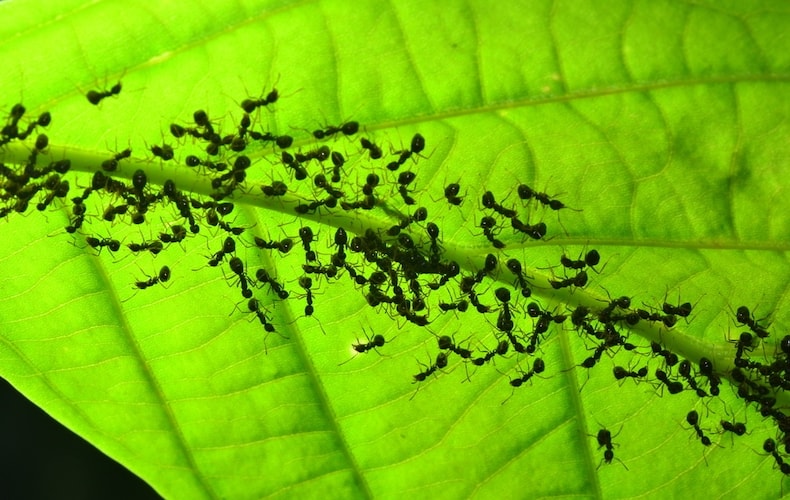
Credit: www.thompson-morgan.com
Creating An Ant-friendly Environment
Creating an Ant-Friendly Environment Ants help with soil aeration and pest control in gardens. They improve plant health by enhancing nutrient flow. Encouraging ants can lead to a thriving garden ecosystem.
Creating an ant-friendly environment can benefit your garden greatly. Ants play a significant role in maintaining soil health. They aerate the soil, which helps plant roots access water and nutrients. Encouraging ants in your garden can also help control pests. They feed on the eggs and larvae of other insects, reducing the need for chemical pesticides. Here’s how you can create a welcoming space for ants.Provide Natural Habitats
Create natural habitats to attract ants. Leave small piles of leaves or twigs in corners. These offer shelter and nesting grounds for ants. Avoid over-cleaning your garden. A bit of natural debris is beneficial.Offer Food Sources
Ants are attracted to sugary substances and protein. Plant flowers that produce nectar. This provides a natural food source for ants. You can also leave small amounts of honey or jam in safe spots. Ensure they are away from plants to avoid attracting pests.Ensure A Moist Environment
Ants thrive in slightly moist environments. Water your garden regularly, but avoid over-watering. The soil should be damp but not soaked. Create shaded areas with plants or structures. This helps maintain moisture and provides a cool retreat for ants.Avoid Using Pesticides
Pesticides can harm ants and disrupt their beneficial activities. Choose natural pest control methods. Introduce beneficial insects like ladybugs to manage pests naturally. Use organic sprays if necessary and apply them carefully.Encourage Biodiversity
Plant a variety of plants to attract different insect species. This increases the likelihood of ants finding food and shelter. A diverse garden supports a healthy ecosystem. It encourages beneficial interactions between insects and plants. Creating an ant-friendly environment involves small, simple steps. These steps can lead to a healthier, more balanced garden.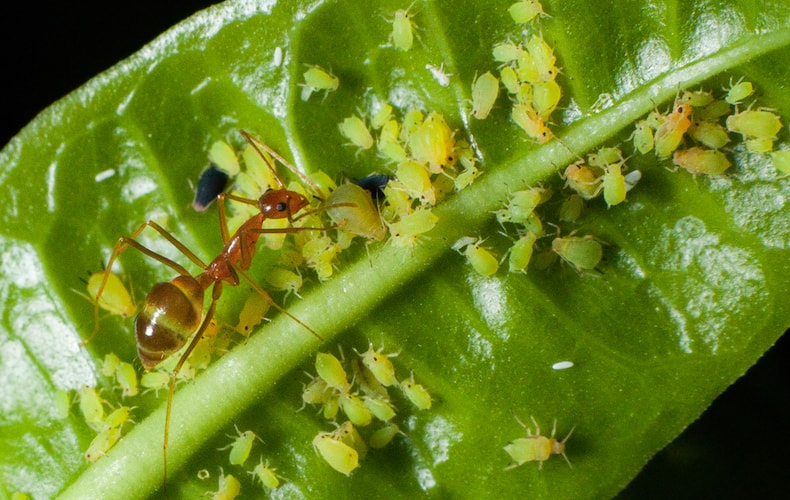
Credit: www.thompson-morgan.com
Frequently Asked Questions
Should I Kill The Ants In My Garden?
Ants can benefit your garden by aerating soil and controlling pests. Avoid killing them unless they cause harm. Consider natural deterrents like diatomaceous earth or peppermint oil if necessary. Maintaining a balanced ecosystem is crucial for garden health.
What Are The Disadvantages Of Ants In The Garden?
Ants can protect harmful pests like aphids, damaging plants. They disturb soil structure and can bite gardeners. Their nests may disrupt plant roots, affecting growth. Ant trails can invade homes, causing inconvenience. Managing ants is crucial for a healthy garden ecosystem.
Do Ants Help Your Garden?
Yes, ants can benefit your garden. They aerate the soil, improve drainage, and help control pests. Ants also disperse seeds, promoting plant growth. By feeding on organic material, they enhance soil fertility. While some species may cause issues, most ants positively contribute to garden health.
Will Ants Hurt My Tomato Plants?
Ants themselves don’t harm tomato plants. They may indicate aphids, which can damage the plants. Control aphids to protect tomatoes. Keep your garden clean and monitor pests regularly for healthy plants.
Conclusion
Ants play a helpful role in gardens. They aerate the soil, benefiting plant growth. Natural pest control is another advantage they offer. Ants eat harmful insects, protecting your plants. Their presence can enhance the ecosystem balance. But monitor ant activity.
Too many ants may disrupt garden harmony. They can also attract aphids, which harm plants. Finding a balance is key. Welcome ants, but ensure they don’t overwhelm. Ants are nature’s gardeners. They contribute to a healthy and thriving garden. Observe their actions, and nurture your plants with their help.
Embrace their presence for a flourishing garden environment.