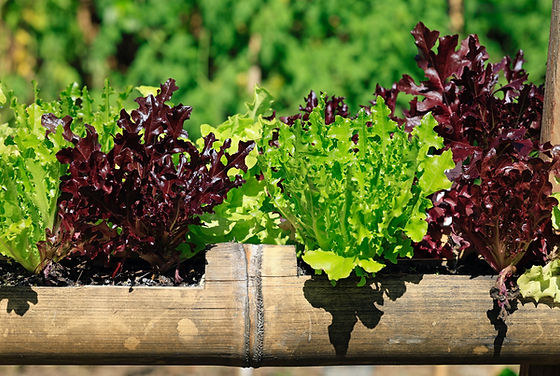
Are you ready to transform your Texas yard into a flourishing garden oasis? Knowing when to plant is the secret sauce to achieving a vibrant and thriving garden.
In Texas, the planting schedule isn’t just a matter of checking the calendar; it’s about understanding the unique climate and soil conditions that vary across the state. Whether you’re aiming for juicy tomatoes, fragrant herbs, or a colorful array of flowers, timing is everything.
Imagine the satisfaction of watching your garden bloom, knowing you’ve nailed the perfect planting window. Dive into this guide to discover the optimal times to plant your garden in Texas and unlock the secrets to a lush and bountiful outdoor space. Your garden dreams are just a few steps away!
Texas Climate Zones
Planting a garden in Texas can be an exciting venture due to its diverse climate zones. With the state’s vast size and varied weather conditions, understanding when to plant is crucial for a thriving garden. Whether you’re a seasoned gardener or just starting out, knowing the specific climate zone of your area will help you make informed decisions about what to plant and when.
Understanding Usda Hardiness Zones
Texas spans several USDA Hardiness Zones, ranging from Zone 6 in the north to Zone 10 in the south. These zones are based on the average annual minimum winter temperature, which provides guidance on the types of plants that can survive year-round. Knowing your zone helps you select plants that will withstand the coldest temperatures in your area.
- Zone 6: Northern Texas, where winters can be chilly.
- Zone 7: Central Texas, offering a balance of warm and cold weather.
- Zone 8: Eastern and southern regions, with mild winters.
- Zone 9: Coastal areas, boasting warm temperatures year-round.
- Zone 10: Southern tip, ideal for tropical plants.
Have you ever wondered why your neighbor’s garden thrives while yours struggles? It could be due to differences in hardiness zones. Selecting plants suited for your zone can make all the difference.
Regional Climate Variations
Texas is known for its regional climate variations that affect planting schedules. The state experiences everything from arid deserts to humid coastlines, each with its own set of challenges and opportunities. Understanding these variations is key to successful gardening.
In the dry west, water conservation is vital. Consider drought-resistant plants to reduce your garden’s reliance on irrigation.
Meanwhile, the humid east requires attention to soil drainage and disease control. Planting during cooler months can help mitigate these issues.
What’s the weather like where you live? Tailoring your gardening approach to your local climate can enhance your chances of success.
By tapping into these insights, you can better plan your garden and enjoy a fruitful harvest. Whether you aim to grow vegetables, flowers, or native plants, understanding Texas’s climate zones will guide you to success.
Spring Planting
Spring in Texas offers ideal conditions for planting a garden. Typically, late February to mid-April is best for starting seeds. Timing ensures plants thrive in warm temperatures and avoid late frosts.
Spring in Texas is a gardener’s delight. The warmer temperatures and longer days create the perfect environment for planting. This season breathes life into gardens, promising vibrant blooms and bountiful harvests. Knowing the right time to plant is crucial for success. Spring planting in Texas requires careful timing and selection.Optimal Time For Vegetables
Texas offers a unique climate for growing vegetables. Early March is ideal for cool-season crops. Plant lettuce, spinach, and radishes during this time. April is perfect for warm-season vegetables. Tomatoes, peppers, and beans thrive when planted now. Understanding these timings ensures a productive garden.Best Flowers To Plant
Spring is perfect for planting colorful flowers. March is great for planting petunias and marigolds. These flowers add bright colors to any garden. April is ideal for sunflowers and zinnias. They flourish in the warm Texas sun. Planting these flowers ensures a vibrant and cheerful garden.Summer Planting
Summer in Texas is a unique challenge for gardeners. The scorching heat can be intimidating, but it’s also an opportunity to cultivate a variety of resilient crops that thrive in high temperatures. If you’re considering summer planting, timing and crop selection are crucial. Embrace the sun and discover how you can make the most of the hot months.
Heat-tolerant Crops
In Texas, not all vegetables and fruits can withstand the summer’s intensity. Choose heat-loving crops like okra, peppers, and sweet potatoes. These plants not only survive but flourish under the Texas sun.
Have you ever grown a pepper plant and watched it thrive in 100-degree weather? It’s rewarding to see it produce when other plants wilt. Planting heat-tolerant varieties allows you to enjoy a productive garden even in the hottest months.
Watering Tips For Hot Months
Water management is critical during Texas summers. It might surprise you, but overwatering can be as damaging as underwatering. Focus on deep watering techniques to encourage root growth and resilience.
Consider early morning or late evening watering to minimize evaporation. Using drip irrigation can also make a significant difference, ensuring your plants get the moisture they need without waste.
Are your plants looking wilted by midday? Adjust your watering schedule and see the difference. The goal is to keep the soil moist but not soggy, promoting healthy growth even in extreme heat.
Fall Planting
Texas gardeners often plant in fall to take advantage of cooler temperatures. Early October is ideal for most crops. Timing ensures plants establish before winter arrives.
Fall planting in Texas is a fantastic opportunity to make the most of the state’s unique climate. As temperatures begin to drop, it’s the perfect time to get those garden gloves on and dig into the soil. The cooler weather not only makes gardening more pleasant but also provides optimal conditions for certain plants to thrive. Whether you’re a seasoned gardener or just starting out, fall planting can offer a rewarding experience with a burst of color and a bounty of vegetables.Cool-season Vegetables
Cool-season vegetables thrive in the mild Texas fall. Consider planting leafy greens like spinach, kale, and lettuce. These greens grow quickly and are perfect for adding fresh, home-grown ingredients to your meals. Root vegetables such as carrots, radishes, and beets also enjoy the cooler temperatures. They develop a sweeter flavor when grown in the fall. Imagine harvesting your own carrots for a crisp, healthy snack! Don’t forget about broccoli and cauliflower. These vegetables are not only nutritious but are also relatively easy to grow in the fall. Plant them early enough, and you could have a delicious home-grown side dish for your Thanksgiving dinner.Fall-blooming Flowers
Fall isn’t just for vegetables; it’s a time for vibrant blooms as well. Texas gardens can come alive with fall-blooming flowers like chrysanthemums and asters. These flowers add a splash of color when many summer blooms are fading away. Consider planting marigolds, known for their bold colors and pest-repelling properties. They can brighten up any garden space and offer a cheerful welcome to the fall season. For a touch of elegance, plant pansies. Their delicate petals and rich colors can withstand the cooler temperatures and continue to bloom through the early winter months. You’ll enjoy the beauty they bring long after the first frost. Have you tried planting in the fall before? With the right choices, your Texas garden can be a source of beauty and bounty all season long.Winter Considerations
Winter in Texas offers unique gardening challenges. The state’s varied climate zones mean gardeners must plan carefully. Understanding winter considerations ensures your garden thrives even in the cold.
Frost Dates And Protection
Frost dates vary across Texas. Know your local frost schedule to protect your plants. Central Texas usually sees frost from late November to mid-February. In North Texas, frost may arrive earlier and last longer. South Texas enjoys milder winters with minimal frost.
Protecting plants from frost is crucial. Use row covers or frost blankets for sensitive plants. Mulching helps insulate the soil, keeping roots warm. Potted plants can be moved indoors or to sheltered areas.
Winter Gardening Tips
Choose cold-hardy vegetables for winter gardening. Kale, spinach, and carrots thrive in cooler temperatures. Plant these crops in late fall for a winter harvest. Watering needs decrease in winter but do not neglect hydration. Water plants in the morning to prevent freezing.
Check soil conditions regularly. Wet soil can freeze and damage roots. Ensure proper drainage to avoid root rot. Consider using raised beds for better soil control. Winter is an ideal time to plan and prepare for spring planting.
Soil Preparation
Choosing the right time for planting in Texas involves understanding soil conditions. Prepare soil in early spring when temperatures start rising. Ensure proper drainage and nutrient levels for optimal plant growth.
Soil preparation is crucial for a thriving garden in Texas. Proper soil care ensures healthy plants and abundant harvests. Knowing what your soil needs can make all the difference.Testing And Amending Soil
Testing your soil helps you understand its current state. Use a soil test kit to check pH levels and nutrient content. This reveals deficiencies in nitrogen, phosphorus, or potassium. Once you have results, amend the soil accordingly. Add lime to raise pH or sulfur to lower it. Organic matter like peat moss can improve soil texture.Mulching And Composting
Mulching conserves moisture and protects roots from heat. Spread a layer of mulch around plants to keep soil cool. Organic mulches like straw or wood chips work well. Composting enriches soil with nutrients. Collect kitchen scraps and yard waste to create compost. Mix compost into the soil to enhance fertility. Both practices promote healthier plant growth.Companion Planting
Planting in Texas requires timing, especially with companion planting. Early spring is ideal for starting cool-season crops. Summer is perfect for heat-loving plants, ensuring your garden thrives.
Companion planting is a smart strategy to optimize your garden’s health and productivity. By planting certain species together, you can enhance growth, deter pests, and make the most of your garden space. In Texas, where the growing conditions can be challenging, this method becomes even more valuable. Imagine walking through your vibrant garden, where every plant is working harmoniously with its neighbor. Ready to learn which plants make the best partners and which ones should keep their distance?Beneficial Plant Pairings
Some plants have natural affinities that can boost each other’s growth. For example, tomatoes and basil aren’t just great on your plate—they’re great in the garden too. Basil can help repel pests that target tomatoes, while improving their flavor. Consider planting carrots and onions together. The strong scent of onions can deter carrot flies, providing a natural defense for both plants. Similarly, marigolds are excellent companions for almost any vegetable, as they help keep nematodes and other pests at bay. Think about your garden layout. Can you visualize these pairs working together to create a thriving ecosystem?Avoiding Harmful Combinations
Not all plants get along well. Some combinations can actually inhibit growth or attract pests. For instance, planting onions near beans can stunt the growth of the beans due to chemical interactions in the soil. Keep an eye out for cabbage and strawberries. They both prefer different soil conditions and can compete for nutrients, leading to poor growth for both. Reflect on your own garden. Are there any combinations that might be causing more harm than good? By understanding these companion planting strategies, you can create a more productive and harmonious garden in Texas. The right pairings can transform your space, making it a haven for healthy, flourishing plants.
Credit: www.instagram.com
Pest And Disease Management
Managing pests and diseases is crucial for any successful gardening endeavor, especially in the diverse climate of Texas. From pesky insects to stubborn diseases, your garden can face numerous challenges. Understanding how to handle these threats can make the difference between a thriving garden and a disappointing one.
Common Texas Garden Pests
Texas gardens often encounter a variety of pests, each with its own set of problems. Aphids, known for sucking the sap from plants, can weaken your crops significantly. Caterpillars, including the notorious tomato hornworm, feast on leaves, leaving your plants bare.
Then there are grasshoppers, which can devastate entire rows of vegetables overnight. Spider mites are tiny but mighty, causing yellow stippling on leaves. Recognizing these common pests is the first step in effective management.
Natural Pest Control Methods
For a more eco-friendly approach, consider natural pest control methods. Introducing beneficial insects like ladybugs and lacewings can help reduce aphid populations. Companion planting, such as placing marigolds near your vegetables, can deter unwanted pests.
Creating a homemade spray using ingredients like neem oil or garlic can be an effective repellent. Regularly inspecting your plants and removing pests by hand can also minimize damage. These methods not only protect your garden but also promote a healthier ecosystem.
Garden Maintenance
Planting in Texas depends on the region’s climate. Central Texas enjoys mild winters, ideal for cool-season crops. In contrast, warmer months suit summer vegetables. Timing varies by area, so local gardening calendars help determine the best planting periods.
Maintaining a garden in Texas requires attention to detail and a good understanding of the local climate. With the right garden maintenance practices, you can keep your plants healthy and thriving throughout the year. The key is knowing when and how to perform essential tasks like pruning, deadheading, and seasonal cleanup.Pruning And Deadheading
Pruning and deadheading are crucial tasks for encouraging new growth and ensuring your garden remains vibrant. In Texas, it’s best to prune in late winter or early spring when plants are still dormant. This timing helps prevent disease and encourages robust growth. Deadheading, or removing spent flowers, can be done throughout the growing season. By doing this, you ensure that the plant’s energy is focused on producing new blooms rather than seeds. Regular deadheading can lead to a longer flowering period, which means more color and beauty in your garden.Seasonal Cleanup Tasks
Seasonal cleanup is an essential part of garden maintenance, especially after the long, hot Texas summer. Remove any dead or diseased plants to prevent the spread of pests and diseases. This task not only keeps your garden healthy but also makes it look tidy and well-kept. During the fall, consider mulching to protect your plants from the cooler temperatures. Mulch helps retain moisture and provides insulation, giving your plants a better chance to thrive during the winter months. Are there any other strategies you could adopt to make your garden more resilient? Remember, a well-maintained garden doesn’t just happen; it requires regular attention and care. By staying on top of tasks like pruning, deadheading, and seasonal cleanup, you’ll enjoy a flourishing garden all year round.
Credit: www.star-telegram.com

Credit: thedallasgarden.com
Frequently Asked Questions
What Month Should You Start A Garden In Texas?
Start your garden in Texas in early spring, around mid-February to March. This timing is ideal for planting cool-season crops. Warmer crops can be planted after the last frost, typically in late March or early April. Always consider local climate and plant types for best results.
What Are The Easiest Vegetables To Grow In Texas?
Tomatoes, peppers, and squash grow easily in Texas due to the warm climate. Okra and beans thrive too. Leafy greens like spinach and kale can be planted in cooler months. These vegetables are ideal for Texas gardens, offering high yields and minimal maintenance.
When To Plant Tomatoes And Peppers In Texas?
Plant tomatoes and peppers in Texas after the last frost, typically mid-March to early April. Ensure soil temperatures reach 60°F for optimal growth. Start seeds indoors 6-8 weeks before the last frost date. Choose a sunny spot for transplanting to encourage healthy development and maximize your harvest.
What Month Should You Start A Garden?
Start planting your garden in early spring, around March or April. This allows plants to thrive as temperatures rise. Check local frost dates to ensure optimal timing for your region. Starting in spring provides a longer growing season, helping your garden flourish.
Adjust based on climate and plant type.
Conclusion
Planting a garden in Texas requires careful timing. The state’s climate varies greatly. Spring and fall are ideal for most plants. Warm-season crops thrive in late spring. Consider your region’s frost dates. Texas has diverse growing zones. Southern areas experience mild winters.
Northern regions face colder temperatures. Prepare your soil before planting. Healthy soil supports strong growth. Monitor weather forecasts closely. Rainfall and temperature shifts matter. Choose native plants for better success. They adapt well to local conditions. Gardening in Texas rewards patience and planning.
Enjoy the process and watch your garden flourish.


