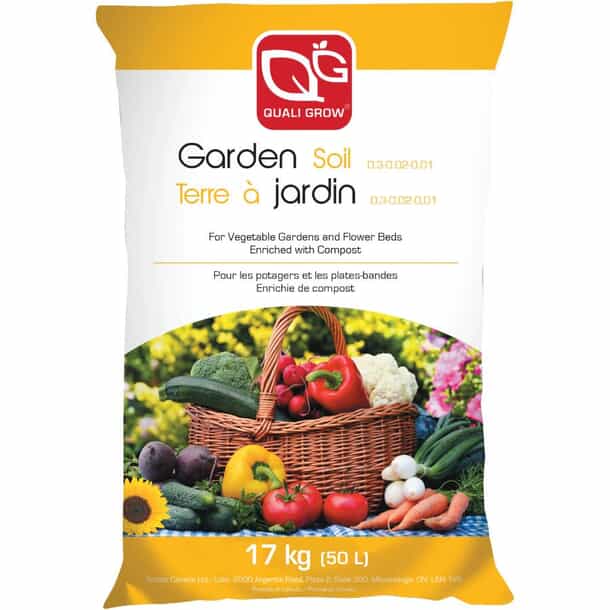
Are you dreaming of a lush, thriving vegetable garden right in your backyard? Imagine stepping outside and picking fresh tomatoes, crisp lettuce, or fragrant herbs grown by your own hands.
The secret to achieving this verdant paradise starts with the soil. But with so many options available, choosing the right soil for your vegetable garden can feel overwhelming. You might wonder, “What soil should I buy for my vegetable garden to ensure a bountiful harvest?
” This article will guide you through everything you need to know about selecting the perfect soil, tailored to meet your gardening goals. By the end, you’ll feel confident and excited to start planting, knowing you’ve laid the best foundation for your garden’s success. Let’s dig in and uncover the secrets to the perfect garden soil that could transform your backyard into a fruitful oasis!
Soil Basics For Vegetables
Creating a thriving vegetable garden begins with understanding soil basics. Soil is the foundation of plant health. Good soil supports root growth and nutrient absorption. Choosing the right soil ensures your vegetables grow strong and healthy. Let’s explore essential soil components for a successful vegetable garden.
Soil Composition
Vegetable gardens need soil with specific qualities. It should be a mix of clay, silt, and sand. This balance ensures good drainage and nutrient retention. Too much clay can cause poor drainage. Excessive sand leads to nutrient loss. Aim for a loamy texture. It provides the best environment for vegetables.
Ph Levels
Soil pH affects nutrient availability. Most vegetables prefer neutral to slightly acidic soil. A pH of 6.0 to 7.0 is ideal. Test your soil’s pH before planting. Adjust it with lime to increase pH. Use sulfur to decrease pH. Correct pH levels lead to healthier plants.
Organic Matter
Organic matter enriches soil with nutrients. It improves soil structure and water retention. Compost is a great source of organic matter. It contains decomposed plant material and kitchen scraps. Add compost to your soil regularly. It boosts fertility and supports microbial life.
Proper drainage prevents waterlogging. Waterlogged soil suffocates plant roots. Ensure soil has good aeration. It allows roots to breathe and grow. Check drainage by observing water movement after rain. Use raised beds or add sand for improved drainage.
Nutrient Content
Vegetables need a mix of nutrients to thrive. Nitrogen, phosphorus, and potassium are crucial. Nitrogen promotes leaf growth. Phosphorus supports root development. Potassium aids overall plant health. Use a balanced fertilizer to supplement these nutrients. Regular soil testing helps maintain nutrient levels.
- Choose loamy soil for best results.
- Maintain pH between 6.0 and 7.0.
- Add compost for organic matter.
- Ensure good drainage and aeration.
- Use balanced fertilizers for nutrient supply.

Credit: miraclegro.com
Types Of Soil For Gardening
Choosing the right soil ensures healthy vegetable growth. Loamy soil, rich in nutrients and well-draining, is ideal. Avoid clay-heavy options, which hinder root expansion.
When planning your vegetable garden, choosing the right type of soil is crucial for a bountiful harvest. The soil you select acts as the foundation for your plants, impacting their growth and health. Understanding the different types of soil can help you make an informed decision to ensure your veggies thrive.Sandy Soil
Sandy soil is known for its quick drainage and ease of work. If you’re growing root vegetables like carrots or potatoes, this soil type may be ideal. However, it tends to dry out quickly, so regular watering and adding organic matter can help retain moisture and nutrients.Clay Soil
Clay soil is dense and can hold nutrients well, making it suitable for plants that need a lot of nutrients. However, it can become waterlogged, especially after heavy rain. To improve drainage, consider mixing in some sand or compost to make it more workable and plant-friendly.Loamy Soil
Loamy soil is often considered the holy grail for gardeners due to its balanced texture. It holds moisture without becoming waterlogged and is rich in nutrients, making it perfect for most vegetable gardens. If you’re lucky enough to have loamy soil, you’re off to a great start, but remember to still enrich it with organic matter for the best results. Each soil type has its benefits and challenges. What kind of soil do you think will best support your garden dreams?Choosing The Right Soil Mix
Selecting the right soil mix ensures healthy vegetable growth. Opt for a blend with compost and organic matter. This mix provides essential nutrients and good drainage for your garden.
Choosing the right soil mix is crucial for a thriving vegetable garden. The soil provides essential nutrients, water, and air that plants need. A good soil mix boosts plant growth and yields. It should be well-draining and rich in organic matter. Let’s explore two popular options for your vegetable garden.Pre-mixed Garden Soil
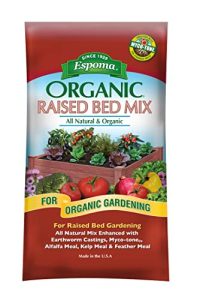
Pre-mixed garden soil is convenient for busy gardeners. It usually contains a balanced blend of essential nutrients. This soil is ready-to-use, eliminating guesswork. It often includes peat moss, compost, and vermiculite. These components enhance moisture retention and aeration. Pre-mixed soil saves time and effort. Consider the soil’s pH level before buying. Vegetable gardens thrive in slightly acidic soil. Check the packaging for specific plant compatibility. Some pre-mixed soils are tailored for specific vegetables. A quality mix can improve your garden’s productivity. Choose a reputable brand for best results.Diy Soil Mix
Creating a DIY soil mix allows customization. Tailor your soil to meet specific plant needs. Start with basic ingredients like garden soil. Add organic matter like compost or aged manure. These enrich the soil with nutrients. Sand improves drainage, ensuring roots don’t rot. Consider adding perlite for aeration. It helps roots breathe, enhancing plant health. Mix in some peat moss for moisture retention. Adjust proportions based on plant requirements. Experiment with different ingredients for optimal results. Test soil pH regularly to ensure suitability. DIY mixes are cost-effective and versatile. They offer more control over soil quality. Adjust the mixture as plants mature or seasons change. This flexibility can lead to a bountiful harvest.Understanding Soil Ph
Choosing the right soil for your vegetable garden involves understanding soil pH. Balanced pH levels are crucial for nutrient absorption. Select soil that matches your plants’ pH requirements for healthy growth.
Understanding the pH level of your soil is crucial for a thriving vegetable garden. Soil pH affects the availability of nutrients to plants. A balanced pH ensures your vegetables grow healthy and strong. Knowing the right pH helps you choose the best soil for your garden.Ideal Ph For Vegetables
Most vegetables prefer soil with a pH between 6.0 and 7.5. This range allows nutrients to be easily absorbed by plants. Leafy greens, like spinach, thrive in slightly acidic soil. Root vegetables, such as carrots, need a pH closer to neutral. Tomatoes and peppers grow best in slightly acidic conditions. Understanding these preferences can improve your garden’s yield.Testing Soil Ph
Testing your soil’s pH is simple and essential. Use a pH meter or a test kit from a garden store. Collect soil samples from different areas of your garden. Mix the samples together for a more accurate reading. Follow the instructions on your test kit carefully. Adjust the pH by adding lime to raise it or sulfur to lower it. Regular testing helps maintain the right balance for your vegetables.Importance Of Organic Matter
When planning your vegetable garden, choosing the right soil can make all the difference. Organic matter is essential in creating a thriving environment for your plants. It enriches the soil, making it fertile and productive. Think of organic matter as the lifeline for your soil, providing nutrients and improving soil structure. But what makes it so crucial for your vegetable garden?
Compost Benefits
Compost is often hailed as a gardener’s best friend. It’s rich in organic matter and teeming with beneficial microorganisms. These microorganisms break down organic materials, releasing nutrients that your plants crave. Adding compost improves soil aeration and water retention, ensuring your vegetables have access to moisture and oxygen.
Imagine turning kitchen scraps into nutrient-rich soil amendment. Composting not only reduces waste but also creates a sustainable cycle that benefits your garden. Can you spot the difference when your vegetables flourish due to nutrient-rich compost?
Organic Amendments
Besides compost, other organic amendments can enhance your soil. Consider using well-aged manure or green manure crops. These amendments add essential nutrients, like nitrogen, which are vital for plant growth. Incorporating these into your soil can boost its fertility and encourage healthy vegetable production.
Organic amendments also improve soil structure, allowing roots to penetrate easily. Have you noticed how your garden grows more robust with these natural additions? Organic matter is truly a game changer in creating a garden that thrives.

Credit: www.canadiantire.ca
Drainage And Aeration
Choosing the right soil for your vegetable garden is crucial. Soil with good drainage and aeration helps plants thrive. These factors ensure roots get enough air and water. Poor drainage can lead to root rot, while poor aeration stunts growth. Understanding how to improve these can boost your garden’s success.
Improving Drainage
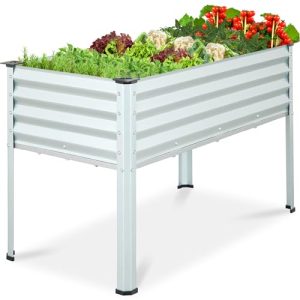
Good drainage prevents waterlogging in your vegetable garden. Sandy soil drains well but can dry out quickly. Adding organic matter like compost can help balance this. It improves soil structure and holds moisture better. Raised beds also improve drainage. They allow excess water to flow away from plant roots.
Enhancing Aeration
Aeration ensures roots get enough oxygen. Heavy clay soil often lacks aeration. Mixing in sand or perlite can help. These materials create spaces for air to move through. Regularly tilling the soil can also enhance aeration. It breaks up compacted soil, making it easier for roots to breathe.
Nutrient-rich Soil
Creating a thriving vegetable garden starts with nutrient-rich soil. Plants need essential nutrients to grow strong and healthy. The right soil gives them a good start and helps them flourish. Picking the best soil for your garden can make all the difference.
Essential Nutrients
Plants rely on three main nutrients: nitrogen, phosphorus, and potassium. Nitrogen helps with leaf growth and vibrant color. Phosphorus is key for root development and fruit production. Potassium strengthens plants and aids in disease resistance. Balanced soil keeps plants robust and productive.
Fertilizer Options
Organic fertilizers enrich the soil naturally. They release nutrients slowly and improve soil structure. Compost, manure, and bone meal are popular choices. Chemical fertilizers provide quick nutrient boosts. They are easy to use but require careful application. Choose the right fertilizer to suit your garden’s needs.
Buying Soil: What To Look For
Buying soil for your vegetable garden is a crucial step that can significantly impact your plants’ health and productivity. The right soil acts as the foundation, providing essential nutrients and a supportive environment for growth. But with so many options available, how do you determine the best one for your garden?
Quality Indicators
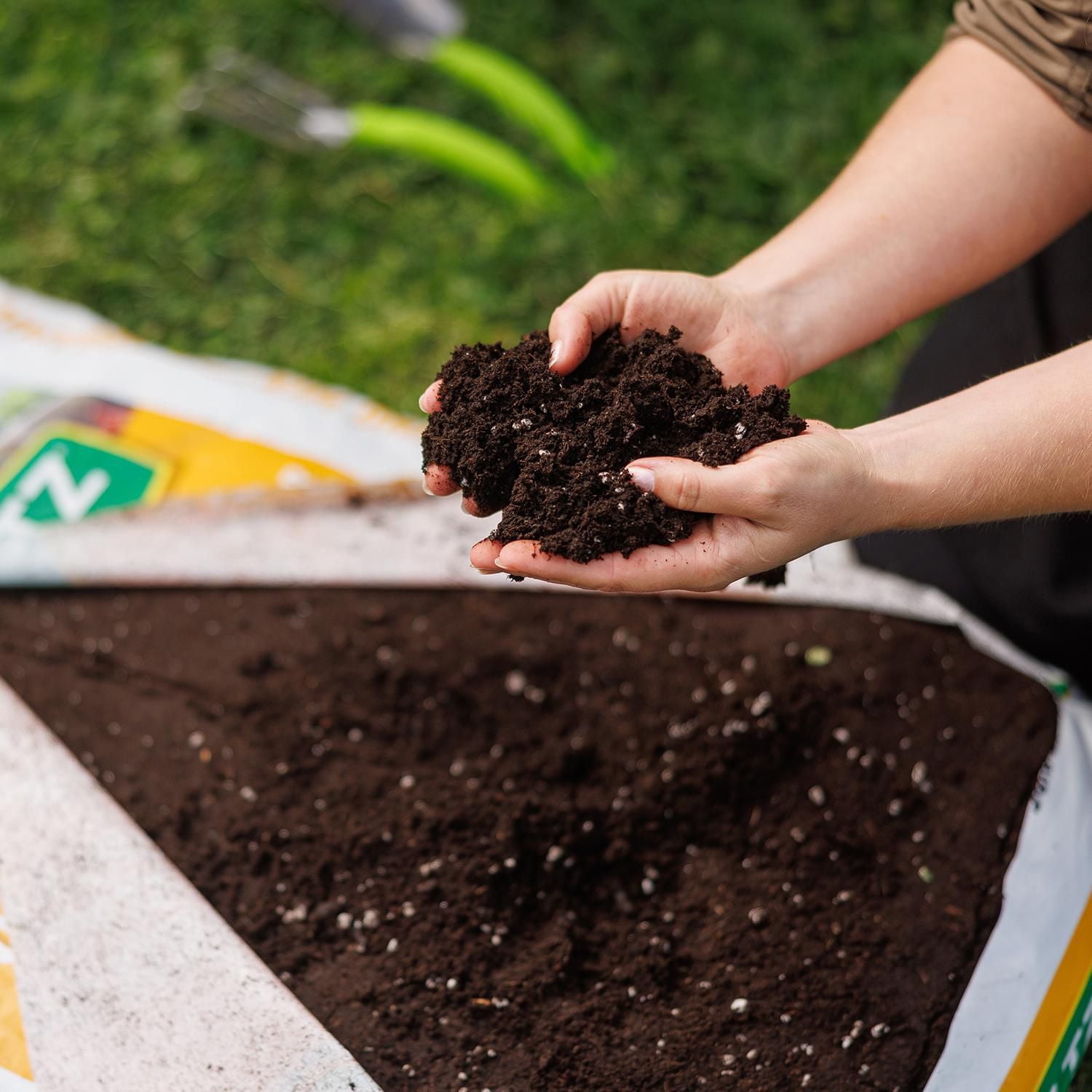
When evaluating soil quality, look for a rich, dark color, which often indicates high organic matter content. Good soil should have a crumbly texture, allowing for adequate drainage and root development. A pleasant earthy smell usually signifies healthy microbial activity, essential for breaking down nutrients.
Consider the pH level of the soil. Most vegetables thrive in slightly acidic to neutral pH levels (6.0 to 7.0). You can easily test this with a home kit available at gardening centers.
- Rich, dark color
- Crumbly texture
- Earthy smell
- Appropriate pH level
Reading Labels
Labels can be your best friend when selecting soil. Look for terms like “organic,” “all-purpose,” or “vegetable garden mix” to ensure suitability. If the label lists ingredients, check for compost, peat moss, and perlite or vermiculite, which enhance soil structure and fertility.
Be cautious of soils containing high levels of synthetic fertilizers, as they can harm young plants and soil life. Instead, opt for products with natural amendments, which provide a more balanced nutrient supply.
Remember, investing a little time in understanding what you’re buying can save you from headaches later. What specific features do you prioritize when selecting soil for your garden?
Common Mistakes To Avoid
Choosing the wrong soil can hinder vegetable growth. Avoid heavy clay or sandy soils that lack nutrients. Opt for well-draining, organic-rich soil to ensure healthy plant development.
When starting a vegetable garden, selecting the right soil is crucial. Many gardeners make common mistakes that affect plant growth. Understanding these errors can help create a thriving garden.Overwatering
Overwatering is a frequent mistake among gardeners. It can drown your plants and harm roots. Always check soil moisture before watering. Use a finger to test the soil an inch deep. If it’s still moist, wait before adding water. Proper drainage is essential. Ensure your soil allows excess water to escape. This helps maintain a healthy environment for roots.Ignoring Soil Structure
Soil structure impacts plant health. Dense soil restricts root growth. Loose, well-aerated soil supports healthy plants. Always check your soil’s texture. Sandy soil drains too fast, while clay soil holds too much water. Add organic matter to improve soil structure. Compost and peat moss enhance soil aeration and nutrient content. Regularly test and adjust your soil for the best results.Expert Tips For Optimal Growth
Choosing the right soil for your vegetable garden can be the key to nurturing healthy and productive plants. With expert tips, you can ensure that your garden flourishes, providing you with fresh produce season after season. Let’s delve into some essential considerations for optimal growth.
Seasonal Considerations
Each season brings unique challenges and opportunities for your vegetable garden. During spring, soils rich in organic matter help retain moisture as temperatures rise. You might find that compost or well-rotted manure can give your plants a head start.
In summer, consider sandy soils that drain well, preventing root rot in heavy rains. Autumn is ideal for clay soils that retain nutrients longer, preparing your garden for winter crops.
Have you ever noticed how some vegetables thrive in different soil types? Adjusting your soil composition with the seasons can enhance growth. What changes could you make in your garden to accommodate these seasonal shifts?
Crop-specific Needs
Different vegetables have specific soil requirements that can significantly impact their growth. Root vegetables like carrots and radishes prefer loose, sandy soil for easy growth. Leafy greens, such as lettuce and spinach, thrive in nutrient-rich, loamy soil.
If you’re growing tomatoes, they benefit from slightly acidic soil, enriched with compost. Beans, on the other hand, prefer soil that is well-draining yet retains moisture.
Reflecting on my own garden, adjusting soil types for specific crops transformed their yield. Have you considered how altering your soil to match specific crops could improve your harvest?
Credit: www.walmart.ca
Frequently Asked Questions
Should I Use Topsoil Or Potting Soil For Vegetable Garden?
Use potting soil for vegetable gardens. It provides better drainage, nutrients, and aeration compared to topsoil. Potting soil enhances root growth and prevents diseases, ensuring healthier plants. Topsoil is best for leveling ground but lacks essential nutrients for vegetables. Choose quality potting soil for optimal garden results.
Can I Use Regular Potting Soil For Vegetables?
Regular potting soil can be used for vegetables, but it’s better to choose soil with nutrients tailored for them. Ensure proper drainage and aeration for healthier growth. Using a mix specifically designed for vegetables will enhance yield and quality, supporting robust plant development.
What Is The Best Soil For Starting Vegetables?
The best soil for starting vegetables is well-draining, rich in organic matter, and slightly acidic. Use a mix of loamy soil, compost, and peat moss for optimal results. This combination ensures proper aeration, moisture retention, and nutrient availability for healthy vegetable growth.
Is Multi-purpose Compost Ok For Growing Vegetables?
Multi-purpose compost is suitable for growing vegetables. It provides essential nutrients and improves soil structure. Ensure it is well-drained and regularly refreshed. For best results, supplement with specific vegetable fertilizers as needed. Always check the compost’s pH level and adjust accordingly for optimal vegetable growth.
Conclusion
Selecting the right soil makes your vegetable garden flourish. Choose soil rich in nutrients. Ensure it drains well and retains moisture. Organic matter boosts plant health and growth. Test soil pH to match plant needs. Compost adds valuable nutrients. Avoid soil with chemicals or contaminants.
Local garden stores offer suitable options. Read labels carefully before buying. Your plants deserve the best care. Happy gardening brings fresh vegetables to your table. Enjoy the harvest from your well-prepared garden. Healthy soil means healthy vegetables. Start with quality soil for a thriving garden.