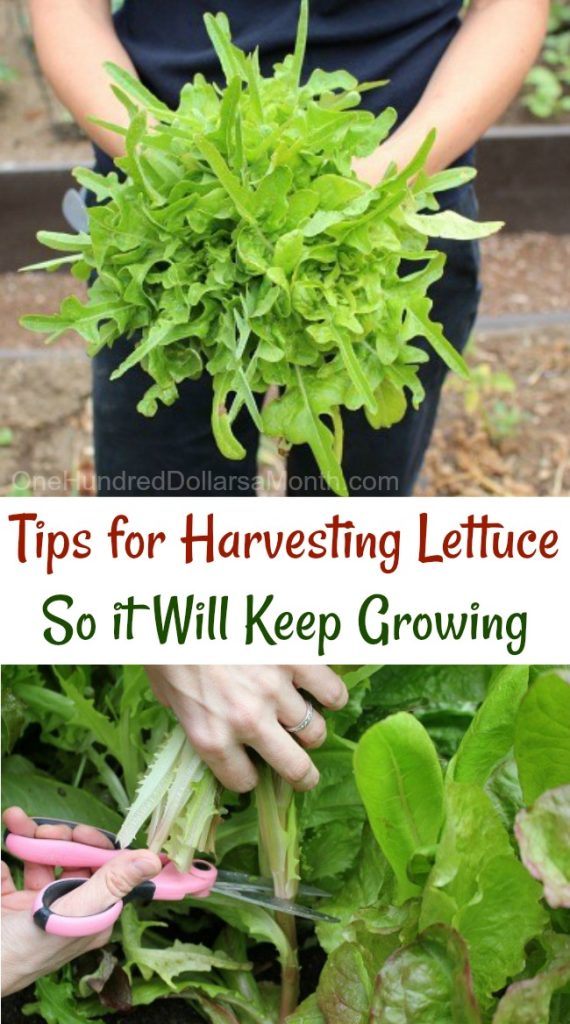
Imagine stepping into your garden, the sun gently warming your back as you reach out to pick the crisp, fresh lettuce you’ve nurtured from seed. You might wonder, what’s the best way to harvest these leafy greens to ensure you get the freshest taste while allowing the plant to keep growing?
You’re not alone. Many home gardeners face this question. In this guide, you’ll discover simple, effective techniques to pick lettuce without damaging the plant. These tips will help you enjoy your homegrown produce at its peak flavor and maintain a continuous harvest throughout the season.
Keep reading to unlock the secrets of perfect lettuce picking and elevate your gardening game.
Choosing The Right Time
When it comes to picking lettuce from your garden, timing is everything. Harvesting at the right moment ensures you enjoy the freshest, crispest leaves, bursting with flavor and nutrients. But how do you know when that perfect time is? Let’s dive into some practical tips to help you make the most of your garden bounty.
Seasonal Timing
Lettuce thrives in cool weather, typically planted in spring and fall. During these times, temperatures are mild, allowing lettuce to grow without bolting or wilting.
Springtime lettuce should be ready for harvest about 6-8 weeks after planting, while fall varieties might take a bit longer due to cooler temperatures.
Keep an eye on the weather forecast. If a heatwave is predicted, consider harvesting early to avoid bitter leaves.
Optimal Harvest Conditions
Early morning is the best time to pick lettuce, as the leaves are crisp and full of moisture before the sun warms them up. This is when lettuce is at its peak freshness.
Check the soil condition too. A slightly moist soil allows for easy harvesting without damaging the plant. Avoid harvesting after heavy rain, as wet leaves may rot quickly.
Consider the size and color of the leaves. Mature lettuce should be vibrant in color and firm to the touch. If the leaves start to yellow or look wilted, they may be past their prime.
What tips have you found work best for your garden? Share your experiences with fellow gardeners and learn from their insights.
Identifying The Perfect Leaf
When you’re growing lettuce in your garden, the key to a delicious salad starts with identifying the perfect leaf. Picking lettuce at the right time is essential for flavor and texture. But how do you know when your lettuce is just right for harvesting? Let’s explore the signs that indicate your lettuce is ready and how to avoid the disappointment of overripe leaves.
Signs Of Readiness
- Color and Texture:Look for vibrant green leaves with a crisp texture. A healthy leaf should feel firm to the touch, not limp or soggy.
- Size Matters:Your lettuce leaves should be large enough to be worth picking but not so large that they’re beginning to wilt or turn bitter. Aim for leaves that are about the size of your hand.
- Leaf Formation:Check the leaf formation. The outer leaves should be well-developed and the inner leaves starting to form a head, if you’re growing head lettuce varieties.
Imagine stepping into your garden, and you spot that perfect shade of green glistening in the sunlight. It’s an exhilarating feeling to know you’ve got it right!
Avoiding Overripe Leaves
- Bitter Taste:Older leaves can develop a bitter taste. If the outer leaves are overly dark or have a coarse texture, they may be past their prime.
- Bolting Signs:Watch out for bolting, where the lettuce starts to flower. This is a clear sign that the leaves will be tough and unpleasant to eat.
- Leaf Color Change:A yellowish tint or browning edges indicate overripe leaves. These are better left in the garden or compost bin rather than your salad bowl.
Have you ever picked a leaf only to find it was too late? It happens to the best of us, but learning these cues will help ensure your harvest is perfect every time.
Harvesting Techniques
Harvesting lettuce from your garden can be a rewarding task. With the right techniques, you can enjoy fresh and crisp greens. Knowing how to pick lettuce properly ensures a longer growing season. It also keeps your plants healthy and productive. Let’s explore some effective harvesting techniques.
Tools For Harvesting
Using the right tools makes harvesting easier and more efficient. A sharp knife or a pair of scissors works best. These tools allow for clean cuts, reducing damage to the plant. Always ensure your tools are clean to prevent disease spread. Keep them sharp for the best results.
Proper Cutting Methods
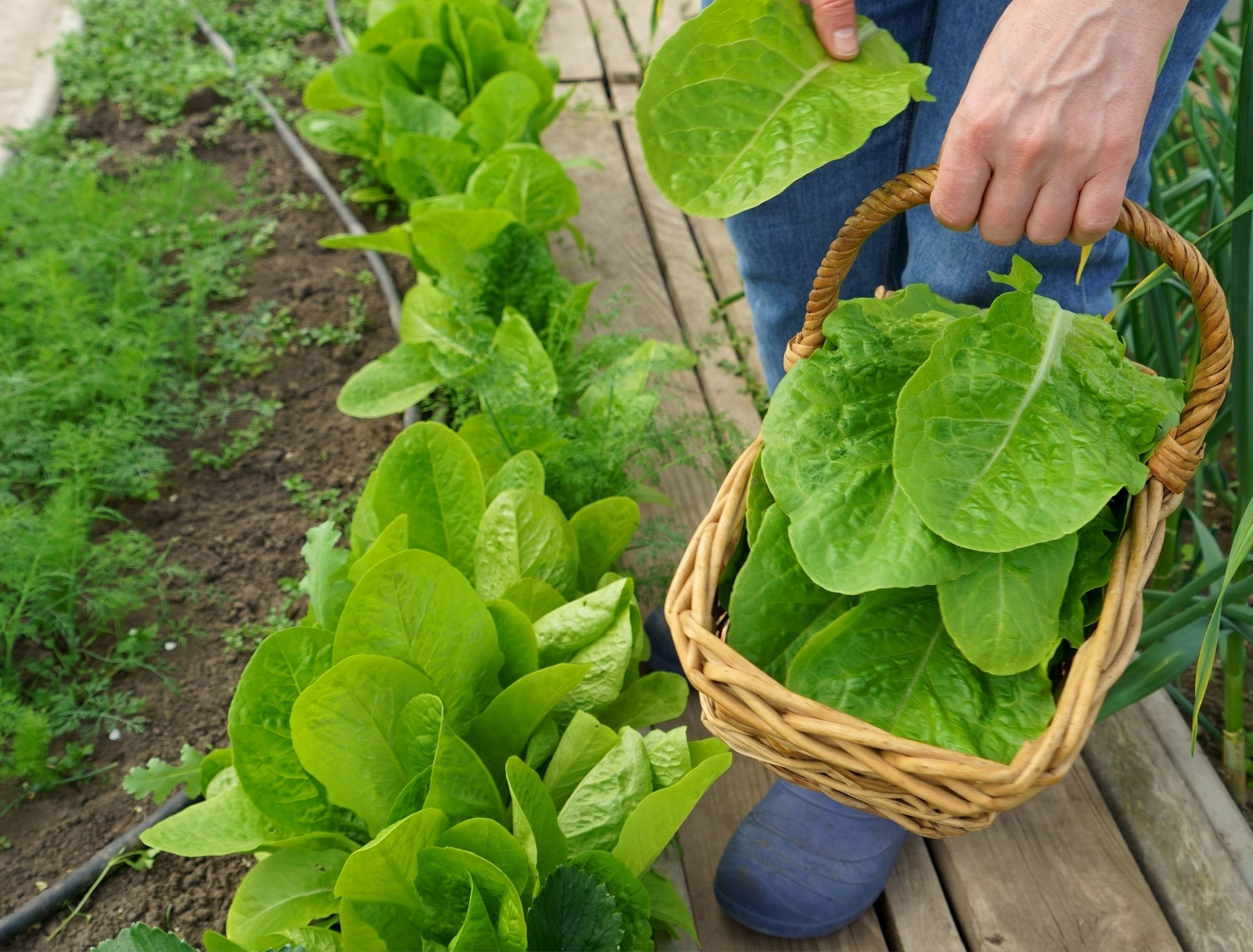
Knowing how to cut lettuce correctly is crucial. For leaf lettuce, cut the outer leaves first. This method encourages new growth in the center. Avoid cutting too close to the plant’s base. Leave about an inch of stem to promote regrowth.
For head lettuce, use a knife to cut the entire head. Cut just above the soil line. This method prevents damage to roots and promotes regrowth of smaller heads. Handle the lettuce gently to avoid bruising. Always harvest in the morning for crisp and fresh leaves.
Post-harvest Care
Harvesting lettuce from your garden is only the beginning. Proper post-harvest care ensures your lettuce stays fresh and tasty. This step is crucial for maintaining the quality of your greens. Let’s explore how to care for your lettuce after picking it.
Cleaning And Storing
Start by rinsing the lettuce leaves gently under cold water. Remove any dirt or bugs. Use your fingers to rub the leaves softly. Pat them dry with a clean towel or use a salad spinner. Moisture can lead to rot, so make sure they are dry. Store the cleaned lettuce in a plastic bag or airtight container. Place a paper towel inside to absorb excess moisture. Keep it in the crisper drawer of your refrigerator. This method helps maintain the crispness of the leaves.
Preserving Freshness
To keep lettuce fresh longer, avoid overcrowding in storage. Allow air circulation around the leaves. Check the lettuce regularly for any signs of spoilage. Remove damaged or wilted leaves promptly. If you notice limp leaves, soak them in cold water for a few minutes. This can help revive their crispness. Keep your refrigerator temperature consistent. Ideal storage temperature is around 32°F to 36°F. Freshness preservation is key to enjoying your garden’s bounty.
Common Mistakes
Harvesting lettuce from your garden is rewarding. But many make mistakes that harm plants. Knowing these mistakes helps preserve your garden’s health.
Avoiding Damage To Plants
Careless harvesting can hurt lettuce plants. Pulling leaves too hard breaks stems. Use scissors or a knife to cut leaves. Hold the plant steady while cutting. This keeps roots and stems safe. Avoid removing too many leaves at once. This stresses the plant and slows growth.
Recognizing Pest Damage
Pests can ruin your lettuce before you pick it. Holes in leaves signal insect damage. Check for slugs or snails under leaves. Aphids might cluster on stems. Early detection is key. Remove pests by hand or use natural remedies. This ensures healthy, tasty lettuce when you harvest.
Credit: www.backyardboss.net
Sustainability Practices
Pick lettuce in the morning for the freshest taste. Hold the base and gently twist to remove. Regular harvesting encourages more growth, ensuring a sustainable garden.
Sustainability Practices Growing lettuce in your garden is a rewarding experience. It provides fresh, homegrown produce. To ensure long-lasting benefits, sustainable practices are essential. These practices help the environment and improve garden health. Let’s explore some effective methods to maintain sustainability while harvesting lettuce.Encouraging Regrowth
Leave a few outer leaves on each lettuce plant. This method encourages regrowth. Cut the leaves above the base, about an inch high. This allows the plant to continue growing. You can harvest again in a few weeks. Avoid pulling the entire plant. This practice preserves the root system, promoting future harvests.Composting Leftovers
Composting is a great way to recycle lettuce scraps. Collect old leaves and trimmings after picking. Add them to your compost pile. These leftovers enrich the soil with nutrients. They help other plants thrive, reducing waste. Use a compost bin to keep your garden tidy. This method turns waste into valuable resources for your garden.Varieties Of Lettuce
Growing lettuce in your garden is a rewarding experience. Lettuce is a versatile leafy green, perfect for salads and sandwiches. Understanding the different varieties can enhance your gardening journey. Each type offers unique flavors and textures. Knowing the characteristics helps in choosing the best for your needs.
Best Types For Home Gardens
Some lettuce types thrive better in home gardens. Here are popular choices:
- Butterhead:Known for its soft, buttery leaves. It grows well in small spaces.
- Romaine:Offers crisp, sturdy leaves. Ideal for Caesar salads.
- Leaf Lettuce:Quick-growing and colorful. Perfect for immediate harvesting.
- Iceberg:Provides a refreshing crunch. Needs more space to grow.
Characteristics Of Different Varieties
Each lettuce variety has distinct features. Understanding these can guide your selection.
- Butterhead:Soft texture with a mild, sweet taste.
- Romaine:Tall, crisp leaves with a robust flavor.
- Leaf Lettuce:Loose leaves, available in green and red shades.
- Iceberg:Tight, round heads with a mild flavor.
Choose varieties that suit your climate and taste preferences. Experiment with different types for a varied harvest. Lettuce is a wonderful addition to any garden.

Credit: www.facebook.com

Credit: www.instagram.com
Frequently Asked Questions
How Do You Pick Lettuce To Keep It Growing?
To keep lettuce growing, pick outer leaves first, leaving the inner leaves intact. Cut at the base using scissors or a knife. Harvest regularly to encourage new growth. Avoid pulling out the entire plant. This method allows continuous harvesting throughout the growing season.
How To Pick Out A Good Lettuce?
Choose lettuce with crisp leaves and vibrant color. Avoid wilting, brown spots, or slimy texture. Check for firmness, and ensure the core is dry. Fresh lettuce should have a mild aroma. These tips help you select high-quality lettuce for salads or meals.
How Do You Know When Garden Lettuce Is Ready To Harvest?
Harvest garden lettuce when leaves reach 4-6 inches long. Check for vibrant color and firm texture. Pick outer leaves for continuous growth. Avoid harvesting during midday heat to maintain freshness.
Is It Better To Cut Or Pull Lettuce?
Cutting lettuce is better for the plant’s regrowth. Use scissors or a knife for clean cuts. Pulling can damage roots, hindering growth. Cutting promotes a sustainable harvesting method, ensuring fresh leaves. This technique is ideal for continuous harvesting in home gardens, maximizing yield without harming the plant’s health.
Conclusion
Enjoying homegrown lettuce is satisfying and healthy. Picking lettuce is easy when done right. Start by checking for firm leaves. Choose the mature ones for best taste. Use clean scissors to avoid damaging the plant. Remember, cutting leaves helps new growth.
Regular picking keeps the garden thriving. Share the freshness with family and friends. Your garden is a place of abundance. Keep nurturing it for endless greens. Happy harvesting!


