
Imagine stepping into your backyard and seeing a thriving garden filled with vibrant vegetables, fragrant herbs, and blooming flowers. It’s all possible with raised garden beds, and you can create this oasis yourself.
Building raised garden beds not only enhances your garden’s aesthetics but also boosts your plants’ growth by providing better drainage and soil quality. Are you ready to transform your outdoor space into a gardener’s paradise? In this guide, you’ll discover the simple steps to construct your own raised garden beds, even if you’ve never picked up a hammer before.
Get ready to unleash your green thumb and experience the joy of homegrown produce. Let’s dive in and make your gardening dreams come true!
Benefits Of Raised Garden Beds
Building raised garden beds offers many advantages for gardeners. They improve drainage and soil quality, allowing plants to thrive. The elevated design reduces strain, making gardening more accessible and enjoyable.
Raised garden beds offer many advantages for gardeners. They provide better control over soil quality, drainage, and pest management. Raised beds are versatile and can fit into any garden space. They also add aesthetic appeal to your garden layout.
Improved Soil Quality
Raised beds allow you to customize soil. You can mix the ideal blend for your plants. This leads to healthier plant growth and higher yields.
Better Drainage
Water drains more effectively in raised beds. This prevents root rot and other water-related issues. Plants thrive with well-drained soil.
Ease Of Access
Gardening becomes less strenuous with raised beds. They reduce the need to bend or kneel, making planting and harvesting easier.
Pest Control
Raised beds help manage pests more effectively. You can install barriers and manage soil conditions to deter unwanted insects.
Space Efficiency
Raised beds maximize limited garden space. You can design them to fit snugly into corners or small areas.
Enhanced Aesthetic Appeal
They add visual interest to your garden. You can choose materials and designs that complement your outdoor decor.
Choosing The Right Location
Selecting a sunny spot for your raised garden beds ensures plants get enough light. Avoid areas with large trees or structures that cast shade. Good drainage is key, so choose a location where water does not pool.
Choosing the right location for your raised garden beds can greatly impact your gardening success. Your plants need the right conditions to thrive, and the location you choose plays a significant role in providing those conditions. Consider these essential factors to ensure your garden flourishes.
Sunlight Exposure
Plants need sunlight to grow, and most vegetables and flowers require at least 6-8 hours of direct sunlight daily. Observe your yard throughout the day to identify areas that receive consistent sunlight. If you’re unsure, a simple sun calculator can help track sunlight exposure, ensuring you choose the best spot for your garden beds.
Accessibility
Think about the convenience of tending to your garden. Make sure your raised beds are easily accessible for planting, weeding, and harvesting. You don’t want to trek across your yard every time you need fresh herbs or veggies. Consider placing them near your kitchen or a frequently used path for easy access.
Water Source
Watering your garden should be convenient, not a chore. Ideally, your raised beds should be close to a reliable water source. Whether it’s a garden hose or a rain barrel, having water nearby saves time and effort. This proximity can be the difference between a thriving garden and a neglected one. By carefully considering these factors, you’re setting the stage for a productive and enjoyable gardening experience. Have you ever underestimated the importance of location in your gardening endeavors? Share your experiences and insights in the comments below!
Selecting Materials
Choosing suitable materials is key to building raised garden beds. Opt for rot-resistant woods like cedar or redwood. For a budget-friendly option, untreated pine can also work well.
Selecting materials for raised garden beds is a crucial step. The right choice enhances durability and aesthetics. Explore various options to find what suits your garden best. Consider factors like cost, appearance, and sustainability.
Wood Options
Wood is a popular choice for raised beds. It’s natural and blends well with gardens. Cedar and redwood are long-lasting due to their natural oils. They resist rot, making them ideal. Pine is affordable but needs treatment to last longer. Use untreated wood for organic gardens. Treated wood can leach chemicals into the soil.
Metal And Stone Choices
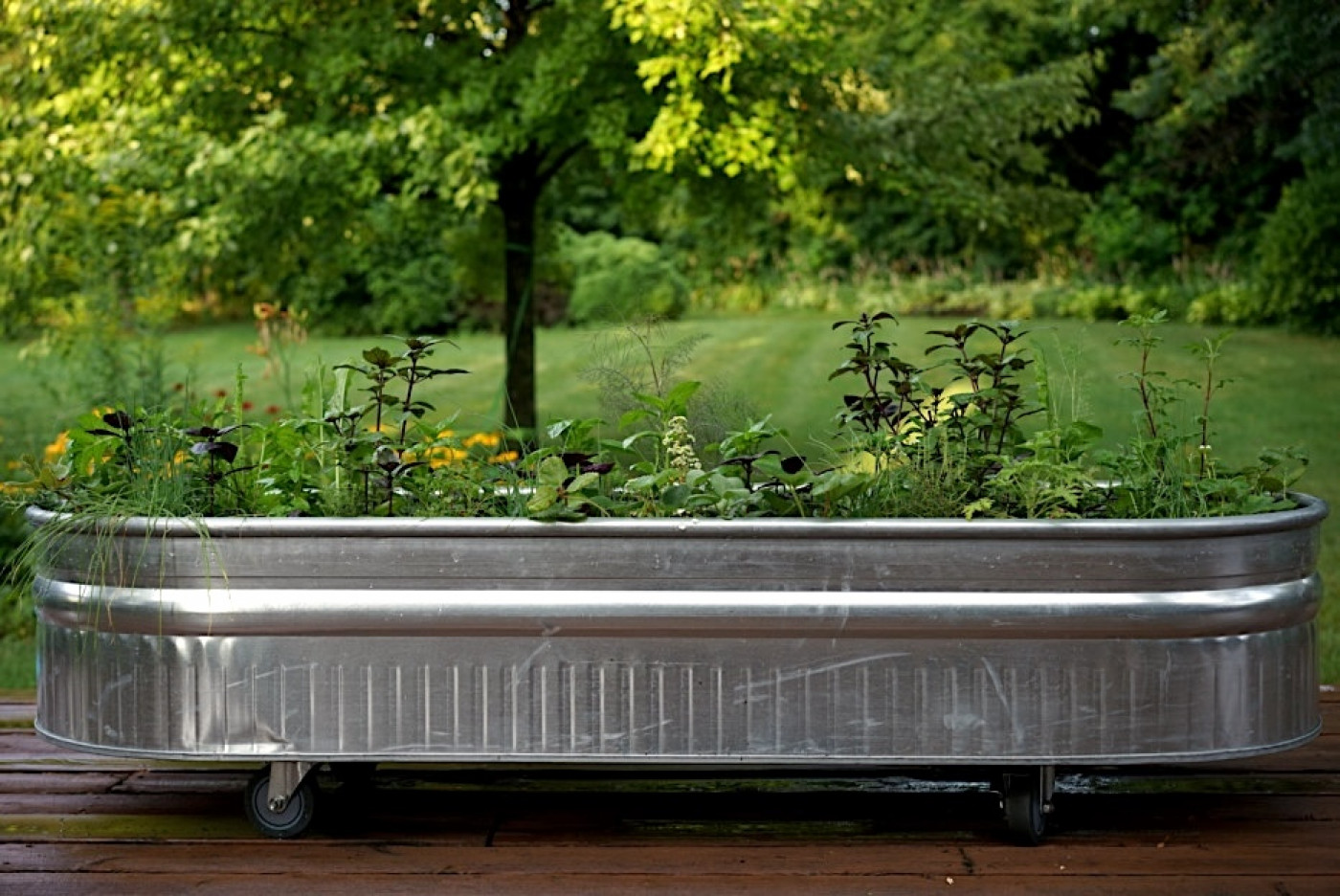
Metal provides a modern look and lasts long. Galvanized steel resists rust, perfect for harsh weather. Stone offers a rustic feel, blending with the landscape. Use bricks, concrete blocks, or natural stones. They’re sturdy but require more effort to assemble. Metal and stone are fire-resistant, great for hot climates.
Recycled Materials
Recycled materials are eco-friendly and budget-friendly. Use old pallets, which are easy to find. Ensure they’re untreated to avoid chemicals. Repurpose corrugated metal sheets for a unique style. Broken concrete pieces can form walls for raised beds. Reusing materials reduces waste and adds character to your garden.
Designing Your Garden Bed
Building raised garden beds enhances plant growth and eases maintenance. Use quality materials like wood or stone. Ensure proper drainage and soil depth for healthy plants.
Designing your garden bed is a vital step in building raised garden beds. It’s not just about the functionality, but also about creating a space that brings joy and enhances your outdoor area. A well-thought-out design can transform your garden into a stunning oasis that complements the beauty of your home.
Shape And Size Considerations
When choosing the shape and size of your garden bed, think about the available space and what you plan to grow. A rectangular bed is a classic choice and fits well in most gardens, but don’t shy away from experimenting with L-shaped or circular designs if your space allows. Consider the accessibility of your garden bed. Can you easily reach the center for planting and harvesting? A width of about four feet is ideal for most people, allowing easy access from all sides without stepping into the bed and compacting the soil.
Aesthetic Design Tips
The aesthetic appeal of your garden bed can make a significant difference in how you feel about your outdoor space. Choose materials that match your home’s exterior or garden theme. Cedar wood, for instance, offers a rustic charm and is naturally resistant to rot. Incorporate decorative elements like trellises or decorative edging to add height and interest. You might also consider painting the wood in a color that pops against your garden’s greenery. What mood are you aiming to create in your garden? A serene, natural look might rely on neutral tones, while a vibrant and lively garden could feature bold colors and eclectic materials.
Building The Structure
Begin by selecting durable materials like cedar or redwood for longevity. Ensure the location receives ample sunlight. Assemble the structure using sturdy screws to secure the corners tightly.
Building the structure of your raised garden bed is the exciting part where your vision starts taking shape. It’s about transforming those raw materials into a sturdy foundation that will nurture your plants for years. This process is not only rewarding but surprisingly simple once you have the right tools and steps in place.
Tools Required
Before you dive into construction, gather the essential tools. This step ensures a smooth process without unnecessary interruptions. Here’s what you’ll need: – Measuring tape: Accuracy is key for a balanced structure. – Drill or screwdriver: Essential for securing the components together. – Saw: A hand saw or power saw will help cut the wood to size. – Level: Ensures your bed is even and balanced. – Square: Helps maintain right angles when joining corners. – Hammer: Useful for any manual adjustments. – Work gloves: Protects your hands from splinters and blisters.
Step-by-step Construction
Start by selecting a flat area that receives ample sunlight. Once you’ve chosen the perfect spot, proceed with the construction: 1. Measure and Cut: Using the measuring tape, mark the lengths on your wood. Cut the pieces according to your desired dimensions. A standard size is 4×8 feet, which is manageable for most gardeners. 2. Assemble the Frame: Lay out the cut pieces in a rectangle or square. Use your square tool to ensure the corners are right angles. Secure the corners with screws or nails using the drill or screwdriver. 3. Check for Level: Place the level on the frame to check that it’s even. Adjust by adding soil or small rocks underneath until the frame is level. A stable foundation supports even plant growth. 4. Install Support Braces: For larger beds, add support braces in the middle of longer sides. This prevents the wood from bowing out over time due to soil pressure. 5. Line the Bed (Optional): Some gardeners prefer to line the inside with landscape fabric. This can prevent weeds and improve drainage. 6. Fill with Soil: Once the structure is complete, fill it with a nutrient-rich soil mix. Consider mixing compost or peat moss for added fertility. Isn’t it satisfying to see your project come to life? By following these steps, you’re not just building a structure; you’re creating a thriving ecosystem right in your backyard. What plants are you excited to grow in your new raised garden bed?
Filling The Bed With Soil
Filling the bed with soil ensures good drainage and nutrient-rich growth. Use quality soil mixed with compost. This combination supports healthy plants and easy maintenance.
Filling your raised garden bed with the right soil is crucial for the success of your plants. It’s not just about dumping soil in the box; it’s about creating an environment where roots can thrive, nutrients are plentiful, and moisture is balanced. The soil is the lifeblood of your garden, and investing time in getting this right can make all the difference. Let’s dive into what makes the perfect soil composition and the best layering techniques to ensure your plants flourish.
Soil Composition
The ideal soil composition for raised garden beds includes a mix that provides both nutrition and structure. Aim for a blend of topsoil, compost, and organic matter. – Topsoil: This forms the bulk and provides a solid base. Quality topsoil should be free of debris and rich in minerals. – Compost: Compost adds vital nutrients and helps improve soil aeration and drainage. Consider using homemade compost for a cost-effective solution. – Organic Matter: Incorporate materials like peat moss or aged manure to boost moisture retention and promote healthy microbial activity. This combination ensures your plants get the nutrients they need while maintaining good drainage and aeration.
Layering Techniques
Layering your soil correctly can enhance its efficiency and productivity. Think of it as building a foundation for your plants to thrive. – Base Layer: Start with a layer of coarse material like gravel or small rocks for drainage. This prevents waterlogging, especially during heavy rains. – Middle Layer: Add your mix of topsoil and compost. This is where the roots will primarily grow, so ensure it’s nutrient-rich and well-structured. – Top Layer: Finish with a layer of fine mulch or straw. This helps retain moisture and suppress weeds, keeping your garden bed healthy and tidy. By layering your soil, you create a balanced ecosystem where each layer plays a role in supporting plant growth. How do you know if you’ve got the right mix? Your plants will tell you. Watch their growth patterns, color, and overall health. Adjust your soil composition and layering techniques based on these observations to ensure you create the best environment for your garden.
Planting Your Garden
Planting your garden in raised beds is a rewarding experience that combines creativity with practicality. You’ve built the structure, filled it with nutrient-rich soil, and now it’s time for the fun part—choosing and planting your plants. This step is crucial as it determines the success of your garden, whether you’re growing vegetables, herbs, or flowers. Each plant requires different care, so it’s important to consider various factors to ensure your garden thrives.
Choosing Plants
Picking the right plants for your raised garden beds involves considering your climate, soil type, and the amount of sunlight your garden receives. It’s tempting to choose plants based on their appearance, but remember, some plants may not be suitable for your environment. For instance, tomatoes thrive in sunny spots, while leafy greens prefer partial shade.
Think about what you enjoy eating or the colors you love seeing in your garden. If you love fresh salads, opt for a mix of lettuce varieties. If colorful blooms are your thing, marigolds and zinnias can add vibrant splashes. Take into account the growth habits of plants; sprawling vegetables like pumpkins need space, while compact plants like basil can fit snugly.
Seasonal Planting Tips
Understanding the seasons is key to a successful garden. Different plants flourish in different times of the year. Spring is ideal for planting cool-season crops such as peas and radishes, while summer is perfect for heat-loving veggies like peppers and squash.
Consider staggering your planting to ensure a continuous harvest throughout the growing season. This involves planting new seeds every few weeks. Keep an eye on local weather forecasts; unexpected frost can damage young plants, so be prepared to protect them.
Do you know the average frost date in your area? This date marks the last frost of spring and the first frost of fall. Knowing these dates can help you plan your planting schedule effectively and avoid surprises.
Raised garden beds offer flexibility in plant choices and timing. With thoughtful planning, you can transform your garden into a thriving oasis that suits your taste and lifestyle. Dive in, get your hands dirty, and watch your garden come to life!

Credit: www.youtube.com
Maintenance And Care
Regularly check for weeds and pests. Water consistently to maintain soil moisture. Inspect wood for rot and repair as needed.
Maintaining a raised garden bed ensures healthy plants and bountiful harvests. Regular care keeps your garden thriving throughout the seasons. Proper watering, weed control, and pest management are crucial. Let’s explore these essential maintenance tasks.
Watering Guidelines
Consistent watering is vital for a raised garden bed. The soil dries out faster than in-ground gardens. Water early in the morning or late in the afternoon. This prevents evaporation and ensures plants absorb moisture. Use a soaker hose or drip irrigation for efficient watering. Aim for moist soil but avoid overwatering. Check soil moisture regularly by sticking a finger into the soil. If it feels dry, it’s time to water.
Weed And Pest Control
Weeds compete with your plants for nutrients. Regularly inspect your garden bed and remove weeds by hand. Mulching helps suppress weeds and retain soil moisture. Apply a layer of organic mulch around your plants. Pests can damage your garden quickly. Monitor plants for signs of pests like holes or discoloration. Use natural remedies such as neem oil or insecticidal soap. Encourage beneficial insects like ladybugs to control pests naturally. Keep your garden clean and free from debris to reduce pest habitats.
Maximizing Yield
Building raised garden beds enhances soil quality and improves drainage, leading to higher crop yields. By using quality materials and proper spacing, plants thrive and resist pests better. Elevated beds also make gardening more accessible and manageable.
Maximizing yield in raised garden beds can transform your gardening experience. It involves using smart strategies to grow more food in less space. By focusing on methods like companion planting and crop rotation, you can boost plant health and productivity.
Companion Planting
Companion planting involves growing plants together for mutual benefit. Certain plants help each other by repelling pests or enhancing growth. For example, basil can repel insects from tomatoes. Marigolds deter nematodes that harm many vegetables. By choosing the right companions, you create a healthy ecosystem. This can lead to stronger plants and higher yields.
Crop Rotation Strategies
Crop rotation helps maintain soil health and prevent disease. By changing plant locations each season, you avoid soil nutrient depletion. This simple strategy reduces the risk of pest build-up. For instance, follow a leafy green crop with a root vegetable. This alternates nutrient needs and supports soil balance. Regularly rotating crops keeps your garden productive year after year.
Credit: www.gardenary.com

Credit: www.youtube.com
Frequently Asked Questions
What Do You Put In The Bottom Of A Raised Bed Garden?
Place cardboard or newspaper at the bottom. Add organic matter like straw or grass clippings. Include compost or aged manure for nutrients. Use topsoil to fill the rest of the bed. Ensure proper drainage by mixing with perlite or vermiculite.
This creates a healthy environment for your plants.
What Vegetables Should Not Be Grown In A Raised Bed?
Large root vegetables like potatoes and carrots struggle in raised beds due to limited depth. Corn requires extensive space and may not thrive. Squash and pumpkins need sprawling room, often overcrowding raised beds. Consider growing them in traditional garden plots for better results.
What Kind Of Wood Should Be Used For Raised Beds?
Cedar and redwood are ideal for raised beds due to their natural resistance to rot and insects. Untreated pine is a budget-friendly option but may not last as long. Avoid treated wood to prevent chemical leaching. Always ensure wood is safe for vegetable gardening.
How Deep Should An Elevated Raised Garden Bed Be?
Elevated raised garden beds should be 12 to 18 inches deep. This depth ensures proper root growth and nutrient absorption. Choose deeper beds for root vegetables like carrots. Adjust depth based on plant type and soil requirements. Ensure drainage and aeration for healthy plants.
Conclusion
Raised garden beds are a great way to start gardening. They offer control over soil quality and drainage. Building them is easy with basic tools and materials. Customize size and shape to fit your space. Enjoy growing vegetables, herbs, or flowers.
Raised beds reduce back strain and improve plant health. Begin with a simple design and expand as needed. Gardening becomes more enjoyable and productive. With these beds, anyone can create a thriving garden. Start small and watch your garden grow.
Happy gardening!


