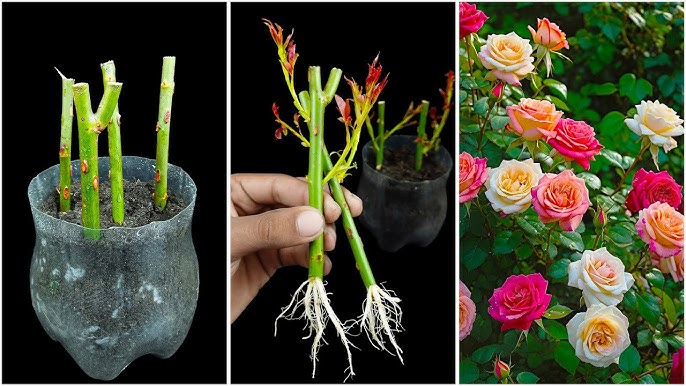
Imagine stepping into your garden and being greeted by the enchanting scent of roses in full bloom. It’s a scene that can be yours, and it’s easier to achieve than you might think.
Roses, with their timeless elegance and captivating aroma, are a stunning addition to any garden. But where do you start? How do you ensure these beauties thrive in your garden? That’s exactly what you’ll discover in this guide. You’ll learn the secrets to planting roses successfully, from choosing the right spot to nurturing them with care.
Whether you’re a seasoned gardener or just starting out, this article is packed with insights that will transform your garden into a vibrant oasis. Dive in and unlock the potential of your outdoor space with roses that are sure to impress.
Choosing The Right Rose Variety
Selecting the right rose variety is crucial for successful garden planting. Consider your climate and garden space. Choose roses that thrive in your region for vibrant blooms and healthy growth.
Choosing the right rose variety is crucial for a beautiful garden. Roses come in many shapes, sizes, and colors. Picking the right one can be overwhelming. Consider your garden’s climate and soil conditions. Some roses thrive in sunny areas, while others prefer shade. This section will guide you in selecting the perfect rose variety.Understanding Rose Types
Roses are generally classified into several categories. Hybrid teas, floribundas, and grandifloras are popular choices. Hybrid teas have large blooms. Floribundas offer clusters of flowers. Grandifloras combine features of the other two types.Consider Climate And Growing Conditions
Climate plays a key role in rose selection. Some varieties are more tolerant to heat or cold. Check the hardiness zone for your area. Choose a rose that matches your zone for best results.Evaluate Space And Size Requirements
Space is another factor in choosing roses. Some grow tall and need more room. Others are compact and fit small gardens. Measure your garden area before buying.Color And Fragrance Preferences
Roses offer a spectrum of colors and scents. Decide what fits your garden theme. Do you want strong fragrance or subtle scent? Make your choice based on personal preference.Research Disease Resistance
Disease resistance is important for healthy roses. Some varieties are prone to pests and diseases. Look for roses that resist common issues like black spot or mildew. Healthy roses mean less maintenance.Seek Expert Advice
Consult local nurseries or gardening experts. They can offer insights on which roses thrive locally. Their knowledge can help you make informed choices.Selecting The Perfect Location
Selecting the Perfect Location Choose a sunny spot with well-drained soil for planting roses. Ensure the area receives at least six hours of sunlight daily. Avoid shaded or waterlogged areas to promote healthy growth and vibrant blooms.
Selecting the perfect location for planting roses is crucial. Roses flourish when placed in the right spot. This choice influences their growth and blooming. Consider sunlight and soil conditions carefully. These factors ensure healthy roses with vibrant blooms.Sunlight Requirements
Roses need ample sunlight to thrive. Choose a location with at least six hours of sunlight daily. Morning sun is ideal for drying dew and reducing disease. Avoid shaded areas. They hinder growth and reduce bloom potential.Soil Conditions
Healthy soil is key for rose growth. Opt for well-drained soil to prevent root rot. Ensure the soil is rich in organic matter. This supports nutrient uptake and enhances plant health. Check soil pH. Roses prefer a pH between 6.0 and 6.8. Adjust the soil if necessary for optimal growth.Preparing The Soil
Planting roses is a rewarding experience, but achieving those beautiful blooms starts with preparing the soil. The right foundation ensures your rose bushes flourish and produce vibrant flowers. Before you dig in, focus on creating the ideal environment for your roses to thrive.
Testing Soil Ph
Understanding the pH level of your soil is crucial. Roses prefer slightly acidic soil, with a pH between 6.0 and 6.8. You can purchase a soil testing kit from a garden center or utilize a digital meter for quick results.
If your soil is too alkaline, consider adding sulfur or peat moss to lower the pH. On the other hand, lime can be used to raise the pH if it’s too acidic. Regular testing helps maintain optimal conditions for your rose plants.
Amending The Soil
Once you know your soil’s pH, it’s time to enrich it. Roses thrive in nutrient-rich soil, so adding organic matter is beneficial. Use compost or well-rotted manure to boost soil fertility, ensuring a good balance of nutrients.
Mix these amendments thoroughly into the top 12 inches of soil. This depth allows the rose roots to access nutrients and water efficiently. Improving soil drainage is also important, as roses dislike waterlogged conditions.
Consider this: have you ever noticed how healthy plants seem to spring from well-cared-for soil? Your attention to soil preparation can make all the difference in nurturing robust rose bushes.

Credit: www.epicgardening.com
Planting Roses
Choose a sunny spot with well-draining soil for planting roses. Dig a hole deep enough to cover the roots. Gently place the rose bush, filling the hole with soil and water thoroughly.
Planting Roses Planting roses in your garden can be a rewarding endeavor. The beauty and fragrance of roses offer unmatched satisfaction. To ensure your roses thrive, it’s essential to plant them correctly.Digging The Hole
Begin by selecting a sunny location with well-drained soil. The hole you dig should be twice as wide as the root ball of your rose bush. This provides ample space for roots to spread and grow. The depth of the hole is equally important. It should be deep enough so that the graft union (the bulge where the rose is grafted onto the rootstock) is just at soil level or slightly below. Have you ever considered the soil you’re removing? Save it to backfill the hole after planting. Mixing it with compost can give your rose a nutrient boost.Positioning The Rose Bush
Positioning the rose bush correctly is crucial for its growth. Place the rose bush in the center of the hole, ensuring the roots are spread out evenly. Hold the rose bush upright and begin backfilling with the soil-compost mix. Gently firm the soil around the roots as you go to eliminate air pockets. Water the newly planted rose thoroughly to settle the soil. Did you know this helps the plant establish itself in its new home? It’s like giving it a warm welcome. Finally, add a layer of mulch around the base of the rose. This helps retain moisture and suppress weeds, giving your rose the best start. Are you excited to see those first blooms? With the right planting technique, your roses will flourish in no time.Watering Techniques
Ensure roses receive consistent watering, allowing soil to remain moist but not waterlogged. Water early in the morning or late afternoon to prevent evaporation. Focus on the base of the plant to minimize fungal diseases on the leaves.
Watering roses is an essential part of nurturing their beauty in your garden. Proper watering techniques can make all the difference between a flourishing rose and a struggling one. It’s not just about pouring water; it’s about knowing when and how much to water. Let’s dive into the specifics that will help your roses thrive.Initial Watering
When you first plant your rose, it needs a generous drink to help settle the soil around the roots. After planting, give your rose a thorough soaking. This initial watering helps to eliminate air pockets and ensures the roots have direct contact with the soil. You might have heard the advice to water deeply but infrequently. This is especially true for roses. A deep watering encourages the roots to grow deeper into the soil, which is crucial for the plant’s stability and nutrient absorption.Regular Watering Schedule
Once your roses are settled, maintaining a regular watering schedule is key. Roses usually require about an inch of water per week, but this can vary depending on your climate and soil type. Consider using a drip irrigation system. It delivers water directly to the root zone, minimizing evaporation and fungal diseases caused by water splashing on the leaves. Here’s a thought: have you ever checked the soil moisture before watering? Simply sticking your finger into the soil can tell you a lot. If it feels dry, it’s time to water; if it’s moist, you can hold off. This simple check can prevent overwatering, which is a common mistake. Embrace the beauty of your garden by mastering these watering techniques. Your roses will thank you with a stunning display of blooms. What watering challenges have you faced with your garden? Share your experiences and let’s grow together!Pruning And Maintenance
Pruning and Maintenance Regularly trim rose bushes to remove dead or diseased branches. This encourages healthier growth and more blooms. Consistent maintenance, like watering and mulching, keeps roses thriving in your garden.
Planting roses brings beauty to any garden, but maintaining them is crucial. Pruning and maintenance keep your roses healthy and blooming. These tasks improve air circulation and shape the plant. Regular care ensures fewer pests and diseases.Pruning Methods
Prune roses in early spring before new growth. Use sharp, clean shears for precise cuts. Remove dead and damaged wood first. Cut back canes to an outward-facing bud. This encourages open growth and prevents overcrowding. Trim back one-third of the plant’s height. This encourages robust blooms. Remove any suckers from the base. They take energy from the main plant.Dealing With Pests And Diseases
Check your roses weekly for pests. Aphids and spider mites are common threats. Use insecticidal soap to control them. Remove heavily infested leaves. Keep the area around roses clean. Fallen leaves can harbor diseases. Powdery mildew and black spot are common issues. Apply fungicide at first signs of disease. Ensure good air circulation around plants. This reduces disease spread. Keep your roses well-watered. Stress makes them more susceptible to pests and diseases.Fertilizing Roses
Plant roses with care to ensure healthy growth in your garden. Choose a sunny spot with well-drained soil. Fertilize regularly, especially during the growing season, to boost bloom production and maintain vibrant foliage.
Fertilizing roses is crucial for vibrant blooms and healthy growth. Roses are heavy feeders and require nutrients to thrive. Proper fertilization ensures they get essential nutrients. This process enhances their beauty and resilience.Choosing The Right Fertilizer
Select a balanced fertilizer with equal parts nitrogen, phosphorus, and potassium. These elements support growth, root development, and flowering. Organic fertilizers, like compost or manure, enrich soil structure. They also provide slow-release nutrients. Granular fertilizers are easy to apply and release nutrients slowly. Liquid fertilizers provide quick nutrients and are ideal for immediate needs. Check the package for recommended ratios and instructions.Application Timing
Timing is key for effective fertilization. Apply the first dose in early spring when new growth appears. Fertilize again after the first bloom cycle. This supports continuous flowering. Avoid fertilizing in late fall to prevent new growth. New growth can suffer from frost damage. Apply fertilizer in the morning or evening. This avoids midday heat that can harm plants. Water the roses after fertilizing to help nutrients reach roots. Proper timing ensures roses get the right nutrients at the right time.
Credit: www.youtube.com
Seasonal Care
Seasonal care is vital for healthy rose growth. Different seasons bring unique challenges and opportunities for your rose garden. Proper care ensures your roses thrive year-round, offering beautiful blooms.
Winter Protection
Winter can be harsh for roses. Start by adding mulch around the base of each plant. This keeps roots insulated against freezing temperatures. Use 4-6 inches of straw or shredded leaves. Cover the base, but avoid touching the stems. For extra protection, use burlap or rose cones. Wrap them around taller plants to shield against cold winds. Check for broken branches. Remove them to prevent disease.
Spring Growth Boost
Spring brings new growth opportunities. Begin by pruning your roses. Remove dead wood and shape the plant for better airflow. This encourages healthy new shoots. Apply a balanced fertilizer. Choose one with equal parts nitrogen, phosphorus, and potassium. This promotes strong roots and vibrant blooms. Water your roses deeply once a week. This encourages deep root growth, essential for healthy plants. Watch for pests and treat immediately. Aphids and beetles are common in spring.

Credit: www.learningwithexperts.com
Frequently Asked Questions
What Is The Best Month To Plant A Rose Bush?
The best month to plant a rose bush is early spring. Choose March or April for optimal growth. Planting during this time ensures the rose bush establishes roots before summer heat. Ensure well-draining soil and a sunny location for healthy blooms.
What Is The Correct Way To Plant A Rose Bush?
Dig a hole twice as wide and as deep as the root ball. Place the rose bush in the hole. Ensure the graft union is level with the soil surface. Fill the hole with soil and water thoroughly. Apply mulch around the base to retain moisture and suppress weeds.
How To Plan A Rose Garden Layout?
Begin by selecting a sunny location with well-drained soil. Arrange roses in groups by color or type. Ensure adequate spacing for air circulation. Incorporate paths for easy access and maintenance. Add companion plants for visual interest and pest control.
What Should You Not Plant Next To Roses?
Avoid planting roses near garlic, onions, or other alliums, as they can stunt rose growth. Keep roses away from aggressive ground covers like ivy or mint. Steer clear of walnut trees, which release juglone, harming roses. Maintain distance from large shrubs or trees that might compete for nutrients and water.
Conclusion
Planting roses in your garden can be a rewarding experience. Follow the steps carefully to ensure healthy blooms. Start with choosing the right spot for your roses. Prepare the soil well, ensuring it drains properly. Plant with care, giving each rose enough space.
Water regularly and feed them with nutrients. Watch out for pests and diseases. Prune roses to encourage growth and blooms. With patience, your garden will flourish with beautiful roses. Enjoy the vibrant colors and sweet scents. Gardening takes time, but the results are worth it.
Your garden will soon be a paradise of roses.