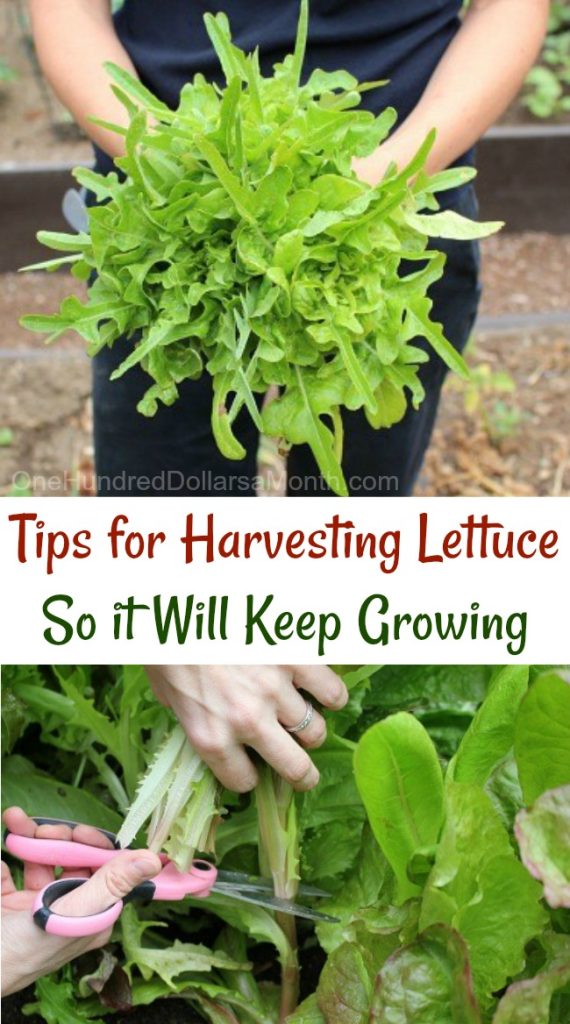
Imagine stepping into your garden, the crisp morning air filling your lungs as you prepare to harvest fresh lettuce. There’s something incredibly satisfying about picking your own produce, knowing it’s untouched by chemicals and bursting with nutrients.
But to enjoy that perfect salad, you need to know how to cut lettuce in your garden the right way. Don’t worry; it’s simpler than you think, and we’re here to guide you through it. This article will show you the best techniques to ensure your lettuce keeps growing back, providing you with fresh greens all season long.
Get ready to transform your gardening experience and elevate your salads with these expert tips. Dive in and discover how a few simple steps can make a world of difference.
Choosing The Right Tools
Cutting lettuce in your garden requires the right tools. Using proper tools ensures a clean cut and helps the plant grow again. The key is to choose tools that are efficient and easy to handle. Let’s dive into the best tools for the job.
Essential Garden Scissors
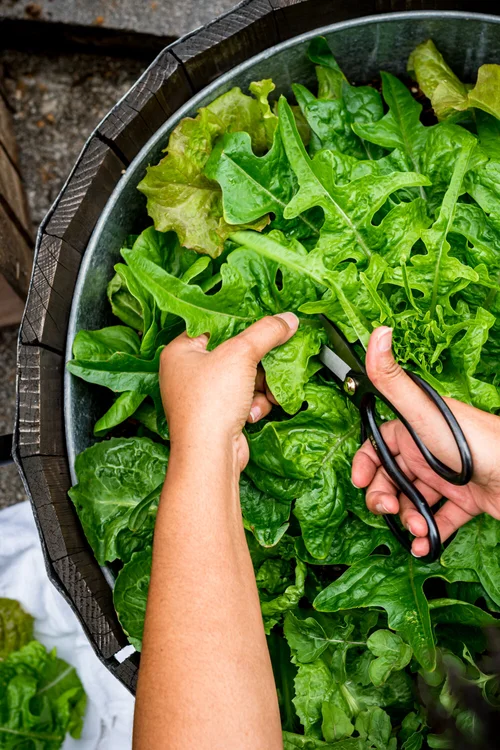
Garden scissors are versatile and easy to use. They provide precision and control for cutting lettuce. Their sharp blades make cutting smooth and clean. This prevents damage to the plant, allowing for quicker regrowth. Ensure your scissors are lightweight for easy handling. Stainless steel blades resist rust and stay sharp longer. These factors make garden scissors ideal for lettuce harvesting.
Using A Harvesting Knife
A harvesting knife is another excellent choice. It has a curved blade designed for slicing through lettuce stems. This tool offers a quick and clean cut. Its ergonomic handle reduces hand strain during use. The knife’s sharp edge minimizes crushing the lettuce, keeping it fresh. Opt for a knife with a non-slip grip for safety. A harvesting knife is a great tool for cutting lettuce efficiently.

Credit: www.facebook.com
Identifying The Right Time
Harvest lettuce when leaves are full-sized and vibrant. Morning is ideal to keep leaves crisp and fresh. Use clean tools to prevent plant damage and encourage regrowth.
Identifying the right time to cut lettuce from your garden can make all the difference between a crisp, delicious harvest and a bitter disappointment. Timing is everything when it comes to gardening, and lettuce is no exception. The right moment for harvesting ensures the best flavor and texture, and it all starts with knowing when your lettuce is ready.
Signs Of Maturity
Your lettuce will show several signs when it’s ready to be cut. Look for firm, full heads or leaves that have reached their mature size. Depending on the variety, this could be anywhere from 6 to 12 inches across. Check the color; mature leaves typically have a vibrant green hue. If the leaves start turning yellow or brown, they’re past their prime. Feel the texture. Mature lettuce should be crisp to the touch, not limp or wilted. Trust your senses—your eyes, touch, and taste can guide you to the perfect harvest.
Best Time Of Day
Harvesting lettuce in the morning is often ideal. The cooler temperatures help keep the leaves crisp and prevent wilting. If mornings don’t work for you, try late afternoon when the sun begins to lower. Avoid midday harvesting when the sun is at its peak, as this can cause the leaves to become limp quickly. Think about your daily schedule. Would adjusting your routine slightly lead to fresher produce on your plate? Remember, timing your harvest can bring better taste and texture to your meals.
Techniques For Cutting Lettuce
Cutting lettuce in the garden can be rewarding and simple. Different techniques suit different gardening styles. Choose the right one for your garden.
Cut-and-come-again Method
This technique lets you harvest lettuce multiple times. Use scissors or a knife. Cut the outer leaves first. Leave the center intact to regrow. This method is efficient for small gardens. Enjoy fresh lettuce all season.
Harvesting Whole Heads
Harvesting whole heads is ideal for mature lettuce. Check if the head is firm. Use a sharp knife. Cut at the base, close to the soil. This ensures the head stays intact. Perfect for making salads or storing lettuce.
Credit: www.acertainaesthetic.com
Maintaining Lettuce Health
Cut lettuce in the garden early in the morning to retain moisture. Use clean scissors to cut leaves at the base. This method encourages regrowth and keeps plants healthy.
Maintaining the health of your lettuce in the garden is essential. Healthy lettuce ensures a fresh and tasty harvest. Proper cutting techniques help in preserving the plant’s vitality. By focusing on root care and encouraging regrowth, you can enjoy multiple harvests from your plants.
Avoiding Damage To Roots
Care for lettuce roots during cutting. Use a sharp knife or scissors. Cut leaves above the base, not too low. This prevents root stress and damage. Avoid pulling or twisting leaves off the plant. This can harm the roots and reduce future growth. Keep soil around the base intact for stable root support.
Promoting Regrowth
Encourage lettuce to grow back after cutting. Leave the center of the plant untouched. This part is the heart of the lettuce. Cut outer leaves first, allowing inner leaves to grow. Regularly remove damaged or yellow leaves. This promotes healthy new growth and keeps the plant thriving. With these steps, your lettuce can produce well into the season.
Post-harvest Care
Cut lettuce in the garden using a sharp knife or scissors. Hold the leaves together and slice above the base. This method ensures the plant can regrow for future harvests.
After you’ve successfully harvested your lettuce, the journey doesn’t end in the garden. Proper post-harvest care is crucial to maintaining the freshness and flavor of your greens. It involves careful washing, storing, and preparing the lettuce for your favorite dishes. Let’s dive into how you can ensure your lettuce remains as fresh and crisp as when you first picked it.
Washing And Storing
Once your lettuce is harvested, it’s time to wash away any lingering dirt or insects. Use cool water and gently rinse each leaf, ensuring all crevices are thoroughly cleaned. A salad spinner can help remove excess water, leaving your lettuce dry and ready for storage. Storing lettuce correctly can significantly extend its shelf life. After drying, wrap the leaves in a slightly damp paper towel and place them in a breathable plastic bag or container. Store the lettuce in the crisper drawer of your refrigerator, where it can stay fresh for up to a week. Have you ever noticed how store-bought greens wilt quickly? Proper home storage can make all the difference.
Preparing For Consumption
Before serving, inspect each leaf again to ensure it’s clean and fresh. Trim any browned edges, which can occur naturally over time. Cutting lettuce just before consumption helps retain its crisp texture. Think about how you want to use your lettuce. Will you make a crunchy salad or use it as a sandwich wrap? For salads, consider tearing the leaves by hand rather than cutting them with a knife, which can prevent browning. By taking these simple steps, you can enjoy the freshest, most flavorful lettuce from your garden. How will you savor your next garden harvest?
Common Mistakes To Avoid
Cutting lettuce in the garden might seem easy. Yet, it’s easy to make mistakes. These errors can affect the health and yield of your plants. By understanding common mistakes, you can ensure a healthy harvest.
Over-harvesting
Over-harvesting can stress lettuce plants. It might seem tempting to take more than you need. But this can harm the plant’s growth. Always aim to leave enough foliage. This ensures the plant can continue photosynthesis. Harvest gradually to promote healthy regrowth.
Incorrect Cutting Techniques
Wrong cutting techniques can damage your lettuce. Cutting too close to the base can hurt the plant. Use sharp scissors or knives for clean cuts. Avoid tearing the leaves as this can lead to plant disease. Proper cutting encourages new growth and keeps the plant healthy.
Credit: www.hgtv.com
Frequently Asked Questions
How Do You Cut Lettuce So It Keeps Growing?
Cut lettuce by snipping the outer leaves first. Leave the inner leaves and stem intact. Use sharp scissors or a knife for clean cuts. This allows the plant to continue growing and producing new leaves. Regular harvesting encourages healthy growth and prolongs the plant’s lifespan.
Does Lettuce Grow Again After Cutting?
Yes, lettuce can regrow after cutting. Cut leaves above the base, and new growth will appear. Harvesting frequently encourages continuous regrowth, providing multiple yields. Keep soil moist and provide adequate sunlight for optimal growth. This method works well for leaf lettuce varieties.
When To Trim Lettuce In Garden?
Trim lettuce when outer leaves reach 4-6 inches long. Harvest regularly to encourage new growth. Avoid cutting the plant’s center.
How To Cut Lettuce For Garden Salad?
Start by washing the lettuce thoroughly. Remove the core and chop leaves into bite-sized pieces. Use a sharp knife to avoid bruising. Dry the leaves with a salad spinner or towel. Arrange in a bowl for a fresh garden salad.
Conclusion
Harvesting lettuce from your garden is truly satisfying. Fresh, crisp leaves right at your fingertips. Start with clean tools to avoid contamination. Use sharp scissors or a knife. Cut close to the base for regrowth. Harvest early in the morning for best flavor.
Store leaves in the fridge to maintain freshness. Experiment with cutting techniques for different textures. Enjoy the fruits of your labor in salads and more. Gardening offers relaxation and nourishment. Embrace the joy of growing your own food. Share your lettuce with friends and family.
Happy gardening, and enjoy your healthy greens!