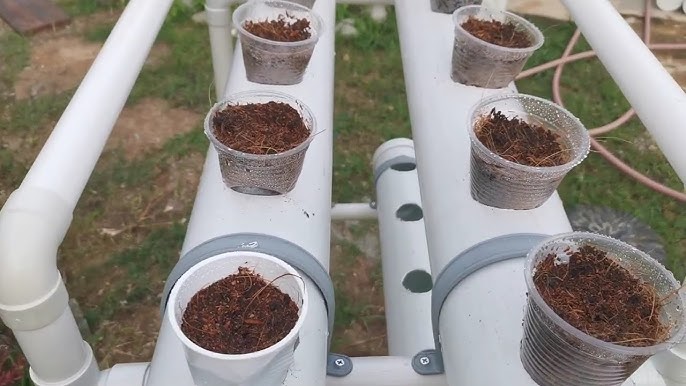
Imagine stepping into your home and being greeted by the lush greenery of a thriving garden, all without the need for soil. Sounds like magic, right?
Welcome to the world of hydro gardening. This innovative gardening technique allows you to grow plants using just water, nutrients, and a little bit of know-how. Whether you’re a seasoned gardener or a curious newbie, learning how to make a hydro garden can transform your living space and your experience with nature.
You might be wondering, “Can I really do this? ” The answer is a resounding yes! With the right guidance, creating your own hydro garden is not just possible but also incredibly rewarding. Imagine enjoying fresh herbs, vegetables, and flowers year-round, all while saving space and conserving resources. This article will guide you through each step, demystifying the process and empowering you to cultivate your own indoor oasis. Ready to unlock the secrets of hydro gardening and bring a touch of nature’s wonder into your home? Let’s get started!
What Is Hydroponics?
Hydroponics is a method of growing plants without soil. Instead, plants grow in a nutrient-rich water solution. This innovative technique offers gardeners a way to cultivate plants indoors or in small spaces. Hydroponics provides control over nutrients, light, and water, making it efficient and sustainable. It can be used for various plants, from herbs to vegetables, offering fresh produce year-round.
Understanding The Basics
Hydroponics relies on water as the primary medium for plant growth. Nutrients dissolve in water, delivering essential elements directly to the plant roots. This approach eliminates the need for soil, reducing pests and diseases. Plants typically grow faster and yield more produce than traditional methods.
Types Of Hydroponic Systems
There are various hydroponic systems, each with unique features. Popular types include:
- Deep Water Culture (DWC): Plants float on a nutrient solution.
- Nutrient Film Technique (NFT): Roots are exposed to a thin film of nutrients.
- Ebb and Flow: Nutrients flood the roots periodically.
Benefits Of Hydroponics
Hydroponics offers numerous advantages for gardeners. It requires less water than soil-based gardening. The system is space-efficient, making it perfect for urban settings. Controlled environments lead to consistent growth and production. Hydroponics also allows for year-round cultivation, regardless of weather conditions.
Challenges And Considerations
While hydroponics is beneficial, it has challenges. Initial setup costs can be high. Regular monitoring of pH and nutrient levels is crucial. Technical knowledge is required to maintain optimal conditions. Despite these challenges, many find hydroponics rewarding and worthwhile.
Benefits Of Hydro Gardening
How to Make a Hydro Garden Hydro gardening offers efficient use of water, promoting faster plant growth. It reduces the risk of soil-borne diseases, ensuring healthier plants. Suitable for small spaces, it provides a sustainable way to grow fresh produce at home.
Hydro gardening offers numerous advantages for those seeking efficient plant growth. This method uses water instead of soil to cultivate plants. It leads to faster growth and higher yields. Hydro gardening is becoming popular among urban gardeners and enthusiasts alike.
Environmental Benefits
Hydro gardening uses less water than traditional methods. It recycles water through the system, reducing waste. This eco-friendly approach helps conserve precious resources. It minimizes the need for chemical fertilizers, benefiting the environment.
Space Efficiency
Hydro gardening is perfect for small spaces. Vertical setups allow you to grow more plants in limited areas. Urban dwellers can enjoy fresh produce without needing large gardens. It fits easily on balconies or small patios.
Improved Plant Growth
Plants receive nutrients directly in hydro gardens. This results in faster and more robust growth. You can harvest crops sooner than with soil gardening. The controlled environment reduces pest issues, promoting healthier plants.
Year-round Harvest
Hydro gardens can be maintained indoors. This allows for growing plants throughout the year. You can enjoy fresh produce even in winter months. It provides consistent food supply regardless of seasons.
Pest And Disease Control
Hydro gardening reduces soil-borne pests and diseases. The absence of soil limits exposure to common threats. Cleaner conditions lead to healthier plants and fewer interventions. This makes it easier to manage your garden effectively.
Customization And Control
You can easily adjust nutrients in hydro gardening. It offers precise control over plant growth conditions. This flexibility allows for experimentation and optimization. Grow a variety of plants with tailored nutrient mixes.
Essential Equipment
Creating a hydro garden requires essential equipment like water pumps, grow lights, and nutrient solutions. Ensure proper containers and timers to manage watering and light cycles. Consider pH meters for monitoring nutrient levels effectively.
Creating a hydro garden can be an exciting journey into the world of soilless gardening. Whether you’re looking to grow fresh herbs, vibrant vegetables, or beautiful flowers, having the right equipment is key to success. Imagine having a lush garden right in your home, with plants thriving year-round. To make this dream a reality, let’s explore the essential equipment you need to get started.
Hydroponic Systems
Choosing the right hydroponic system is like laying the foundation of a house. There are various types, such as Deep Water Culture (DWC), Nutrient Film Technique (NFT), and Ebb and Flow. Each has its unique benefits and complexities. For beginners, DWC might be the easiest to manage. It’s simple to set up and maintain, making it ideal if you’re just dipping your toes into hydro gardening. Consider your space and plant needs before deciding.
Grow Lights
Natural light isn’t always an option, especially in indoor settings. That’s where grow lights come into play. They provide the necessary spectrum of light for plant growth. LED grow lights are energy-efficient and produce less heat. If you’re aiming for sustainability and lower electricity bills, they might be your best bet.
Nutrient Solutions
Plants in a hydro garden rely entirely on nutrient solutions for their growth. This is the food that fuels their development. Without soil, this step becomes even more critical. You can purchase pre-made solutions or mix your own, depending on your confidence and experience. Remember, the right balance of nutrients will make the difference between a thriving garden and one that struggles.
Growing Mediums
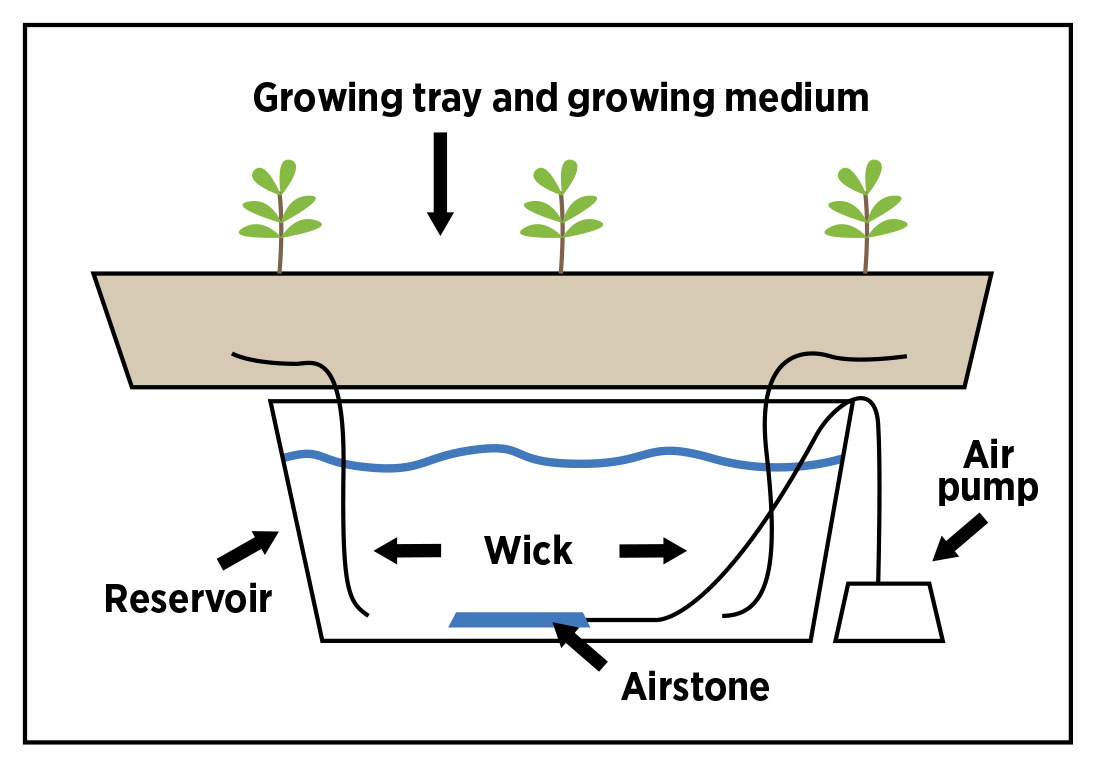
While hydroponics doesn’t use soil, plants still need support. Growing mediums like Rockwool, coco coir, or clay pellets provide stability and help retain moisture. Each medium has its pros and cons, and your choice may depend on the type of plants you are growing. Rockwool is often favored for its excellent water retention properties, which can be a lifesaver in maintaining plant hydration. Consider experimenting with different mediums to see what works best in your setup. Which medium will help your plants flourish? The answer might surprise you.
Credit: extension.okstate.edu
Choosing The Right Plants
Selecting the right plants is crucial for a thriving hydro garden. Opt for plants that thrive in watery environments, like herbs or leafy greens. Consider their growth habits and space requirements to ensure a balanced, productive garden.
Choosing the right plants for your hydro garden is crucial for a thriving setup. Not all plants are suitable for this soil-less method, so selecting the appropriate ones can make or break your gardening success. Start by considering your goals and the space you have available. Are you looking to grow fresh herbs for cooking, or are you more interested in vibrant flowers to brighten your home?
Understanding Plant Types
Different plants have different needs, and understanding these can help you make informed choices. Leafy greens like lettuce and spinach thrive in hydro gardens due to their shallow root systems. On the other hand, fruiting plants like tomatoes and peppers may require more attention and a bit more space.
Consider Growth Rate
Quick-growing plants can offer faster rewards and keep your interest alive. Herbs such as basil and mint grow rapidly and can be harvested frequently. This not only provides you with fresh ingredients but also keeps you engaged in the process.
Space And Light Requirements
Evaluate the space and light conditions in your hydro garden setup. Some plants, like strawberries, need more sunlight, while others, such as leafy greens, can tolerate lower light conditions. Match your plant choices with the available light to ensure robust growth.
Personal Preferences And Needs
What do you enjoy eating or using in your daily life? Choosing plants that you frequently use can make your hydro garden more rewarding. If you love herbal teas, consider growing chamomile or mint. Think about what excites you and let that guide your plant selection.
Experiment And Learn
Don’t be afraid to experiment. Hydro gardening is a journey of learning. Try growing different plants to see what works best in your setup. This trial and error approach can lead to delightful discoveries and a deeper understanding of your garden’s dynamics. Remember, the choice of plants is personal and should align with your lifestyle and interests. What will you grow in your hydro garden that brings you joy and utility?
Setting Up Your Hydro Garden
Creating a hydro garden requires selecting the right space and equipment. Choose nutrient-rich solutions and ensure proper lighting. Monitor water levels and plant growth regularly for a thriving garden.
Setting up your hydro garden can be an exciting venture into sustainable gardening. With the right setup, you can grow fresh vegetables and herbs indoors or outdoors, regardless of the season. Let’s dive into the essential steps you need to take to get your hydro garden thriving.
Selecting A Location
Choosing the right spot for your hydro garden is crucial. You need a place with plenty of natural light or enough room to install grow lights. Consider spaces like a sunny windowsill, a balcony, or even a dedicated corner of your room. Ensure the area has easy access to water and electricity, as you’ll need both to maintain the system.
Assembling The System
Once you’ve picked the perfect spot, it’s time to set up your hydroponic system. Decide whether you want a simple system like a Kratky method or a more advanced one like an NFT (Nutrient Film Technique). Follow the instructions specific to your chosen system, ensuring all components like the reservoir, pump, and grow trays are securely in place. Don’t forget to test the system to ensure it’s running smoothly before planting.
Preparing The Nutrient Solution
Your plants will thrive on a nutrient solution that mimics what they’d get from soil. Purchase a pre-mixed hydroponic nutrient solution or mix your own using the essential elements like nitrogen, phosphorus, and potassium. Measure and mix the solution according to the instructions, maintaining the right pH level, usually between 5.5 and 6.5. Regularly check and adjust the nutrient levels to keep your plants healthy.
Planting Your Seeds
Now that your system and nutrient solution are ready, it’s time to plant your seeds. Choose seeds that are well-suited for hydroponic growing, such as lettuce, spinach, or herbs like basil and mint. Place the seeds in the growing medium, ensuring they are snugly in place. Keep the environment warm and humid to encourage germination, and soon you’ll see your seeds sprout into thriving plants. By taking these steps, you set the foundation for a successful hydro garden. Are you ready to watch your plants flourish and enjoy the fruits of your labor?
Credit: www.gardeningknowhow.com
Maintaining Your Hydro Garden
Creating a hydro garden involves setting up a water-based system for plant growth. Regular monitoring of nutrient levels and water quality is essential to maintain healthy plants. Ensure proper lighting and ventilation to support robust plant development.
Maintaining your hydro garden is essential to ensure a lush and thriving oasis. The delicate balance of water, nutrients, light, and temperature requires your attention and care. With the right approach, you can enjoy a bountiful harvest and lush greenery. Let’s dive into the key aspects you need to keep an eye on to maintain your hydro garden effectively.
Monitoring Ph Levels
pH levels are crucial in a hydro garden as they directly affect nutrient absorption. Keep your pH between 5.5 and 6.5 for optimal plant growth. Use a digital pH meter for accuracy.
Test the water regularly, especially if you notice any signs of nutrient deficiency. Adjusting pH is simple with pH up or down solutions, which are readily available.
Remember, your plants communicate through their leaves. Yellowing or wilting might be telling you to check those pH levels.
Managing Light And Temperature
Light and temperature are the dynamic duo that drive your plant’s growth. Hydro gardens thrive under consistent lighting conditions. LED grow lights are energy-efficient and provide the full spectrum of light needed.
Keep temperatures between 65°F to 75°F to create a comfortable environment. Use fans or air conditioning if temperatures rise, especially in summer.
Have you ever noticed how your plants seem happier during cool evenings? Temperature fluctuations can impact growth, so aim for stability.
Nutrient Replenishment
Hydro gardens rely on nutrient solutions to feed your plants. It’s essential to replenish these nutrients regularly to ensure healthy growth.
Prepare a nutrient schedule, adjusting based on plant type and growth stage. Follow instructions carefully to avoid overfeeding, which can lead to nutrient burn.
Consider the last time your plants looked exceptionally vibrant. Was it right after a nutrient top-up? Consistent care yields visible results.
By focusing on these aspects, you can keep your hydro garden flourishing with minimal fuss. What new insights will your plants reveal to you today?
Common Challenges
Creating a hydro garden can be a rewarding venture, offering fresh produce and beautiful plants right at your fingertips. However, like any gardening endeavor, it comes with its own set of challenges. Understanding these common hurdles will prepare you to tackle them head-on, ensuring your hydro garden thrives.
Pest Control
Pests can be a nuisance in any garden, but in a hydro garden, they can quickly become a major issue. Without soil to deter them, pests can easily latch onto your plants. Regular inspections are crucial to catch them early. Consider using natural deterrents like neem oil or introducing beneficial insects such as ladybugs to keep pest populations in check.
Have you noticed tiny holes in your leaves or a sticky residue on plants? These could be signs of an infestation. Stay vigilant and act promptly to protect your garden.
Disease Management
Diseases can spread rapidly in a hydro garden due to the shared water system. It’s important to maintain a clean environment to prevent this. Ensure that your water is free from contaminants and regularly sterilize equipment. If you spot discolored leaves or stunted growth, it might be time to check for diseases.
Ever wondered why your plants seem to wilt despite having enough water? The culprit could be a root disease. Keeping roots healthy and oxygenated can make all the difference.
Troubleshooting Growth Issues
Growth issues in a hydro garden can stem from nutrient imbalances or environmental factors. Monitor your pH levels regularly, as they can affect nutrient uptake. Adjusting light exposure or temperature may also resolve growth problems.
Have you ever felt frustrated by slow plant growth? Sometimes, the simplest change, like altering the nutrient solution, can jumpstart growth. Keep experimenting and learning from each adjustment.

Credit: www.youtube.com
Tips For Success
Creating a hydro garden requires careful planning and setup. Select a suitable location with ample sunlight and space. Use quality hydroponic nutrients and maintain regular water cycles for healthy plant growth.
Creating a thriving hydro garden requires attention to detail and smart strategies. Following these tips can help ensure a successful gardening experience. Hydroponics is about growing plants without soil, using water mixed with nutrients. This method can be efficient and rewarding with the right approach.
Understand Your Plant Requirements
Different plants need different conditions. Research which plants suit hydroponic systems. Learn their light, temperature, and nutrient needs. Choose varieties that thrive in your setup.
Maintain Proper Water Quality
Water quality is crucial in hydro gardens. Test the water pH regularly. Keep it in the optimal range for your plants. Use clean water to prevent disease and mineral buildup.
Ensure Adequate Lighting
Lighting affects plant growth in hydro gardens. Use grow lights to supplement natural light if needed. Adjust light intensity based on plant type. Monitor how plants respond to light changes.
Monitor Nutrient Levels
Plants need nutrients to grow well. Use nutrient solutions specific to hydroponics. Follow instructions for mixing and application. Regularly check and adjust nutrient levels.
Prevent Pest And Disease Issues
Pests and diseases can harm plants. Keep the hydro garden clean and tidy. Inspect plants regularly for signs of trouble. Use organic methods to control pests if they appear.
Optimize System Setup
Arrange your hydro garden efficiently. Ensure easy access to all plants. Use the right containers and support structures. Check pumps and timers for proper function.
Regularly Check System Components
Regular maintenance prevents issues. Inspect pumps, hoses, and connections. Clean filters to ensure smooth operation. Address any leaks or clogs promptly. By focusing on these tips, you can cultivate a healthy and productive hydro garden. The key is to be attentive to the needs of your plants and system. Each step you take towards understanding your garden better will yield fruitful results.
Frequently Asked Questions
Can You Make Your Own Hydroponic Garden?
Yes, you can create your own hydroponic garden. Start with basic materials like containers, water, and nutrient solutions. Choose plants suitable for hydroponics, like lettuce or herbs. Ensure proper lighting and monitor pH levels. Hydroponics offers a sustainable way to grow plants without soil, indoors or outdoors.
What Plants Cannot Be Grown Hydroponically?
Potatoes, carrots, and other root vegetables are challenging to grow hydroponically due to their soil depth needs. Large trees like oak or pine are also unsuitable because they require substantial space and soil for stability. Hydroponics best suits leafy greens and small fruits, which thrive without soil.
How To Start Hydroponic Gardening For Beginners?
Begin by researching hydroponic systems. Choose a system like NFT, DWC, or Ebb and Flow. Gather essential supplies: nutrient solution, grow lights, and growing medium. Start with easy plants like lettuce or herbs. Monitor pH levels and nutrient balance regularly.
Ensure proper lighting and airflow for healthy growth.
How Much Does It Cost To Make A Hydroponic Garden?
The cost of a hydroponic garden ranges from $50 to $500. Small DIY setups can be inexpensive. Commercial systems cost more, depending on size and complexity. Consider expenses for lights, pumps, nutrients, and growing medium. Budgeting wisely ensures a cost-effective hydroponic garden.
Conclusion
Creating a hydro garden is both fun and rewarding. Watch your plants grow faster. Enjoy fresh produce year-round. No soil, no mess. Just water and nutrients. Perfect for small spaces. Connect with nature indoors. Experiment and learn about plant care.
Save water while growing greens. It’s eco-friendly and efficient. Great for beginners and experts alike. Start simple. Expand as you gain confidence. Share your harvest with friends and family. Discover the joy of gardening without dirt. Embrace the future of gardening.
Hydro gardens bring innovation to your home. Dive in and cultivate your green thumb today.