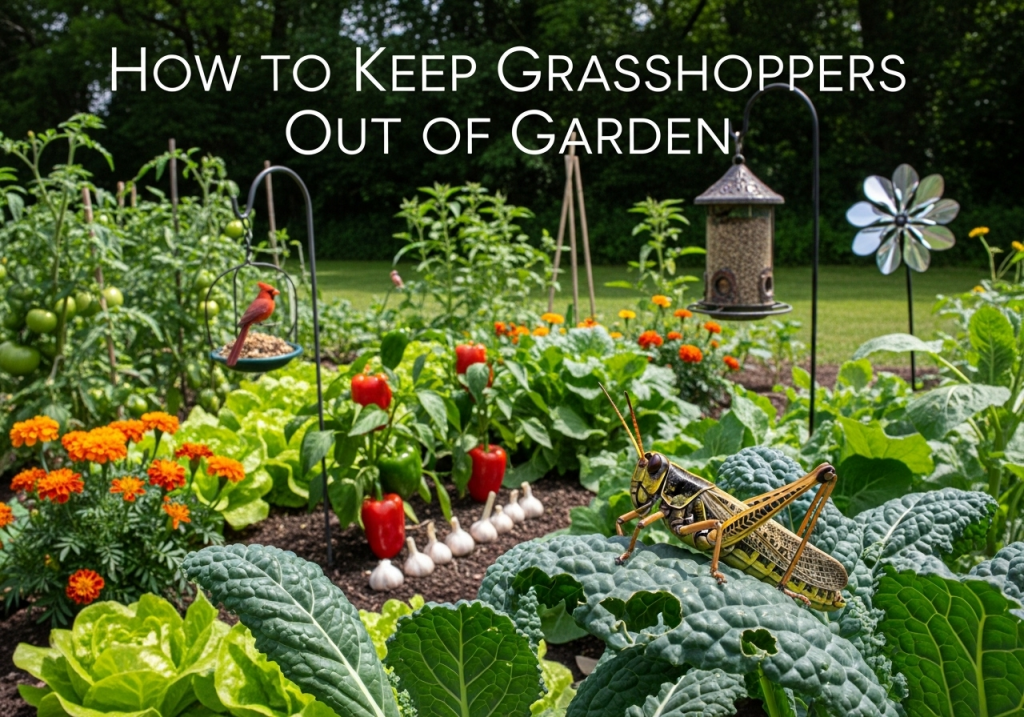
Imagine stepping into your garden, eager to admire the vibrant blooms and lush greenery, only to find that pesky grasshoppers have taken over. These little invaders can wreak havoc on your plants, turning your backyard haven into a battleground.
But don’t worry—there’s hope! You can protect your precious garden from these munching menaces. By understanding how grasshoppers think and what they fear, you can outsmart them and reclaim your space. Ready to turn the tables on these tiny pests?
Read on to discover simple yet powerful strategies that will help keep grasshoppers out of your garden for good.

Credit: www.facebook.com
Understanding Grasshoppers
Understanding grasshoppers is crucial if you’re serious about protecting your garden from these voracious eaters. These fascinating creatures can wreak havoc on your carefully nurtured plants. But first, let’s dive into their behavior and the impact they have on gardens.
Grasshopper Behavior
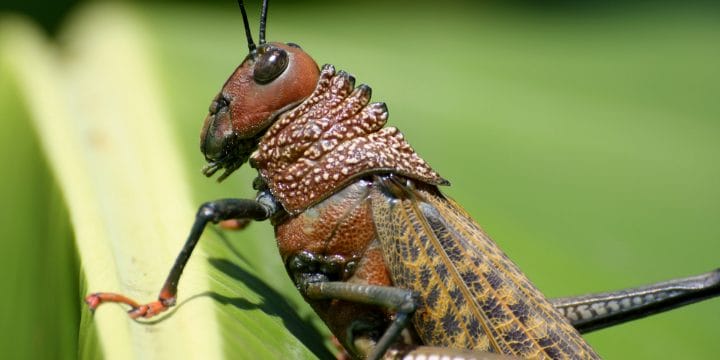
Grasshoppers are known for their powerful legs and ability to leap great distances. This mobility makes them hard to catch and even harder to keep out. They’re most active during warm, sunny days, often appearing in gardens where there’s a plentiful food supply. Their voracious appetite leads them to consume large amounts of vegetation, which can be a nightmare for gardeners.
Have you ever watched a grasshopper devour a leaf in seconds? It’s both mesmerizing and alarming. These insects are not picky—they’ll munch on anything from your prized roses to those juicy tomatoes you’ve been nurturing.
Impact On Gardens
Grasshoppers can severely damage your garden, leaving plants stripped of their leaves. This not only affects the plant’s health but can halt its growth entirely. Imagine waking up to find your vibrant garden reduced to mere stems and stalks.
Can your garden withstand a grasshopper invasion? Even a small number can cause significant damage. Their rapid reproduction means that populations can explode, making control measures essential.
Consider how much time and effort you invest in your garden. Protecting it from grasshoppers is not just about saving plants; it’s about preserving your hard work and love for gardening.
Natural Repellents
Natural repellents like garlic spray can deter grasshoppers effectively. Planting herbs such as cilantro and basil also helps keep them away.
Natural repellents are a fantastic way to keep grasshoppers out of your garden without resorting to chemical pesticides. These environmentally friendly options not only protect your plants but also maintain the ecological balance. The beauty of natural repellents is their accessibility and ease of use. Have you ever considered using ingredients straight from your kitchen? It’s surprising how effective they can be!
Garlic And Onion Spray
Garlic and onion spray is a simple yet powerful solution. Blend a few cloves of garlic and a couple of onions with water. Strain the mixture and pour it into a spray bottle. Spritz this concoction over your plants regularly. The pungent odor acts as a deterrent to grasshoppers, keeping them at bay. This method is particularly useful for those who love cooking and always have these ingredients on hand. Plus, it’s cost-effective and natural, making it safe for your plants and beneficial insects.
Neem Oil Application
Neem oil is a natural insect repellent that has gained popularity among gardeners for its effectiveness. Mix neem oil with water and a little dish soap to create a spray. Apply this mixture to your plants, focusing on the undersides of leaves where grasshoppers often hide. Neem oil disrupts the hormonal system of grasshoppers, preventing them from feeding and reproducing. It’s a safe option that won’t harm beneficial insects or the environment. If you’re looking for a natural way to tackle these pests, neem oil is a great choice.
Soap And Water Solution
A simple soap and water solution can work wonders in your garden. Mix a few tablespoons of mild liquid soap with water in a spray bottle. Spray this solution directly onto the grasshoppers and affected plants. The soap will suffocate the pests without harming your plants. This technique is a quick fix when you spot grasshoppers munching away. It’s easy to prepare and apply, and you likely have everything you need right at home. Have you tried this method before? It’s worth a shot if you haven’t! Choosing the right natural repellent depends on your preference and what you have available. So, why not give these options a try and see which works best for your garden?
Barrier Methods
Installing physical barriers, like mesh nets or floating row covers, can effectively keep grasshoppers out of the garden. These barriers prevent grasshoppers from reaching plants, ensuring a healthy garden environment. Choose sturdy materials for long-lasting protection against these pests.
Barrier methods are effective for keeping grasshoppers out of gardens. They physically block pests, offering a chemical-free solution. These methods protect plants while maintaining a healthy garden ecosystem. Below, explore how different barrier techniques can shield your garden from these pesky insects.
Floating Row Covers
Floating row covers are lightweight and easy to use. They create a physical barrier over plants. This method prevents grasshoppers from reaching your crops. The covers also let air, sunlight, and water pass through. This ensures plants get essential nutrients. Secure the edges well to stop grasshoppers from sneaking in.
Netting And Mesh Screens
Netting and mesh screens effectively keep grasshoppers at bay. These materials cover plants, blocking pests without chemicals. Choose fine mesh to ensure grasshoppers can’t pass through. Install them over crops or along garden borders. This approach is durable and reusable, making it cost-effective.
Companion Planting
Companion planting is a strategic gardening method that utilizes the natural relationships between plants to enhance growth and protect crops from pests. By choosing the right plant combinations, you can create a harmonious environment that naturally deters grasshoppers. This approach not only helps in pest control but also promotes biodiversity, resulting in a healthier garden ecosystem.
Grasshopper-repelling Plants
Did you know some plants can naturally repel grasshoppers? Growing plants like cilantro, garlic, and calendula in your garden can act as natural deterrents. Cilantro’s strong scent can confuse grasshoppers, making them less likely to munch on your crops. Garlic, with its pungent aroma, is another excellent choice that adds flavor to your kitchen while keeping pests at bay. Calendula, with its bright blooms, not only repels grasshoppers but also attracts beneficial insects like ladybugs.
Consider adding these plants to your garden layout. Not only will you be fostering a pest-resistant environment, but you’ll also be increasing the diversity of your garden.
Benefits Of Diversity
Why should you care about diversity in your garden? A diverse garden is a resilient garden. By incorporating a variety of plants, you create a complex ecosystem that can better withstand pest invasions. Different plants support various beneficial insects, which in turn help keep grasshopper populations under control.
Diversity also enhances soil health, as different plants contribute different nutrients back into the soil. This creates a balanced environment where plants thrive and pests struggle to take hold. Have you ever noticed how a single type of plant can become a target for pests? Mixing it up can keep grasshoppers guessing and your garden flourishing.
Next time you plan your garden, think about how you can incorporate companion planting for natural pest control. What unique plant combinations have you considered adding to your garden layout?
Predator Introduction
Predator Introduction: Introducing natural predators like birds and beneficial insects can help control grasshopper populations in gardens. These predators feed on grasshoppers, keeping their numbers in check effectively and naturally.
Introducing natural predators into your garden can be a highly effective way to keep grasshoppers at bay. By welcoming these allies, you create a balanced ecosystem where pests are naturally controlled. This approach not only reduces your dependence on chemical pesticides but also promotes biodiversity.
Birds And Beneficial Insects
Birds are avid hunters of grasshoppers. Consider setting up birdhouses and feeders to encourage their presence. Species like sparrows, swallows, and robins are particularly fond of grasshoppers. Beneficial insects such as parasitic wasps and beetles can also play a significant role. These insects actively hunt and feed on grasshoppers, helping to keep their population under control. Planting flowers like daisies and sunflowers can attract these helpful insects to your garden.
Attracting Natural Predators
Creating a welcoming environment for predators is key. Start by providing water sources like birdbaths, as water is essential for many creatures. Keep the birdbaths clean and filled to ensure they remain attractive to birds. Adding native plants can also make your garden more inviting to predators. Native plants offer food and shelter, making your garden a more appealing habitat. Are there native plants in your area that could double as a home for these helpful creatures? You might be surprised how quickly your garden can become a bustling hub of activity. By strategically attracting natural predators, you’re not just protecting your plants—you’re cultivating a thriving ecosystem.

Credit: growingorganic.com
Cultural Practices
Plant marigolds around your garden to deter grasshoppers naturally. Regularly remove weeds, as they attract these pests. Use floating row covers to protect plants while allowing sunlight and water through.
Cultural practices play a pivotal role in maintaining a healthy garden and keeping pesky grasshoppers at bay. By adopting strategic habits, you can create an environment that is less inviting to these unwelcome visitors. Simple changes in the way you care for your garden can significantly reduce grasshopper populations, allowing your plants to thrive.
Regular Garden Maintenance
Consistent upkeep of your garden is essential. Remove weeds and debris regularly, as these can provide shelter and breeding grounds for grasshoppers. By keeping your garden tidy, you reduce the hiding spots for these insects, making it harder for them to settle in. Trimming grass and plants also helps. Shorter grass and well-pruned plants make it difficult for grasshoppers to camouflage themselves. The more visible they are, the easier it is to manage them before they wreak havoc. Consider rotating your crops if you have a vegetable garden. This not only helps with soil health but also confuses grasshoppers, disrupting their feeding patterns.
Water Management Techniques
Thoughtful watering can deter grasshoppers. Overly moist environments are less attractive to these insects. Water your plants early in the morning to allow the soil to dry out by evening, making your garden less appealing to grasshoppers seeking a lush habitat. Use drip irrigation systems. They focus water where it’s needed—at the roots—without creating damp conditions that grasshoppers prefer. Ask yourself, are you over-watering your garden? Adjusting your watering schedule might be the simple solution you need to keep these pests away. By being mindful of how and when you water, you can maintain a garden that flourishes with fewer unwanted guests.
Chemical Control Options
Chemical pesticides can help control grasshopper populations in your garden. Use targeted insecticides that specifically address grasshoppers, ensuring minimal impact on beneficial insects.
Chemical control options can effectively manage grasshopper infestations in gardens. They offer a targeted approach to reduce grasshopper populations. These methods include using insecticides that are specifically designed to control these pests. It’s important to choose the right product to minimize harm to the environment. Understanding how to use these products safely ensures your garden remains healthy.
Insecticide Use
Applying insecticides can significantly reduce grasshopper numbers. Choose products labeled for grasshopper control. Follow application instructions carefully. Apply in early morning or late evening. Grasshoppers are less active during these times. This increases the effectiveness of the insecticide. Regular application may be necessary during peak grasshopper season.
Safety And Environmental Considerations
Safety is crucial when using chemical controls. Wear protective gear like gloves and masks. Ensure children and pets are away during application. Consider the impact on beneficial insects. Choose insecticides that target grasshoppers specifically. Avoid products that harm bees and butterflies. Dispose of leftover chemicals properly. Always read labels for safe disposal instructions. Protecting the environment should be a priority.
Monitoring And Maintenance
Keeping grasshoppers out of your garden requires vigilance. Monitoring and maintenance are key. Regular checks help spot early signs of infestation. This proactive approach can prevent extensive damage. Maintenance ensures your garden remains a less appealing target for these pests.
Regular Inspections
Inspect your garden weekly. Look for grasshoppers on leaves and stems. Check the ground for eggs. Early detection is crucial. Catching them early can save your plants. Use a flashlight for evening inspections. Grasshoppers are more active at dusk. This helps identify hidden pests.
Adapting Strategies
Adapt strategies based on findings. Increase inspections if grasshopper numbers rise. Adjust barriers or repellents as needed. Use natural predators like birds to control populations. Keep track of weather changes. Grasshoppers thrive in warm, dry conditions. Be ready to shift tactics with the climate.
Credit: littlesproutslearning.co
Frequently Asked Questions
How Do I Keep Grasshoppers Out Of My Vegetable Garden?
Use row covers to protect plants. Introduce natural predators like birds and frogs. Apply neem oil as a deterrent. Maintain healthy soil to strengthen plants. Regularly inspect plants for early signs of infestation.
What Scent Do Grasshoppers Hate?
Grasshoppers dislike the scent of garlic, cilantro, and hot pepper. These strong odors repel them effectively. Planting these or using their oils can help deter grasshoppers from your garden. This natural method can help protect your plants without harmful chemicals.
Will Coffee Grounds Repel Grasshoppers?
Coffee grounds may help repel grasshoppers due to their strong scent. Scatter them around plants for added protection. Their natural compounds can deter pests, though effectiveness varies. Regularly refresh grounds for best results. Use alongside other methods for comprehensive pest control in gardens.
Does Vinegar Get Rid Of Grasshoppers?
Yes, vinegar can help deter grasshoppers. Mix vinegar with water and spray it on plants. This natural remedy can help keep grasshoppers at bay. Make sure to test on a small plant area first to avoid any damage.
Conclusion
Protecting your garden from grasshoppers is not too difficult. Use natural methods to keep them away. Planting garlic and cilantro helps repel these pests. Encourage birds to visit; they eat grasshoppers. Install barriers to prevent grasshopper entry. Regularly inspect your plants for signs of damage.
Maintain a healthy garden environment. Try organic insecticidal soap if needed. Always monitor the situation closely. With these steps, your garden will thrive. You can enjoy a beautiful, pest-free space. Stay vigilant and adapt as needed. Happy gardening!