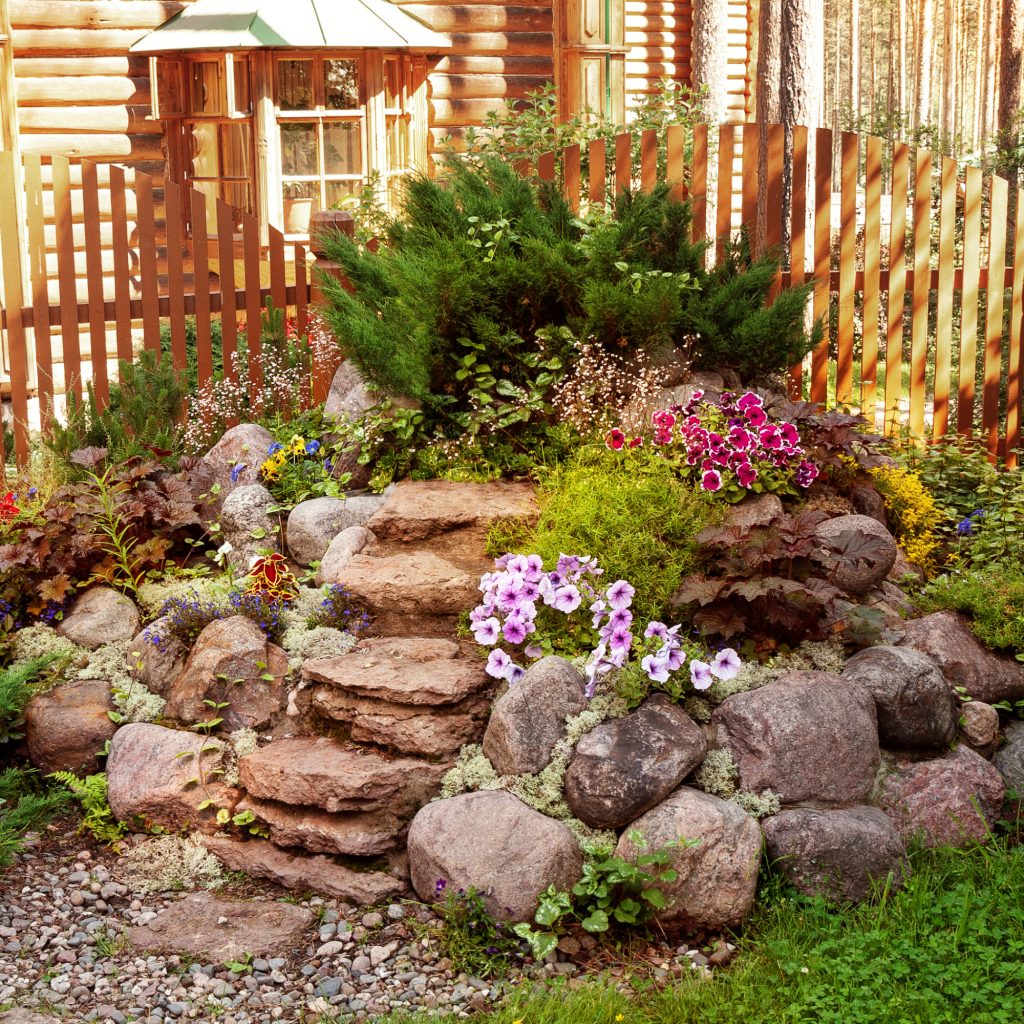
Imagine stepping into your backyard and being greeted by a breathtaking rockery garden, a serene oasis that you designed yourself. Sounds amazing, right?
Creating your very own rockery garden is not just a dream—it’s a rewarding project that’s easier than you might think. You don’t need to be a professional landscaper to transform a patch of ground into a stunning display of nature’s beauty.
In this guide, you’ll learn simple, practical steps to build a rockery garden that not only enhances your outdoor space but also provides a personal retreat for you to enjoy. Get ready to unleash your creativity and bring a touch of nature’s artistry to your garden. Dive in to discover how you can make this enchanting escape a reality.
Choosing The Perfect Location
Selecting the ideal spot for a rockery garden is crucial. Choose a sunny, well-drained area for optimal plant growth. Ensure the location complements the existing landscape and offers easy access for maintenance.
Choosing the perfect location for your rockery garden is crucial. The right spot can enhance the beauty and longevity of your garden. A well-chosen location ensures your plants thrive and your garden remains stunning throughout the seasons. Consider several key factors when selecting the ideal area for your rockery.Sunlight And Shade Considerations
Plants have different sunlight needs. Some require full sun, while others thrive in partial shade. Observe your garden area throughout the day. Identify spots with consistent sunlight and areas with shade. Choose plants that match the sunlight conditions of your chosen location. This ensures healthy growth and vibrant blooms.Drainage And Soil Conditions
Proper drainage is vital for rockery gardens. Rocks and soil must allow water to flow away efficiently. Check the soil texture in your chosen spot. Ensure it isn’t too clay-heavy, which can retain water and harm plants. Test drainage by digging a small hole and filling it with water. If water drains within a few hours, the location is suitable. Amend the soil with sand or gravel if drainage is poor. This enhances soil permeability and supports plant health.Selecting Rocks And Materials
Choosing the right rocks and materials is vital for a successful rockery garden. Select a mix of large and small stones to create texture. Ensure the rocks are stable and complement the garden’s natural look.
Creating a stunning rockery garden begins with selecting the right rocks and materials. These elements form the backbone of your design, providing structure and visual interest. Your choices can transform a simple garden into a captivating landscape. But how do you choose the perfect rocks and materials for your garden oasis?Types Of Rocks To Use
When choosing rocks, consider the texture, color, and size that will complement your garden. Granite, for instance, is durable and comes in various shades. It adds a timeless feel to any rockery. Sandstone, with its earthy tones, blends seamlessly into a natural setting. Limestone, on the other hand, weathers beautifully over time, adding character to your garden. Each type of rock brings its own unique charm and can set the tone for the entire area.Additional Materials Needed
Apart from rocks, you’ll need materials that enhance the overall structure and function of your rockery. Soil is crucial; opt for a well-draining mix to prevent waterlogging. Mulch can be used to retain moisture and suppress weeds, ensuring your plants thrive. Don’t forget about gravel or pebbles, which can fill gaps and provide a neat finish. Consider adding decorative elements like driftwood or small sculptures for a personal touch. What unique elements will you include to make your rockery garden stand out?Designing The Layout
Crafting a rockery garden layout involves selecting a sunny spot with good drainage. Arrange rocks in natural-looking clusters, creating crevices for planting. Integrate a mix of plants suitable for rocky terrains, ensuring diversity in color and texture.
Designing the layout of your rockery garden is like crafting a living piece of art. It’s about finding harmony between the rocks and plants to create a tranquil outdoor space. By making thoughtful design choices, you can transform a simple pile of stones into a breathtaking focal point in your garden. Let’s dive into some key aspects of designing your rockery garden layout.Creating A Natural Look
Aim to replicate the way rocks and plants would naturally occur in the wild. Use stones of varying sizes and shapes to mimic a mountain or hillside setting. Consider the natural flow and contours of your garden space, allowing the rocks to guide the eye across the landscape. When I first created my rockery, I spent hours observing a nearby natural rock formation. I learned how rocks nestled together, with plants growing in the crevices. Try arranging your rocks in clusters, leaving gaps for soil and planting.Incorporating Water Features
Adding a water feature can elevate your rockery garden, turning it into a calming retreat. A small pond or a trickling stream can bring movement and sound, enhancing the sensory experience of your garden. Even a simple bird bath can add charm and attract wildlife. Think about the positioning of your water feature. It should look as though it naturally belongs, perhaps at the base of a rock formation or meandering between stones. Ensure it fits seamlessly with the overall layout, complementing the plants and rocks around it. Do you have a favorite water feature in your existing garden? Imagine how its tranquil trickle could blend beautifully with your rockery design. Would the sound of water enhance your experience of the space?Preparing The Ground
Begin by selecting a sunny spot with good drainage for your rockery garden. Clear weeds and debris to create a clean surface. Arrange rocks of various sizes to form a natural look, leaving gaps for planting.
Creating a rockery garden is an exciting venture that begins with meticulous groundwork. Preparing the ground is your first step towards a thriving rockery. It sets the stage for the stunning array of rocks and plants that will follow. This phase is all about creating the right foundation, ensuring that your garden is not only beautiful but also sustainable and low-maintenance.Clearing And Leveling The Area
Start by choosing the perfect spot for your rockery. This might be a sunny patch in your backyard or a corner that could use some sprucing up. Remove any existing vegetation, roots, and debris. Use a spade to dig out the larger plants and a rake to clear smaller debris. Once cleared, assess the natural slope of the area. A slight slope is ideal as it helps with drainage. If the ground is not naturally sloped, consider creating a gentle incline. Level the ground using a garden fork or shovel, ensuring it’s even and smooth.Improving Soil Quality
Rockery gardens thrive in well-drained soil. To improve drainage, mix sand or grit into the existing soil. Aim for a ratio of one part sand to three parts soil to enhance permeability. Consider the type of plants you want to grow. If they require more nutrients, enrich the soil with organic compost. This not only boosts fertility but also improves texture, making it easier for roots to establish. Test the soil pH if you’re unsure about its compatibility with your chosen plants. Adjust it accordingly, perhaps by adding lime to raise the pH or sulfur to lower it. This simple step can greatly influence your garden’s success. Preparing the ground is a crucial step that demands attention to detail. Have you ever noticed how a well-prepared foundation makes all the difference in any project? Your rockery garden is no exception!Placing The Rocks
Position rocks carefully to create balance and texture in your rockery garden. Choose varied sizes and shapes for a natural look. Ensure stability by embedding rocks partially in the soil.
Placing the rocks is the heart of creating a rockery garden, transforming your space into a tranquil haven. It’s not just about tossing stones randomly; it’s an art that requires precision and thoughtfulness. You’ll need to consider stability, spacing, and aesthetics to bring out the best in your garden.Arranging For Stability
When placing rocks, stability is key. You want them to stand the test of time and weather. Start by selecting rocks of various sizes, ensuring a strong foundation with larger stones. Think of them as the anchors that hold everything together. Nestle each rock securely into the soil. This prevents shifting and toppling over time. Test their stability by giving them a gentle nudge. Use smaller stones to fill gaps and reinforce the larger rocks. This adds both strength and visual interest.Ensuring Proper Spacing
Spacing rocks properly is essential for both aesthetics and practicality. You want to create a natural look without overcrowding. Consider the growth of plants between rocks. Provide enough space for roots to spread and for plants to thrive. Arrange rocks in a way that mimics natural landscapes. Think of how stones scatter around a mountain or riverbed. Allow pathways between rocks for easy access and maintenance. This makes gardening less of a chore and more of a pleasure. What patterns can you create with your rocks that complement the plants? It’s your canvas; let your imagination flow!
Credit: gardeningfamily.com
Choosing Suitable Plants
Selecting the right plants for a rockery garden involves considering the climate, soil, and sunlight. Opt for drought-tolerant varieties like succulents or alpine plants. These thrive in rocky terrains and need minimal care.
Choosing the right plants for your rockery garden is essential. These plants should be hardy and adaptable. This ensures they thrive in rocky and often dry conditions. The right plants will bring color and texture to your garden. Let’s dive into some key considerations.Selecting Hardy Plant Varieties
Hardy plants are perfect for rockery gardens. They withstand harsh conditions and need little water. Succulents like sedum and sempervivum are great choices. They thrive in sunny spots and add vibrant colors. Alpine plants, such as saxifrage, also work well. They are used to rocky terrains and can handle poor soil. Consider small shrubs like dwarf conifers. They provide structure and are low maintenance.Plant Placement And Grouping
Proper placement is crucial for plant health. Place taller plants at the back or center. This ensures smaller plants get enough sunlight. Group plants with similar water needs together. It simplifies watering and care. Use rocks to create natural divisions. This helps manage plant spread and adds visual interest. Mix different textures and colors for a dynamic look. This makes your rockery garden more engaging.Planting And Maintenance
Crafting a rockery garden begins with selecting hardy plants and arranging rocks artistically. Regular watering and occasional pruning ensure vibrant growth. Enhance the garden’s beauty with mulch to retain moisture and reduce weeds.
Planting and maintaining a rockery garden is a rewarding endeavor that can transform your outdoor space into a vibrant, natural oasis. With the right approach, your rockery can flourish, showcasing a variety of plants that thrive in rocky environments. Let’s dive into the essentials of planting and upkeep, ensuring your garden remains a stunning feature year-round.Proper Planting Techniques
When planting in a rockery, consider the natural layout and contours of your garden. Choose plants that are suited to your specific climate and soil type. Ensure the soil is well-drained; rocks often help with this but adding a layer of gravel beneath the soil can improve drainage further. Plant perennials and alpines in the crevices and spaces between rocks. These plants have shallow roots and will establish quickly, creating a lush appearance.Watering And Fertilizing
Watering your rockery garden requires balance. Overwatering can lead to root rot, especially in plants adapted to dry conditions. Water deeply but less frequently, allowing the soil to dry out between waterings. This mimics natural rain patterns and encourages deep root growth. Fertilize sparingly, as most rockery plants prefer lean soil. Consider using a slow-release, balanced fertilizer once in the growing season to give your plants a gentle nutrient boost. Maintaining your rockery garden is about observing and adapting. Are there any signs of stress in your plants? Adjust watering or check for pests. Enjoy the process and watch as your rockery transforms into a thriving ecosystem.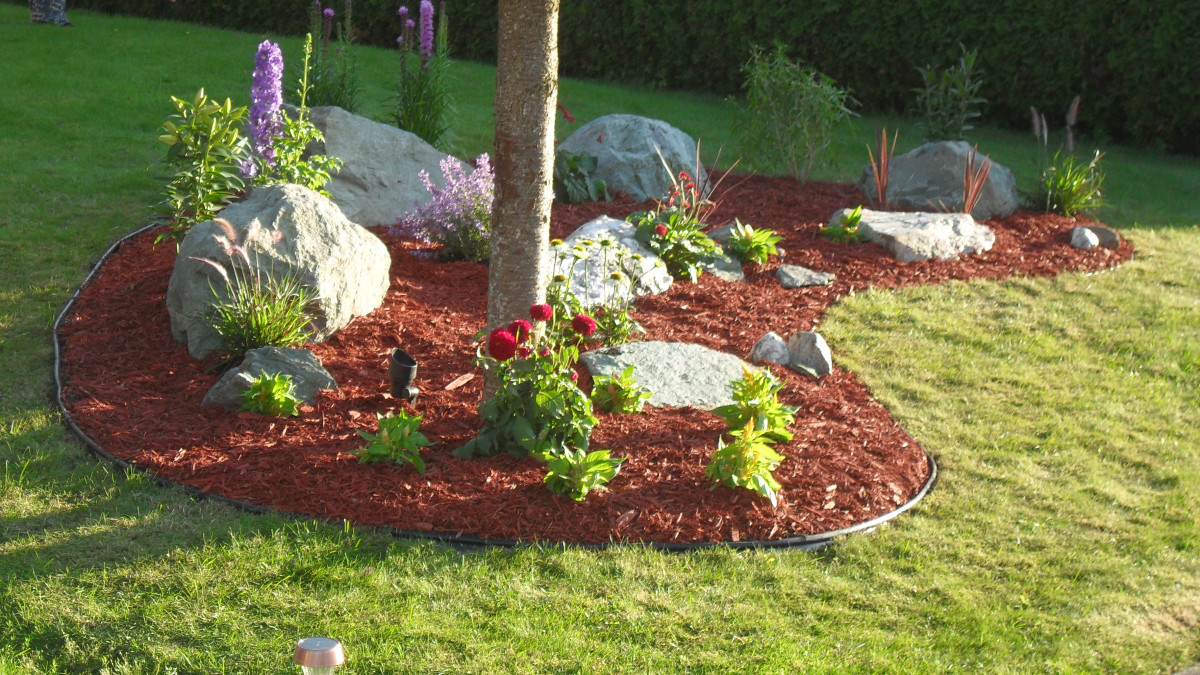
Credit: dengarden.com
Enhancing With Decorative Elements
Enhancing your rockery garden with decorative elements adds personality. It creates focal points that draw the eye and elevate the overall aesthetic. Careful selection of ornaments and lighting can transform your space into a serene retreat.
Adding Statues And Ornaments
Statues offer a timeless appeal. They can reflect your personal taste, from classical figures to modern art pieces. Place them strategically among rocks and plants. This creates depth and intrigue in your garden.
Ornaments like bird baths or wind chimes add charm. They engage different senses, providing visual and auditory delight. Use them to accentuate specific areas or create harmonious balance.
Lighting For Ambiance
Lighting brings your rockery to life at night. Soft, ambient lights highlight features without overpowering them. Solar lights are an eco-friendly choice. They illuminate paths and enhance safety.
Consider LED spotlights to focus on statues or unique rock formations. They add dramatic effect and depth. String lights can create a magical atmosphere. Their gentle glow invites relaxation and quiet reflection.
Troubleshooting Common Issues
Creating a rockery garden involves arranging rocks and selecting suitable plants. Ensure proper drainage to prevent waterlogging. Address uneven surfaces by leveling the soil before placing rocks.
Creating a rockery garden is rewarding, but challenges arise. Issues like weeds and erosion can disrupt your garden’s beauty. Addressing these common problems ensures a thriving rockery. Let’s explore solutions for these challenges.Dealing With Weeds
Weeds often invade rockery gardens, competing for nutrients. Regular maintenance helps keep them at bay. Use a layer of landscape fabric under the soil. This barrier prevents weed growth while allowing water flow. Mulching between rocks is effective, too. It suppresses weeds and retains moisture. Consider using gravel or small stones as mulch. Hand-pulling weeds is essential, especially after rain. Moist soil loosens weeds, making removal easier. Persistent weeds may require targeted treatment. Use a gentle, eco-friendly herbicide for stubborn invaders.Preventing Erosion
Erosion is a threat, especially on slopes. Rocks stabilize soil, but additional measures help. Terracing your garden prevents soil from washing away. Create small steps or levels with stones. This slows water flow, reducing erosion risk. Plant groundcovers like creeping thyme or sedum. Their roots hold soil together, providing natural stability. Ensure proper drainage by strategically placing rocks. Channel water away from vulnerable areas. Adding organic matter improves soil structure. Better soil structure enhances water absorption, reducing runoff. Regularly check for erosion signs. Prompt action prevents further damage.
Credit: gardeningfamily.com
Frequently Asked Questions
How To Create A Simple Rockery?
Choose a sunny spot and clear debris. Arrange rocks in layers, ensuring stability. Add soil between rocks, then plant drought-resistant plants. Water lightly and regularly.
How To Plan A Rock Garden For Beginners?
Start by selecting a sunny location with good drainage. Choose rocks of varying sizes for a natural look. Plan the layout, considering plant space and color. Use drought-tolerant plants like succulents. Arrange rocks and plants harmoniously, then add mulch to retain moisture and reduce weeds.
How Do You Prepare The Ground For A Rock Garden?
Clear the area of weeds and debris. Loosen the soil to improve drainage. Add a layer of gravel or sand. Arrange rocks and stones to create a natural look. Plant drought-resistant and low-maintenance plants suited for rock gardens.
How Do You Arrange Rocks In A Rock Garden?
Arrange rocks by size, starting with larger ones as focal points. Group similar stones for natural harmony. Create layers for depth, and ensure stability. Place rocks naturally, avoiding symmetry. Use smaller stones to fill gaps and enhance the garden’s aesthetic.
Ensure proper drainage and balance in the layout.
Conclusion
Creating a rockery garden is simpler than it seems. Start with planning the layout. Choose rocks that fit your style. Arrange them for natural appeal. Add plants that thrive in rocky settings. Consider drainage and sunlight. Use gravel or sand for a stable base.
Regular maintenance keeps it beautiful. Enjoy your unique garden space. It’s a creative, rewarding project. A rockery garden adds charm to any yard. Perfect for nature lovers.


