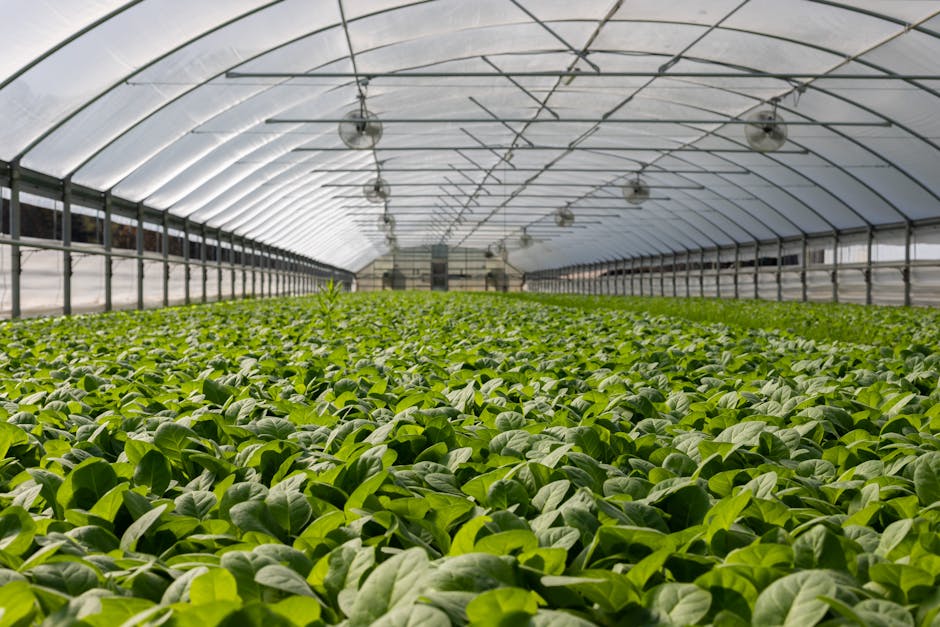
Imagine stepping outside your door to pick fresh, homegrown vegetables for dinner. It’s easier than you think, especially with a raised garden bed.
If you’ve been dreaming of cultivating your own veggies but aren’t sure where to start, you’re in the right place. Raised garden beds are perfect for beginners and seasoned gardeners alike. They offer better drainage, less weeding, and a more controlled environment for your plants.
Curious about how to make the most of your gardening space and grow a bountiful harvest? Stick around, because we’re about to dive into everything you need to know to turn your garden dreams into reality.

Credit: m.youtube.com
Choosing The Right Location
Selecting the right location is crucial for a successful raised garden bed. Ensure it receives at least six hours of sunlight daily. Good drainage is essential, so avoid low-lying areas.
Choosing the right location for your raised garden bed is crucial. The spot you select can greatly affect the growth of your vegetables. A well-chosen site allows plants to thrive, producing a bountiful harvest. Let’s explore the factors to consider in finding the perfect location for your garden bed.Accessibility
Make sure the garden is easy to reach. This helps with regular maintenance. You can water and tend to your plants without hassle. Choose a spot close to your home or garden shed.Sunlight Exposure
Vegetables need plenty of sunlight. Choose a location that gets at least six hours of sun daily. Avoid areas shaded by trees or buildings. Sunlight encourages healthy growth and strong roots.Soil Drainage
Proper drainage is key to plant health. Select a spot where water drains well. Avoid areas where water pools after rain. Good drainage prevents root rot and keeps plants healthy.Wind Protection
Wind can damage tender plants. Look for a location sheltered from strong winds. Walls, fences, or hedges can act as barriers. Protecting plants from wind helps them grow strong.Space Availability
Ensure there’s enough space for your garden bed. Consider the size of your raised bed and future expansion. Check for paths around the bed for easy access. More space means more room for planting variety.Selecting Materials For Construction
Opt for durable, weather-resistant materials like cedar or recycled plastic for raised garden beds. These choices enhance longevity and sustainability. Ensure proper drainage by selecting soil that promotes healthy vegetable growth.
Building a raised garden bed is a fantastic way to elevate your gardening game—literally! But before you can start planting, you need to decide on the right materials for construction. The materials you choose will affect not only the aesthetics but also the durability and cost of your garden bed. Making the right choice ensures your vegetables have a strong and lasting home. Let’s dive into the different options available to you.Wood Options
Wood is a popular choice for raised garden beds because it is relatively inexpensive and easy to work with. Cedar and redwood are excellent options as they are naturally rot-resistant, ensuring your garden bed lasts longer. However, if you’re on a budget, you might consider using untreated pine, although it may need replacement every few years. When I built my first raised garden bed, I opted for cedar. It was slightly more expensive, but its longevity was worth the investment. Plus, the natural oils in cedar help deter pests, which is a great bonus for your vegetable garden.Recycled Materials
Using recycled materials can be an environmentally friendly and cost-effective way to construct your raised garden bed. Old wooden pallets, bricks, or even corrugated metal can be repurposed to create a unique and functional garden space. Why not give new life to materials destined for the landfill? A friend of mine used reclaimed bricks to build her garden bed, which added a charming, rustic touch to her backyard. Just ensure any recycled wood used hasn’t been treated with harmful chemicals.Stone And Concrete
For those seeking a more permanent solution, stone or concrete can offer exceptional durability. These materials can withstand the elements for decades, making them an investment for the long haul. Constructing a raised bed with stone can be labor-intensive, but the aesthetic appeal and durability might be worth the effort. Concrete blocks are another excellent option, easy to stack and configure into any shape you desire. Have you ever considered the long-term impact of your material choice? While stone and concrete might require more upfront work, their lasting nature means less maintenance over time. When selecting materials for your raised garden bed, think about your budget, the climate in your area, and how much effort you’re willing to invest in maintenance. What suits your gardening style best?Building The Raised Bed
Building the Raised Bed Craft a sturdy raised bed using untreated wood or stone for better vegetable growth. Ensure proper drainage and fill with rich soil to boost plant health and yield.
Building a raised garden bed is a rewarding project that can transform your gardening experience. It not only elevates your plants but also provides better drainage and easier access. Imagine the satisfaction of stepping out into your yard and tending to your thriving vegetables in a neatly organized space. Let’s dive into the essentials of constructing a raised bed that will set the stage for your garden’s success.Tools Needed
To get started, gather the following tools:- Measuring Tape:Ensure accurate dimensions for your bed.
- Level:Keep your bed flat and stable.
- Drill:Essential for securing the boards.
- Saw:Cut the wood to your desired size.
- Screws:Use durable outdoor screws for longevity.
- Work Gloves:Protect your hands while working.
Step-by-step Construction
Begin by selecting a suitable location with adequate sunlight. Prepare the site by clearing debris and leveling the ground. This creates a solid foundation for your bed. Next, measure and cut your wood to the desired dimensions. Consider a standard 4×8 feet size, which is spacious yet manageable. This size allows you to reach all areas of the bed without stepping inside. Assemble the frame by connecting the boards at each corner using screws. Ensure the corners are square by using your level. Tighten the screws well to prevent wobbling. Once the frame is complete, line the bottom with landscape fabric or cardboard. This helps prevent weeds from infiltrating your garden bed while allowing water drainage. Finally, fill your raised bed with a mix of topsoil, compost, and potting soil. Mixing different soil types enhances nutrient availability and promotes healthy plant growth. Can you already picture the vibrant green leaves popping up? Constructing a raised bed might seem like a daunting task, but with careful planning and execution, it becomes a straightforward project. Have you ever thought about the joy of growing your vegetables in a space you built with your own hands?
Credit: www.vegega.com
Soil Preparation
Preparing the soil is a crucial step in ensuring your raised garden bed thrives with lush, healthy vegetables. It sets the foundation for your plants to grow strong and productive. But how do you get it right?
Choosing The Right Soil Mix
Selecting the perfect soil mix is like laying the groundwork for success. You want a balance that offers drainage, nutrients, and support for roots. A typical mix involves one-third each of topsoil, compost, and a soilless growing medium like peat moss or coconut coir.
Consider the specific needs of the vegetables you plan to grow. Some prefer more sandy soil, while others thrive in a loamy mix. Keep an eye on the soil texture and adjust accordingly. Have you noticed how some veggies flourish when the soil feels just right?
Adding Nutrients And Amendments
Nutrients are the lifeblood of your plants. Incorporate organic matter like compost and aged manure to enrich the soil. These amendments improve soil structure and provide essential nutrients.
Don’t forget about minerals like calcium and magnesium. You can add them through lime or rock dust. Do a soil test to determine what your raised bed might be missing. Have you ever wondered how a simple amendment can transform plant growth?
By focusing on soil preparation, you’re setting your raised garden bed up for a season of abundance. With the right mix and nutrients, your vegetables will thank you with a bountiful harvest.
Plant Selection
Choose vegetables suited for your climate and soil. Opt for compact varieties like bush beans or cherry tomatoes. Prioritize crops with similar sunlight and water needs to ensure healthy growth.
Selecting the right plants for your raised garden bed is crucial to ensuring a bountiful harvest. Your choice of vegetables can make a significant difference in the success of your garden. Consider your climate, space, and personal taste preferences when deciding which vegetables to grow.Best Vegetables For Raised Beds
Raised beds offer excellent drainage and warmer soil temperatures, ideal for many vegetables. Opt for root vegetables like carrots and radishes, which thrive in the loose, well-drained soil. Leafy greens such as lettuce and spinach also do well and can be harvested multiple times throughout the season. Don’t forget about tomatoes and peppers; their need for warm soil and good drainage make them perfect candidates for raised beds.Companion Planting Strategies
Companion planting can boost your garden’s yield and health. Pairing certain plants together can deter pests and enhance growth. For instance, planting basil near tomatoes can improve their flavor and repel harmful insects. Marigolds are a great addition too; they help keep nematodes away from your vegetable roots. Are you ready to experiment with these dynamic duos in your garden? The right combinations can lead to a more vibrant and productive garden space. Consider keeping a garden journal. Note which combinations work best for you and which do not. This practice will help you refine your plant selection in future seasons.Planting Techniques
Growing vegetables in a raised garden bed offers better soil drainage and easier access for planting. Choose a sunny location, fill with quality soil mix, and plant seeds at the right depth. Regular watering and monitoring for pests ensures healthy growth.
Planting vegetables in a raised garden bed can be a rewarding experience, offering a higher yield and easier access for maintenance. Understanding the right planting techniques can make all the difference in the success of your garden. Let’s explore how spacing, depth, and seasonal factors can impact your vegetable growth.Spacing And Depth Considerations
Proper spacing ensures that each plant receives adequate sunlight and nutrients. Crowding plants can lead to poor air circulation and increased disease risk. Imagine planting tomatoes too close together; they compete for resources, leading to smaller fruits. Consider the recommended spacing for each vegetable. Leafy greens like lettuce can be planted closer together, while sprawling plants like zucchini need more room to thrive. Depth is equally crucial. Planting seeds at the right depth affects germination rates. Plant carrots too shallow, and they may not anchor properly. Always follow the seed packet instructions for optimal depth.Seasonal Planting Tips
Seasonal planting aligns your garden with natural growth cycles, maximizing yield. Early spring is perfect for cool-season crops like peas and spinach, which thrive in cooler temperatures. As summer approaches, opt for warm-season vegetables like tomatoes and peppers. They flourish in the heat and produce bountiful harvests. Fall brings another opportunity for cool-season crops. Consider planting kale and broccoli for a nutritious winter harvest. What vegetables are you eager to try this season? With the right techniques, your raised garden bed can become a seasonal haven of fresh produce.Watering And Irrigation
Adequate watering ensures healthy growth in raised garden beds. Use drip irrigation for consistent moisture levels. Avoid overwatering to prevent root rot.
Watering and irrigation are crucial aspects of growing vegetables in a raised garden bed. A consistent and efficient watering routine ensures that your plants receive the right amount of moisture, promoting healthy growth and abundant yields. Whether you’re a seasoned gardener or just starting, understanding the best watering techniques can make a significant difference in your garden’s success.Efficient Watering Methods
One of the most effective ways to water your raised garden bed is to water deeply but infrequently. This encourages the roots to grow deeper into the soil, making your plants more drought-resistant. Use a watering can or hose with a soft spray nozzle to gently soak the soil without disturbing it. Consider watering early in the morning or late in the afternoon. This prevents the water from evaporating too quickly under the sun. You might find that mulch is your best friend, as it helps retain moisture and keeps the soil temperature consistent.Drip Irrigation Systems
A drip irrigation system can be a game-changer for your raised garden bed. It delivers water directly to the base of each plant, minimizing waste and ensuring that the moisture reaches the roots where it’s needed most. Installing a drip system is easier than you might think. Kits are available that provide all the necessary components, including tubing, emitters, and connectors. Adjust the emitters to control the flow of water, tailoring it to the specific needs of different plants. Think about the time you’ll save by not having to manually water each day. With a drip system, you can set a timer and relax, knowing your garden is being efficiently watered even when you’re away.Pest And Disease Management
Raised garden beds offer better control over pests and diseases. Healthy soil and proper drainage reduce risks. Regular monitoring and organic remedies keep plants thriving.
Pests and diseases can threaten your raised garden bed. Managing them is crucial for a healthy harvest. Use simple, natural methods to keep your plants safe. Regular monitoring and prevention practices can make a significant difference.Natural Pest Control
Use beneficial insects to control pests. Ladybugs and spiders eat harmful bugs. Plant flowers like marigolds to attract these helpful insects. Create barriers with nets or covers to keep pests away. Handpicking pests like caterpillars can also help. For small gardens, this is effective. Apply homemade sprays made from soap and water. This can deter aphids and mites. Neem oil is another natural solution. It disrupts pest life cycles without harming plants. Use it sparingly to avoid plant damage.Disease Prevention Tips
Start with healthy soil. Good soil reduces disease chances. Add compost to improve soil health. Rotate crops yearly to prevent disease build-up. This keeps soil nutrients balanced and reduces specific pathogens. Water plants at the base. Wet leaves can lead to fungal diseases. Morning watering allows leaves to dry quickly. Spacing plants properly improves air circulation. This helps in reducing disease spread. Inspect plants regularly for signs of disease. Early detection helps in quick treatment. Remove and destroy infected plants to prevent spreading.Harvesting And Maintenance
Growing vegetables in a raised garden bed brings many benefits. It offers better soil drainage, pest control, and easier access. After setting up your garden, focus on harvesting and maintenance. These steps ensure healthy plants and a productive garden.
When To Harvest
Timing is crucial for harvesting. Each vegetable has its own schedule. Leafy greens can be picked when they reach maturity. Root vegetables need more time underground. Check the seed packet for specific guidelines. Regularly observe changes in color and size. These are signs of readiness.
Harvesting at the right time enhances flavor. Picking too early can reduce taste. Late harvesting may cause overripeness. Keep a calendar to track growth. This helps in planning your harvest effectively.
Ongoing Bed Care
Consistent maintenance keeps your garden healthy. Water your plants regularly. Raised beds often dry out faster. Use mulch to retain moisture. Inspect for weeds and pests weekly. Remove them promptly to prevent damage.
Rotate crops each season. This reduces soil depletion. Fertilize as needed to boost growth. Compost is a great natural option. Keep your garden clean and tidy. This encourages healthy plant development.
Seasonal Adjustments
Seasonal adjustments are crucial for maintaining a thriving raised garden bed throughout the year. Each season brings its own set of challenges and opportunities, and adapting your gardening practices accordingly can make a significant difference in your vegetable yield. Whether you’re dealing with unexpected frosts or scorching summer days, understanding how to adjust your garden to the seasonal shifts is key to successful vegetable growing.
Adapting To Weather Changes
Weather can be unpredictable, but you can prepare your raised garden bed for these fluctuations. During hot summer months, ensure your plants are well-hydrated by installing a drip irrigation system or simply using mulch to retain moisture. On the other hand, if rain is pouring down, consider creating drainage channels to prevent waterlogging.
Have you considered adding shade cloths during intense heat waves? These can protect delicate vegetables like lettuce and spinach from wilting. Conversely, you might need to add row covers to shield your plants from unexpected cold snaps.
Pay attention to the forecast and adjust your gardening practices accordingly. Are you ready to tackle whatever Mother Nature throws your way?
Winterizing The Garden Bed
As winter approaches, it’s time to think about protecting your garden bed from harsh conditions. One effective strategy is to use cold frames or cloches to keep your vegetables warm and extend the growing season. These structures act as mini-greenhouses, trapping heat and protecting plants from frost.
Another tip is to plant winter-hardy vegetables like kale or Brussels sprouts. These can thrive even when temperatures drop, offering you fresh produce through the winter months. Have you tried using mulch or straw to insulate the soil and roots? It’s a simple yet effective way to maintain soil warmth.
Preparing your garden bed for winter doesn’t have to be complex. What steps will you take to ensure your vegetables survive the cold season?
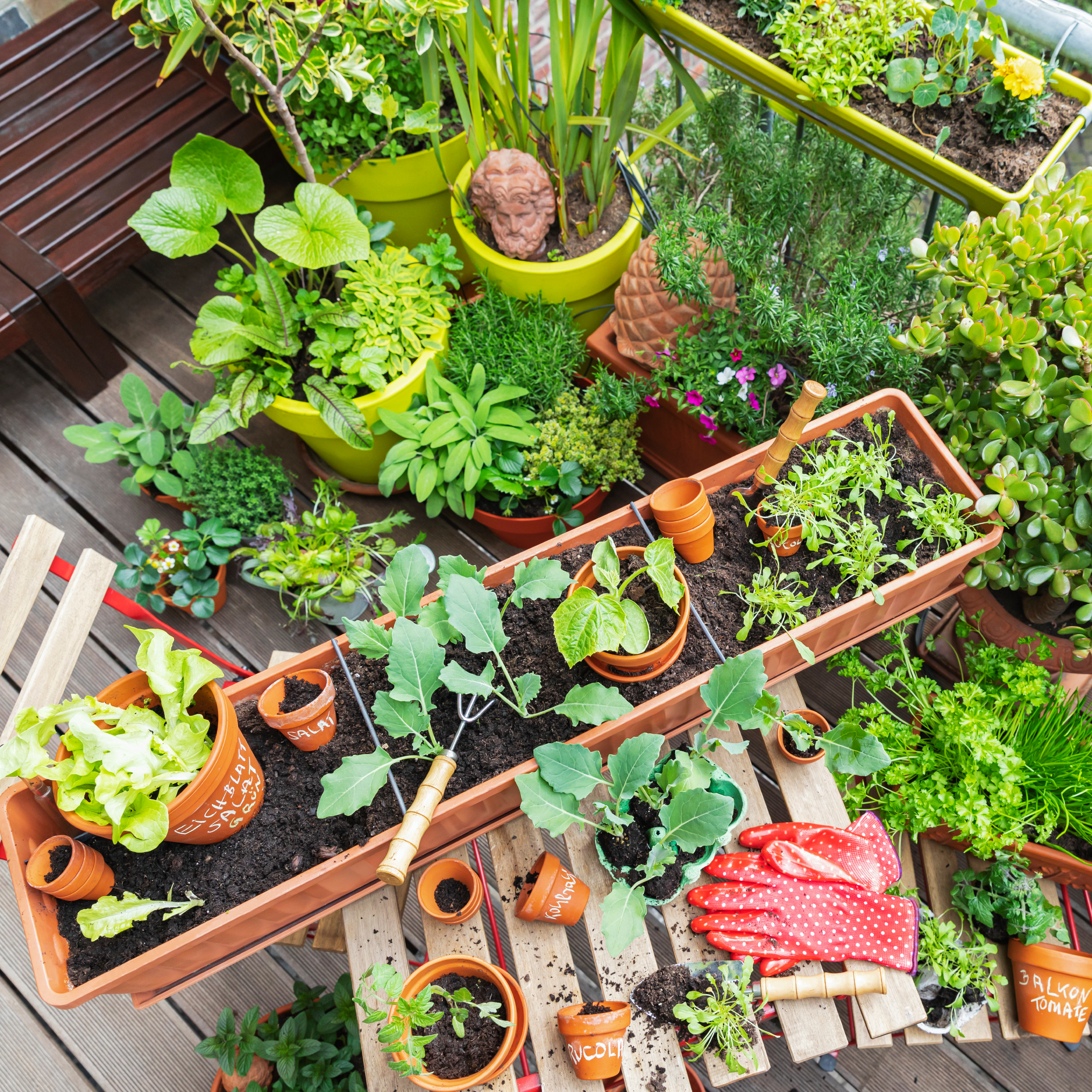
Credit: www.gardeningknowhow.com
Frequently Asked Questions
What Do You Put In The Bottom Of A Raised Bed Garden?
Start with a layer of cardboard or newspaper to suppress weeds. Add straw, grass clippings, or leaves for drainage. Fill with quality soil mix and compost for nutrients. This setup promotes healthy plant growth and efficient moisture management. Ensure materials are chemical-free for an organic garden.
What Vegetables Should Not Be Grown In A Raised Bed?
Corn and sprawling vegetables like squash and pumpkins are not ideal for raised beds. They require large space for growth. Tall crops like sunflowers can overshadow other plants, hindering their growth. Consider the space and height needs before planting in raised beds.
How To Arrange Vegetables In A Raised Garden Bed?
Start by planting taller vegetables at the back or center. Place medium-height plants next, then shorter ones at the front. Ensure proper spacing for air circulation. Group plants with similar water and sunlight needs together. Use companion planting to enhance growth and deter pests.
What Is The Best Vegetable To Grow In A Raised Bed?
Carrots are ideal for raised beds due to their need for loose, well-drained soil. They grow straight and healthy, maximizing space and yield. Additionally, their ability to thrive in various climates makes them a top choice for gardeners seeking versatility and ease of cultivation.
Conclusion
Raised garden beds make growing vegetables simple and rewarding. They provide better drainage and weed control. Plants thrive in well-aerated soil. You gain full control over soil quality. This ensures nutrient-rich produce. Raised beds are easy to manage. They fit well in small spaces.
Gardening becomes a fun activity for the whole family. Start with easy plants like tomatoes and lettuce. Watch your garden grow with care and patience. Enjoy fresh, homegrown vegetables right from your backyard. Gardening not only feeds the body, but also refreshes the mind.
Discover the joy of gardening today!