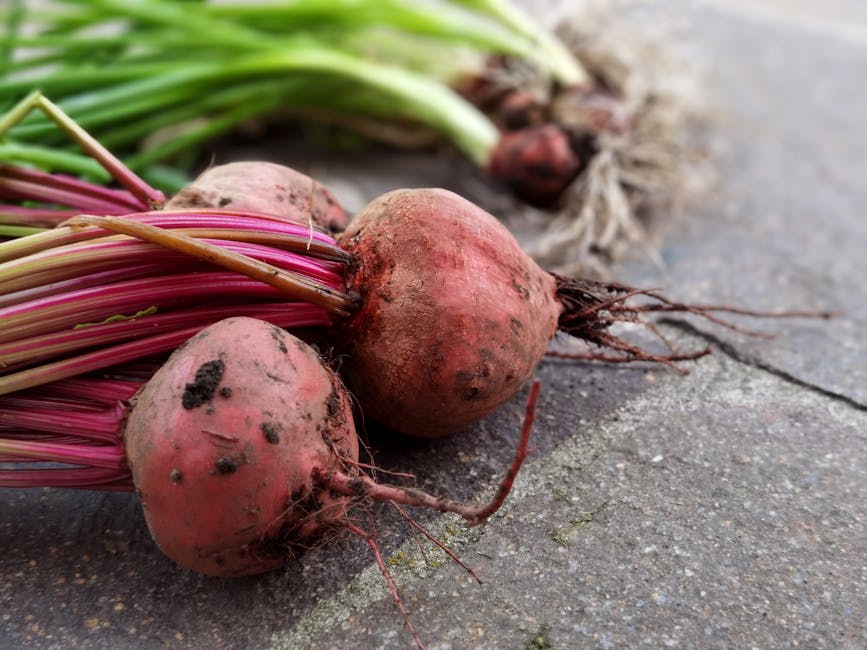
Imagine stepping into your backyard, the sun warming your skin as you admire rows of thriving vegetables. It’s a rewarding sight, and you can achieve it with the right foundation: soil.
You might be wondering what kind of soil your vegetable garden needs to flourish. This is where your journey begins. The right soil is more than just dirt; it’s the lifeblood of your garden. It can make the difference between a thriving harvest and plants struggling to survive.
You deserve a garden that yields fresh, delicious vegetables, and understanding soil is your first step. Keep reading to discover how to transform your garden soil into a nutrient-rich paradise for your vegetables. Your green thumb is about to get even greener.
Types Of Soil For Vegetable Gardens
Selecting the right soil is vital for a thriving vegetable garden. Loamy soil is often preferred for its balance of sand, silt, and clay. This type of soil ensures good drainage and nutrient retention, creating ideal conditions for vegetable growth.
Types of Soil for Vegetable Gardens Choosing the right soil is crucial for a thriving vegetable garden. Different types of soil offer unique benefits and challenges. Understanding these can help in selecting the best soil for your plants. Let’s explore the common types of soil you might consider.Loamy Soil
Loamy soil is ideal for vegetable gardens. It has a balanced mix of sand, silt, and clay. This mixture provides good drainage and retains nutrients. Vegetables grow well because loamy soil supports strong root systems. It remains loose and aerated, making it easy to work with. This soil is rich in organic matter, enhancing plant growth. It is often dark and crumbly, perfect for nourishing plants.Sandy Soil
Sandy soil drains quickly, preventing waterlogging. This is beneficial in areas with heavy rainfall. However, it may require more frequent watering. Sandy soil warms up fast in spring, helping early planting. It is light and easy to cultivate, reducing labor. Adding organic matter improves its nutrient retention. This soil suits root vegetables like carrots and potatoes. They thrive in its loose structure.Clay Soil
Clay soil holds water well, beneficial in dry regions. It is dense and retains nutrients effectively. This soil can become compact, making cultivation harder. Improving clay soil involves adding organic matter. This enhances drainage and aeration. Clay soil warms slowly in spring, delaying planting. It supports leafy greens, which enjoy its moisture-rich environment. Despite challenges, it can be fertile with proper care.Soil Composition Essentials
Choosing the right soil is vital for a flourishing vegetable garden. Loamy soil with balanced sand, silt, and clay enhances growth. Ensure good drainage and nutrients for healthy plants.
Creating the perfect soil composition for your vegetable garden can make the difference between a bountiful harvest and a disappointing yield. Understanding the essential components of soil will set you on the right path to growing healthy and vigorous plants. Let’s explore the critical elements that make up ideal soil for a vegetable garden.Organic Matter
Organic matter is the lifeblood of your garden soil. It improves soil structure, enhances moisture retention, and provides essential nutrients to plants. Compost, aged manure, and leaf mold are excellent sources of organic matter that can be easily added to your garden soil. Think about the last time you visited a thriving forest. The rich, dark layer of soil under your feet was teeming with life, thanks to organic matter. You can replicate this in your garden by adding organic materials regularly.Mineral Content
Minerals are the building blocks that plants need to grow strong and healthy. These include nitrogen, phosphorus, and potassium, often referred to as N-P-K. Each plays a distinct role in plant growth, from root development to flowering. But don’t forget about the trace minerals like calcium, magnesium, and sulfur. These are equally important and can be replenished by using rock dust or balanced fertilizers. Have you ever wondered why some plants don’t thrive despite your best efforts? It might be due to a lack of these crucial minerals.Soil Texture
Soil texture affects water retention and root penetration. The three primary textures are sand, silt, and clay. Each has unique characteristics that influence how plants grow. A balanced soil texture, known as loam, combines the best properties of each type. Loam drains well, retains moisture, and allows roots to spread easily. Conduct a simple squeeze test: grab a handful of moist soil and squeeze it. Does it form a loose ball? If yes, you’re on the right track to achieving ideal soil texture. Understanding these soil composition essentials can transform your vegetable garden. So why not get your hands dirty and start testing and improving your soil today? With a little effort, you can create an environment where your vegetables thrive.Amending Soil For Vegetables
Rich, well-draining soil is ideal for a vegetable garden. Adding organic matter like compost improves soil fertility and structure. Nutrient-rich soil supports strong plant growth and abundant harvests.
Amending Soil for Vegetables Creating the perfect soil for your vegetable garden might seem daunting, but it’s all about making small, impactful changes. Amending the soil ensures your vegetables get the nutrients they need. Let’s dive into some practical ways to enrich your garden soil.Composting Benefits
Composting is a fantastic way to improve soil health. By adding compost, you introduce organic matter that enhances soil structure and fertility. Imagine your plants thriving, supported by rich, dark compost that you can make from kitchen scraps and yard waste. Consider setting up a compost bin in your backyard. Not only will you reduce waste, but you’ll also create a free source of nutrients for your garden. Have you ever noticed how plants seem to flourish with just a little bit of compost? That’s the magic of natural recycling.Using Manure
Manure is another excellent soil amendment. It’s packed with nutrients that vegetables love. However, it’s crucial to use well-rotted manure to avoid burning plant roots. You might be surprised at how accessible manure can be if you live near a farm or have a local garden center. When I first used manure, the difference in plant growth was noticeable within weeks. Remember to mix it well into the soil for the best results.Green Manures
Green manures, or cover crops, offer a natural way to enrich soil. They improve soil structure, add nutrients, and prevent erosion. Planting legumes, for instance, can fix nitrogen in the soil, a crucial element for plant growth. Consider planting a cover crop during the off-season. This practice not only enriches the soil but also keeps it from being bare and prone to weed invasion. Have you tried experimenting with green manures in your garden? You might be surprised by how much they can transform your soil health. These soil amendments aren’t just about improving your garden’s yield; they’re about creating a sustainable, thriving ecosystem. Which method will you try first to nurture your vegetable garden?
Credit: www.qpseedlings.com.au
Testing And Adjusting Soil Ph
Vegetable gardens thrive in soil with balanced pH levels. Regular testing can ensure optimal growth conditions. Adjustments may be needed to maintain the ideal range for healthy vegetables.
Testing and adjusting soil pH is crucial for a thriving vegetable garden. The right pH level ensures nutrients are available to plants. Without proper pH, plants may struggle to absorb nutrients, affecting growth and yield. Learning how to test and adjust soil pH can lead to a more successful garden.Importance Of Ph Levels
Soil pH affects nutrient availability. Each plant has an ideal pH range. Most vegetables prefer slightly acidic to neutral soil, around 6.0 to 7.0 pH. Outside this range, nutrient absorption decreases. This can lead to poor plant health and lower yields. Knowing your soil’s pH helps maintain plant health.Home Testing Methods
Testing soil pH at home is simple and cost-effective. You can use test kits or electronic meters. Soil test kits are available at garden centers. They include capsules and a color chart. To use, mix soil with water and add the capsule. Compare the color with the chart. Electronic meters provide digital readings. They are easy to use and quick.Balancing Soil Acidity
If your soil is too acidic, you can raise the pH. Adding lime is a common method. Lime neutralizes soil acidity. Use dolomitic lime or agricultural lime. Follow package instructions for application rates. To lower pH, add sulfur or peat moss. These materials increase soil acidity. Adjust soil pH gradually. Test soil regularly to monitor changes.Drainage And Moisture Retention
Choosing the right soil is crucial for a thriving vegetable garden. Drainage and moisture retention are key factors. Good drainage prevents waterlogging, which can harm roots. Moisture retention ensures plants have enough water between rains or watering.
Improving Drainage
Good drainage keeps roots healthy and strong. You can improve drainage by adding coarse sand or fine gravel to your soil. This helps water move through the soil more easily. Raised beds are another option. They allow water to drain away from plant roots. Aerating the soil with a garden fork can also help. It creates channels for water to flow through.
Mulching Techniques
Mulch helps retain moisture and prevent weeds. Organic mulch like straw or wood chips is ideal. It breaks down over time, enriching the soil. Spread mulch evenly around your plants. Keep it a few inches away from stems to prevent rot. Mulching also moderates soil temperature. This protects roots from extreme heat or cold.
Watering Strategies
Proper watering is essential for plant health. Water deeply but less frequently. This encourages roots to grow deeper. Use a soaker hose or drip irrigation. These methods deliver water directly to the roots. Early morning is the best time to water. This reduces evaporation and fungal diseases. Keep an eye on weather changes. Adjust your watering schedule as needed.
:max_bytes(150000):strip_icc()/ms-clay-soil-getty-cb7ab6ee817f4a939f936e32eff2742b.jpg)
Credit: www.marthastewart.com
Nutrient Management
Managing nutrients in your vegetable garden soil is crucial for healthy plants. The right balance ensures plants grow strong and produce abundant yields. Understanding nutrient requirements helps you provide optimal care for your garden.
Essential Nutrients
Plants need a mix of nutrients for growth. The key nutrients include:
- Nitrogen (N):Promotes leaf growth and green color.
- Phosphorus (P):Supports root development and flower production.
- Potassium (K):Enhances overall plant health and disease resistance.
- Calcium:Strengthens cell walls, aiding in plant structure.
- Magnesium:Essential for photosynthesis, keeps leaves green.
- Sulfur:Vital for protein synthesis and enzyme function.
Fertilizer Options
Choosing the right fertilizer can boost your garden’s health. Consider these options:
- Organic Fertilizers:Derived from natural sources like compost or manure.
- Chemical Fertilizers:Synthetic options providing specific nutrient ratios.
- Slow-release Fertilizers:Gradually release nutrients over time.
Organic options improve soil structure. Chemical fertilizers offer precise control over nutrient levels. Slow-release types reduce the risk of nutrient burn.
Signs Of Nutrient Deficiency
Recognizing nutrient deficiencies helps address problems swiftly. Look for these signs:
- Yellowing Leaves:Often indicates a lack of nitrogen.
- Poor Growth:May result from phosphorus deficiency.
- Leaf Curling:Can signal potassium shortage.
- Weak Stems:Suggests a calcium deficit.
- Pale Leaves:Often due to insufficient magnesium.
- Stunted Growth:Could mean sulfur is lacking.
Addressing deficiencies quickly can prevent further damage. Regular soil testing helps maintain a balanced nutrient profile.
Soil Maintenance Practices
Maintaining healthy soil is crucial for a thriving vegetable garden. It’s not just about choosing the right soil initially; ongoing practices ensure your plants get the nutrients they need. Implementing effective soil maintenance strategies can significantly impact the productivity and health of your garden. Let’s explore some actionable practices you can adopt.
Crop Rotation Benefits
Crop rotation is more than just changing the scenery in your garden. It’s a powerful tool to prevent soil depletion and reduce pest and disease issues. By rotating crops, you allow different plants to contribute and extract various nutrients from the soil, maintaining balance.
- Enhances soil nutrients by alternating deep-rooted and shallow-rooted plants.
- Reduces the likelihood of pests and diseases that target specific crops.
- Improves soil structure over time.
Think about what you grew last year and plan for a different crop in that space. Did you notice fewer pests when you swapped tomatoes for beans? Such observations can guide your rotation strategy.
Cover Cropping
Cover cropping involves planting specific crops during the off-season to enrich the soil. These crops can boost soil fertility and structure, reduce erosion, and suppress weeds.
- Adds organic matter to the soil as they decompose.
- Prevents nutrient leaching during heavy rains.
- Provides habitat for beneficial insects.
Have you ever tried planting clover or rye in your garden during the fall? It might be surprising how much healthier your spring soil appears afterward.
Avoiding Soil Compaction
Soil compaction can be a silent killer for your garden’s productivity. When soil particles are pressed together too tightly, plant roots struggle to penetrate and access nutrients.
- Limit walking or placing heavy objects on garden beds.
- Utilize raised beds or garden paths to manage foot traffic.
- Regularly aerate soil to maintain its porosity.
Notice how your plants seem happier when you tread lightly around them? A simple change in movement can make a significant difference in soil health.
Maintaining your garden soil isn’t a one-time task; it’s an ongoing commitment to nurturing the foundation of your plants. What steps will you take to ensure your garden flourishes?

Credit: miraclegro.com
Common Soil Problems
Choosing the right soil for a vegetable garden can be tricky. Issues like poor drainage, low nutrients, and compacted soil often arise. Understanding these problems helps in selecting the best soil to ensure healthy plant growth.
Growing a thriving vegetable garden can be immensely rewarding, but common soil problems can stand in the way of your success. Whether you’re a seasoned gardener or just starting, understanding these issues can make a significant difference. Let’s dive into some frequent challenges and how you can tackle them.Dealing With Soil Erosion
Soil erosion can strip away vital nutrients, leaving your plants struggling to grow. You might notice bare patches or exposed roots in your garden. Combat this by planting ground covers like clover or using mulch to protect the soil surface. Consider building terraces if your garden is on a slope. They act as barriers, slowing down water flow and keeping soil in place. A friend once transformed her eroded backyard into a lush vegetable haven by simply adding a few terraced beds.Salinity Issues
High salt levels in soil can be a silent killer for your vegetables. If your plants look wilted despite regular watering, salinity might be the culprit. Test your soil to confirm, and if needed, flush it with plenty of fresh water to reduce salt concentration. Planting salt-tolerant varieties is another practical solution. A neighbor once saved his tomato crop by swapping to salt-resistant varieties after a particularly salty season. It might be worth considering if you’re in a similar situation.Pest Management In Soil
Pests lurking in the soil can wreak havoc on your garden’s root systems. Spotting wilting plants or damaged roots? It could be time to tackle these hidden invaders. Introduce beneficial nematodes, which are natural predators to many soil pests. Using organic methods can help maintain a healthy balance without harming the environment. Have you ever tried using beneficial insects in your garden? They might be the allies you need to keep those pests at bay. Addressing these common soil problems head-on can transform your vegetable garden into a thriving oasis. Remember, every challenge is an opportunity to learn and grow. Happy gardening!Frequently Asked Questions
What Is The Best Soil Mixture For A Raised Bed Vegetable Garden?
Use a mix of 40% compost, 40% topsoil, and 20% peat moss or coconut coir. This blend ensures good drainage, nutrient retention, and moisture. Add organic matter like aged manure for extra fertility. Avoid using garden soil alone as it compacts easily.
Do You Use Garden Soil Or Potting Mix For Vegetables?
Use potting mix for vegetables in containers. It provides better aeration, drainage, and nutrients than garden soil. Garden soil can compact in pots, hindering root growth. Potting mix ensures healthy plant development, leading to more productive yields. Choose a quality potting mix for best results.
Is 3 In 1 Soil Good For Vegetable Garden?
3 in 1 soil can be suitable for vegetable gardens. It typically includes topsoil, compost, and peat moss. This blend improves soil structure, drainage, and nutrient retention. Ensure it meets the specific needs of your vegetables for best results. Proper soil preparation is crucial for healthy plant growth and abundant yields.
Should I Use Topsoil Or Compost For Vegetable Garden?
Use compost for enriching soil with nutrients in a vegetable garden. It improves soil structure and water retention. Topsoil is better for leveling or filling areas but lacks nutrients. Combine both for optimal results.
Conclusion
Choosing the right soil is crucial for a thriving vegetable garden. Good soil supports healthy plants. It enriches them with nutrients. Proper drainage helps roots to breathe. Check the soil’s pH balance regularly. Add compost to improve soil quality. It boosts growth and strengthens plants.
Remember, each vegetable may need different soil types. Research your plants’ needs. Start with good soil, and enjoy a fruitful garden. Happy gardening!


