Are you tired of battling a tangled mess every time you try to use your garden hose? You’re not alone.
Many of us have faced the frustration of a hose that just won’t cooperate, leaving our gardens untended and our patience tested. But what if I told you there’s a simple way to keep your hose neat and ready for action?
Knowing how to properly roll up a garden hose can save you time, extend the life of your hose, and make your gardening experience more enjoyable. Imagine a garden where your hose is always organized, easy to use, and hassle-free. Intrigued? Let’s dive into the step-by-step guide to mastering this essential gardening skill. Your perfect garden awaits!
Credit: www.tooled-up.com
Choosing The Right Hose
Choosing the right garden hose is crucial for both efficiency and ease of use when it comes to rolling it up. Imagine struggling with a cumbersome hose that kinks and tangles, turning a simple task into a frustrating ordeal. The key lies in selecting the right material, length, and diameter. This ensures a smooth experience every time you need to use or store your hose.
Material Considerations
Garden hoses come in various materials, each with its unique benefits. Rubber hoses are durable and resist kinking, but they’re heavier. Vinyl hoses are lighter and cheaper, but they may not last as long. If you prefer a balance, consider a reinforced hose that offers durability without the weight. Think about where you’ll be using your hose. If it’s exposed to the sun, UV-resistant material is essential to prevent degradation.
Length And Diameter
The length of your hose should match your garden size and watering needs. A 25-foot hose might be enough for a small garden, but larger yards might require 50 or 100 feet. However, longer hoses can be cumbersome to roll up. Consider your storage space when deciding on length. Diameter impacts water flow; a wider hose lets more water through but can be heavier. A 5/8 inch diameter is standard, offering a good balance for most home gardens.
Proper Hose Maintenance
Properly rolling up a garden hose prevents kinks and damage. Begin by straightening the hose on the ground. Coil it evenly, using large loops to reduce tangles and wear.
Proper Hose Maintenance Maintaining your garden hose ensures longevity and efficiency. Regular care prevents damage, keeps the hose clean, and makes it easy to use. A well-maintained hose provides smooth water flow and reduces the risk of leaks. Here are two key aspects of proper hose maintenance.Regular Cleaning
Regular cleaning keeps your hose in top condition. Dirt and grime can accumulate quickly. Wash the hose with mild soap and water. Rinse thoroughly to remove all soap residues. This prevents blockages and ensures smooth water flow. Cleaning also removes harmful bacteria. A clean hose is healthier for your garden plants.Inspecting For Damage
Inspect your hose frequently for signs of damage. Look for cracks or leaks. These can affect water pressure and efficiency. Feel the hose for soft spots. Soft spots may indicate internal damage. Check the connectors for wear. Damaged connectors can cause leaks. Replace damaged parts promptly. Regular inspection helps catch issues early. This prevents costly repairs later.Preparation Before Rolling
Keep the garden hose clean and free of knots. Ensure the water is drained completely. Straighten the hose to prevent kinks while rolling.
Rolling up a garden hose might seem like a mundane task, but doing it properly can save you from future headaches. Proper preparation before rolling ensures that your hose remains in good condition and lasts longer. Taking a few extra steps can make a world of difference, preventing tangles, kinks, and damage. Let’s dive into what you need to do to prepare your garden hose for rolling.Draining The Hose
Before you start rolling, it’s crucial to drain all the water out of your hose. Water left inside can lead to mold growth and unpleasant odors. To do this, disconnect the hose from the water source and elevate one end so gravity can help you. Walk down the length of the hose, squeezing as you go, to push out remaining water. A drained hose is lighter and easier to handle. This simple step also prevents water from freezing inside during colder months, which could damage the hose. Have you ever tried lifting a water-filled hose? It feels like you’re hauling a heavy snake. Make sure you get every drop out.Straightening And Untangling
Once your hose is dry, lay it out straight on the ground. This helps in untangling any knots or kinks that might have formed. Gently pull the hose to straighten it, but avoid yanking it hard, which can cause damage. Untangling is like solving a puzzle—patience is key. Pull apart any loops or knots with care, ensuring the hose doesn’t twist. If you rush this part, you might end up with a tangled mess that’s a nightmare to roll. Think of straightening as setting the stage for a perfect roll-up. A well-prepared hose rolls smoothly, saving you time and frustration later. Have you ever felt like your hose has a mind of its own? By straightening it out, you’re taking control.Step-by-step Rolling Techniques
Rolling up a garden hose can seem simple, yet it often leads to tangles. Proper techniques help in maintaining the hose’s longevity. This guide will walk you through two effective methods. Each technique keeps your hose organized and ready for the next use.
Traditional Coil Method
The traditional coil method is a classic approach for hose storage. Follow these steps for a neat coil:
- Lay the hose flat on the ground. Ensure there are no twists.
- Hold the hose a few feet from the end. Use your hand as a guide.
- Create a large loop by bringing the hose towards you.
- Keep the loops even in size. This prevents kinks.
- Repeat until the entire hose is coiled neatly.
This method works well for most garden hoses. It is simple and effective.
Figure-eight Technique
The figure-eight technique is ideal for longer hoses. It reduces stress on the hose material.
- Stretch the hose straight. Remove any existing kinks.
- Identify a central point. Fold the hose there to form two equal lengths.
- Start looping one length in a figure-eight pattern. Begin at the fold.
- Ensure each loop crosses at the center point. This forms the figure-eight shape.
- Continue until the hose is fully wrapped. Secure the ends with a tie.
This technique minimizes wear on the hose. It also prevents tangles.
Using Hose Reels And Holders
Gently unwind the garden hose to prevent tangling. Start rolling it neatly from one end. Ensure each coil is snugly aligned, then secure it on a hose reel or holder for tidy storage.
Using hose reels and holders can make managing your garden hose a breeze. If you’ve ever tripped over a tangled hose or struggled to pull one across your garden, you know how frustrating it can be. Proper storage not only keeps your garden tidy but also prolongs the life of your hose by preventing kinks and damage.Benefits Of Hose Reels
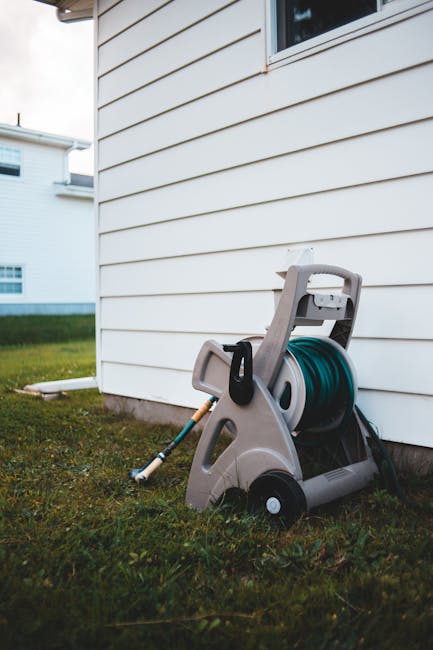
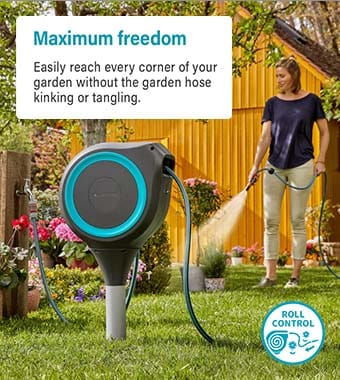
Hose reels offer a neat and efficient way to store your garden hose. They allow you to easily wind up the hose, reducing the risk of tangling. This can save you time and effort every time you water your plants. Many hose reels come with a crank handle, which makes rolling up the hose a simple task. You can say goodbye to manually coiling the hose on the ground. Additionally, hose reels can protect your hose from the sun and weather, extending its lifespan.Types Of Hose Holders
Hose holders come in various styles to suit different needs and preferences. Wall-mounted holders are great if you want to keep your hose off the ground and out of sight. They can be installed near your water source for easy access. Freestanding holders are perfect if you have a larger garden or need to move your hose around. They provide flexibility and can be placed wherever convenient. Decorative hose pots are an attractive option if you want to add an aesthetic touch to your garden. They keep your hose hidden while serving as a garden ornament. When choosing a hose holder, consider the size of your hose and the layout of your garden. Does a wall-mounted option fit your space, or would a freestanding model be more practical? Making the right choice can simplify your gardening tasks and enhance your outdoor experience.
Credit: www.amazon.com
Storing The Hose
Rolling up a garden hose neatly prevents kinks and tangles. Begin by straightening the hose on the ground. Slowly coil it in large loops, keeping each loop consistent. Secure the ends to ensure it stays rolled when stored.
Storing your garden hose properly is crucial to extend its lifespan and ensure it’s ready for use when needed. Whether you store it indoors or outdoors, understanding the best practices can prevent unnecessary wear and tear. Let’s delve into some considerations for both indoor and outdoor storage, and common mistakes to avoid.Indoor Vs Outdoor Storage
Choosing between indoor and outdoor storage depends on your space and climate. Indoor storage provides more protection from the elements. If you have a garage or shed, this can be an ideal spot. Here, your hose is shielded from harsh weather conditions that can cause damage over time. Outdoor storage is more convenient if you use your hose frequently. Consider investing in a weatherproof hose reel or container to keep it safe. This way, it’s readily accessible without compromising its durability.Avoiding Common Storage Mistakes
One common mistake is leaving the hose in direct sunlight. UV rays can weaken the material, causing cracks and leaks. Always store it in a shaded area if outdoors. Another pitfall is storing the hose with water inside. Water can freeze in cold weather, leading to splits. Make a habit of draining it thoroughly after use. Lastly, avoid tangling the hose when storing it. Tangling leads to kinks and compromises water flow. Take a moment to coil it neatly, ensuring it’s free from twists. Have you ever considered how much easier gardening could be with a well-stored hose? Just a few thoughtful steps can make all the difference.Troubleshooting Common Issues
Properly rolling up a garden hose prevents kinks and tangles. Begin by turning off the water supply. Drain any remaining water from the hose to keep it light and easy to handle. Then, coil the hose neatly, avoiding sharp bends for a smooth roll-up.
Rolling up a garden hose might seem like a straightforward task, but various issues can arise, making it more challenging than expected. Whether it’s dealing with stubborn kinks, tackling annoying leaks, or facing other unexpected hurdles, knowing how to troubleshoot these common issues can save you time and frustration. Let’s dive into some practical solutions to keep your hose in top condition.Kinks And Tangles
Kinks and tangles are perhaps the most common issues when rolling up a hose. They not only make storage difficult but can also damage the hose over time. To prevent kinks, lay the hose out straight on the ground before rolling it up. If you find your hose constantly tangling, try using a hose reel. This device helps keep the hose aligned and reduces the risk of tangles. Another tip is to always roll the hose in large loops, which naturally prevents tight twists and knots. Have you ever noticed how a tangled hose can turn a simple gardening task into a tedious chore?Leaks And Repairs
Leaks can occur due to wear and tear or improper storage. If you notice a leak, it’s essential to address it promptly to prevent further damage. Start by identifying the source of the leak, which could be at the connection point or somewhere along the hose itself. Once located, a simple repair kit can be your best friend. Kits often include connectors and patches that are easy to use. For a temporary fix, duct tape might do the trick, but investing in a proper repair ensures a longer-lasting solution. Have you considered how much water is wasted due to small, unnoticed leaks over time? Addressing them not only saves water but also extends the life of your garden hose.
Credit: www.instagram.com
Expert Tips For Longevity
Rolling up a garden hose properly extends its lifespan. With the right techniques, you can prevent common issues like kinks and cracks. Let’s explore how to maintain your hose for years to come.
Preventing Sun Damage
Sunlight can weaken a garden hose over time. Store your hose in a shaded area to protect it. Use a hose reel with a cover for added protection. This simple step prevents UV rays from causing cracks.
Enhancing Durability
Using a hose hanger keeps your hose off the ground. It helps prevent wear and tear from dragging. Avoid tight loops to prevent kinks. Larger loops allow water to flow easily, reducing pressure on the hose material.
Frequently Asked Questions
How To Properly Wrap A Water Hose?
To wrap a water hose, start by straightening it to remove twists. Coil the hose into large loops, ensuring each loop is neat. Avoid tight coils to prevent kinks. Secure the coiled hose with ties or straps. Store it in a dry location to prevent damage and prolong its lifespan.
How To Twist On A Hose?
To twist a hose, hold one end firmly. Rotate the other end gently clockwise until secure. Avoid over-twisting to prevent damage. Ensure the hose is untangled before starting. This method helps in connecting hoses to fittings or nozzles effectively.
How Do I Get My Retractable Hose To Retract?
Ensure the hose is fully extended before retracting. Press the button or lever to initiate retraction. Avoid kinks and tangles for smooth operation. Regularly clean and lubricate the hose reel for optimal performance. Follow the manufacturer’s instructions for specific retraction mechanisms.
How To Roll Up A Plastic Hose?
Straighten the hose on a flat surface. Remove kinks and twists. Start rolling from one end, keeping it tight. Use a hose reel for neat storage. Secure with ties or straps to prevent unraveling. Store in a cool, dry place to maintain flexibility and longevity.
Conclusion
Rolling up a garden hose doesn’t need to be hard. Start by draining the hose completely. This prevents kinks and tangles. Lay it flat on the ground. Then, slowly coil it in loops, keeping it neat. Store it in a cool, dry place.
This extends its life and keeps your garden tidy. Proper hose storage saves time and effort. A well-maintained hose makes watering easier. Follow these steps every time you garden. Your hose will thank you. Enjoy a clutter-free space and healthy plants.
Keep it simple and effective for the best results.


