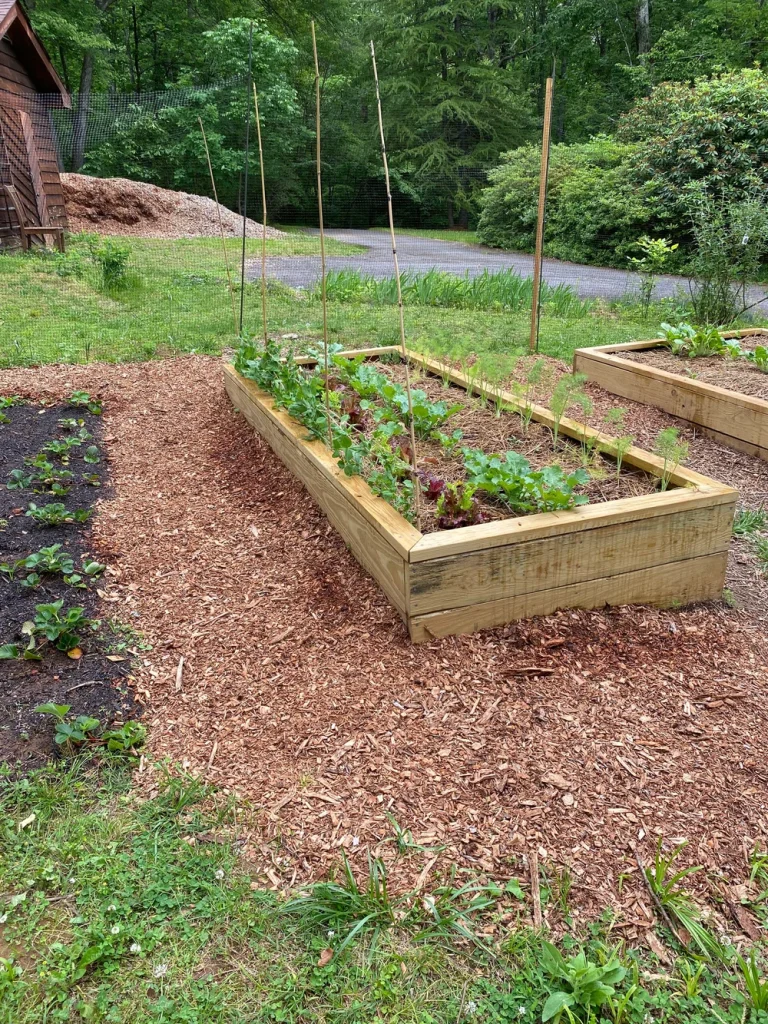
Imagine the satisfaction of harvesting your own fresh vegetables, right from your backyard. Raised garden beds can make this dream a reality, offering you a neat and efficient way to cultivate a variety of plants.
But there’s one question that often stands between you and your flourishing garden: What soil should you use for your raised garden beds? Choosing the right soil is crucial. It’s the foundation of your garden’s health and productivity. The wrong choice can leave you with poor yields and frustration.
But don’t worry, you’re about to discover the secrets to selecting the perfect soil mix. This information will set your garden on the path to success and ensure your hard work pays off. Ready to dig in and uncover how to create the ideal environment for your plants? Keep reading, and let’s transform your garden into a thriving oasis together.
Choosing The Right Soil Mix
Choosing the right soil mix for raised garden beds is crucial. It ensures healthy plant growth and abundant harvests. The ideal soil mix offers nutrients, drainage, and support. Understanding its components helps in making the best choice.
Components Of A Good Soil Mix
A quality soil mix combines different elements. These include topsoil, compost, and organic matter. Topsoil provides structure and essential minerals. Compost enriches soil with nutrients. Organic matter improves soil texture and fertility. Each component plays a vital role in plant health. The right balance creates an optimal growing environment.
Balancing Soil Texture And Structure
Soil texture and structure matter in garden beds. Texture refers to the size of soil particles. It can be sandy, loamy, or clayey. A balanced texture ensures good drainage and aeration. Structure relates to how soil particles bind together. Well-structured soil retains moisture while allowing excess water to drain. This balance is key for plant roots. It provides the stability they need to thrive.

Credit: www.thunderbirddisco.com
Organic Matter Importance
Organic matter enriches soil for raised garden beds, enhancing nutrient content and water retention. It supports healthy plant growth.
Organic matter is the lifeblood of any thriving raised garden bed. It enriches the soil, improves its structure, and increases its ability to retain nutrients and water. When you focus on organic matter, you’re setting the stage for a garden that’s not only productive but also sustainable.Benefits Of Compost
Compost is a gardener’s black gold. It is rich in nutrients and helps improve soil structure, making it an essential ingredient for raised beds. Compost adds beneficial microorganisms to the soil, which help break down organic material into nutrients that plants can use. Creating your compost is easy. Use kitchen scraps like vegetable peels and eggshells, along with yard waste like leaves and grass clippings. Over time, these materials decompose, turning into a nutrient-rich amendment for your garden. Have you ever noticed how plants in natural settings thrive without much intervention? That’s because of the natural composting process. By mimicking this in your garden, you ensure your plants get everything they need to grow strong and healthy.Incorporating Manure
Manure is another fantastic source of organic matter. It is loaded with nutrients like nitrogen, phosphorus, and potassium, crucial for plant growth. However, it’s important to use well-rotted manure to avoid burning your plants and to eliminate harmful pathogens. You might be wondering how to get started with manure. Begin by sourcing it from reliable places, such as local farms or garden centers. Mix it into your soil a few weeks before planting to allow it to break down further. Have you ever tried using manure and noticed the increased vigor in your plants? That’s because it acts as a natural fertilizer, boosting plant growth and improving soil health. Think of it as giving your garden an organic kickstart. Consider the balance of compost and manure in your soil. What combination works best for your garden’s unique needs? Experimenting with different ratios can lead to discovering the optimal blend that makes your garden flourish.Nutrient-rich Additives
Creating a thriving raised garden bed requires more than just filling it with soil. To ensure your plants get the nutrients they need, adding specific additives can make a significant difference. Nutrient-rich additives are the secret sauce to a flourishing garden, helping plants grow stronger and yield better. Whether you’re an experienced gardener or just starting, understanding how to use these additives effectively can transform your gardening experience.
Using Fertilizers Wisely
Fertilizers are a powerful tool in the gardener’s arsenal, but they need to be used thoughtfully. Overuse can lead to nutrient runoff, harming the environment and your plants. Choose fertilizers that are specifically formulated for the types of plants you’re growing. This ensures that your garden beds receive a balanced mix of nutrients tailored to their needs.
For instance, slow-release fertilizers are excellent for providing nutrients over time, reducing the risk of over-fertilization. They offer a steady supply without overwhelming your plants. Have you ever noticed your plants looking a bit yellow? That might be a sign they need more nitrogen. A targeted application can quickly remedy this issue.
Natural Amendments
Natural amendments like compost and manure are fantastic for enriching your soil organically. They improve soil structure and increase microbial activity, creating a healthier environment for your plants. Compost is not only rich in nutrients but also helps retain moisture, reducing the need for frequent watering.
Have you tried using worm castings? They’re a gardener’s best friend, packed with nutrients and beneficial bacteria. Adding them to your raised beds can significantly boost plant health and growth. Additionally, consider green manure crops like clover, which can be grown and tilled back into the soil to enhance its nutrient content naturally.
Think about the impact these natural amendments can have on your garden’s productivity. They not only feed your plants but also contribute to sustainable gardening practices. How might your garden transform with a bit of natural magic?

Credit: www.facebook.com
Drainage And Aeration
Choosing well-draining soil promotes healthy plant roots in raised garden beds. Aerated soil ensures good air flow, preventing root rot. Organic matter like compost improves drainage and aeration significantly.
Achieving the right balance of drainage and aeration is crucial for the health of your raised garden beds. Without proper drainage, plants can suffer from waterlogged roots, which stunts growth and invites disease. Meanwhile, adequate aeration ensures roots receive the oxygen they need to thrive. Let’s delve into practical ways you can optimize drainage and aeration in your soil mix.Preventing Waterlogging
Choosing the right soil mix can be your first defense against waterlogging. You should aim for a mixture that includes sandy soil, as it allows water to pass through more easily. Adding organic matter like compost or peat moss can further enhance drainage by breaking up compacted soil. Consider elevating your garden bed slightly higher than the surrounding ground. This simple step can make a big difference in allowing excess water to drain away naturally. Additionally, installing a layer of gravel at the bottom of your raised bed can facilitate drainage, preventing water from pooling at the roots.Enhancing Soil Aeration
Aeration is about getting air to the roots, and one effective way to enhance it is by mixing in coarse materials. Perlite or vermiculite are excellent choices; they create air pockets in the soil, promoting root health. Aim for a soil mix where these components make up about 10-20% of the volume. Regularly turning the soil can also improve aeration. Use a garden fork to gently loosen the soil without disturbing the plant roots. This practice introduces air into the soil and helps maintain its structure over time. Have you thought about the role of earthworms? They naturally aerate the soil as they move through it. Introducing them to your raised beds can be a natural and effective way to enhance aeration. By understanding and applying these techniques, you can ensure your raised garden beds are optimal environments for plant growth. What changes will you make to enhance your garden’s drainage and aeration?Ph Levels And Soil Testing
Soil pH is vital for healthy garden beds. It affects nutrient availability and plant growth. Knowing your soil’s pH helps you choose the right plants. Testing your soil can reveal its pH level and nutrient content. This ensures your garden thrives.
Correcting Ph Imbalances
Adjusting soil pH is essential for optimal plant health. Acidic soil is common in many gardens. To raise pH, add lime to the soil. Use dolomitic lime for added magnesium benefits. Alkaline soil requires a different approach. Lower pH with sulfur or peat moss. Coffee grounds can also help. Always re-test soil after amendments.
Conducting A Soil Test
Testing soil is a straightforward process. Gather samples from different garden areas. Mix samples in a clean container. Use a pH test kit for accuracy. Test kits often include instructions. Check for nutrient levels as well. Some kits offer this feature. Send soil samples to a lab for detailed results. This gives a comprehensive soil profile.
Sourcing Quality Soil
Choosing the right soil for raised garden beds ensures healthy plant growth. Opt for a mix of topsoil, compost, and organic matter to provide essential nutrients and good drainage. Quality soil enriches plants with minerals, promoting vibrant blooms and bountiful harvests.
Sourcing quality soil is crucial for thriving raised garden beds. The right soil mix supports healthy plant growth and yields. Gardeners often face choices between local suppliers and commercial mixes, or crafting their own soil blend. Understanding these options helps ensure your plants get the best start possible.Local Suppliers Vs. Commercial Mixes
Local suppliers offer fresh soil that suits regional climate and plant needs. They often provide organic options, reducing chemical use in gardening. Buying locally supports community businesses and may save money on transport costs. Commercial mixes are widely available and convenient. These pre-mixed soils contain balanced nutrients for various plant types. They are usually sterilized, minimizing the risk of weeds or pests. Consider your budget and gardening goals when choosing between these options. Both have benefits depending on your individual needs.Diy Soil Mix Tips
Creating a DIY soil mix allows customization for specific plant needs. Start with a base of topsoil or garden soil. Add compost for nutrients and organic matter. Include materials like perlite or vermiculite for improved drainage. Mix in some peat moss to retain moisture. Ensure the soil is loose and crumbly, not compacted. Test the pH and adjust with lime or sulfur as needed. This hands-on approach can be rewarding. It ensures the soil matches your plants’ needs perfectly.Sustainability Considerations
Choosing the right soil for raised garden beds enhances sustainability. Opt for organic soil rich in nutrients and free from harmful chemicals. This approach supports plant health and conserves resources, making gardening eco-friendly and productive.
Sustainability Considerations Creating a sustainable raised garden bed involves more than just choosing the right plants. It’s about being mindful of the soil you use and the long-term impact on the environment. By adopting eco-friendly practices and reusing materials, you contribute to a greener planet while cultivating a thriving garden.Eco-friendly Practices
You can start by using organic soil that is free from chemical fertilizers and pesticides. This not only benefits your plants but also protects the surrounding ecosystem. Consider using locally sourced soil to reduce the carbon footprint associated with transportation. Local soil is often adapted to the climate and may contain beneficial microorganisms that enhance plant growth. Try adding compost made from kitchen scraps and yard waste. It’s a natural way to enrich your soil with nutrients while reducing landfill waste.Reusing And Recycling Soil
Have you thought about what happens to soil after the growing season? Instead of discarding it, refresh and reuse it for the next planting cycle. Mix old soil with fresh compost to reinvigorate its nutrient content. This practice keeps costs down and minimizes waste. You can also repurpose soil from other parts of your yard or garden. This is particularly effective if you have leftover soil from previous projects. As you engage in these practices, consider what small changes you can make to transform your garden into a sustainable haven. Are there opportunities to share resources with neighbors, or perhaps start a community compost pile?
Credit: www.thunderbirddisco.com
Frequently Asked Questions
What Do You Put In The Bottom Of A Raised Garden Bed?
Begin with a layer of cardboard or newspaper to prevent weeds. Add coarse gravel or stones for drainage. Fill with quality soil mix and compost to enrich nutrients. Ensure materials are organic and chemical-free to promote healthy plant growth. This setup supports effective water management and root development.
What Not To Fill Raised Beds With?
Avoid filling raised beds with pure sand, clay, or construction debris. These materials hinder drainage and nutrient availability. Avoid using chemically treated wood or contaminated soil. Such materials can harm plant health and impede growth. Use a balanced mix of organic materials like compost, peat, and topsoil instead.
Is Raised Bed Garden Soil The Same As Potting Soil?
Raised bed garden soil differs from potting soil. It contains more organic matter and nutrients for outdoor plants. Potting soil is lighter, designed for containers, and often includes materials like peat moss and perlite for better drainage. Both serve specific purposes and are not interchangeable.
What Soil Mix Is Best For Raised Garden Beds?
A blend of topsoil, compost, and organic matter is ideal. This mix ensures good drainage and nutrient-rich soil. Aim for a balanced pH to support plant growth. Test soil regularly for optimal results. Consider adding perlite for improved aeration and moisture retention.
Conclusion
Choosing the right soil matters for your raised garden beds. Good soil supports healthy plant growth. It is essential for nutrients and drainage. Test your soil to ensure it meets your garden’s needs. Mix organic matter like compost for better results.
Add sand or perlite for drainage improvement. Keep soil loose for root expansion. Remember, soil quality affects plant health. Invest time and effort in selecting the right soil. Happy gardening! Nurture your plants with care. Watch them thrive in the best soil possible.
Your garden can be a source of joy and beauty.


