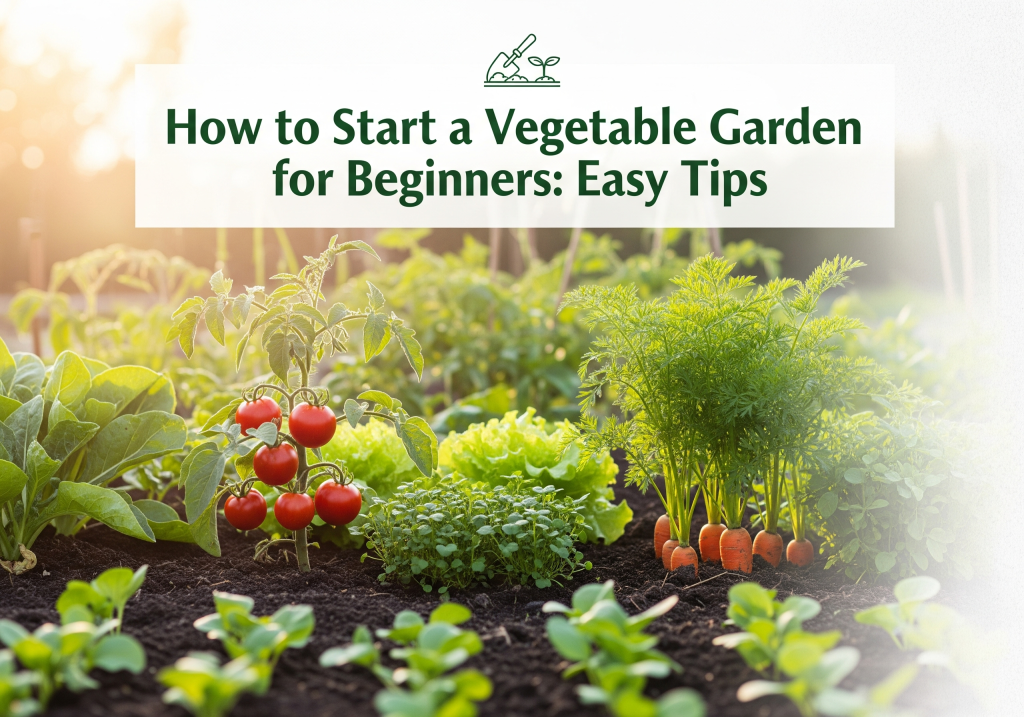
Imagine stepping outside and picking fresh tomatoes, crisp lettuce, or aromatic basil right from your backyard. Starting your own vegetable garden can transform this dream into a reality.
Whether you have a sprawling yard or just a small balcony, you can create a thriving garden that offers both nourishment and satisfaction. Why should you begin this green adventure? Because cultivating your own food is empowering, rewarding, and surprisingly simple.
You might feel overwhelmed or unsure about where to start, but with the right guidance, you can plant and grow with confidence. This article is your roadmap to mastering the basics of vegetable gardening. You’ll discover practical tips, easy techniques, and essential tools to kickstart your garden with success. Imagine the joy of serving a meal with veggies you’ve grown yourself—it’s a feeling you won’t want to miss. So, roll up your sleeves, grab your gardening gloves, and dive into this guide to make your vegetable garden a flourishing reality.
Choosing The Right Location
Starting a vegetable garden is a rewarding venture, but selecting the perfect spot is crucial to your gardening success. The location of your garden can significantly impact your plants’ growth and yield. Let’s dive into the essentials of choosing the right location by understanding sunlight requirements, soil quality, and water accessibility.
Sunlight Requirements
Vegetables thrive on sunlight, making it a critical factor in choosing your garden’s location. Aim for a spot that receives at least six to eight hours of direct sunlight daily. This might mean observing your yard to see where the sun casts its rays longest. Consider where the shadows from trees or buildings fall during different times of the day. If you’re unsure, try testing different spots with a sun calculator. It’s a small investment that can make a big difference in your garden’s productivity.
Soil Quality
Healthy soil is the backbone of any successful garden. Look for an area with well-draining soil to prevent water logging, which can suffocate plant roots. You might want to dig a small test hole and fill it with water. If it drains within a few hours, you’re in luck. Soil with a balance of sand, silt, and clay is ideal. Don’t hesitate to amend your soil with organic matter to enhance its fertility. A simple soil test can reveal its pH and nutrient levels, guiding you on what amendments might be necessary.
Water Accessibility
Consistent watering is crucial, especially in the early stages of plant growth. Choose a location near a water source to make watering convenient. It’s easy to overlook this, but dragging a hose across the yard can become tedious quickly. Consider installing a rain barrel to collect water, reducing reliance on tap water. This eco-friendly option not only saves money but also provides your plants with natural rainwater, which they love.
Do you have a spot in mind that ticks all these boxes? Remember, a little planning goes a long way in ensuring your vegetable garden flourishes.

Credit: www.pinterest.com
Selecting Suitable Vegetables
Selecting Suitable Vegetables Choose easy-to-grow vegetables like tomatoes, lettuce, and radishes. These require minimal care and thrive in most climates. Consider your climate and space before planting.
Starting a vegetable garden is a rewarding journey, especially when you pick the right crops to cultivate. Choosing suitable vegetables is crucial for a successful harvest and helps ensure your gardening efforts are fruitful. As a beginner, it’s essential to consider factors like climate, ease of growing, and the space you have available. Let’s dive into how you can choose the best vegetables for your new garden.Climate Considerations
Understanding your local climate is a vital step in selecting the right vegetables. Different plants thrive under different conditions, and your region’s temperature and weather patterns will influence your choices. If you live in a warmer climate, vegetables like tomatoes, peppers, and cucumbers flourish. These plants love the heat and can produce abundant crops under the right conditions. In cooler regions, consider planting hardy vegetables such as kale, peas, and carrots. These can handle lower temperatures and often thrive even when the weather isn’t perfect. Research your area’s last frost date to plan your planting schedule. This knowledge helps you avoid the disappointment of frost-damaged seedlings and ensures your garden starts strong.Beginner-friendly Options
Starting a vegetable garden doesn’t mean you need to tackle difficult plants right away. Many vegetables are easy to grow and perfect for beginners, offering a satisfying start to your gardening adventure. Lettuce is an excellent choice for new gardeners. It’s versatile, grows quickly, and can be harvested multiple times. Plus, who doesn’t love fresh salad greens straight from the garden? Radishes are another great option. They mature fast, sometimes in as little as 30 days, providing quick gratification and a splash of color to your garden. Consider growing zucchini, which is known for being prolific and forgiving. One or two plants can produce more than enough for your family, making them a staple in many gardens. What vegetables do you enjoy eating? Start with those, as your enthusiasm for your favorite foods will keep you motivated to tend to your garden. Remember, the most important part is to enjoy the process and learn as you grow.Gathering Essential Tools
Gathering essential tools is key for beginners starting a vegetable garden. Basic tools like a trowel, watering can, and garden gloves are necessary. Having the right equipment ensures easy planting and maintenance, helping your garden thrive.
Starting a vegetable garden can be a rewarding adventure. Before diving into planting, gathering essential tools is crucial. Proper tools ensure ease and efficiency in your gardening journey. With the right gear, you can turn your gardening dreams into reality.Basic Gardening Tools
A few basic tools make gardening tasks easier. A sturdy shovel helps with digging and turning soil. Choose one with a comfortable grip to reduce strain. A hoe is useful for clearing weeds and shaping soil. Look for one that suits your height for better control. Pruning shears are perfect for trimming plants and harvesting vegetables. Select a pair that fits your hand well. A watering can or hose keeps plants hydrated. Opt for one with adjustable settings for different water flow needs. A rake smooths soil and collects debris. A lightweight, durable rake is ideal for quick clean-up. Gloves protect hands from dirt and sharp objects. Choose gloves with a snug fit for better dexterity.Protective Gear
Protective gear safeguards your health while gardening. A hat shields your head from the sun’s harmful rays. Sunglasses protect your eyes from glare. Wear sunscreen to prevent sunburn during long hours outside. Sturdy shoes or boots protect your feet from sharp tools and uneven ground. Long sleeves and pants shield your skin from scratches and insects. A kneeling pad offers comfort when tending to plants close to the ground. A mask keeps dust and pollen at bay, especially for those with allergies. Ear protection is important when using loud tools like electric tillers. Wearing protective gear ensures a safe and enjoyable gardening experience.Preparing The Soil
Preparing the Soil Begin by clearing weeds and debris from your garden area. Loosen the soil using a shovel or fork to improve drainage and aeration. Mix in compost or well-rotted manure to enrich the soil with nutrients.
Preparing the soil is the foundation of a thriving vegetable garden. It’s like setting the stage for a successful performance, where your plants are the stars. A little effort in this phase can make a big difference in the quality and quantity of your harvest. Plus, working with soil can be surprisingly therapeutic! Let’s dive into the essentials of soil preparation to set your garden up for success.Testing Soil Ph
Understanding your soil’s pH is crucial because it affects nutrient availability. You can easily test your soil using a DIY kit from a garden center. It’s a small investment that can save you big headaches later. Aim for a pH between 6.0 and 7.5, which is ideal for most vegetables. If the pH is too high or low, don’t worry. There are simple ways to adjust it, such as adding lime to raise pH or sulfur to lower it.Adding Nutrients
Once you know your soil’s pH, it’s time to enrich it with nutrients. Think of nutrients as the vitamins your plants need to grow strong and healthy. Compost is a fantastic, natural way to add nutrients. It’s like giving your garden a buffet of nutrients. If you’re short on compost, consider using well-rotted manure or a balanced organic fertilizer. Mix the nutrients into the top six inches of soil. This is where your plants’ roots will primarily grow, so make sure they have the best start possible. Remember, healthy soil leads to a bountiful garden! Are you ready to give your plants the best chance to flourish?Planting Techniques
Starting a vegetable garden requires choosing a sunny spot and preparing the soil. Plant seeds or seedlings with care, ensuring proper spacing for growth. Regular watering and monitoring for pests will support healthy plants.
Planting techniques are crucial for a successful vegetable garden. Beginners often feel overwhelmed by the different methods available. Understanding the basics makes the process easier and more rewarding. Each technique can impact the growth and health of your plants. Let’s dive into some of the essential planting techniques.Seed Vs. Seedlings
Choosing between seeds and seedlings depends on your preference and patience. Seeds cost less and offer a wide variety of plants. They take longer to grow and need more care initially. Seedlings, on the other hand, are young plants ready to go into the ground. They save time and give you a head start in the growing season. They might cost more but are often worth the investment for beginners.Spacing And Depth
Proper spacing ensures each plant gets enough sunlight and nutrients. Crowded plants compete and may not grow well. Check seed packets or labels for recommended spacing. This helps prevent diseases and pests from spreading quickly. Planting depth is also vital. Too shallow, and roots may dry out; too deep, and seeds might not sprout. Always follow the instructions for each plant type to ensure optimal growth.Watering And Maintenance
Ensure consistent watering to keep soil moist but not soggy. Regularly check plants for pests and diseases.
Starting a vegetable garden is a rewarding endeavor, but it requires consistent care to thrive. Watering and maintenance are crucial parts of this journey, ensuring your plants grow healthy and strong. With the right watering schedule, effective weed control, and smart pest management, your garden can flourish, providing fresh produce for your kitchen.Watering Schedule
Creating a watering schedule is essential for your garden’s health. Different vegetables have varied water needs. Leafy greens may need more frequent watering than root vegetables. Consider factors like weather conditions; on hot days, your plants may require extra hydration. Test the soil moisture by sticking your finger into the ground. If it feels dry an inch below the surface, it’s time to water. Aim to water early in the morning or late afternoon to minimize evaporation. This helps your plants absorb more water, giving them the hydration they need to thrive.Weed Control
Weeds can steal nutrients and sunlight from your vegetables, so effective control is vital. Regularly check your garden for unwanted growth. Pulling weeds by hand is a simple and effective method, especially when they are young. Make it a habit to inspect your garden every week to keep weeds at bay. Consider mulching as a preventive measure. Adding a layer of mulch can suppress weed growth and retain soil moisture, benefiting your plants significantly.Pest Management
Pests can be a gardener’s nightmare, but simple strategies can keep them under control. Start by identifying the common pests in your area. Use natural remedies like neem oil or garlic spray to deter insects. These solutions are eco-friendly and safe for your plants. Encourage beneficial insects like ladybugs, which can help manage pest populations naturally. Remember, a healthy garden often attracts helpful bugs that keep harmful ones in check. Regularly inspect your plants for any signs of pest damage. Early detection can save your crops from significant harm.Harvesting Tips
Plant seedlings in well-drained soil and water regularly for healthy growth. Choose the right time to harvest your vegetables. Use garden tools carefully to avoid damaging plants.
Harvesting tips can make or break the success of your vegetable garden. Knowing exactly when and how to pick your produce can ensure maximum flavor and nutrition. As a beginner, you might be wondering how to recognize the perfect time to harvest and the best methods to do so. Let’s dive into some practical tips that will help you enjoy the fruits (or veggies) of your labor.Identifying Ripeness
Understanding when your vegetables are ripe is crucial. Look for visual cues like color changes or size. Tomatoes, for instance, should be vibrant red and slightly soft to the touch. Pay attention to texture. A ripe cucumber should be firm, while beans should snap easily. Sometimes, a simple taste test will tell you if your veggies are ready. Timing is everything. If you pick too early, you may miss out on flavor. Waiting too long can mean overripe produce. Have you ever waited too long and ended up with mushy zucchini?Proper Picking Methods
Using the right tools can make harvesting easier. A pair of sharp scissors or pruning shears can help you cut cleanly without damaging the plant. Gentle hands prevent bruising. Carefully twist tomatoes off the vine or gently pull beans from the stalk. Are you using delicate techniques to ensure the longevity of your plants? Harvest regularly to encourage more growth. Frequent picking can lead to continuous production. What’s your strategy for maintaining a steady harvest throughout the season? By focusing on these practical tips, you’ll not only enjoy a bountiful harvest but also become more connected with your garden. Happy gardening!
Credit: www.rasnetwork.org
Seasonal Considerations
Starting a vegetable garden requires understanding seasonal changes. Planting times depend on temperature and frost dates. Choose vegetables suited to your climate for best results.
Seasonal considerations play a vital role in starting a vegetable garden. Each season brings unique challenges and opportunities for gardeners. Understanding these seasonal changes helps you plan better and enjoy a fruitful garden.Spring And Summer Planting
Spring is a great time for planting many vegetables. The soil warms, encouraging seeds to sprout quickly. Plan to plant cool-weather crops like lettuce, spinach, and peas early in spring. These thrive before the heat intensifies. Once the threat of frost passes, plant warm-weather crops. Tomatoes, peppers, and cucumbers love the summer sun. Water regularly to keep the soil moist, especially during hot days. Mulch helps retain moisture and reduces weeds.Fall And Winter Care
Fall is the time to prepare your garden for winter. Plant hardy vegetables like kale, broccoli, and carrots. These can withstand cooler temperatures. Clear out any dead or dying plants. This prevents pests from overwintering in your garden. Cover crops like clover protect the soil during winter. They prevent erosion and improve soil health. In colder regions, consider using row covers or cold frames. These protect plants from frost, extending the growing season.
Credit: littlesproutslearning.co
Frequently Asked Questions
What Is The Easiest Vegetable To Grow For A Beginner?
Radishes are the easiest vegetable for beginners. They grow quickly and require minimal maintenance. Plant them in well-drained soil and provide regular watering. Within 3-4 weeks, you can harvest fresh radishes. They thrive in both spring and fall, making them an ideal choice for novice gardeners.
What Is The Most Common Mistake Of First Time Gardeners?
The most common mistake for first-time gardeners is overwatering plants. This leads to root rot and poor growth. Beginners often misjudge the water needs of different plants. Always check soil moisture before watering to prevent this error.
How To Start A Vegetable Garden For Beginners Step By Step?
Choose a sunny location. Prepare soil by removing weeds and adding compost. Select easy-to-grow vegetables like tomatoes or lettuce. Plant seeds according to package instructions. Water regularly and provide support for growing plants. Monitor for pests and diseases. Harvest vegetables when ripe.
Enjoy your fresh produce!
What Month Should You Start A Vegetable Garden?
Start your vegetable garden in early spring, around March or April. Check your local frost dates for precision. Early planting ensures a long growing season. Tailor planting to your region’s climate for the best results.
Conclusion
Starting a vegetable garden is simpler than it seems. Begin with easy-to-grow vegetables. Think tomatoes, lettuce, and carrots. Prepare your soil with care. Good soil means healthy plants. Watering is key. Don’t forget sunlight. Vegetables love sun. Patience helps too.
Gardens grow slowly. Celebrate small successes. A sprout is a win. Stay curious. Learn as you grow. Gardening can be fun and rewarding. It’s time to enjoy fresh vegetables. Your garden awaits. Dive in and watch your hard work flourish.
Happy gardening!


