Imagine tending to your vegetable garden, eagerly anticipating the fresh produce you’ll soon enjoy. But then, you notice something’s not right.
Your plants look weak, and your harvest isn’t what you expected. The culprit? Grubs. These sneaky pests can wreak havoc on your garden, turning your green paradise into a battleground. How do you effectively tackle this problem? In this guide, you’ll discover simple, effective ways to rid your vegetable garden of grubs.
We’ll show you how to protect your plants and ensure your garden thrives. Ready to regain control and see your garden flourish? Keep reading, and let’s transform your garden into the healthy, vibrant space it’s meant to be.

Credit: www.youtube.com
Identifying Grubs
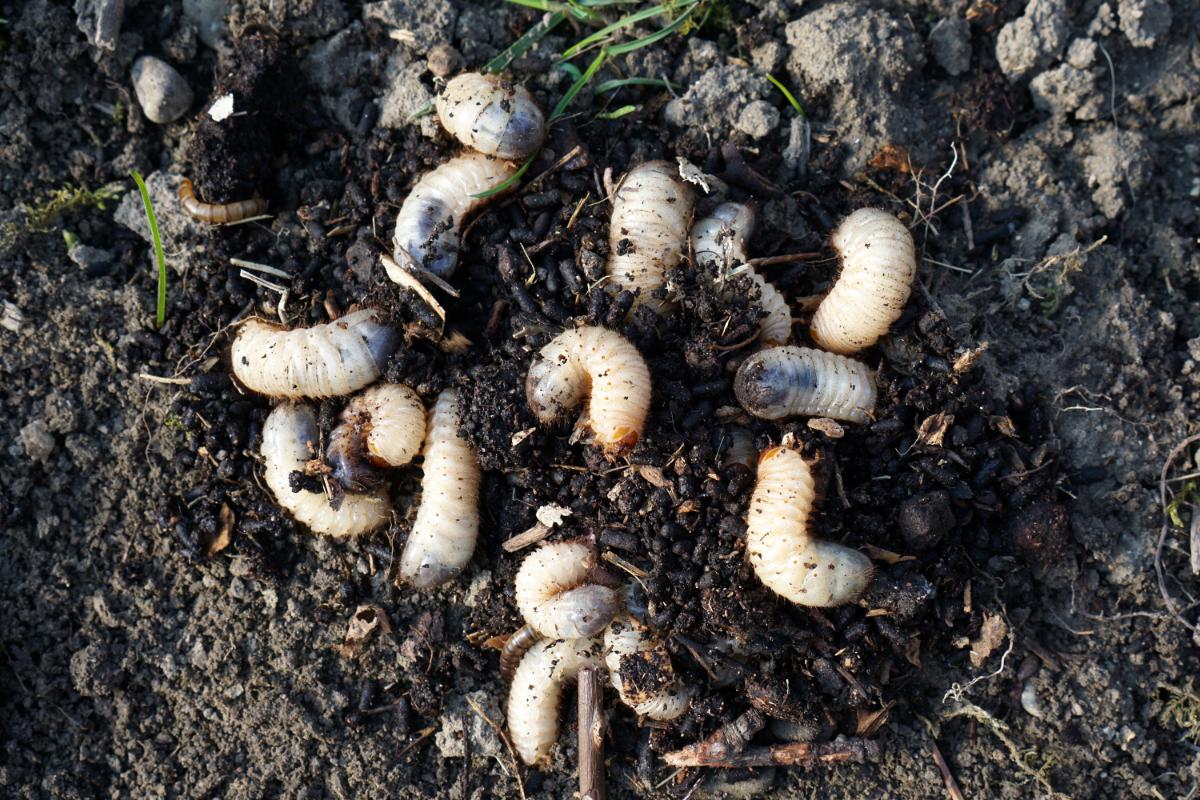
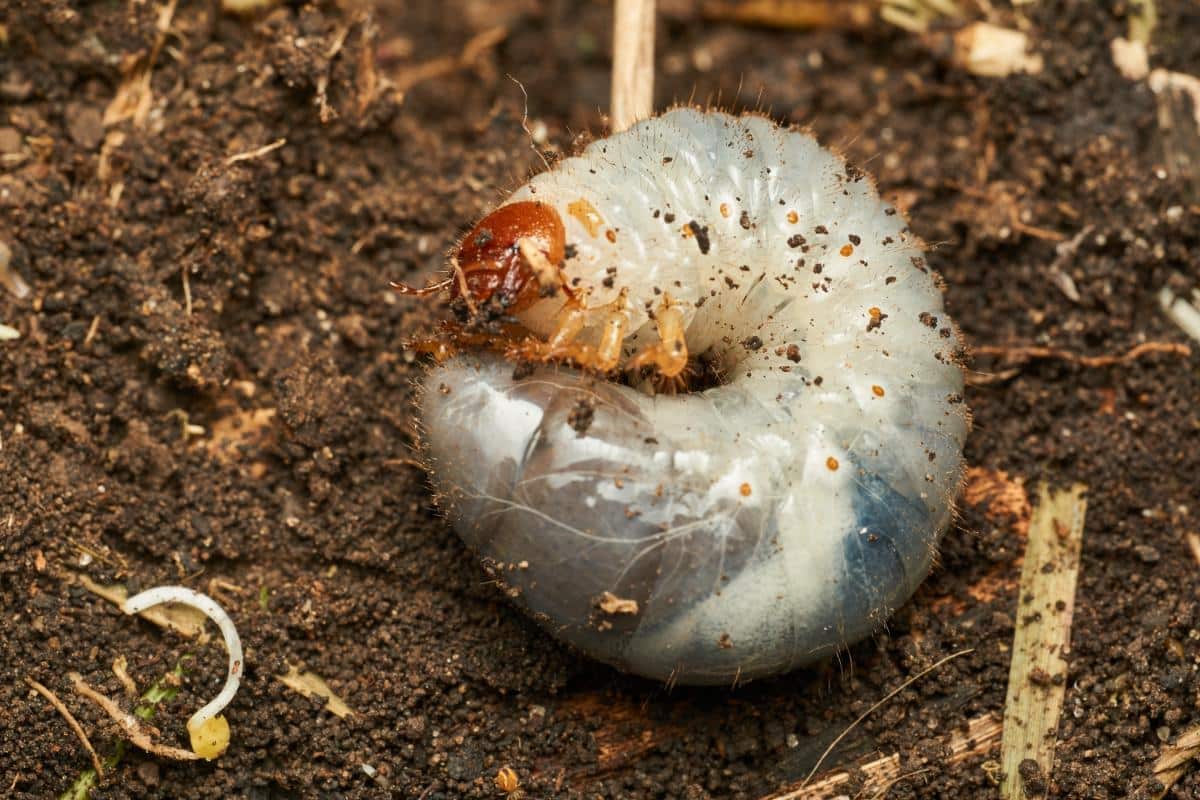
Spotting grubs in your vegetable garden involves checking for wilting plants and brown patches. Tiny, white C-shaped larvae often hide under the soil. Regular inspection helps in early detection, crucial for protecting your garden.
Identifying grubs in your vegetable garden is crucial. These pests can damage plants and affect growth. Knowing their signs helps keep your garden healthy.
Signs Of Grub Infestation
Grubs are sneaky, often hiding beneath the soil. Look for brown patches or wilting plants. Your garden may also have birds pecking more than usual. These signs mean grubs are likely present. Check for small holes in the ground, as grubs feed on roots. Take action quickly to protect your plants.
Common Types Of Grubs
Several grub types can invade gardens. The most common are Japanese beetle larvae. They are white and C-shaped. Another type is the European chafer grub. It looks similar but is slightly bigger. May beetle grubs are also common. These are known for causing significant damage. Understanding these types helps in choosing effective control methods. Identifying the right grub type allows for targeted treatment. Keep an eye on your garden and act promptly. It ensures your vegetables thrive and stay healthy.
Natural Control Methods
Natural control methods offer an eco-friendly way to manage grubs in your vegetable garden. These methods harness nature’s own solutions to keep your plants safe. Let’s explore some effective techniques to control grubs naturally.
Beneficial Nematodes
Beneficial nematodes are tiny worms that seek out grubs. These microscopic organisms invade the grub and release bacteria. The bacteria kill the grub within days. Apply nematodes to moist soil during early morning or late afternoon. This timing protects them from the sun. Regular application ensures your garden stays healthy and grub-free.
Milky Spore Application
Milky spore is a natural bacterium that targets grubs. It infects them with a disease, eventually causing their death. Apply milky spore in late summer or early fall. This timing coincides with the grubs’ feeding cycle. The spore multiplies as grubs die, creating a long-term solution. A single application can protect your garden for years.
Birds And Natural Predators
Birds are natural predators of grubs. Encourage them by placing bird feeders and baths in your garden. They will feast on grubs and other pests. Frogs, toads, and beetles also prey on grubs. Create habitats for these helpful creatures. A diverse ecosystem keeps grub populations in check.
Chemical Control Options
Chemical control options can effectively manage grubs in vegetable gardens. Use specific grub-targeting pesticides for quick results. Always follow label instructions to protect plants and soil health.
Chemical control options can be an effective way to manage grubs in your vegetable garden. While natural methods like handpicking or using nematodes might work for minor infestations, sometimes you need a more robust solution. Chemical pesticides, when used correctly, can swiftly reduce grub populations and protect your plants. However, they require careful application to ensure safety for both you and your vegetables.
When To Use Pesticides
Timing is crucial when applying chemical pesticides. Grubs are most vulnerable during specific stages of their life cycle, usually when they are young and actively feeding on roots. Late summer and early fall are typically the best times to target them. Consider the extent of the infestation. If your vegetable garden is suffering significant damage, it might be time to bring out the chemicals. Always weigh the potential benefits against risks to ensure you’re making the best choice for your garden’s health.
Safe Application Techniques
Safety should be your top priority when applying pesticides. Start by reading the label instructions carefully. They provide essential information on dosage, application methods, and safety precautions. Use protective gear such as gloves and masks to minimize exposure. Ensure that you’re applying the chemicals on a calm day to prevent drift onto unintended areas. Consider the impact on beneficial insects. Try to apply pesticides during times when these helpful creatures are less active, like early morning or late afternoon. Think about how your actions affect the ecosystem of your garden.
Credit: gardening.org
Cultural Practices
Natural remedies help keep grubs away from vegetable gardens. Introducing beneficial nematodes can effectively control grub populations. Regularly tilling the soil exposes grubs to predators, reducing their numbers naturally.
Cultural practices play a vital role in maintaining a healthy vegetable garden. They help in keeping grubs at bay. These practices are not only eco-friendly but also improve the overall health of your garden. Below are some essential cultural practices to consider.
Proper Irrigation Techniques
Proper irrigation is crucial for a grub-free garden. Overwatering can attract grubs. Use drip irrigation to water directly at the root. This minimizes excess moisture on the soil surface. Water early in the morning to reduce evaporation. This ensures plants get the needed moisture.
Crop Rotation Benefits
Crop rotation disrupts the life cycle of grubs. Plant different crops in different areas each season. This prevents grubs from establishing a stronghold. It also helps in reducing pest and disease buildup. Rotate with plants that grubs dislike, like garlic or onions. This practice improves soil health over time.
Soil Health Maintenance
Healthy soil is less attractive to grubs. Add organic matter like compost to your soil. This improves its structure and nutrient content. Healthy soil supports strong root systems. Strong roots can better withstand pest pressures. Regular soil testing can help in understanding nutrient needs. Implement these cultural practices to protect your vegetable garden from grubs. They are simple yet effective methods to maintain a healthy garden ecosystem.
Preventive Measures
Keep vegetable gardens healthy by removing grubs with natural methods. Use beneficial nematodes or diatomaceous earth to control pests. Regularly inspect plants and maintain soil quality for effective grub prevention.
Preventive Measures are crucial to keeping grubs at bay in your vegetable garden. By taking proactive steps, you can save yourself from dealing with these pesky invaders and ensure a healthy, thriving garden. Implementing regular monitoring and adopting healthy garden practices are key strategies in grub prevention.
Regular Monitoring
Keeping a watchful eye on your garden is the first line of defense against grubs. Set aside time each week to inspect your plants and soil. Look for any signs of grubs or their damage, such as wilting plants or brown patches on leaves. Use a small shovel to dig up a few inches of soil and check for these white, C-shaped larvae. Early detection allows you to take action before they cause significant harm. Have you considered setting up a garden journal to note these observations?
Healthy Garden Practices
A healthy garden is less appealing to grubs. Start by rotating your crops each season to disrupt the lifecycle of these pests. This simple change can make your garden a less hospitable place for them. Add organic matter like compost to enrich your soil. This not only boosts plant health but also encourages beneficial organisms that naturally control grub populations. Encourage biodiversity by planting a variety of crops and flowers. This attracts beneficial insects and birds that can keep grub numbers in check. What steps will you take to create a more diverse garden environment? By focusing on these preventive measures, you set the stage for a thriving, grub-free vegetable garden.
Credit: gardening.org
Expert Insights
Getting rid of grubs in your vegetable garden can be a daunting task. With a little expert advice, you can tackle this problem effectively. From horticulturists who have spent years studying plant health, to successful case studies, there are proven methods to keep your garden safe from these pesky invaders. Let’s delve into some expert insights that will help you protect your vegetable patch.
Advice From Horticulturists
Horticulturists recommend a few key strategies to combat grubs. Ensuring your soil is well-aerated can make it less appealing to these pests. Regularly turning the soil not only disrupts grub activity but also promotes healthy plant growth. Consider introducing natural predators like birds or beneficial nematodes which can naturally reduce grub populations.
Another tip is maintaining proper garden hygiene. Removing debris and keeping the garden tidy can prevent grubs from finding a suitable habitat. Horticulturists emphasize the importance of understanding the lifecycle of grubs to time your interventions effectively, particularly during their most vulnerable stages.
Case Studies Of Successful Management
One gardener shared their success story of using milky spore powder to control grub populations. This naturally occurring bacteria targets grubs, significantly reducing their numbers within a few seasons. While initially skeptical, they found that applying the powder during spring and fall led to a noticeable decrease in grub damage.
Another vegetable grower opted for a preventative approach by planting grub-resistant crops. By choosing varieties less susceptible to grub attacks, their garden thrived without the need for constant pest management. This method not only protected their vegetables but also saved time and resources.
These case studies highlight the importance of combining different strategies for effective grub management. What tactics could you implement in your garden to protect your veggies?
Frequently Asked Questions
Does Dawn Dish Soap Really Kill Grubs?
Dawn dish soap can kill grubs by suffocating them. Mix with water and spray on affected areas. It’s a temporary solution and may not eliminate all grubs. For best results, combine with other pest control methods. Always test on a small area first to avoid harming plants.
What Are The White Grubs In My Vegetable Garden Soil?
White grubs are larvae of beetles like June bugs. They feed on plant roots, causing damage. Control them by using beneficial nematodes or insecticides. Regularly inspect soil and remove grubs manually. Proper garden maintenance can help prevent infestations and protect your vegetables.
How To Get Rid Of Grub Worms In Tomato Plants?
Apply beneficial nematodes to the soil to eliminate grub worms. Use neem oil spray to deter them. Maintain healthy soil with regular composting and crop rotation. Handpick visible grubs from the plants. Ensure proper watering and avoid over-fertilizing, as it attracts grubs.
Should I Kill Grubs In My Garden?
Yes, kill grubs to protect your garden. Grubs damage roots, leading to plant health issues. Use natural methods like nematodes or chemical treatments. Monitor regularly for effective control. Healthy gardens thrive without grub infestations.
Conclusion
Grubs can harm your vegetable garden. Act quickly to control them. Regular checks help spot grubs early. Use natural remedies to protect plants. Neem oil and garlic spray can deter grubs. Healthy soil can resist pest attacks. Encourage birds to visit your garden.
They eat grubs and other pests. Keep your garden clean and well-maintained. Remove debris where grubs might hide. Consistent care ensures a thriving garden. Grubs are a challenge, but manageable with effort. Protect your vegetables. Enjoy a healthy harvest. Happy gardening!