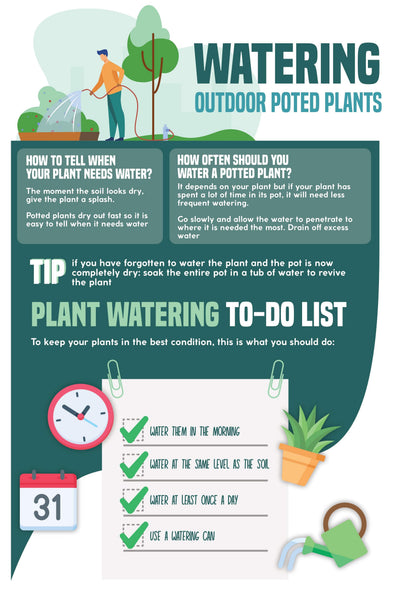
Are you unsure about the watering needs of your beloved garden? You’re not alone.
Many garden enthusiasts, both new and seasoned, often find themselves pondering the same question: “How often should I water my garden? ” The answer isn’t as straightforward as you might think. It depends on various factors like climate, soil type, and the specific plants you’re nurturing.
But don’t worry; this guide is here to clear up the confusion and help you cultivate a thriving garden. Imagine vibrant blooms and lush greenery, all thriving under your care because you know exactly when and how to water them. Dive into this article and discover the secrets to perfect garden hydration. Your plants will thank you!
Importance Of Watering
Watering your garden is vital for plant health and growth. Plants need water to absorb nutrients from the soil. Consistent watering helps them produce beautiful flowers and fruits. Without proper hydration, plants can wilt or die. Understanding the importance of watering is key to a thriving garden.
Understanding Plant Needs
Different plants have unique water requirements. Some need daily watering, others weekly. Knowing each plant’s needs prevents overwatering or underwatering. Check plant labels or guides for specific instructions.
Effects On Soil
Water affects soil structure and nutrient availability. Proper watering keeps soil moist and fertile. Dry soil can cause nutrient deficiencies. Water helps roots spread and grow strong.
Climate Considerations
Climate influences garden watering frequency. Hot weather requires more frequent watering. Cooler climates need less. Adjust your watering schedule based on local weather conditions.
Signs Of Underwatering
Underwatered plants show clear signs. Leaves turn brown or curl. Growth slows down significantly. Soil feels dry to touch. Observing these signs helps correct watering habits.
Signs Of Overwatering
Overwatering leads to root rot and other issues. Leaves become yellow and soft. Soil stays soggy and muddy. Pay attention to drainage and adjust watering if needed.
Using Mulch
Mulch helps retain moisture. It reduces evaporation from soil. Spread mulch around plants to improve water retention. Mulch also adds nutrients to the soil.
Choose the best watering method for your garden. Drip irrigation targets roots directly. Sprinklers cover large areas evenly. Hand watering allows for precise control.
Early Morning Watering
Watering in the early morning reduces evaporation. Plants absorb water before the sun gets hot. This method conserves water and keeps plants hydrated.
Evening Watering
Evening watering cools plants after a hot day. Water stays longer in the soil. Avoid watering too late to prevent fungal growth.
Monitoring Water Levels
Regularly check soil moisture levels. Use a moisture meter for accuracy. Adjust watering based on readings. This ensures plants receive adequate water.
Rainwater Collection
Collect rainwater for eco-friendly watering. Use barrels to store rainwater. It’s free and beneficial for plants. Rainwater reduces dependency on tap water.

Credit: www.facebook.com
Factors Influencing Watering Frequency
Factors Influencing Watering Frequency Soil type, weather, and plant species determine watering needs. Sandy soils dry quickly, needing frequent watering. Cooler weather and drought-tolerant plants require less water.
Understanding how often to water your garden can be a bit of a puzzle. The key lies in the factors influencing watering frequency. These factors ensure your plants receive the right amount of moisture without drowning or drying out. Let’s explore these critical elements to help you nurture a thriving garden.Climate Considerations
Climate plays a major role in determining your garden’s watering needs. In hot and dry climates, gardens often require more frequent watering to compensate for faster evaporation. Conversely, in cooler or more humid environments, less frequent watering is needed as the soil retains moisture longer. Consider the recent weather patterns in your area. Has it been particularly dry or rainy? Adjust your watering schedule accordingly to keep your plants healthy.Soil Type Effects
The type of soil in your garden significantly affects how often you should water. Sandy soils drain quickly and may require more frequent watering. Clay soils, on the other hand, hold water longer, reducing the need for frequent watering. Feel the soil to gauge its moisture level. If it feels dry a couple of inches below the surface, it’s time to water. Testing soil moisture can help you develop a routine that suits your soil type.Plant Species Needs
Different plants have unique water requirements. Succulents, for instance, need less water due to their ability to store moisture. On the contrary, vegetables might need more consistent watering to produce healthy crops. Research the specific needs of your plants. Are they drought-tolerant, or do they thrive in moist conditions? Tailor your watering schedule to meet these specific needs, ensuring each plant gets the care it requires. Finding the perfect watering schedule for your garden involves understanding these key factors. Are you ready to adjust your routine and give your garden the hydration it deserves? Dive into these considerations, and watch your garden flourish.Signs Your Garden Needs Water
Knowing when to water your garden is crucial for healthy plants. It’s not just about following a strict schedule. Observing your plants and soil tells you what they need. Here are some key signs that your garden is thirsty.
Wilting Leaves
Wilting leaves are a clear indicator. Plants lose their firmness and droop. This happens because they lack moisture to keep their structure. If you notice droopy leaves, it’s time to water.
Soil Dryness
Dry soil is another sign. Check the soil’s moisture by touching it. Stick your finger into the soil up to two inches. If it feels dry, your plants need water. Keep soil slightly moist for healthy roots.
Color Changes
Color changes in leaves may suggest a water shortage. Leaves might turn yellow or brown. These changes indicate stress due to lack of water. Regular watering helps maintain vibrant leaf colors.
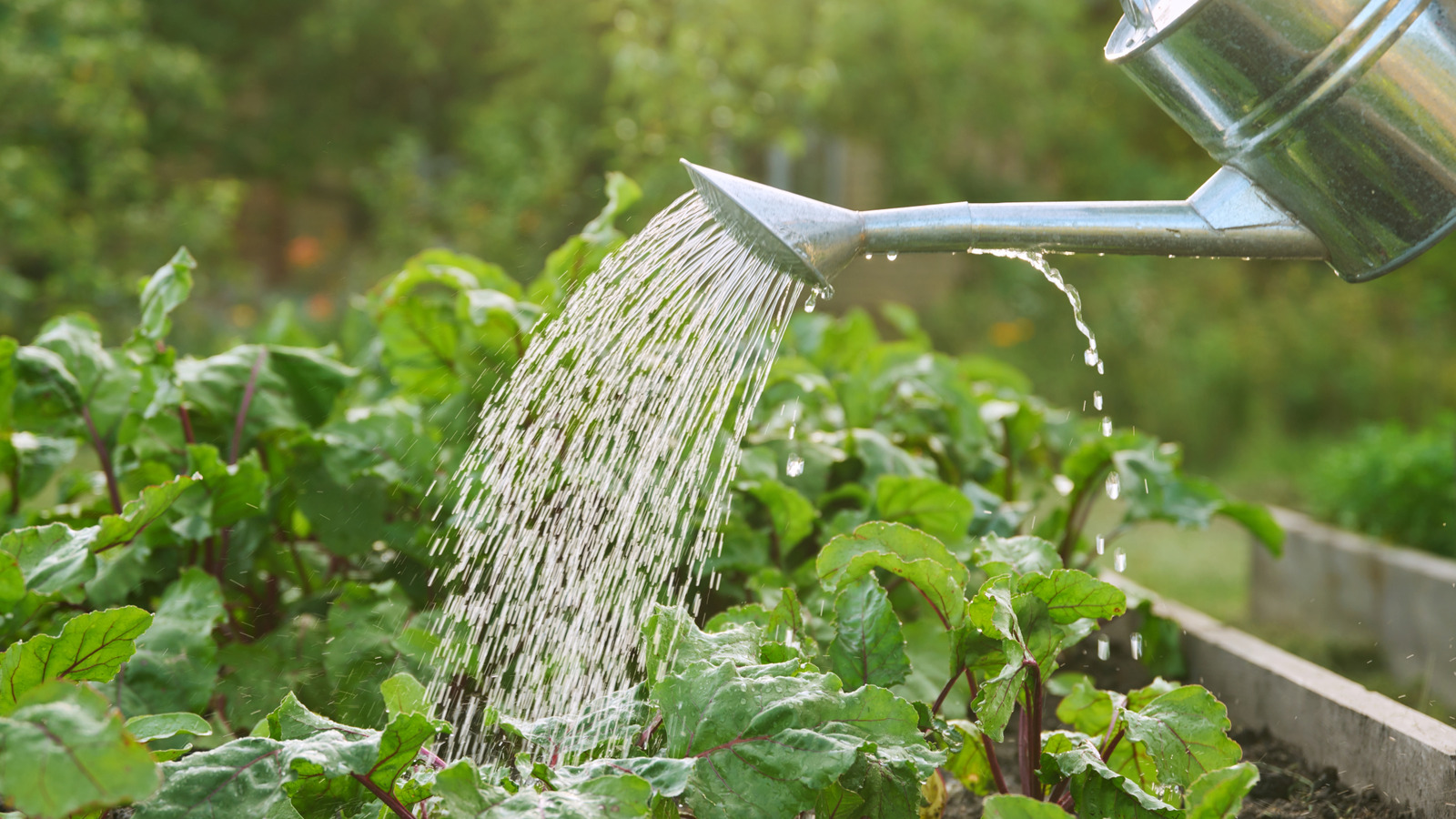
Credit: www.chowhound.com
Best Times To Water
Early morning watering helps plants absorb moisture before the sun evaporates it. Evening watering can lead to mold. Aim for a consistent schedule based on plant needs and climate conditions.
The timing of watering your garden can significantly impact plant health and growth. To achieve lush greenery and vibrant blooms, knowing the best times to water is essential. Whether you’re a morning person or prefer the calm of the evening, understanding the benefits and considerations of each time can help you make the best choice for your garden’s needs.Morning Benefits
Watering your garden in the morning can be a game changer. As the sun rises, it gently warms the soil, allowing water to be absorbed effectively. Early watering reduces evaporation, ensuring that your plants receive more moisture. This helps them stay hydrated throughout the hot afternoon. Morning watering can also minimize fungal diseases. With ample time for foliage to dry during the day, the risk of mold and mildew is reduced.Evening Considerations
Evening watering can be relaxing but comes with its own set of challenges. As temperatures drop, water remains in the soil longer, which can be beneficial for thirsty plants. However, watering in the evening increases the chances of fungal growth. With cooler temperatures and less sunlight, water may remain on leaves overnight, creating a damp environment. Consider the plant types in your garden. Some may thrive with evening watering, while others may struggle. Tailor your approach based on your garden’s specific needs. The key is to observe your plants’ reactions to different watering times. What works best for one garden may not suit another. Your garden’s unique ecosystem should guide your decision.Watering Techniques
Garden plants need water depending on weather and soil type. Check soil moisture regularly to avoid overwatering. Adjust watering frequency as seasons change to keep plants healthy.
Watering Techniques A thriving garden needs smart watering techniques. Different plants have unique water needs, so it’s crucial to know the best methods for your garden. By mastering various watering techniques, gardeners can ensure their plants receive the right amount of moisture without overwatering. This section explores effective methods to keep your garden healthy and vibrant.Surface Watering Tips
Surface watering is ideal for shallow-rooted plants. Use a watering can or garden hose to gently water the soil surface. This method is great for seedlings and newly planted flowers. Water early in the morning or late afternoon to minimize evaporation. Monitor the soil to ensure it stays moist but not soggy. Avoid splashing water on leaves to prevent disease.Deep Root Watering
Deep root watering targets the base of larger plants. It helps nourish trees and shrubs. Use a soaker hose or a deep watering device to reach roots below the surface. This technique reduces water waste and promotes strong root growth. Water deeply once a week, allowing the soil to dry slightly between sessions. Check soil moisture regularly to avoid overwatering.Drip Irrigation Systems
Drip irrigation systems provide precise watering directly to plant roots. They are efficient and conserve water. Install drip lines near the base of each plant. Adjust the flow to match your garden’s needs. This system is perfect for vegetable gardens and flower beds. Set a timer for consistent watering schedules. Regularly inspect lines for clogs or leaks to ensure proper function.Common Watering Mistakes
Watering a garden seems simple, but mistakes happen. These errors can affect plant health and growth. Knowing common watering mistakes helps keep your garden thriving.
Overwatering Dangers
Too much water suffocates roots. Plants need oxygen. Overwatering limits air supply. This leads to root rot. Wet soil invites pests and diseases. Watch for yellowing leaves. They signal excess water.
Underwatering Issues
Dry soil stresses plants. They need consistent moisture. Underwatering causes wilting and brown leaves. Roots may not reach deep water. Plants become weak and vulnerable. Check soil moisture regularly.
Improper Timing
Timing matters. Watering midday wastes water. Heat causes quick evaporation. Early morning is ideal. It gives plants time to absorb moisture. Avoid watering late evening. It leaves plants damp overnight. This can cause fungal growth.
Eco-friendly Watering Practices
Eco-friendly watering practices help maintain a healthy garden. They conserve water and protect the environment. These methods ensure your garden thrives without wasting resources.
Rainwater Harvesting
Collect rainwater using barrels or tanks. It’s a simple, effective method. This water is great for your plants. It’s free from chemicals found in tap water. Use it during dry spells to keep your garden lush.
Mulching Benefits
Mulching keeps soil moist and reduces evaporation. It also suppresses weeds, saving water and effort. Organic mulches improve soil health. Your plants will thank you for it.
Efficient Use Of Resources
Water early morning or late afternoon. This reduces evaporation and ensures plants absorb moisture. Use drip irrigation for targeted watering. It delivers water directly to roots, minimizing waste.

Credit: www.instagram.com
Adapting To Seasonal Changes
Adjust watering schedules as seasons change. In summer, gardens may need daily watering. During cooler months, reduce frequency to prevent overwatering.
Adapting to seasonal changes is crucial for garden care. Each season brings unique challenges. Knowing how to adjust watering habits is vital. Different temperatures and weather patterns affect plant needs. Learning these adjustments ensures a thriving garden year-round.Adjusting For Summer Heat
Summer heat can stress plants. Water early in the morning. This reduces evaporation. Ensure soil stays moist, not soggy. Mulch helps retain soil moisture. Consider drip irrigation systems. They deliver water directly to roots.Winter Watering Tips
In winter, plants need less water. Check soil moisture levels regularly. Water during midday when temperatures are warmer. Avoid watering during freezing conditions. Protect plants with a layer of mulch. This insulates roots against cold. Be mindful of plant types. Some may need more water than others.Frequently Asked Questions
Should I Water A Garden Every Day?
Watering a garden daily isn’t always necessary. Check the soil’s moisture level first. Most gardens require 1-2 inches of water weekly. Factors like climate, plant type, and soil affect watering needs. Adjust based on weather and plant requirements to promote healthy growth.
Overwatering can harm plants.
Can You Overwater A Garden?
Yes, overwatering a garden is possible. Excess water can drown plants, causing root rot and disease. Ensure proper drainage to prevent this. Monitor soil moisture levels and adjust watering according to plant needs. Proper watering promotes healthy plant growth and prevents water wastage.
Can A Garden Go 2 Days Without Water?
Most gardens can go 2 days without water, depending on weather and plant type. Drought-tolerant plants manage better. Consistent watering is crucial for optimal plant health. Check soil moisture to ensure plants aren’t stressed. Adjust watering schedules during hot or dry periods for best results.
Regular monitoring ensures a healthy garden.
How Many Minutes Should I Water My Garden?
Water your garden for 30 minutes, 2-3 times a week. Adjust timing based on weather and soil type. Ensure deep watering to reach roots. Use a timer to maintain consistency. Consider drip irrigation for efficiency. Regularly check soil moisture to avoid overwatering.
Conclusion
Watering your garden properly keeps plants healthy and strong. Regular checks help you understand your garden’s needs. Soil moisture matters. Dry or too wet soil affects growth. Weather changes watering frequency. Hot days need more water, while rainy days need less.
Observe plant leaves for signs of thirst. Drooping leaves mean it’s time to water. Early morning or late evening is best for watering. This avoids evaporation loss. Adjust watering based on seasons. Every garden is unique. Find the right balance for yours.
Happy gardening! Keep it simple and consistent. Your plants will thank you.


