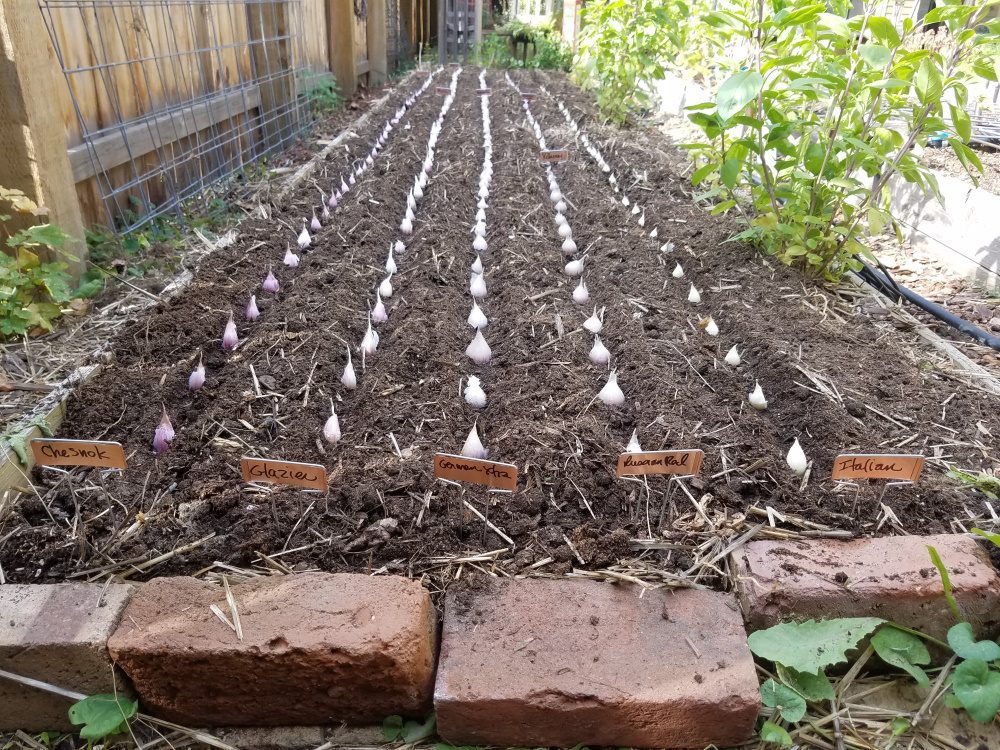
Are you ready to transform your garden into a garlic-growing paradise? You might be wondering where the best spot in your garden is for planting garlic.
This simple yet flavorful ingredient can elevate any dish, and growing it yourself ensures it’s fresh and chemical-free. But finding the right place to plant garlic is crucial for a bountiful harvest. Imagine savoring homegrown garlic, knowing exactly where it came from and how it was nurtured.
This guide will help you discover the ideal location in your garden for planting garlic, ensuring your efforts lead to a thriving and delicious crop. Stick around to learn the secrets of successful garlic planting, because once you find the perfect spot, your garden will reward you with an abundance of this culinary gem.

Credit: savvygardening.com
Choosing The Right Location
Planting garlic in your garden is both rewarding and surprisingly easy, but choosing the right location is crucial for a bountiful harvest. Garlic thrives when given the proper environment, so it’s important to consider several key factors to ensure your plants grow healthy and strong. Finding the perfect spot in your garden can make all the difference. Let’s dive into what makes an ideal location for garlic planting.
Sunlight Requirements
Garlic loves sunlight. Aim to plant it in a spot that receives full sun for most of the day. Typically, six to eight hours of direct sunlight will suffice.
In my own garden, the garlic planted in the sunniest corner always grows larger and more flavorful. Be sure to observe your garden throughout the day to identify the sunniest locations.
Soil Quality And Composition
Good soil is the backbone of healthy garlic plants. Garlic prefers soil that is rich in organic matter. Consider adding well-rotted compost or manure to enhance the soil quality.
The soil should be loose and crumbly. This helps garlic roots to expand easily. If your soil feels heavy or clay-like, mixing in some sand can improve its texture.
Drainage Considerations
Proper drainage is key. Garlic dislikes soggy soil, as it can lead to root rot. Ensure your planting area drains well after rain.
Raised beds can be a great option if your garden tends to be waterlogged. My raised garden bed has always provided excellent drainage, allowing my garlic plants to flourish.
Ask yourself: Is the water draining away quickly enough, or is it pooling? This simple question can guide you in optimizing your garlic’s growing conditions.
Climate And Weather Factors
Growing garlic successfully hinges significantly on understanding the climate and weather factors that impact its growth. Garlic is a hardy plant, but it thrives best when you pay attention to its environmental needs. Knowing what temperatures garlic prefers and how to protect it from frost can make a substantial difference in your garden’s yield.
Temperature Tolerance
Garlic prefers cooler temperatures for its initial growth phase. Ideally, you should plant garlic in the fall, allowing it to establish roots before winter sets in. Garlic can endure colder climates, but it needs to experience the chill to develop its bulb properly. Surprisingly, garlic can withstand temperatures as low as 20°F (-6°C), making it suitable for many regions. Are you planting garlic in a warmer climate? Consider planting in a shaded area to avoid excessive heat that can impede its growth.
Frost And Cold Protection
While garlic is resilient, it benefits from some frost protection during severe cold snaps. Mulching is a practical method to shield garlic from extreme cold. A layer of straw or leaves can insulate the soil, keeping your garlic snug through frosty nights. You might wonder—does snow harm garlic? Not at all! Snow acts as an insulating blanket, safeguarding the bulbs from harsh winds and frost. Remember, a little preparation goes a long way in ensuring your garlic thrives amidst winter’s chill.
Garden Layout Strategies
Choose a sunny spot with well-drained soil for planting garlic. Space cloves 6 inches apart for healthy growth. Avoid planting near beans or peas, as they can hinder garlic’s development.
Planting garlic in your garden requires a thoughtful layout strategy. The right plan can boost growth and yield. Knowing what plants to pair with garlic is vital. It also matters where you place garlic to avoid pests and diseases. Let’s explore effective garden layout strategies.Companion Planting Benefits
Garlic thrives near certain plants. Tomatoes are a good match. Garlic can repel pests that attack tomatoes. Planting garlic near carrots can enhance flavor. Garlic deters pests from carrots too. Roses benefit from garlic’s protective traits. Garlic keeps away harmful insects from roses. This pairing can lead to healthier blooms.Avoiding Common Pests And Diseases
Garlic can face challenges from pests and diseases. Avoid planting garlic near beans. Beans can attract insects harmful to garlic. Keep garlic away from peas. Peas might harbor pests that damage garlic. Rotate garlic spots each year. This helps prevent soil-borne diseases. Proper spacing is crucial. Crowded garlic plants are more susceptible to fungal issues. Ensure good airflow around garlic. This reduces the risk of diseases.
Credit: www.yahoo.com
Raised Beds Vs. Ground Planting
Choosing between raised beds and ground planting for garlic depends on soil quality and drainage. Raised beds offer better control over soil conditions and drainage, while ground planting is ideal for large spaces with good soil. Both methods can yield healthy garlic if managed well.
Choosing the right spot for planting garlic in your garden can significantly impact its growth and flavor. One of the key decisions is whether to plant in raised beds or directly in the ground. Each method has its unique benefits and considerations, and understanding these can help you make the best choice for your garden.Advantages Of Raised Beds
Raised beds offer better drainage, which is crucial for garlic since it dislikes overly wet soil. This structure helps prevent waterlogging, reducing the risk of root rot. You can also control the soil quality better in raised beds, allowing you to create a nutrient-rich environment tailored for garlic. Raised beds warm up faster in spring, giving garlic a head start. This can lead to earlier and potentially larger harvests. Plus, the elevated height makes gardening more accessible, reducing strain on your back.Considerations For Ground Planting
Planting garlic directly in the ground is often more cost-effective, especially if you have a larger garden. It allows you to utilize existing space without constructing new beds. However, you’ll need to ensure the soil is well-draining and enriched with organic matter. Keep an eye out for compacted soil, which can hinder garlic growth. Loosening the soil before planting can alleviate this issue. Also, consider the garden’s sunlight exposure, as garlic thrives in full sun. Are you ready to decide where to plant your garlic? Think about your garden’s layout and your gardening goals. Whether you opt for raised beds or ground planting, each choice offers a unique path to a successful garlic harvest.Optimizing Space In Small Gardens
Garlic is a versatile plant, perfect for small gardens. With limited space, you need smart strategies. Optimize your garden to grow more. This section explores techniques to use small spaces efficiently for garlic planting.
Vertical Gardening Techniques
Vertical gardening is an effective space-saving method. Use trellises or vertical planters. Plant garlic in stacked containers. This way, you maximize vertical space. Hanging planters also work well. Choose sturdy supports to hold the weight. Make sure to position them in sunny spots. Vertical gardening allows more light for each plant. It’s a practical solution for small areas.
Intercropping With Other Vegetables
Intercropping involves planting garlic with other vegetables. It saves space and boosts productivity. Carrots, beets, and lettuce are good companions. Garlic helps repel pests, protecting neighboring plants. Make sure not to overcrowd. Leave enough space for each plant to grow. This method enhances biodiversity in your garden. It ensures efficient use of available ground space.
Maintaining Optimal Growth Conditions
Garlic is a versatile and flavorful addition to any garden, but ensuring its optimal growth requires careful attention to its environment. The right conditions can make all the difference between a bountiful harvest and a disappointing yield. By focusing on proper watering, mulching, and fertilization, you can help your garlic thrive.
Watering And Mulching Tips
Garlic prefers soil that is consistently moist, but not waterlogged. Water your garlic regularly, especially during dry spells, but be careful not to over-water. Excess moisture can lead to bulb rot. A good rule of thumb is to keep the soil damp but allow the top inch to dry out before watering again.
Mulching can be a game changer. Use straw or dried leaves to cover the soil around your garlic plants. This helps retain moisture and keeps weeds at bay, allowing your garlic to absorb nutrients without competition. Personal experience has shown that mulched garlic beds often require less frequent watering, giving you more time to enjoy other gardening activities.
Fertilization And Nutrient Needs
Garlic is a heavy feeder and benefits from nutrient-rich soil. Before planting, enrich your garden bed with well-rotted compost or aged manure. These provide essential nutrients and improve soil structure. Consider using a balanced fertilizer to further boost your garlic’s growth.
During the growing season, monitor your plants for signs of nutrient deficiency. Yellowing leaves might indicate a lack of nitrogen. Correct this with a nitrogen-rich fertilizer or a side dressing of compost. Ensuring your garlic has the nutrients it needs can significantly improve bulb size and flavor. Have you ever tried adding a pinch of wood ash to your garlic bed? It’s a natural way to boost potassium levels, essential for healthy growth.
By maintaining optimal growth conditions, you not only enhance your garlic’s development but also enrich your gardening experience. What adjustments will you make to your garden this season for better garlic growth?

Credit: heirloomgrown.com
Frequently Asked Questions
What Not To Plant Next To Garlic?
Avoid planting garlic near beans, peas, asparagus, sage, and parsley. These plants can inhibit each other’s growth. Keep garlic away from strawberries to prevent competition for nutrients. Avoid planting garlic with other alliums like onions, as they may attract similar pests and diseases.
Where Is The Best Place To Plant Garlic In Your Garden?
Plant garlic in a sunny spot with well-drained soil. Choose a location away from waterlogged areas. Ensure good air circulation and enrich the soil with organic matter for optimal growth. Raised beds or containers can be ideal for controlling soil conditions and ensuring proper drainage.
What Is The Mistake When Planting Garlic?
Planting garlic too early or too late can lead to poor growth. Avoid planting in waterlogged soil. Plant cloves pointy side up. Spacing should be proper to prevent overcrowding. Ensure the soil is well-drained and rich in nutrients.
What Is The Best Month To Plant Garlic?
October is the best month to plant garlic. It allows roots to establish before winter. Choose a sunny location with well-drained soil for optimal growth. Plant cloves pointed side up, spaced 6 inches apart, for a successful harvest. Ensure soil is rich in nutrients for healthy garlic development.
Conclusion
Garlic thrives in sunny spots with well-drained soil. Plant it away from waterlogged areas. Raised beds or containers work well, ensuring rich soil. Space your garlic bulbs 4-6 inches apart. Protect them from pests and weeds. Mulch helps retain moisture and control weeds.
Rotate crops yearly to prevent soil diseases. Consider companion planting with tomatoes or carrots. Garlic adds flavor and health benefits to your meals. With the right spot, you’ll enjoy a successful harvest. Follow these tips, and your garlic will grow beautifully.
Happy gardening and enjoy your fresh garlic!


