Are you tired of watching your hard-earned garden become a buffet for birds? You nurture your plants, dreaming of vibrant blooms and juicy fruits, only to find them pecked and pilfered.
The frustration is real, but you’re not alone. Birds, while beautiful and beneficial in many ways, can wreak havoc on gardens. The good news? You can reclaim your garden without resorting to harsh measures. In this guide, you’ll discover simple, effective strategies to keep those feathered intruders at bay.
Imagine a garden where your plants thrive, unbothered by hungry beaks. Read on, and unlock the secrets to protecting your garden oasis.

Credit: www.instagram.com
Reasons Birds Visit Gardens
Birds visit gardens for food, water, and shelter. Bright flowers and fruit attract them. Providing alternative feeding areas can help keep birds out.
Birds are charming creatures, yet their visits can trouble gardeners. They flock to gardens for several reasons. Understanding these reasons can help in keeping them at bay. Below, explore the primary attractions of birds in gardens.Food Sources
Gardens offer an abundance of food. Birds love seeds, fruits, and insects found there. They feast on ripened berries, peck at seeds, and hunt small insects. These readily available treats are irresistible.Water Availability
Birds need water to drink and bathe. Garden ponds, birdbaths, or even puddles attract them. They flock to these water sources, seeking refreshment. A simple water source can turn a garden into a bird hotspot.Shelter And Safety
Bushes and trees provide ideal shelter. Birds find safety from predators in dense foliage. They build nests in tree branches, enjoying the protection. Gardens with ample greenery are perfect hideaways.Nesting Opportunities
Birds look for secure spots to nest. Dense hedges and tall trees offer nesting sites. They prefer places away from human activity. Gardens with secluded areas are attractive for nesting.Natural Habitat Mimicry
Some gardens replicate natural habitats. Native plants draw native bird species. Birds feel at home in familiar surroundings. This similarity makes gardens hard to resist.Human Presence
Birds associate humans with food. They visit places where people feed them. This connection encourages their return. Providing bird feeders can increase this behavior.Natural Deterrents
Natural deterrents help keep birds away from your garden. Use shiny objects like CDs or foil strips to scare them. Planting thorny or fragrant plants can also deter birds naturally.
Keeping birds out of your garden can be a challenge, but using natural deterrents can offer a humane and eco-friendly solution. These methods not only safeguard your plants but also maintain the harmony of your outdoor space. By integrating certain plants and concocting homemade sprays, you can create an environment that birds might prefer to avoid. Are you ready to discover how these natural deterrents can work wonders in your garden?Beneficial Plants
Some plants naturally repel birds due to their scent or texture. Consider planting lavender, which not only adds a pleasant aroma but also discourages birds with its strong fragrance. Marigolds are another excellent choice; their pungent smell can deter birds while adding vibrant color to your garden. Tall grasses, such as lemongrass, can create a barrier that birds find difficult to navigate. This not only adds to the aesthetics but also serves as a functional deterrent. Have you noticed how some plants seem to keep birds at bay? Experiment with these options and watch your garden flourish without unwanted visitors.Homemade Sprays
Creating homemade sprays is an effective way to keep birds away without harming them. A simple mixture of water, vinegar, and chili powder can be sprayed on and around plants. The spicy scent is unappealing to birds and can encourage them to seek food elsewhere. Another option is a garlic spray, which can be made by crushing garlic cloves and mixing with water. This natural spray is not only easy to make but also safe for your plants and the environment. Have you tried using kitchen ingredients to deter birds? It’s a practical solution that can transform your garden into a bird-free zone. By incorporating these natural deterrents, you can protect your garden while respecting the wildlife around you. Which method will you try first?Visual Scare Tactics
Birds can be charming, but not in your garden. They nibble on plants and spoil your hard work. Visual scare tactics can help keep them away. These methods use sight to frighten birds. They are simple and effective. Let’s explore some popular options.
Reflective Objects
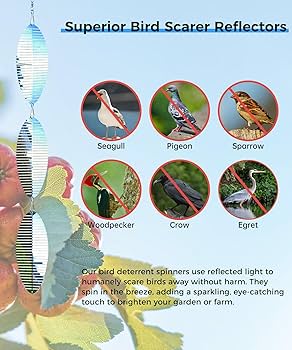
Reflective objects can deter birds. They dislike shiny and moving things. Hang CDs or mirrors around your garden. The sun reflects off them and creates flashes of light. This confuses and scares the birds. You can also use aluminum foil strips. Attach them to stakes or branches. They flutter in the wind and cast reflections. This simple trick can protect your plants.
Garden Decoys
Garden decoys can mimic predators or humans. Birds avoid places where they sense danger. Use fake owls, snakes, or scarecrows. Place them in visible spots in your garden. Move them every few days. This keeps birds from getting used to them. Choose decoys with realistic features. Some even have moving parts or reflective eyes. These add to their effectiveness. Decoys are a natural way to keep your garden safe.
Sound-based Solutions
Using sound-based solutions keeps birds away from gardens effectively. Devices emit sounds that deter birds without harming them. These tools help maintain a peaceful garden environment while protecting plants.
Sound-based solutions can be an effective way to deter birds from invading your garden. These methods rely on noises that create an uncomfortable environment for birds, encouraging them to find a quieter place to perch. It’s like having a secret weapon in your gardening arsenal, allowing you to protect your plants without causing harm to any feathered friends.Noise-making Devices
Imagine waking up to a garden free of pesky birds, thanks to strategically placed noise-making devices. These gadgets are designed to produce sounds that are irritating to birds but generally tolerable for humans. The key is to use them sparingly and in rotation so birds don’t get used to them. Consider options like wind chimes, air horns, or even motion-activated alarms. They can be a game-changer, especially if your garden is close to large trees where birds tend to congregate.Ultrasonic Repellents
Ultrasonic repellents can be another effective tool in your sound-based strategy. These devices emit high-frequency sounds that are unpleasant to birds, yet completely inaudible to the human ear. They are ideal for those who want a discreet solution that doesn’t disturb the peace of your garden. Setting up these repellents requires minimal effort; just plug them in, and let technology do the work. However, it’s worth noting that some birds might be less affected than others, so it’s important to monitor your results and adjust your approach accordingly. Are you ready to try these sound-based solutions in your garden? You might find that the quiet you reclaim is well worth the effort.Physical Barriers
Physical barriers like nets or fences can effectively keep birds away from your garden. These barriers prevent birds from accessing your plants while ensuring your garden remains safe and thriving.
Creating a bird-free garden sanctuary doesn’t have to be a daunting task. By using physical barriers, you can effectively deter birds while maintaining the beauty and health of your garden. These barriers act as a protective shield, ensuring that your garden thrives without unwanted avian visitors. Let’s dive into some practical methods that have worked wonders for many gardeners.Netting And Fencing
Netting is a highly effective way to protect your garden from birds. Lightweight and easy to install, it forms a barrier over your plants, preventing birds from reaching your precious produce. You can find netting in various sizes to suit your needs, whether you’re covering a single plant or an entire garden bed. When setting up netting, ensure it is taut and well-secured. Loose netting can trap birds, causing harm to them and damage to your plants. Consider using posts or stakes to keep the netting elevated, allowing plants room to grow without interference. Fencing is another robust option for keeping birds at bay. Opt for wire mesh or chicken wire to create a sturdy enclosure around your garden. This method is particularly useful for larger birds that may not be deterred by netting alone.Row Covers
Row covers offer a dual purpose: they protect plants from both birds and harsh weather conditions. Made from lightweight fabric, these covers can be draped over rows of plants, creating a barrier that birds cannot penetrate. Installing row covers is simple. Drape the fabric over your plants and secure the edges with soil or rocks. This ensures that the covers stay in place, providing continuous protection. Row covers are especially beneficial for young plants and seedlings, which are more vulnerable to bird damage. By shielding them during their crucial growth stages, you increase their chances of thriving. Have you tried any of these methods in your garden? Perhaps you’ve discovered a unique twist on these techniques. Share your experiences and let’s learn from each other to create bird-free gardens!
Credit: ourstoneyacres.com
Bird-friendly Alternatives
Natural barriers like hedges can deter birds from entering gardens. Reflective items distract birds and guide them away. Bird feeders placed outside the garden attract birds to a designated area.
Creating a bird-friendly garden doesn’t mean sacrificing your plants. Instead, it involves steering birds toward designated areas without harming them. By providing alternatives, you can enjoy your garden while allowing birds to thrive in their own space. Here are some thoughtful strategies to consider.Alternative Food Sources
One way to redirect birds from your plants is by offering them alternative food sources. Consider placing bird feeders at strategic locations around your garden. Fill these feeders with seeds and grains that birds love, such as sunflower seeds, millet, and cracked corn. By satisfying their hunger elsewhere, they’ll be less inclined to nibble on your fruits and vegetables. You can also experiment with bird-friendly plants. Some flowers and shrubs naturally attract birds, like coneflowers and elderberries. Planting these can serve as a tempting distraction, drawing birds away from your prized crops.Designated Bird Areas
Creating designated bird areas can be an effective solution. Set up a bird-friendly zone with bird baths, nesting boxes, and perches. This dedicated space will entice birds to gather and socialize, keeping them away from your garden beds. Think of it as their personal hangout spot—a place where they can relax, eat, and play without disturbing your plants. Consider positioning these areas near trees or shrubs to provide natural shelter. This adds a layer of security, making birds feel safe while enjoying their new haven. Have you ever noticed how birds gravitate towards certain areas? By observing their patterns, you can strategically place these designated spaces to maximize effectiveness.Professional Help
Seeking professional help can ensure effective bird control in your garden. Experts offer tailored solutions to keep birds away. Their guidance minimizes damage while preserving the natural beauty of your space.
Seeking professional help can be a game-changer when it comes to keeping birds out of your garden. While DIY methods can be effective, sometimes you need the expertise of those who have dealt with bird problems before. This approach ensures that you are not just addressing the symptoms but finding a lasting solution. Let’s explore how pest control services and consulting experts can offer the much-needed support.Pest Control Services
Professional pest control services have the experience and resources to handle bird issues efficiently. They can assess the extent of the problem and suggest targeted solutions tailored to your garden’s needs. These services often use advanced techniques and materials that are not readily available to the average homeowner, such as ultrasonic devices or specialized netting. Their methods are designed to be humane and effective, ensuring birds are deterred without harm. Would you rather spend your weekends battling birds, or enjoy a peaceful garden knowing it’s in expert hands?Consulting Experts
Consulting experts in bird management can provide insights that you might not have considered. They bring a wealth of knowledge about bird behavior and can offer strategies that align with your specific situation. An expert might advise on planting certain types of flora that naturally repel birds or suggest garden layouts that minimize bird attraction. They can also guide you through legal considerations if certain bird species are protected in your area. Imagine having a garden that thrives without the constant worry of feathered intruders. Isn’t it worth exploring professional advice to achieve that serenity?
Credit: www.amazon.ca
Frequently Asked Questions
What Smells Do Birds Hate The Most?
Birds dislike strong scents like garlic, peppermint, cayenne pepper, and vinegar. These odors can deter them effectively. Using these smells in outdoor spaces can help keep birds away naturally and safely. Always ensure the concentration is safe for the environment.
How Do I Stop Birds From Pooping In My Garden?
Install bird spikes or netting to deter birds from landing. Use reflective objects like CDs or wind chimes. Place decoy predators such as fake owls or snakes. Employ motion-activated sprinklers to scare birds away. Keep the garden clean to reduce bird attraction.
What Is The Best Bird Deterrent For Outdoor Gardens?
Use reflective bird repellent tape to scare birds away effectively. Install bird spikes to prevent perching. Consider ultrasonic bird repellers for non-invasive deterrence. Netting protects plants without harming birds. Scarecrow devices can also deter birds naturally. These methods provide excellent protection for outdoor gardens.
What Is A Homemade Remedy To Keep Birds Away?
Use a mixture of water and white vinegar in a spray bottle. Spray it around areas where birds gather. The strong smell deters them. Alternatively, hang shiny objects like aluminum foil strips or old CDs to scare birds away. These simple homemade remedies are effective and eco-friendly.
Conclusion
Keeping birds out of your garden can be simple. Use netting or scare tactics. Protect seeds with mesh covers. Bright objects distract birds. Plant strong smelling herbs. These methods keep your plants safe. Birds are important for nature. They control pests.
Balance is key. Enjoy your garden without worry. Your plants will thrive. Happy gardening!


