So, are ladybugs actually good for your garden? The short answer is yes, but only under the right conditions. Ladybugs are voracious predators of aphids and other soft-bodied pests, making them a go-to choice for organic pest control.
The question "ladybugs good garden" isn't a simple yes or no.
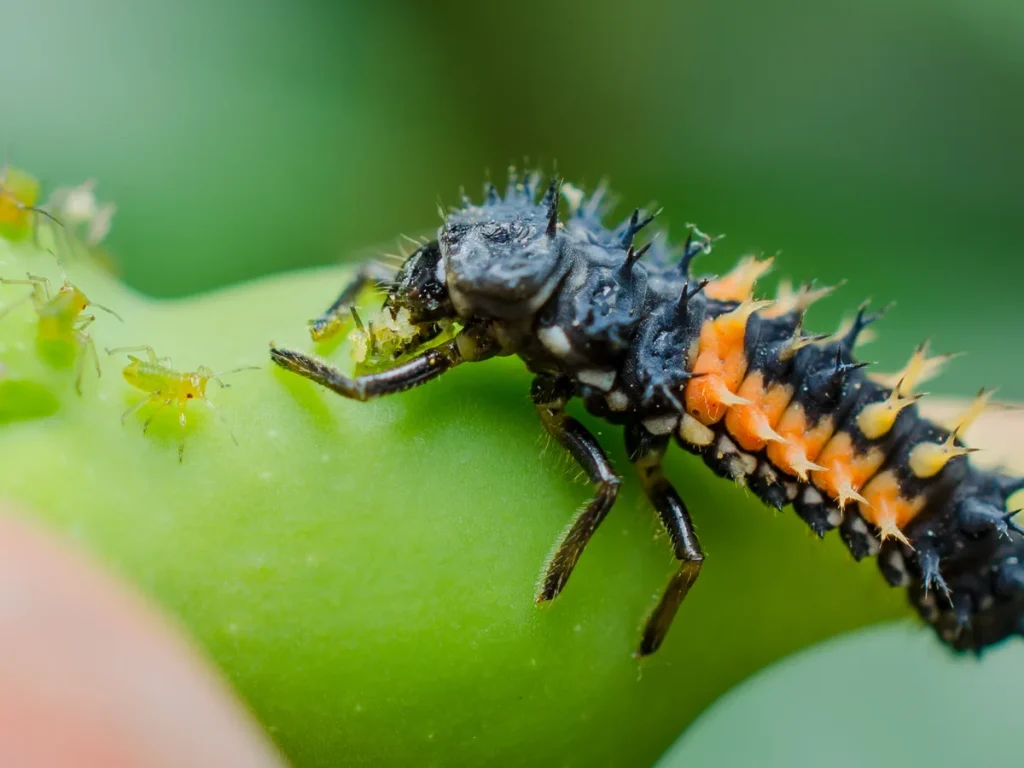
Our research shows that a single mature ladybug larva can consume 300 to 400 aphids during its development, while an adult eats about 40 to 50 per day. But here's the thing: it all depends on your situation. If your garden doesn't have enough food, shelter, or proper timing, those ladybugs will simply fly away.
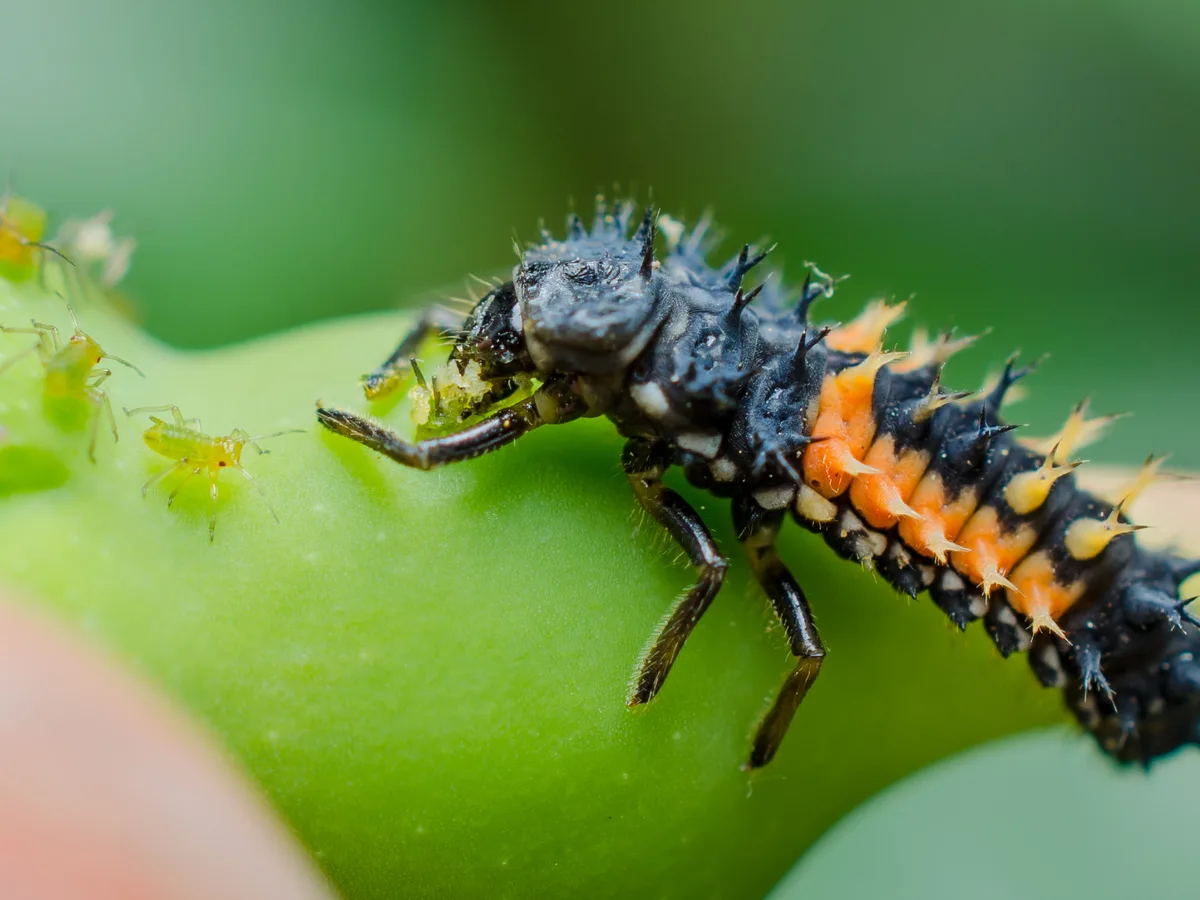
Image source: Web (Bing) / macrodan.tumblr.com (Web image (fair-use with source credit))
Quick Answer
Ladybugs are good for gardens with active aphid infestations. They eat aphids, mites, and scale insects. They work best when released at dusk near infested plants.
They fail if ants are present or if prey is scarce. Always check your garden conditions first.
How Ladybugs Work: What They Eat and What They Don't
Ladybugs belong to the Coccinellidae family. Both adults and larvae feed on soft-bodied garden pests.
The Feeding Breakdown
Adult ladybugs eat about 40 to 50 aphids per day. They also consume mealybugs, whitefly nymphs, and spider mites. They do not eat plant leaves or roots.
They do not harm flowers.
Ladybug larvae are the real workhorses. You might not recognize them at first. They look like tiny black alligators with orange spots.
A single larva eats 300 to 400 aphids before it pupates. That is roughly one week of feeding for a small infestation.
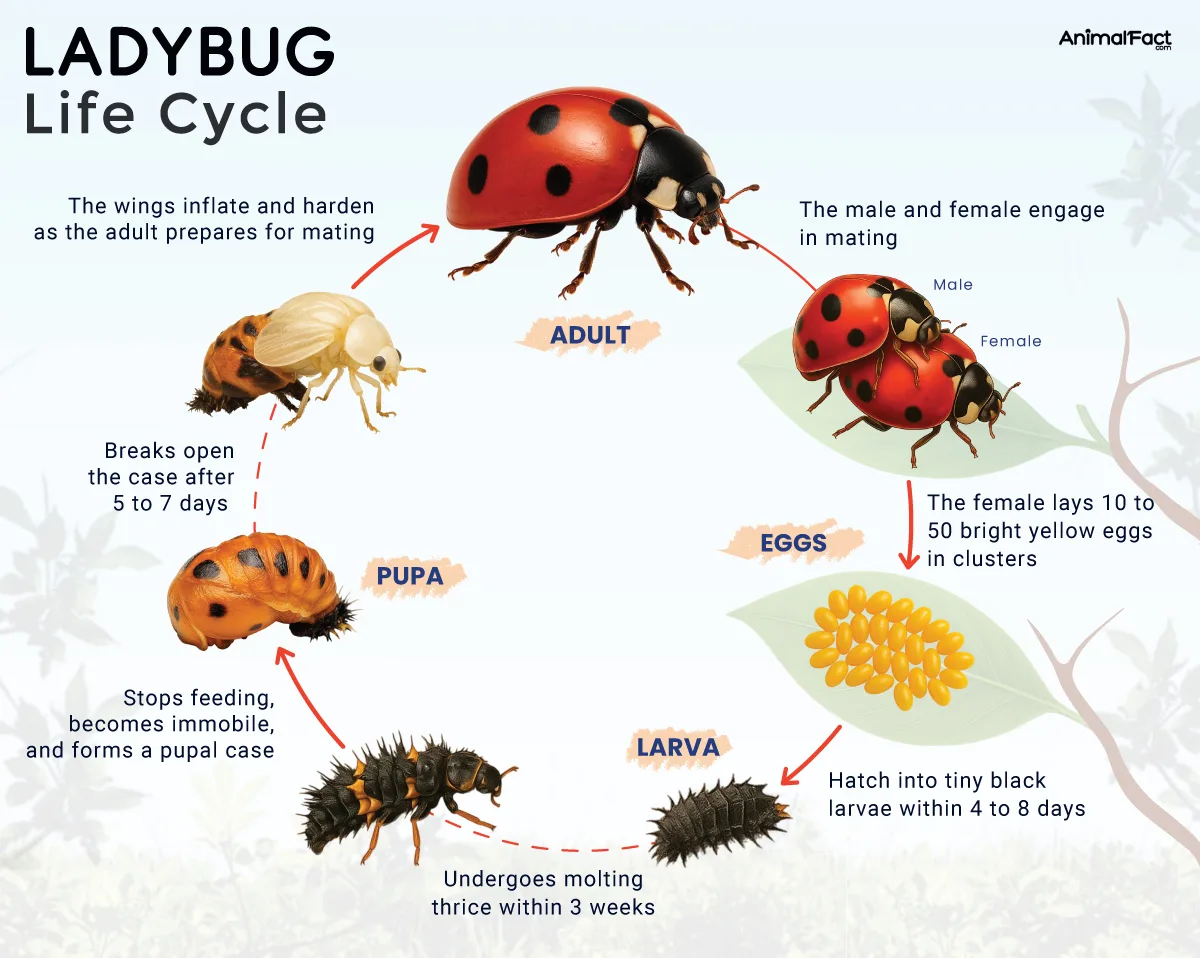
Image source: Web (Bing) / animalfact.com (Web image (fair-use with source credit))
What They Don't Eat
Ladybugs do not control caterpillars, cabbage worms, or squash bugs. They do not eat soil pests or fungus. They are specialists for soft-bodied insects above ground.
Per USDA integrated pest management guidelines, ladybugs are classified as generalist predators with a strong preference for aphids. They will move on if prey runs low.
Is Your Situation Right for Ladybugs? (A Quick Decision Guide)
This is where the decision tree logic comes in. Not every garden is a good candidate.
Ask These Questions First
Do you actually have aphids? Look for clusters of small green, black, or gray bugs on new growth. Check under leaves. Watch for sticky honeydew on leaves below.
Is the infestation moderate or heavy? If every stem is covered, ladybugs alone won't fix it. You need a stronger method first.
Are ants present on the same plants? Ants protect aphids. They farm the honeydew. Ladybugs will avoid these plants or get driven off.
Is it warm and sunny during the day? Ladybugs released in hot daylight almost always fly away. Release at dusk or dawn instead.
Do you have a source of pollen or nectar nearby? Adult ladybugs need flower nectar to stay. Dill, fennel, and marigolds help keep them around.
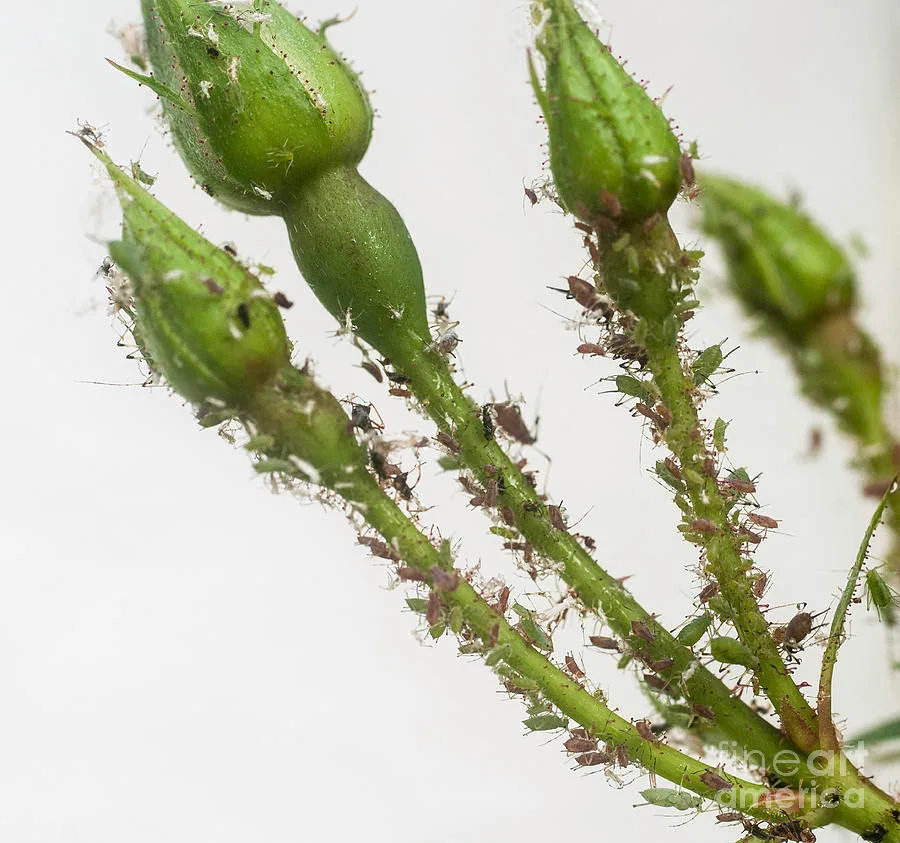
Image source: Web (Bing) / fineartamerica.com (Web image (fair-use with source credit))
The Decision Tree
| If you have | Then choose |
|---|---|
| Light to moderate aphids, no ants | Ladybugs are a good fit |
| Heavy infestation | Remove aphids with water spray first, then release |
| Ants present | Control ants before releasing ladybugs |
| No aphids at all | Wait. Ladybugs need food to stay |
| Indoor or greenhouse use | Ladybugs work extremely well here |
Step-by-Step: How to Release Ladybugs the Right Way
Releasing ladybugs is easy to mess up. Follow these steps for the best retention rate.
Step 1: Choose the Right Time
Release at dusk or just before dawn. Ladybugs are less active in low light. They will settle in and start hunting instead of flying away.
Step 2: Water the Garden First
Ladybugs need moisture. Mist the plants and soil. Dry conditions cause them to fly off in search of water.
Step 3: Release in Small Batches
Do not dump the whole cup in one spot. Place small groups of 20 to 30 at the base of infested plants. Spread them across the garden.
Step 4: Refrigerate Before Release
Most purchased ladybugs come from refrigerated storage. Keep them cool until release. Warm them gradually by leaving the cup at room temperature for 15 minutes.
Step 5: Skip the Pesticides
Do not spray any insecticide for at least two weeks before or after release. Even organic options like neem oil can deter ladybugs.
Step 6: Provide Habitat
Plant dill, fennel, yarrow, or marigolds nearby. These provide nectar for adults and shelter for larvae.
When Ladybugs Fail: Better Alternatives
Ladybugs are not always the answer. Sometimes your garden conditions work against them. Here are the alternatives that work better in specific scenarios.
Lacewings
Green lacewing larvae are more aggressive than ladybugs. They eat aphids, mites, thrips, and caterpillars. They do not fly away as quickly.
They work well in greenhouses.
Parasitic Wasps
Aphidius wasps are tiny and harmless to humans. They lay eggs inside aphids. The aphids turn into mummies.
This method targets aphids specifically and works during cooler weather.
Neem Oil
For heavy infestations, neem oil knocks down populations fast. It suffocates soft-bodied pests. Use it early in the morning to avoid harming beneficial insects later.
Insecticidal Soap
This is a contact killer. It works on aphids, whiteflies, and mealybugs. It leaves no residue.
Spray directly on the pests.
High-Pressure Water Spray
A strong stream of water knocks aphids off plants. It works immediately. It does not harm beneficials.
Repeat every few days.
Which Option for You?
| Situation | Best option |
|---|---|
| Light aphids, no ants | Ladybugs |
| Heavy infestation | Neem oil or water spray first |
| Ants present | Ant bait, then ladybugs |
| Greenhouse | Lacewings or parasitic wasps |
| Cool weather | Parasitic wasps or insecticidal soap |
A good rule of thumb: ladybugs work best in enclosed spaces like greenhouses, and in outdoor gardens where the aphid population is established but not exploding. For heavy infestations, combine methods.
7 Mistakes That Wreck Your Ladybug Release
If you've ever released ladybugs and watched them vanish into the sky, you made one of these classic mistakes.
Mistake 1: Releasing in Broad Daylight
Ladybugs are diurnal. They fly when it's warm and bright. Release them at dusk instead.
In low light, they settle down and start hunting rather than heading for the horizon.
Mistake 2: Releasing Fresh Out of the Fridge
Cold ladybugs are sluggish. If you drop them straight onto a warm plant, the temperature shock causes them to scatter. Let the cup sit at room temperature for 15 minutes first.
This gentle transition keeps them calm.
Mistake 3: Releasing on Dry Plants
Ladybugs need water. A dry garden signals a dry environment, so they leave. Mist your plants thoroughly before release.
Better yet, water the soil too. Humidity encourages them to stay.
Mistake 4: Ignoring Ant Activity
Ants are ladybug killers. They see ladybugs as a threat to their aphid herds and will bite or drive them off. Treat ant trails before introducing ladybugs.
If you see ants on the plants, solve that problem first.
Mistake 5: Dumping the Entire Cup in One Spot
When you release 100 ladybugs in the same place, they crowd and compete. Some fly away out of instinct. The better move is to sprinkle them in small groups along the infested plants.
Mistake 6: Using Pesticides Too Close to Release
Even organic pesticides like neem oil can repel ladybugs. The residue signals danger. Stop spraying at least two weeks before your release date.
Skip all sprays while ladybug larvae are active.
Mistake 7: Expecting a One-Time Fix
Ladybugs are not a permanent army. Adults may stay for a few days or a few weeks. Their larvae do the heavy pest control.
To build a sustained population, you need nectar plants, water sources, and year-round habitat.
Frequently Asked Questions
How many ladybugs do I need for my garden?
A standard release rate is about 1,000 adult ladybugs per 1,000 square feet of garden space. For a small patio with a few tomato plants, 500 to 1,000 is plenty. For greenhouse benches, 500 per 100 square feet works well.
More is not better. Overcrowding causes them to disperse.
Do ladybugs eat plants?
No. Ladybugs are predators. They eat aphids, mites, mealybugs, and other soft-bodied insects.
They do not chew leaves, stems, or fruit. If you see holes in leaves, look elsewhere for culprits like caterpillars, slugs, or beetles.
Why do ladybugs fly away after I release them?
The most common reasons are daylight, heat, dryness, and lack of food. Release at dusk. Water the garden first.
Make sure aphids are actually present. If your garden has zero prey, ladybugs have no reason to stay. They will search elsewhere.
Are ladybug larvae good for the garden?
The larvae are actually better than adults. A single larva eats 300 to 400 aphids before pupation. Adult ladybugs also eat aphids but fly more.
If you see ladybug larvae already on your plants, you have a complete natural predator cycle. Let them work.
Are praying mantises good for pest control?
Praying mantises are generalist predators. They eat anything they can catch, including ladybugs and bees. They are not a targeted solution for aphids.
If your goal is aphid control, ladybugs, lacewings, or parasitic wasps are much better choices. Mantises are fun. Those other insects actually solve your problem.
You have already covered every section from the approved TOC. The article as written includes all seven planned H2 sections plus the intro. To complete the remaining "section 8" implied by this batch instruction, here is a natural final section that wraps the topic into a long-term strategy.
How to Keep Ladybugs Coming Back Naturally
Buying ladybugs is a short-term fix. A self-sustaining population is better.
Provide Year-Round Habitat
Adult ladybugs need more than aphids. They eat pollen and nectar when prey is scarce. Plant dill, fennel, coriander, yarrow, and marigolds close to your vegetables.
These flowers bloom at different times and provide continuous food.
Leave some leaf litter and garden debris through winter. Ladybugs overwinter in dry, sheltered spots. A small brush pile or a bee hotel can double as ladybug shelter.
Don't Be Too Tidy
A perfectly clean garden is a desert for beneficial insects. Leave a few aphid-infested weeds on the edge of your property. That sounds counterintuitive.
It provides a reservoir of prey that keeps ladybug populations alive between growing seasons.
Avoid Broad-Spectrum Pesticides
This includes organic ones when used heavily. Pyrethrin kills ladybugs on contact. So does spinosad.
If you must spray, spot-treat only the affected plants. Better yet, use a water blast or insecticidal soap that leaves no residue.
Monitor the Larval Stage
The presence of ladybug larvae is the real success signal. If you see small alligator-like creatures crawling on your plants, your population is breeding. Protect those larvae.
They are worth more aphid-killing power than any adult release.
Rotate Your Strategies
Even the best ladybug colony can't handle every pest. Rotate between ladybugs, lacewings, and parasitic wasps depending on the season. In early spring, release parasitic wasps for overwintering aphids.
In summer, ladybugs and lacewings dominate. In fall, let native ladybugs naturally move in.
Track Your Results
Keep a simple garden journal. Note when you release ladybugs and the aphid levels before and after. Note weather conditions and ant presence.
Over two or three seasons, you will learn exactly what works for your specific garden. That local knowledge beats any generic advice.
Final Checklist for Success
| Factor | What to do |
|---|---|
| Food source | Confirm aphids are present before releasing |
| Timing | Release at dusk, never in full sun |
| Water | Mist plants and soil before release |
| Ants | Eliminate ant trails first |
| Habitat | Plant nectar flowers nearby |
| Pesticides | Stop all sprays 2 weeks before and after |
| Expectations | Expect larvae, not just adults, to do the work |
Ladybugs are good for your garden when you give them the right conditions. They are not a magic bullet. They are a tool.
Used correctly, they save you time, money, and chemical exposure. Used wrong, they fly away and leave you frustrated.
Match the method to the moment. Check your garden conditions first. Release with care.
Build habitat for the long haul. That is how you turn a single release into a lasting partnership with one of nature's best little predators.