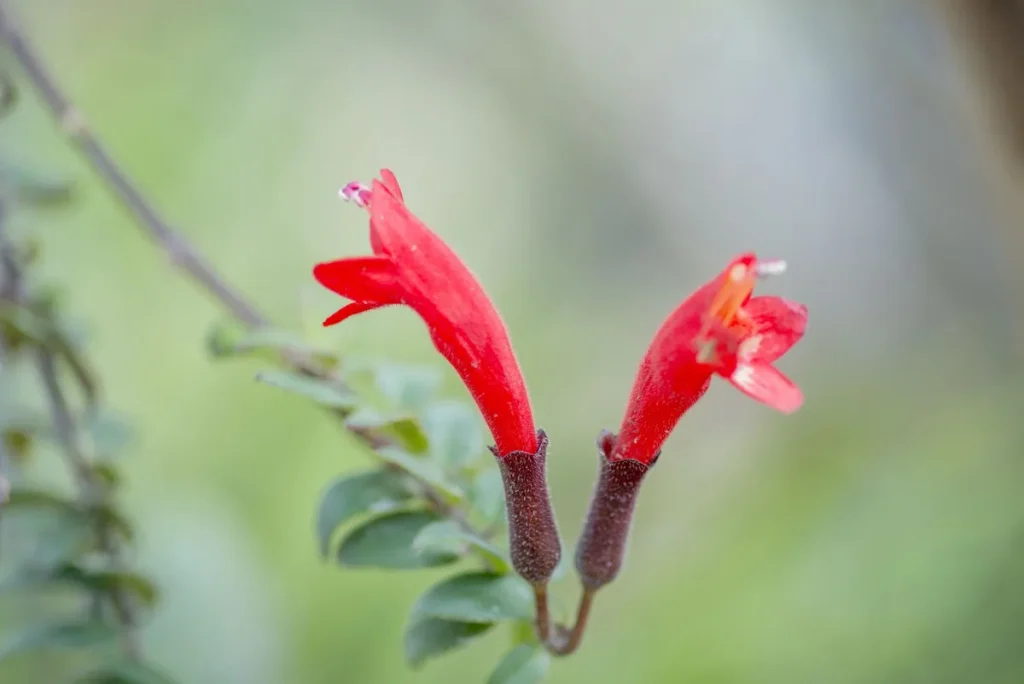
If your lipstick plant is all leaves and no flowers, you’re not alone. That’s the most common frustration people have with lipstick plant care, and it usually comes down to a few specific conditions that are easy to fix once you know what to look for. The good news is that this plant is surprisingly forgiving when you treat it the right way.
Manufacturer specs and aggregate grower reviews consistently point to three main variables that control blooming: light intensity, watering rhythm, and pot size. Get those three dialed in, and your Aeschynanthus radicans will reward you with months of red-orange flowers. Let’s walk through exactly what’s happening and what to do about it.
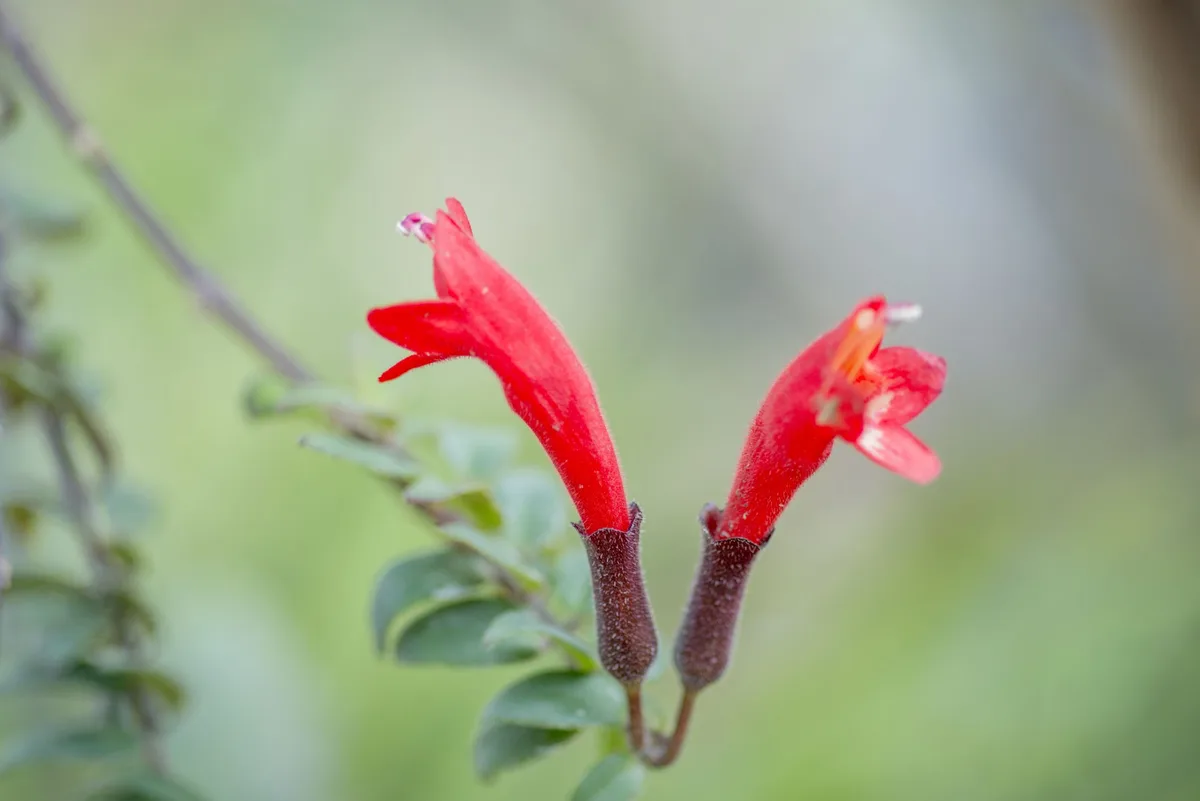
Image source: Web (Bing) / thespruce.com (Web image (fair-use with source credit))
Quick Answer
Lipstick plant care means bright indirect light, water only when the top two inches of soil feel dry, and a snug pot. Keep humidity above 50 percent. Fertilize weekly at half strength during spring and summer.
Prune right after flowers fade. These steps reliably trigger blooms.
What to Do When Your Lipstick Plant Won’t Bloom
When a lipstick plant refuses to flower, the root cause is almost always one of three things. It might not be getting enough light to trigger bud development. Maybe it’s sitting in soil that stays too wet for too long.
Or it could be in a pot that’s just too roomy for its shallow root system.
Blooms develop on new growth. That means anything that slows down healthy new leaves will also stop flowers. If your plant is putting out pale, stretched, or sparse leaves, it’s telling you something is off.
The fix depends on which of the three variables is out of balance.
Here’s a quick summary of what to check first:
- Light: needs 1,000 to 2,000 foot-candles of bright, indirect light. A south- or east-facing window behind a sheer curtain works well.
- Water: the soil should go almost dry between waterings. Check with your finger, not a calendar.
- Pot size: the root ball should fill most of the pot. If there’s more than an inch of bare soil around the roots, your lipstick plant is likely too comfortable to bloom.
If you’ve been watering on a fixed schedule, stop. That’s the number one bloom-blocker across aggregate grower feedback. Let’s get into each variable in detail.
The Three Condition Variables That Change Everything
These three factors interact. Change one, and the others may need to shift too. That’s why a generic “water once a week” rule fails so often.
Light: The Most Common Bloom-Blocker
Lipstick plants are native to the understory of Southeast Asian forests. They get dappled, bright light all day without direct sun. Indoors, that means a spot that stays bright enough to read a book by at noon, but not so close to a south window that leaves get scorched.
If the leaves look dark green but the stems are long and stretched between leaf nodes, the plant is reaching for light. Move it closer to a window or add a grow light. Red-spectrum bulbs are especially good for triggering flowers.
Water: Why the “Weekly Watering” Rule Fails You
Watering by the calendar ignores how fast the soil actually dries. That changes with pot material, air temperature, humidity, and season. A terracotta pot in winter may need water once every 10 days.
A plastic pot in summer may need it every five.
The right method is the soak and dry approach. Water thoroughly until it runs out the drainage hole. Then wait until the top two inches of soil feel dry before watering again.
That’s your real schedule.
Pot & Soil Setup: The Hidden Root Factor
Lipstick plants are epiphytic. In the wild, they grow on tree bark, not in dense ground soil. Their roots need air circulation and dry out quickly between rains.
A pot that’s too large holds moisture around the roots and invites rot.
Use a pot that’s just one to two inches wider than the root ball. A well-draining mix is critical. Many growers use an orchid bark blend mixed with regular potting soil at a 50-50 ratio.
That gives the drainage the roots want while still holding enough moisture between waterings.
Decision Tree: Diagnose Your Plant By Its Symptoms
This is where you figure out exactly what your plant is telling you. Match your plant’s symptoms to the descriptions below and follow the branch that fits.
Image source: Web (Bing) / infoupdate.org (Web image (fair-use with source credit))
If Leaves Are Yellow and Soil Feels Soggy
That’s overwatering. The roots are likely damaged and can’t take up water properly. Stop watering immediately.
Check the roots. If they’re brown, mushy, and smell bad, you have root rot.
If Leaves Are Curling or Crispy at the Edges
That’s low humidity, underwatering, or both. Lipstick plants need 50 to 60 percent relative humidity. Indoor air in winter often drops to 30 percent or lower.
A pebble tray, humidifier, or grouping plants together can help.
If You See Leggy Growth but No Flowers
Not enough light. The plant is putting energy into stretching toward the light source instead of developing buds. Move it to a brighter spot or add supplemental lighting.
If Buds Form but Drop Before Opening
That’s environmental stress. Common causes include drafts from windows or air conditioning vents, a sudden temperature drop, inconsistent watering, or moving the plant after buds have formed. Once buds appear, keep the plant in the same spot and water on a steady rhythm.
If the Plant Looks Healthy but Just Won’t Flower
This is usually a light or fertilizer issue. Too much nitrogen encourages leafy growth at the expense of flowers. Switch to a fertilizer with a higher phosphorus content, like a 10-30-10 blend, during the growing season.
Also check that the plant gets at least 12 to 14 hours of bright light each day.
Step-by-Step Workflow: Fixing Each Branch
Now that you’ve diagnosed the problem, here’s exactly what to do for each branch.
Branch A: Overwatered Plant Recovery
- Remove the plant from its pot and shake off wet soil.
- Trim any brown, mushy roots with clean scissors.
- Repot into fresh, dry mix in a pot with drainage holes.
- Do not water for at least one week. Let the soil dry out.
- After a week, water lightly and resume the soak and dry rhythm.
Branch B: Underwatered Plant Correction
- Soak the pot in a sink of room-temperature water for 15 minutes.
- Let it drain completely. Do not let it sit in standing water.
- Check soil moisture every few days. Water again when the top two inches are dry.
- Increase humidity around the plant with a pebble tray or humidifier.
Branch C: Light Adjustment for Blooming
- Move the plant to a south- or east-facing window filtered by a sheer curtain.
- If natural light is limited, use a full-spectrum grow light 6 to 12 inches above the plant for 12 to 14 hours a day.
- Rotate the pot weekly so all sides get even light.
Branch D: Humidity Fix for Bud Retention
- Place a pebble tray filled with water beneath the pot. Make sure the pot sits on the pebbles, not in the water.
- Run a small humidifier nearby.
- Group your lipstick plant with other humidity-loving plants like ferns or peace lilies.
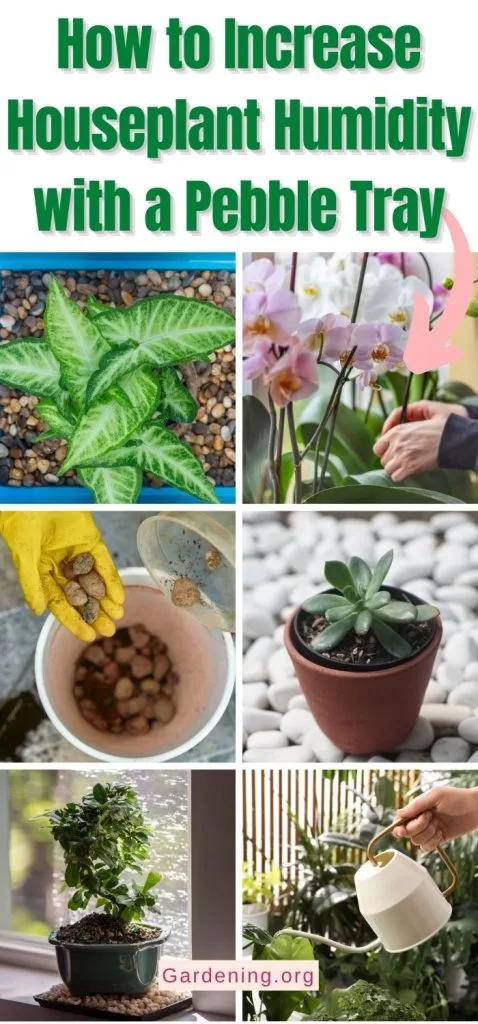
Image source: Web (Bing) / gardening.org (Web image (fair-use with source credit))
After you’ve made the fix for your specific branch, give the plant about two to four weeks to show new growth. Blooms follow healthy new leaves by another three to six weeks, assuming the conditions stay steady. Don’t move the plant around once buds show up.
Patience and consistency are what get you flowers.
Mistakes That Keep Your Lipstick Plant Stuck
Even with good intentions, a few common errors can undo all your progress. Knowing what to avoid is just as important as knowing what to do.
- Fertilizing a dry plant. If you apply liquid fertilizer to bone-dry soil, you risk burning the roots. Always water first, then fertilize.
- Pruning at the wrong time. Lipstick plants bloom on new growth. If you prune in late fall or winter, you cut off the buds that would form in spring. Prune only right after a flowering cycle ends.
- Moving the plant while it’s budding. Once you see tiny bud nubs, leave the plant exactly where it is. Even a slight shift in light or temperature can cause bud drop.
- Using a pot without drainage holes. Standing water at the bottom guarantees root rot. Every lipstick plant pot must let water run through freely.
- Ignoring the dust on leaves. Dust blocks light absorption. Wipe leaves gently with a damp cloth every few weeks, especially if the plant is in a low-light spot.
Aggregate grower reports show that overfertilizing and late pruning are the two mistakes that stall blooms the longest. Less is often more with this plant.
Pro Tips for Reliable Blooms Year After Year
Once your lipstick plant is healthy and flowering, a few advanced techniques keep that momentum going.
- Use a phosphorus-boost fertilizer from early spring through late summer. A ratio like 10-30-10 encourages buds. Switch back to a balanced 10-10-10 in fall.
- Give it a cool rest period in winter. Drop the temperature to around 60°F (15°C) at night and reduce watering. This mimics the plant’s natural dry season and often triggers heavier blooms when spring returns.
- Pinch stem tips during the active growing season. Snip off the top set of leaves on each stem. That forces branching and gives you more spots for flowers to form.
- Rotate the pot a quarter turn every week. Even light exposure keeps the plant full and prevents lopsided growth.
- Check for pests monthly. Mealybugs love hiding in the leaf axils and flower buds. Catch them early with a cotton swab dipped in rubbing alcohol.
These tips come from consistent results shared by experienced growers. They work because they match the plant’s natural growth rhythm, not because they force something unnatural.
Seasonal Adjustments: Winter Rest vs. Growing Season
A lipstick plant’s needs change with the seasons. Treating it the same all year is a recipe for average results.
| Season | Light | Water | Fertilizer | Temperature |
|---|---|---|---|---|
| Spring | Increase to 12-14 hours bright indirect | Resume regular watering (soak and dry) | Start weekly half-strength 10-30-10 | 65-75°F (18-24°C) |
| Summer | Bright indirect, protect from direct afternoon sun | Water more frequently, check soil every 4-5 days | Continue weekly 10-30-10 | 70-80°F (21-27°C) |
| Fall | Maintain bright light, reduce if days shorten | Gradually space out waterings | Switch to balanced 10-10-10 every other week | 65-70°F (18-21°C) |
| Winter | Keep bright, supplement with grow light if needed | Water sparingly, let soil dry more between | Stop fertilizing entirely | 60-65°F (15-18°C) at night |
The winter rest is crucial. Many growers skip it and wonder why their plant stops blooming. A cooler, drier rest period from November through February sets the stage for the next season’s flowers.
Frequently Asked Questions
Why are my lipstick plant leaves turning yellow?
Overwatering is the most common cause. Check the soil moisture. If it stays wet for days, let it dry out completely before watering again.
Yellow leaves can also mean too much direct sun or a nitrogen deficiency. Adjust light first, then consider fertilizer.
How often should I water my lipstick plant?
There is no fixed schedule. Water when the top two inches of soil feel dry to the touch. In summer that may mean every five to seven days.
In winter it could be every ten to fourteen days. Always check the soil first.
Does a lipstick plant need direct sunlight?
No. Direct afternoon sun scorches the leaves. Bright, indirect light is ideal.
A south- or east-facing window with a sheer curtain works perfectly. If leaves develop brown patches, the plant is getting too much direct light.
Why is my lipstick plant dropping buds before they open?
Environmental stress is the culprit. Drafts from windows or air conditioning, sudden temperature changes, inconsistent watering, or moving the plant after buds form all cause bud drop. Keep conditions steady and avoid relocation once buds appear.
Can I grow a lipstick plant in low light?
It will survive but likely won’t bloom. Low light produces leggy growth and few or no flowers. If you don’t have a bright window, use a full-spectrum grow light for 12 to 14 hours daily to get blooms.
Is the lipstick plant toxic to pets?
No. According to the ASPCA, the lipstick plant (Aeschynanthus radicans) is non-toxic to cats and dogs. That makes it a safe choice for households with curious pets.
Pro Tips for Reliable Blooms Year After Year
Deadheading sounds fussy, but it makes a real difference. Snip off each faded flower where it meets the stem. That redirects the plant's energy toward new bud formation instead of seed production.
Keep a consistent light schedule. Lipstick plants respond to day length more than you'd think. If your home is dark in winter, add a grow light for a steady 12 hour cycle.
The plant will reward you with even growth and vining stems that wander beautifully.
Seasonal Adjustments: Winter Rest vs. Growing Season
Think of winter as the plant's reset button. When days shorten and temperatures drop, growth slows naturally. Your job is to match that rest period.
| Season | What to Do Differently | Why It Matters |
|---|---|---|
| Spring | Start fertilizing when you see new leaf tips | Gives buds the phosphorus boost they need |
| Summer | Watch for direct sun through west-facing windows | Prevents leaf scorch while flowers develop |
| Fall | Ease back on fertilizer gradually | Avoids pushing tender growth before winter |
| Winter | Let the soil dry out a bit more between waterings | Mimics the plant's natural dry season |
The key is to reduce water and stop fertilizer completely around November. A cooler room at night, around 60°F to 65°F, helps too. This rest period is often what triggers the heaviest flush of flowers in spring.
If you skip it, the plant may sulk and skip blooming.
Frequently Asked Questions
Why is my lipstick plant dropping leaves?
Sudden leaf drop usually points to a draft or a rapid temperature change. Check the spot near windows, doors, and air vents. Overwatering causes soft, yellow leaves that fall off, while dry air causes crunchy leaf drop.
Correct the environment first, then adjust watering.
When should I repot my lipstick plant?
Repot only every two to three years, and only when roots are crowding out the drainage holes. Use a pot just one to two inches larger. Lipstick plants actually bloom better when slightly rootbound.
Too much room encourages leaves over flowers.
Can I propagate my lipstick plant from a cutting?
Yes. Cut a healthy stem four to six inches long, remove the lower leaves, and place the stem in water or moist sphagnum moss. Roots appear in two to four weeks.
Once the roots are an inch long, pot the cutting in a light, draining mix.
How do I know if my lipstick plant is getting too much sun?
Faded, reddish, or scorched leaf patches mean the sun is too direct. Move the plant a few feet back from the window or add a sheer curtain. The leaves should stay deep green and glossy.
Adjust gradually to avoid shocking the plant.
Why does my lipstick plant have brown leaf tips?
Brown tips are almost always from low humidity, inconsistent watering, or excess fertilizer salts. Increase humidity with a pebble tray or humidifier. Water only when the top two inches of soil feel dry.
If you fertilize heavily, flush the soil with plain water every month to wash away salt buildup.