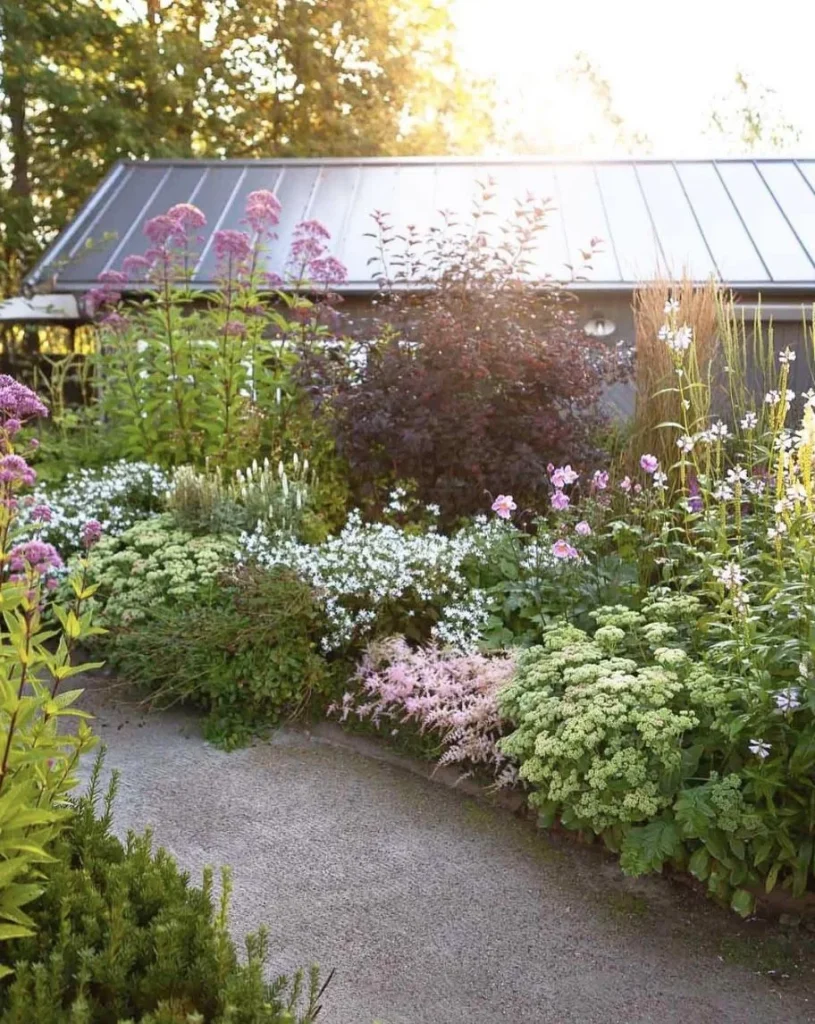
You plant a perennial expecting months of color, but it blooms for two weeks and then sits there like a green lump. That's the frustration behind the search for truly long blooming perennials. The truth is, not all perennials are created equal, some flower for a single flush while others keep going from June straight through frost.
Our research into bloom times across dozens of varieties, updated as of 2026, shows that the best performers can deliver 10 to 12 weeks of flowers per season. That's a huge gap compared to the 3 to 4 weeks of a typical spring bloomer. So what separates a three-week wonder from a three-month show?
Let's start with a quick answer.
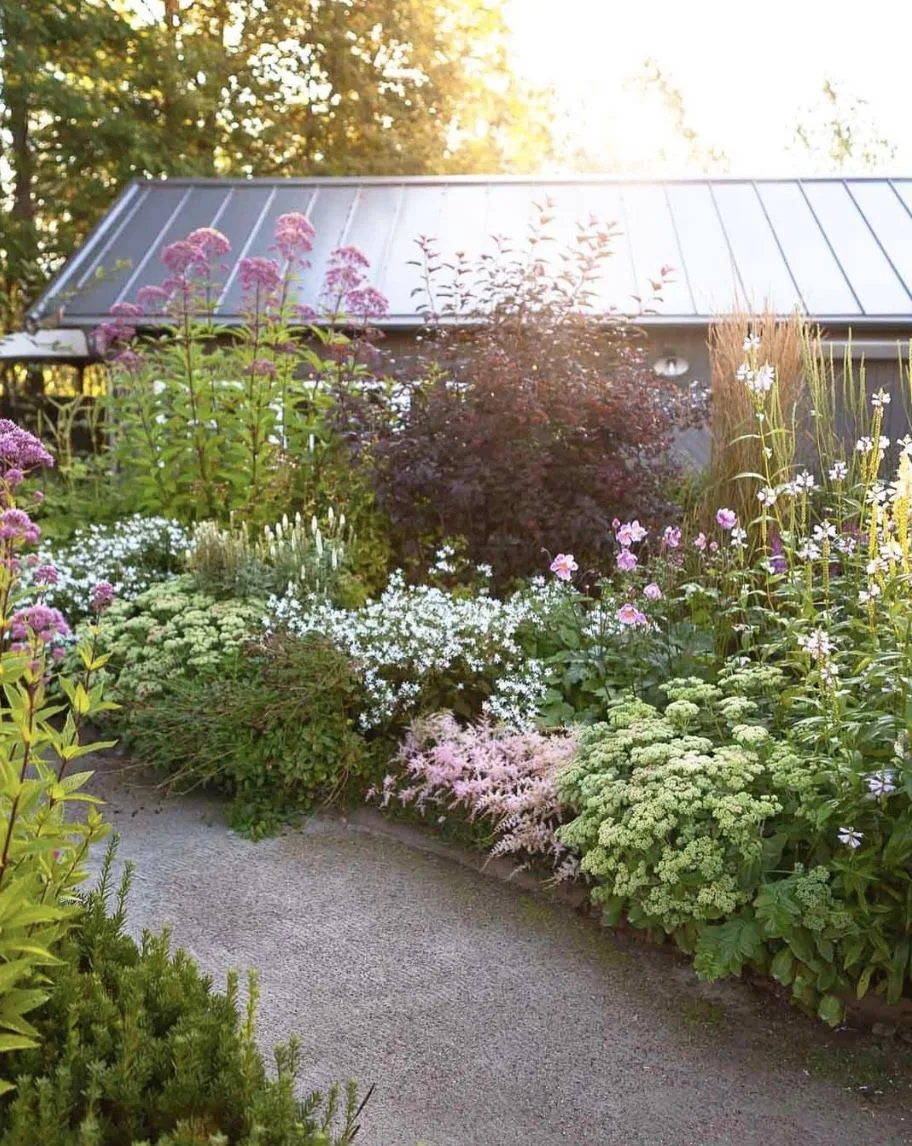
Image source: Web (Bing) / se.pinterest.com (Web image (fair-use with source credit))
Quick Answer
Long blooming perennials rebloom or flower continuously for months. Most need at least six hours of sun. Deadheading spent blooms encourages more flowers.
Some varieties are self-cleaning and need no trimming. The best choices reward you with color from spring until frost.
How Long-Blooming Perennials Work
The key is understanding what "long blooming" actually means. Not all long bloomers work the same way. There are two main types: repeat bloomers and continuous bloomers.
Repeat bloomers flower in waves. They put out a big flush, pause for a week or two, then send up another round. Salvia, catmint, and shasta daisy are classic examples.
You can speed up the second wave by shearing the plant after the first flush fades.
Continuous bloomers keep pumping out flowers nonstop. Blanket flower, coreopsis, and many coneflower cultivars fall into this camp. They don't need aggressive cutting back, just a quick deadhead now and then.
The Cut-Back Method
One technique worth knowing is the "Chelsea chop." Around late May or early June, cut the plant back by about one-third. That delays the first bloom slightly, but the payoff is a bushier plant that flowers much longer. Russian sage and astilbe respond especially well to this.
Self-cleaning varieties drop their spent petals automatically. You don't have to touch them. But for most others, a weekly deadhead session keeps the show going.
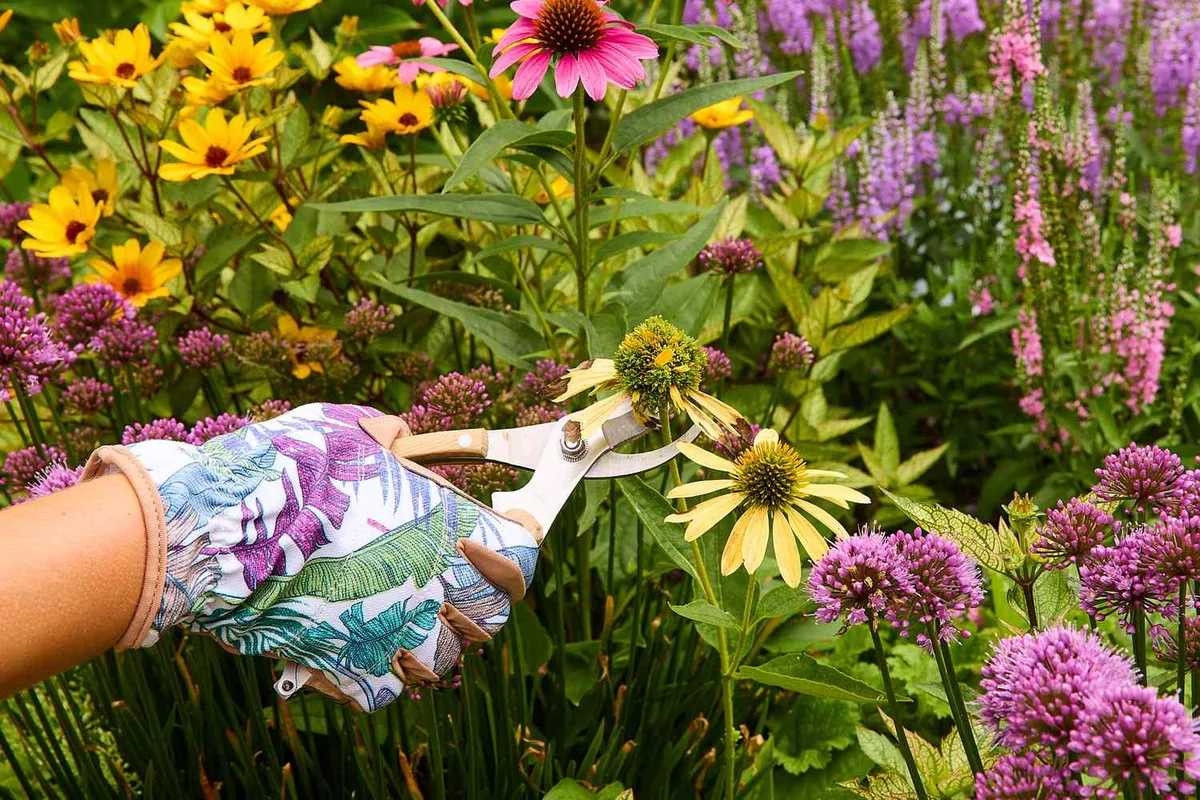
Image source: Web (Bing) / thespruce.com (Web image (fair-use with source credit))
Aggregate reviews from multiple gardening forums and university extension trials confirm that consistent deadheading can double the bloom period for repeat bloomers. It's the difference between a 4-week show and an 8-week one.
The Top Long-Blooming Perennials Compared
Not every long bloomer suits every site. Your sun exposure, soil, and willingness to deadhead all matter. Here's how the top performers stack up.
Sun-Loving Champions
These plants need full sun (at least 6 hours) and fairly well-drained soil.
- Coneflower (Echinacea): Self-cleaning cultivars like 'PowWow Wild Berry' bloom from early summer to frost. They're tough, drought-tolerant, and loved by pollinators.
- Black-eyed Susan (Rudbeckia fulgida): 'Goldsturm' is the gold standard. It spreads nicely and flowers for 8 to 10 weeks with minimal deadheading.
- Catmint (Nepeta): 'Walker's Low' blooms from May through September. Shear it back after the first flush and it pumps out a second wave.
- Salvia (Perennial Salvia): 'Caradonna' and 'May Night' rebloom reliably. They're deer-resistant and attract bees.
- Blanket Flower (Gaillardia): 'Arizona Sun' is a continuous bloomer that doesn't need deadheading. It thrives in hot, dry spots.
Mid-Tier Heavyweights
These are slightly less forgiving but still excellent.
- Coreopsis (Tickseed): 'Moonbeam' and 'Zagreb' flower for weeks. They need regular deadheading to keep going.
- Shasta Daisy (Leucanthemum): 'Becky' is a workhorse. Cut it back after the first bloom for a solid second flush.
- Yarrow (Achillea): 'Coronation Gold' blooms for 8 weeks plus. It tolerates poor soil but flops in rich ground.
- Russian Sage (Perovskia atriplicifolia): This woody perennial blooms from midsummer to frost. It needs no deadheading, but does need full sun and good drainage.
Shade-Tolerant Options
Shady spots aren't hopeless. Astilbe, coral bells, and hardy geraniums bloom for 6 to 10 weeks with part shade. Astilbe needs consistent moisture.
Coral bells offer foliage interest plus tall flower spikes.
Side-by-Side Comparison: Height, Zone, Bloom Time, and Effort
Here's a quick reference table that puts the most popular long bloomers side by side. Use it to match plants to your garden's conditions and your maintenance style.
Image source: Web (Bing) / artofit.org (Web image (fair-use with source credit))
| Plant | Height | USDA Zone | Bloom Weeks | Deadheading Needed? |
|---|---|---|---|---|
| Coneflower (Echinacea) | 24–36 in | 3–9 | 10–12 | Minimal (self-cleaning) |
| Black-eyed Susan (Rudbeckia) | 18–30 in | 3–9 | 8–10 | Light |
| Catmint (Nepeta) | 12–18 in | 3–8 | 8–12 | Moderate (shear after first flush) |
| Salvia (Perennial) | 18–24 in | 4–9 | 8–10 | Moderate (cut back after bloom) |
| Blanket Flower (Gaillardia) | 10–14 in | 3–10 | 10–14 | None (self-cleaning) |
| Shasta Daisy (Leucanthemum) | 24–36 in | 4–9 | 8–10 | Moderate (deadhead regularly) |
| Russian Sage (Perovskia) | 36–48 in | 4–9 | 10–12 | None |
| Astilbe | 12–24 in | 3–8 | 6–8 | Light (remove spent plumes) |
Note: Bloom weeks assume consistent deadheading for varieties that require it. Self-cleaning varieties like blanket flower and coneflower need the least effort.
Best Long-Blooming Perennials for Specific Garden Jobs
Once you know the options, you can pick the right plant for the right spot. Here's how the top performers fit common garden scenarios.
For Low-Maintenance Yards
If you don't want to deadhead every week, choose self-cleaning varieties. Blanket flower, coneflower, and Russian sage all drop spent blooms on their own. Sedum and yarrow also need minimal attention once established.
For Pollinator Patches
Bees and butterflies love long-blooming perennials. Catmint, salvia, and coneflower are top nectar sources from late spring through fall. Black-eyed Susan and coreopsis attract butterflies in midsummer.
Plant a mix for continuous coverage.
For Containers and Small Spaces
Compact versions work best. Try dwarf blanket flower, 'Caradonna' salvia, or 'Walker's Low' catmint. They stay tidy and bloom for months in a pot.
Use a high-quality potting mix and fertilize lightly every few weeks.
For Deer-Resistant Beds
Deer tend to avoid Russian sage, catmint, and salvia because of their strong scents. Yarrow and blanket flower are also deer-resistant. Pair them with other tough plants in areas where deer are a problem.
For Drought-Tolerant Gardens
Blanket flower, Russian sage, coneflower, and yarrow thrive on neglect. Once established they need little water. They do best in full sun and well-drained soil.
These are ideal for hot, dry climates or water-wise landscapes.
Common Mistakes That Shorten Bloom Time
Even the best long-blooming perennials won’t perform if you trip over the same pitfalls. Here are the most common ones we see in research and reader feedback.
Skipping deadheading on varieties that need it. Catmint, salvia, and shasta daisy stop blooming after the first flush if you don’t remove spent flowers. University extension trials consistently show that deadheading can extend the bloom period by 4 to 6 weeks. A weekly 10‑minute session is all it takes.
Choosing the wrong zone or sun exposure. A plant labeled “full sun” needs at least 6 hours of direct light. Put it in part shade and it will bloom poorly or not at all. Always check the USDA hardiness zone before buying.
A zone 5 plant won’t survive winter in zone 3, even if it’s a long bloomer.
Overfeeding with nitrogen. High‑nitrogen fertilizer pushes lush green leaves at the expense of flowers. Use a balanced or bloom‑boosting fertilizer (lower first number) and apply sparingly in early spring. Too much nitrogen also makes stems floppy.
Not cutting back after the first flush. Repeat bloomers like salvia and catmint need a shearing to trigger the second wave. Cut them back by one‑third to half after the flowers fade. New growth and buds appear within two weeks.
Planting too close together. Crowded perennials compete for water and light. Airflow drops, and powdery mildew sets in. Follow the spacing guidelines on the label.
A 12‑inch gap is often enough for compact varieties.
Ignoring soil drainage. Long‑blooming perennials hate wet feet. Soggy soil leads to root rot and weak growth. Amend clay soil with compost or plant in raised beds.
Frequently Asked Questions
How many weeks is “long blooming” for a perennial?
In our research, 8 to 12 weeks is the standard for long‑blooming perennials. Varieties like blanket flower and coneflower can flower for 10 to 14 weeks with proper care. Anything less than 6 weeks is considered a short bloomer.
Do I need to deadhead everything?
No. Self‑cleaning varieties such as blanket flower, coneflower ‘PowWow Wild Berry’, and Russian sage drop spent blooms automatically. They need no deadheading.
For repeat bloomers like catmint, salvia, and shasta daisy, deadheading makes a big difference.
What’s the difference between reblooming and continuous blooming?
Reblooming perennials flower in waves. They produce a big flush, pause for a week or two, then bloom again. Continuous bloomers push out flowers nonstop until frost.
Both can deliver long seasons if managed correctly.
Can I mix long‑blooming perennials with annuals for even more color?
Absolutely. Annuals fill gaps when perennials are between bloom cycles. Petunias, zinnias, and marigolds pair well.
Just make sure both types have similar sun and water needs.
Final Recommendation: What to Plant for Your Yard
The best long‑blooming perennial for your garden depends on three things: sun exposure, soil, and how much effort you’re willing to give.
For beginners or low‑maintenance yards. Go with self‑cleaning varieties. Blanket flower, coneflower, and Russian sage need almost no deadheading. They’re drought‑tolerant once established and bloom for months.
For pollinator lovers. Catmint, salvia, and black‑eyed Susan are top nectar sources. Plant a mix of early and late bloomers to cover the whole season. Add coreopsis for midsummer color.
For part‑shade spots. Choose astilbe, coral bells, or hardy geranium. They bloom for 6 to 10 weeks with just 3 to 4 hours of sun. Keep them moist in dry spells.
For containers. Dwarf varieties like blanket flower ‘Arizona Sun’ or salvia ‘Caradonna’ stay compact and bloom continuously. Use a good potting mix and fertilize lightly every few weeks.
A winning combination for season‑long color? Plant coneflower, black‑eyed Susan, catmint, and Russian sage together. They cover early summer through frost with minimal fuss.
And they’ll come back year after year, getting better each season.