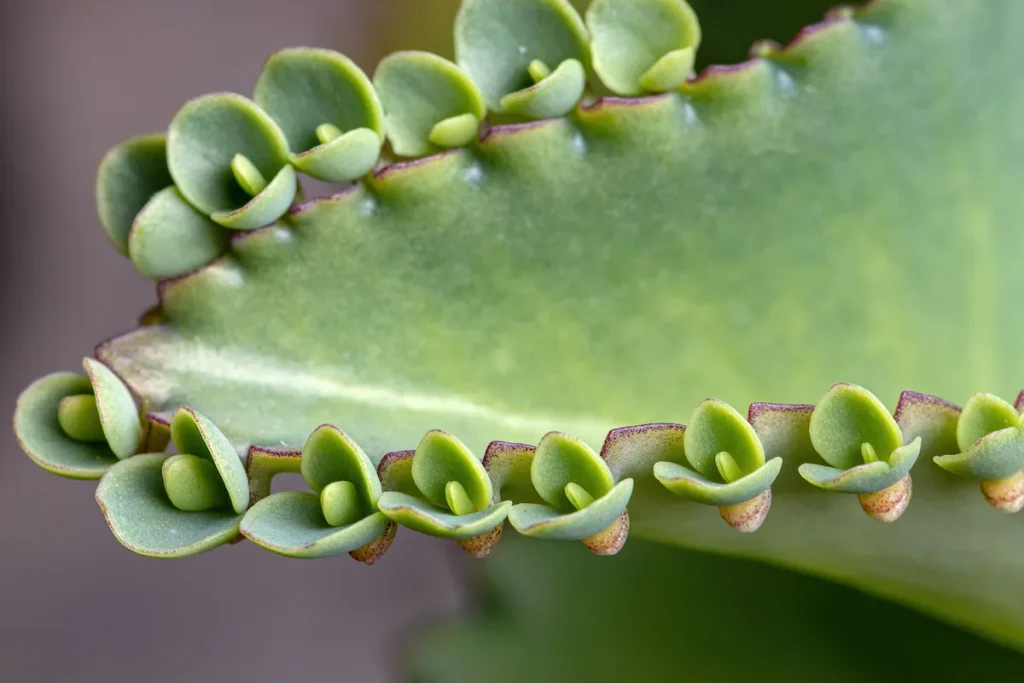
Mother of thousands care isn't complicated, but it's completely different from caring for a typical houseplant. This succulent's real name is Kalanchoe daigremontiana, and it's famous for one thing: it grows hundreds of tiny plantlets along the edges of its leaves. Those little pups drop off and root wherever they land, which makes this plant both fascinating and a genuine pest if you're not prepared.
A single mature plant can produce 300 to 500 pups over its lifetime, and every one of those plantlets can become a new plant within weeks. That's a documented trait that makes this species invasive in warm coastal regions across the globe, including parts of Australia, New Zealand, and the southern United States. Before you bring one home or start caring for one you already own, you need to answer three questions that will shape every decision that follows.
Where does this plant live? Indoors or outdoors changes everything about how you approach watering, light, and especially pup control. Who shares the space? This plant is toxic to pets and people if ingested, which is a hard yes on the safety checklist. What's your plan for the pups? If you don't have an answer, you'll have hundreds of uninvited plants within one growing season.
If you skipped those questions, go back. If you've got clear answers, let's walk through the branches of the mother of thousands care decision tree.
Quick Answer
Keep mother of thousands in bright, indirect light. Water only when the top inch of soil feels completely dry. Use a fast-draining succulent or cactus mix.
Keep it away from pets, children, and other plant pots. Remove the plantlets before they drop and root elsewhere. Protect it from frost and freezing temperatures.
Fertilize lightly once per month during spring and summer only.
This plant thrives on neglect, not attention. Overwatering is the fastest way to kill it. The biggest challenge is containment, not survival.
Indoor or Outdoor? The First Big Branch
Where this plant lives is the single biggest factor in how you care for it. Indoor plants need your help to get enough light and the right temperature range. Outdoor plants, on the other hand, need your help with something completely different: staying alive in winter and staying put in your garden.
If it's indoors: Place it in a south or east-facing window where it gets several hours of bright, indirect light. Direct afternoon sun can scorch the leaves, so a sheer curtain helps if your window gets intense rays. Indoor temperatures between 60°F and 75°F suit it perfectly.
Aggregate reviews report this plant grows happily year-round in normal household temperatures with no special humidity needs.
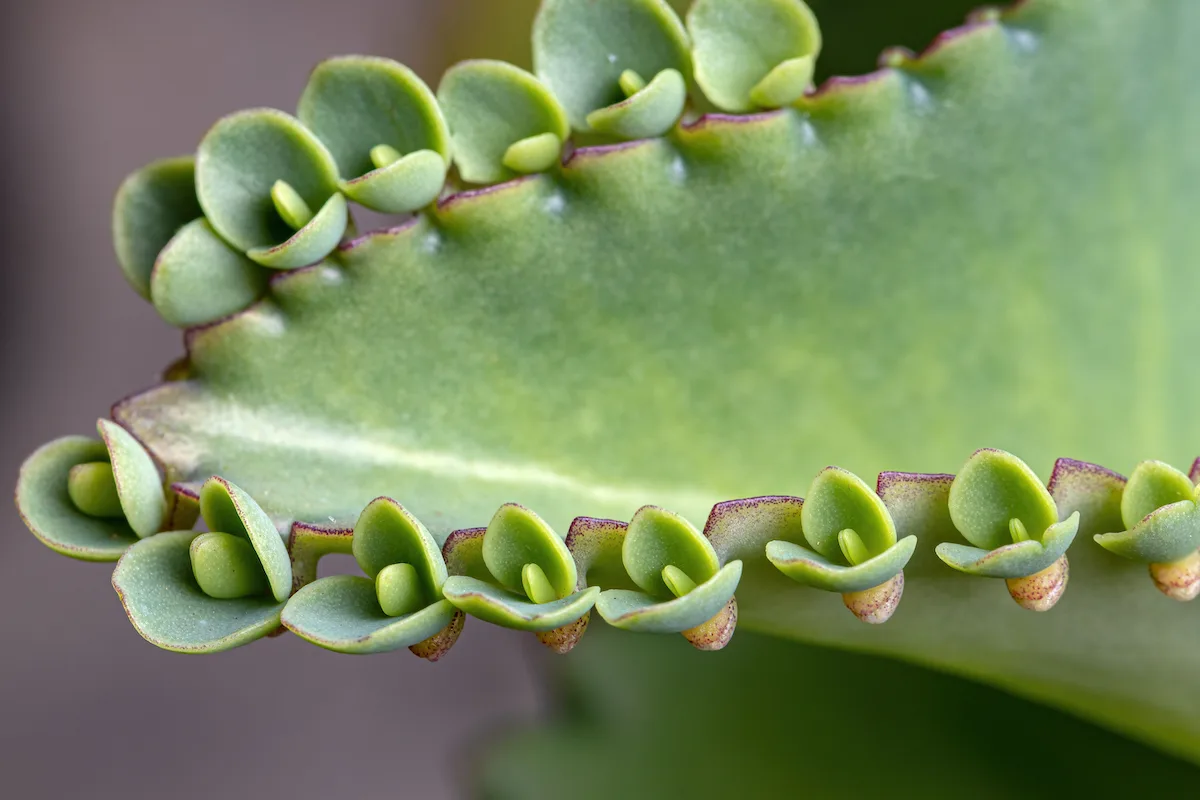
Image source: Web (Bing) / almanac.com (Web image (fair-use with source credit))
If it's outdoors: Full morning sun with afternoon shade works best in most climates. Protect it from frost at all costs, because it's not cold-hardy at all. If temperatures dip below 40°F, bring potted plants inside or cover ground plants with frost cloth.
In USDA zones 9 through 11, it can live outdoors year-round. Anywhere colder, treat it as a summer-only garden resident or keep it in a pot you can move.
The pot vs. ground decision matters even more. In a pot, this plant is manageable and easy to control. In the ground, it becomes a takeover artist. The pups scatter several feet from the parent plant, and each one roots within days.
Once those roots establish, the plant spreads aggressively through your garden beds. Our research suggests container growing is the sanest approach for most home growers.
State and local agencies in Queensland, Australia, and coastal California classify this plant as invasive or a weed of concern. Check your regional regulations before planting it outdoors.
How to Keep It Under Control (Pup Management 101)
This section is the real heart of mother of thousands care. Anyone can keep this plant alive. Few people keep it under control.
The difference comes down to a simple routine that takes about two minutes every week.
The golden rule: Never let the pups touch soil. Every plantlet that lands on dirt becomes another plant. That's hundreds of potential new plants per season, per leaf cluster.
Intercept them before they drop and you've solved 90% of the containment problem.
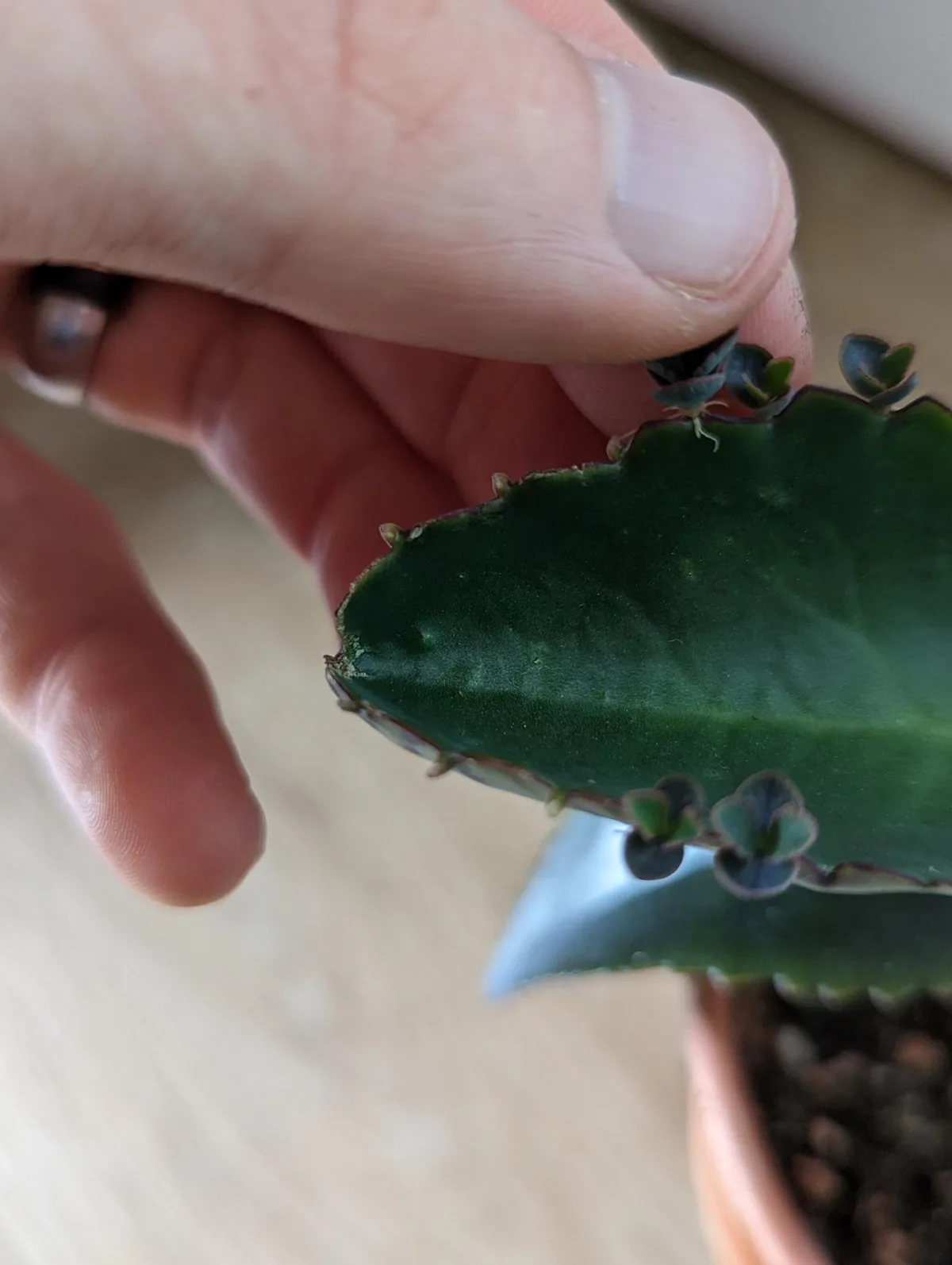
Image source: Web (Bing) / bewareofthecactus.com (Web image (fair-use with source credit))
Weekly pup patrol: Run your fingers gently along the leaf edges once a week. The pups that come off easily are ready. Collect them in a small tray or paper cup.
You can toss them in the compost, discard them in the trash, or use them to start new plants. If you want more plants, place the pups on top of well-draining soil in a shallow tray. They root within one to two weeks with light misting.
Stakes and barriers help outdoors. For garden-grown plants, lay a 1 to 2 inch layer of coarse gravel or pea stone around the base. Pups that drop onto gravel can't root. If you're growing in a bed, surround the plant with a physical barrier buried an inch deep in the soil.
That stops pups from running underground.
Deadheading matters more than most guides admit. After flowering, the plant produces seeds in addition to leaf pups. Snip spent flower stalks right after blooming. This prevents a second wave of seedlings you didn't bargain for.
What about the babies you want to keep? Choose pups from healthy, mature leaves only. Skip any that look shriveled, yellowed, or damaged. Place them on a tray of succulent mix, keep the soil lightly moist but never soggy, and give them bright indirect light.
Within three weeks, they'll be independent plants with their own root systems.
Growth, Light, and Water: The Basics That Actually Matter
Mother of thousands is a succulent, which means it stores water in its thick, fleshy leaves. That gives it a huge margin for error on the drought side. The danger zone is the opposite direction: too much water, too often, too fast.
Watering schedule that works: Wait until the top inch of soil is bone dry before you water again. Stick your finger into the soil; if you feel any moisture, wait. When you do water, soak the pot thoroughly until water runs out the bottom drainage holes, then empty the saucer.
In summer, that typically means watering every 7 to 10 days. In winter, cut it back to once every 3 to 4 weeks.
Light requirements: This plant needs bright light to stay compact and thrive. In low light, the stems stretch, the leaves lose their vibrant green color, and new growth becomes sparse and leggy. A south or east-facing window indoors, or a bright patio spot outdoors, delivers what it needs.
If the leaves start turning pale yellow, it's getting too much direct sun.
Soil and repotting: Use a cactus or succulent mix that drains aggressively. Regular potting soil holds water too long and leads to root rot. Manufacturer specifications confirm this plant performs best in a mix with at least 50% perlite or coarse sand by volume.
Repot every two years in early spring, moving up one pot size only. A pot that's too big holds excess water.
Fertilizer, but barely: Feed it once a month during spring and summer with a balanced liquid fertilizer diluted to half strength. In fall and winter, skip it entirely. This plant genuinely thrives on neglect, and overfeeding causes soft, weak growth that invites pests like mealybugs and scale.